
Texas Hold’em is more than just a card game; it’s a global phenomenon that blends strategy, psychology, and a dash of luck, making it a captivating pursuit for millions worldwide. Whether you’re a seasoned traveler seeking high-stakes action in Las Vegas or Macau, or simply looking for an engaging pastime during a relaxed stay at a boutique hotel, understanding the nuances of Texas Hold’em can enrich your leisure experiences. This guide aims to demystify the game, walking you through its core mechanics, strategic elements, and the vibrant global contexts in which it is enjoyed, connecting the thrill of the game with the excitement of travel, luxury accommodation, and diverse lifestyles. Prepare to dive into the world of blinds, flops, and river cards, and discover why this particular poker variant has become an enduring classic, often found at the heart of the world’s most luxurious resorts and bustling tourist destinations.

The Essentials: Understanding Texas Hold’em Basics
At its core, Texas Hold’em is a community card poker game. Players don’t just rely on the cards in their hand; they also use a set of shared cards laid out on the table to form the best possible five-card poker hand. The game is played with a standard 52-card deck and typically involves 2 to 10 players. The objective is simple: win the pot, which consists of all the money bet by players in a hand. You can win either by having the best hand at the showdown or by successfully bluffing your opponents into folding before the showdown.
The Deck and Player Roles
Every game of Texas Hold’em starts with the distribution of specific roles around the table, which rotate clockwise after each hand. This ensures fairness and dictates the order of play and betting.
- The Dealer Button: A physical marker, often a white disc, designates the theoretical dealer for the current hand. In casino settings, a professional dealer handles the cards, but the button still determines who acts last in a betting round, a position known as being “in position,” which is a significant strategic advantage.
- The Blinds: To initiate action and ensure there’s always money to play for, two mandatory bets, called ‘blinds’, are placed before any cards are dealt. The player immediately to the left of the dealer button posts the Small Blind, and the player to the left of the small blind posts the Big Blind. The big blind is typically double the small blind and sets the minimum bet size for the first round of betting. These forced bets are crucial for generating an initial pot and driving the game forward.
- Hole Cards: Once the blinds are posted, each player is dealt two cards face down. These are your ‘hole cards’ and are private to you. They are the foundation of your hand, and how strong or weak they are will heavily influence your decisions in the initial betting round.
The Objective of the Game
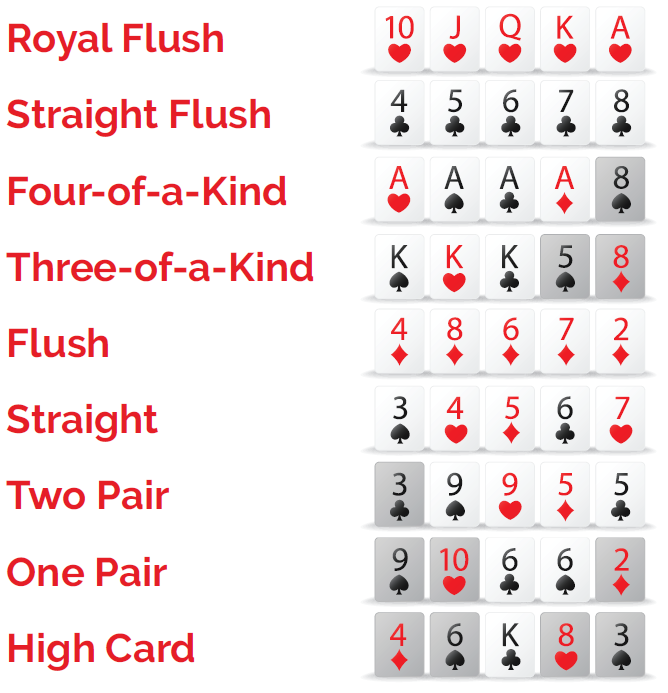
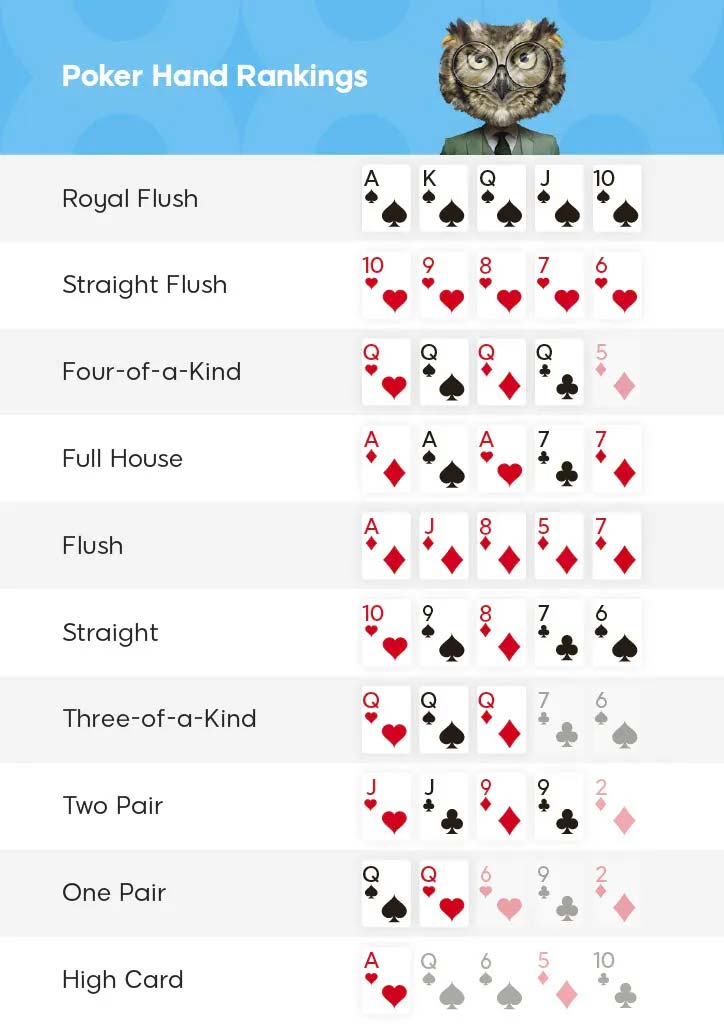
The overarching goal in Texas Hold’em is to assemble the strongest possible five-card poker hand using any combination of your two hole cards and the five community cards that will eventually be dealt face-up on the table. Standard poker hand rankings apply, from a simple High Card to the highly coveted Royal Flush. Understanding these rankings inside out is non-negotiable for anyone looking to play seriously. Beyond just having the best cards, the objective also heavily involves strategic betting and reading your opponents. Convincing others to fold, even with a weaker hand yourself, is a perfectly valid and often highly profitable way to win the pot, making it a game of both cards and psychology.
Step-by-Step Gameplay: From Pre-Flop to Showdown
A single hand of Texas Hold’em unfolds through several distinct phases, each punctuated by a betting round. Understanding this sequence is key to navigating the game successfully, whether you’re enjoying a quiet evening in a luxury suite or trying your luck at a bustling casino like the Bellagio in Nevada.
Pre-Flop: Your Starting Hand
The game begins here. After the blinds are posted and each player receives their two hole cards, the first betting round commences. Action starts with the player to the left of the Big Blind. This player has three primary options:
- Call: Match the amount of the big blind to stay in the hand.
- Raise: Increase the bet beyond the big blind, forcing subsequent players to call the new, higher bet or fold.
- Fold: Give up your hand and forfeit any money you’ve already contributed to the pot (the blinds). You wait for the next hand.
This round is critical, as your decision here is based solely on your two hole cards and your assessment of the table dynamics. Strong starting hands include pairs (like Ace-Ace or King-King) and suited connectors (like Jack-Ten of spades). Weaker hands might be unsuited low cards, though even these can sometimes be played strategically from certain positions.
The Flop: Community Cards Emerge
Once the pre-flop betting round is complete, the dealer “burns” the top card of the deck (places it face down, out of play – a measure to prevent cheating) and then deals three community cards face up in the middle of the table. This is known as “the Flop.” These three cards are available for all remaining players to use in combination with their hole cards to form the best possible five-card hand.
After the Flop is revealed, another betting round ensues. This time, action starts with the player immediately to the left of the dealer button who is still in the hand. Players again have the options to Check (if no one has bet yet, meaning to pass the action without betting), Bet, Call, Raise, or Fold. The Flop is often the most exciting part of the hand, as it can dramatically change the strength of players’ hands, potentially creating strong combinations like a pair, a straight draw, or a flush draw.
The Turn: Building the Board
Following the Flop betting round, the dealer burns another card and then deals a fourth community card face up. This is known as “the Turn” or “Fourth Street.” With four community cards now visible, players have even more information about the potential strength of their hands and those of their opponents.
A third betting round takes place after the Turn card is dealt, following the same procedure as the Flop. The bets typically double in size at this point in traditional fixed-limit games, making the stakes higher. This round is crucial for players to decide if their hand has improved enough to continue or if they should fold to avoid further losses. For travelers enjoying the poker room at Caesars Palace in the United States, the pressure during the Turn can be palpable.
The River: The Final Card
After the Turn betting round concludes, the dealer burns a final card and deals the fifth and final community card face up. This is called “the River” or “Fifth Street.” All five community cards are now on the board, and players have all the information they will get to form their best five-card poker hand using any combination of their two hole cards and the five community cards.
The River is followed by the fourth and final betting round. This is often the most intense round, as players make their last decisions about betting, calling, or folding before a potential showdown. It’s where bluffs are often executed, and courageous calls are made, determining who has the confidence to push for the pot.
The Showdown: Revealing Your Hand
If more than one player remains in the hand after the final betting round on the River, a “showdown” occurs. Starting with the player who made the last aggressive action (bet or raise), or the player immediately to the left of the dealer button if there was no betting on the river, players reveal their hole cards. The player with the best five-card poker hand wins the entire pot. If two or more players have identical best hands, the pot is split evenly among them.
Understanding hand rankings is paramount here. From highest to lowest, they typically are: Royal Flush, Straight Flush, Four of a Kind, Full House, Flush, Straight, Three of a Kind, Two Pair, One Pair, and High Card. Knowing these rankings instantly helps you determine if you have a winning hand or if it’s time to congratulate your opponent.
Mastering the Art: Strategy and Mindset
Beyond understanding the rules, becoming proficient in Texas Hold’em requires a deep dive into strategy and cultivating a robust mindset. This is where the game transcends mere chance and becomes a true battle of wits, a skill highly valued whether you’re at a casual game in a remote villa or competing in a high-stakes tournament at the [Marina Bay Sands](https://lifeoutofthebox.com/ Marina-Bay-Sands) in Singapore.
Positional Play and Reading Opponents
One of the most fundamental strategic concepts in Texas Hold’em is position. Being “in position” means you act after most or all of your opponents in a betting round. This gives you a significant advantage because you gain more information about their actions before making your own decision. You can see if they bet, check, or fold, which provides clues about the strength of their hand. Playing more hands from late position and fewer from early position is a hallmark of good strategy.
Equally important is the art of reading opponents. This involves observing their betting patterns, body language (known as “tells”), and overall demeanor. Does an opponent always bet big with a strong hand? Do they hesitate before bluffing? Do they appear nervous? Recognizing these patterns allows you to make more informed decisions about whether to call, raise, or fold. This psychological warfare is a thrilling aspect of the game, akin to negotiating a complex deal or exploring the hidden gems of a new destination.
Bankroll Management and Discipline
Successful poker players, much like savvy travelers planning a trip, understand the importance of bankroll management. This refers to managing the amount of money you dedicate to playing poker. Never play with money you can’t afford to lose. Set limits for yourself – both for wins and losses – and stick to them. A common guideline is to have at least 20-30 buy-ins for the stakes you are playing, to absorb natural variance and bad luck.
Discipline is the mental fortitude to execute your strategy consistently, regardless of short-term results. It means not chasing losses, avoiding “tilt” (playing poorly due to emotional frustration), and knowing when to quit. Just as a well-planned itinerary helps avoid travel mishaps, a disciplined approach to poker protects your funds and sanity, ensuring the experience remains enjoyable and potentially profitable.
Texas Hold’em and the Global Lifestyle: Where to Play
Texas Hold’em isn’t just a game; it’s a social activity that often goes hand-in-hand with travel, tourism, and a luxurious lifestyle. From iconic casinos that are landmarks in their own right to intimate home games, the opportunities to play are as varied as the world’s most exciting destinations.
Iconic Casino Destinations
For many, the allure of Texas Hold’em is inextricably linked with the glamour of world-class casinos. These establishments are often major tourist attractions themselves, offering not just poker tables but also exquisite accommodation, fine dining, entertainment, and shopping.
- Las Vegas, USA: Often dubbed the “Entertainment Capital of the World,” Las Vegas is home to legendary poker rooms like those at the Bellagio, Aria Resort & Casino, and Caesars Palace. It’s also the spiritual home of the World Series of Poker (WSOP), an event that draws professionals and amateurs from every corner of the globe. A trip here is a full lifestyle experience, combining poker with unparalleled luxury travel.
- Macau, China: Known as the “Monte Carlo of the East,” Macau offers an opulent gaming scene with massive poker rooms in resorts like The Venetian Macao and City of Dreams. It’s a key destination for players from Asia and beyond, reflecting a blend of traditional culture and modern luxury.
- Monte Carlo, Monaco: For a taste of classic European elegance, the Casino de Monte Carlo in Monaco offers a historic and luxurious setting. While perhaps more famous for its roulette and baccarat, its poker rooms attract an elite clientele seeking a sophisticated gaming experience amidst stunning Mediterranean views.
- Atlantic City, USA: On the East Coast of the United States, Atlantic City has been a long-standing hub for casino gaming. Venues like the Borgata Hotel Casino & Spa offer extensive poker facilities and attract a lively crowd, often combined with beach tourism and entertainment.
- London, UK: London, a city rich in history and contemporary culture, also boasts prominent poker clubs, such as the Hippodrome Casino in Leicester Square. These venues offer a more intimate, yet equally thrilling, poker experience within a vibrant urban setting, catering to both local enthusiasts and international visitors exploring the city’s landmarks.
These destinations provide an immersive experience, blending the thrill of the game with the comforts of world-class hotels and the excitement of diverse tourist activities. They cater to every lifestyle, from budget-conscious players to those seeking the ultimate in luxury travel.
The Rise of Online Play and Home Games
Beyond the glitz and glamour of casinos, Texas Hold’em has also found a massive audience through online platforms. Online poker rooms allow players from around the globe to compete against each other from the comfort of their homes or even on the go, making the game incredibly accessible. This digital revolution has democratized poker, allowing anyone with an internet connection to learn, practice, and even win significant amounts of money. Many travel enthusiasts enjoy online poker as a way to unwind in their hotel suites after a day of sightseeing, making it a perfect complement to a modern travel lifestyle.
Furthermore, Texas Hold’em is a hugely popular choice for casual home games among friends and family. These gatherings, often held in comfortable apartments or cozy villas, offer a relaxed and social way to enjoy the game without the pressure of a casino environment. They are perfect for fostering camaraderie, practicing skills, and simply having fun, embodying the ‘lifestyle’ aspect of the game.
In conclusion, Texas Hold’em is a dynamic and engaging game that offers endless strategic depth and social interaction. Whether you’re drawn to the competitive energy of a casino floor in a bustling city like Paris, or the camaraderie of a home game, understanding its rules and embracing its strategic elements will undoubtedly enhance your experience. It’s a game that travels well, fits into various lifestyles, and offers a unique lens through which to enjoy the world of leisure, luxury, and human psychology. So, shuffle up, deal, and immerse yourself in the fascinating world of Texas Hold’em!
LifeOutOfTheBox is a participant in the Amazon Services LLC Associates Program, an affiliate advertising program designed to provide a means for sites to earn advertising fees by advertising and linking to Amazon.com. Amazon, the Amazon logo, AmazonSupply, and the AmazonSupply logo are trademarks of Amazon.com, Inc. or its affiliates. As an Amazon Associate we earn affiliate commissions from qualifying purchases.