
Puerto Rico, a vibrant Caribbean gem, beckons millions of American travelers each year with its captivating blend of rich history, stunning natural beauty, and a lively culture that pulses with energy. As a U.S. territory, it offers a familiar yet exotic escape, making it a popular choice for vacations, business trips, and even longer stays. However, like any travel destination, understanding the safety landscape is crucial for a worry-free experience. This comprehensive guide aims to demystify safety in Puerto Rico for American visitors, covering everything from general security to specific considerations for a smooth and enjoyable trip.
Understanding the Safety Landscape: General Security and Crime Statistics
When considering safety in Puerto Rico, it’s essential to approach it with a balanced perspective, acknowledging both its overall safety for tourists and specific areas or situations that warrant caution. Generally, Puerto Rico is a safe destination for American tourists, especially in popular tourist areas. Millions of Americans visit annually without incident, enjoying the island’s attractions, accommodations, and lifestyle offerings.
However, like many large metropolitan areas and popular tourist destinations worldwide, Puerto Rico does experience crime. The U.S. Department of State, which provides travel advisories for U.S. citizens traveling abroad, categorizes Puerto Rico under its general U.S. travel guidance, meaning there are no specific widespread warnings that differ significantly from advice given for travel within the continental U.S. For instance, advisories often highlight petty crimes like pickpocketing and bag snatching, which are more common in crowded tourist spots or public transportation. Violent crime, while statistically lower for tourists, can occur, and it’s advisable to remain aware of your surroundings.
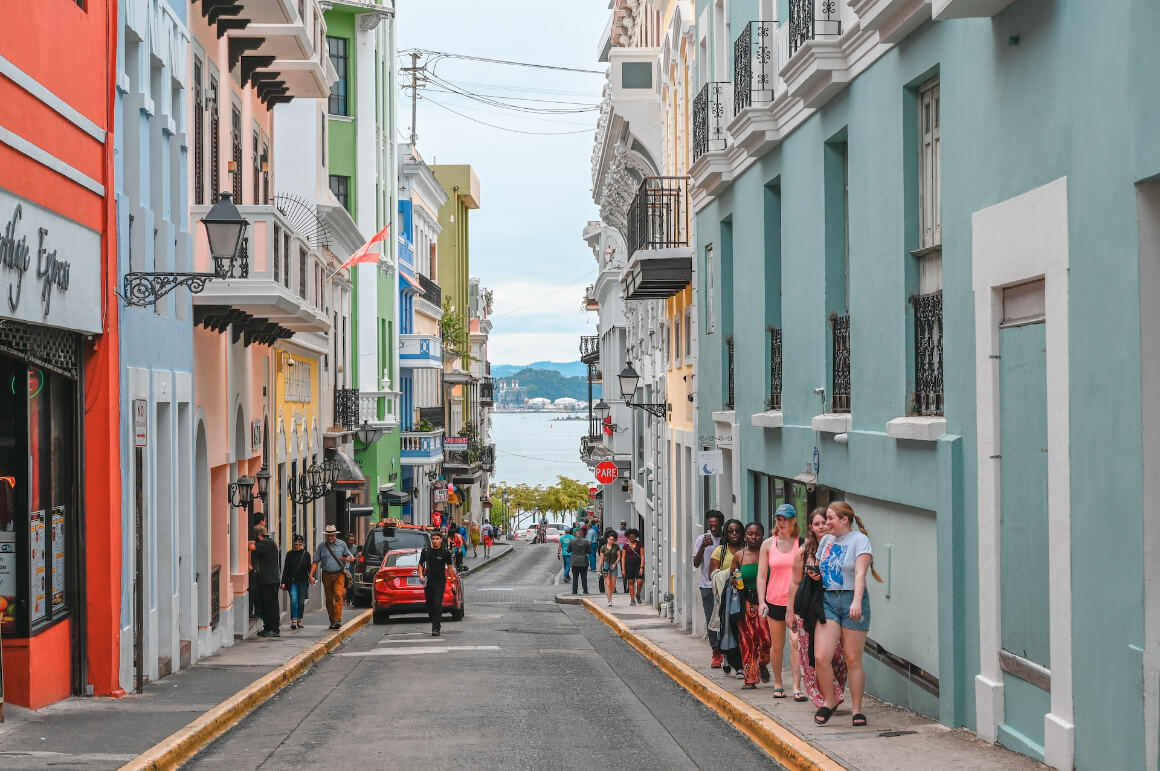
Major tourist hubs like San Juan, particularly areas like Old San Juan, Condado, and Isla Verde, are generally well-patrolled and considered safe. These districts boast a high concentration of hotels, resorts, restaurants, and attractions, attracting a constant flow of visitors. However, even in these areas, vigilance against petty theft is recommended, especially in bustling markets or during large events.
Beyond the main tourist zones, venturing into less populated or more remote areas might require a higher degree of caution. It’s always wise to research specific neighborhoods if you plan to explore beyond the typical tourist trails. Understanding local customs and being respectful of the community can also go a long way in fostering positive interactions and ensuring your safety.
For those seeking a deeper understanding of the statistics, it’s worth noting that crime rates can vary significantly within the island. Larger cities tend to have higher crime rates than rural or coastal towns. However, tourist-related crime is often opportunistic and can be mitigated with common-sense precautions. The focus for most visitors should be on preventing petty theft and avoiding situations where you might be a target.
Navigating the Streets and Public Spaces
When exploring Puerto Rico, whether you’re wandering through the historic cobblestone streets of Old San Juan or enjoying the nightlife in Santurce, awareness of your surroundings is your best defense.
Petty Theft and Opportunistic Crimes
Petty theft, such as pickpocketing and purse snatching, is the most commonly reported crime affecting tourists. These incidents often occur in crowded areas where distractions are plentiful. To minimize your risk:
- Keep Valuables Secure: Use a money belt or a secure cross-body bag. Avoid displaying large amounts of cash or expensive jewelry.
- Be Aware of Your Surroundings: Pay attention to who is around you, especially in busy markets, public transportation, or when exiting ATMs.
- Secure Your Belongings: Never leave bags unattended on chairs in restaurants or on the beach.
- Guard Your Phone: Smartphones are a common target. Keep them in a secure pocket or bag when not in use.
Transportation Safety
Getting around Puerto Rico offers several options, each with its own safety considerations:
- Taxis and Ride-Sharing Services: Taxis are readily available, especially at the airport and major hotels. It’s advisable to use official taxis from designated stands or those called by your hotel. Ride-sharing services like Uber operate in San Juan and surrounding areas and can be a convenient and generally safe option. Ensure the car and driver match the information in the app.
- Rental Cars: Renting a car provides the most flexibility for exploring the island. However, always lock your car and never leave valuables visible inside, even when parked for a short time. Be cautious when parking in unfamiliar areas.
- Public Transportation: While buses and public vans (gua-guas) are an economical way to travel, they can be crowded and may not always be the most direct route. Be mindful of your belongings in crowded buses, and if you’re unsure about a route, it might be safer to opt for a taxi or ride-sharing service.
Nightlife and Entertainment
Puerto Rico’s nightlife is legendary, from beachfront bars in Condado to salsa clubs in Santurce. When enjoying the evening, remember these tips:
- Stay with Your Group: Never leave friends behind, and be sure everyone gets back to their accommodation safely.
- Watch Your Drinks: Don’t leave your drinks unattended.
- Be Mindful of Alcohol Consumption: Excessive alcohol can make you more vulnerable.
- Know Your Limits: Stick to well-lit and populated areas for late-night activities.
Natural Hazards and Environmental Safety

Beyond human-related safety concerns, Puerto Rico’s stunning natural environment also presents certain considerations to keep in mind. The island’s tropical climate and geography contribute to its beauty but also require preparedness for specific environmental factors.
Tropical Storms and Hurricanes
Puerto Rico is located in a region prone to tropical storms and hurricanes, particularly from June through November. While the infrastructure has improved significantly since Hurricane Maria in 2017, it’s essential to stay informed about weather forecasts during these months.
- Monitor Weather Updates: Pay attention to advisories from the National Hurricane Center and local emergency management agencies.
- Have a Plan: Your accommodation should have evacuation procedures. Familiarize yourself with them.
- Emergency Supplies: Consider having a small emergency kit with water, non-perishable food, a flashlight, and batteries.
- Travel Insurance: Comprehensive travel insurance that covers weather-related disruptions is highly recommended for travel during hurricane season.
Beaches and Water Activities
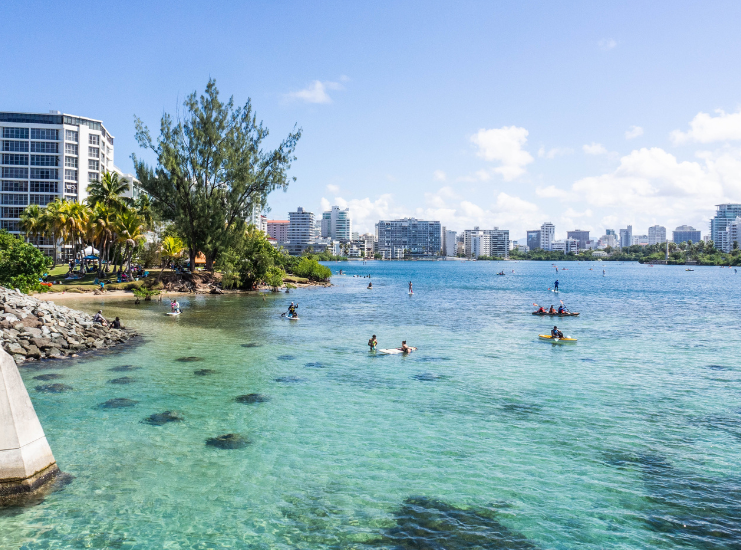
Puerto Rico boasts breathtaking beaches like Flamenco Beach on Culebra, Luquillo Beach, and those found along the southern coast. While enjoying the turquoise waters, prioritize safety:
- Swim with Caution: Pay attention to beach flags, which indicate the intensity of the surf. Red flags mean danger and no swimming.
- Heed Rip Current Warnings: Rip currents can be strong. If you are caught in one, swim parallel to the shore until you are out of the current, then swim towards the beach.
- Supervise Children: Always keep a close eye on children near the water.
- Sun Protection: The Caribbean sun is intense. Use high-SPF sunscreen, wear hats, and seek shade, especially during the hottest parts of the day. Dehydration and sunstroke are real concerns.
Hiking and Nature Exploration
From the lush rainforest of El Yunque National Forest to the bioluminescent bays, Puerto Rico offers incredible opportunities for nature lovers. When exploring these areas:
- Stay on Marked Trails: Wandering off-trail can lead to getting lost or encountering uneven terrain and potential hazards.
- Wear Appropriate Footwear: Sturdy, closed-toe shoes are essential for hiking.
- Carry Water: Stay hydrated, especially in the tropical heat.
- Insect Repellent: Mosquitoes and other insects are common. Use repellent to prevent bites, which can sometimes carry diseases.
- Inform Someone of Your Plans: If you’re going on a hike, let your hotel or a friend know where you’re going and when you expect to return.
Accommodation Safety and Best Practices
Choosing the right accommodation is a cornerstone of a safe and enjoyable trip to Puerto Rico. The island offers a diverse range of lodging options, from luxurious resorts to charming guesthouses, each with its own set of considerations.
Resort and Hotel Safety
Major hotels and resorts, particularly those in areas like Dorado or along the popular coastlines, generally adhere to high safety standards. They often have:
- 24/7 Security: Many properties employ their own security personnel.
- Key Card Access: Rooms and elevators typically require key cards for access, enhancing security.
- In-Room Safes: Use these to store valuables like passports, extra cash, and expensive jewelry.
- Well-Lit Grounds: Exterior lighting is usually sufficient to deter unwelcome activity.
When checking into your hotel or resort, it’s always a good practice to:
- Verify Your Room: Ensure the door is securely locked from the inside and that all window latches are functional.
- Don’t Announce Your Room Number Loudly: Be discreet when discussing your room.
- Report Suspicious Activity: If you see or hear anything unusual, report it to hotel management or security immediately.
Vacation Rentals and Apartments
Vacation rentals, including apartments and villas, offer more independence and often a more local experience. While many are perfectly safe, it’s crucial to do your due diligence:
- Read Reviews Carefully: Pay close attention to reviews specifically mentioning safety, security, and the reliability of the host.
- Check Location: Research the neighborhood where the rental is located, especially if it’s outside of well-known tourist zones.
- Secure Entry: Ensure the property has secure locks on doors and windows.
- Emergency Contacts: Obtain emergency contact information for the host or property manager.
General Accommodation Tips for All Travelers:
Whether you choose a luxury suite at a renowned resort or a budget-friendly apartment, these general tips apply:
- Keep Doors and Windows Locked: Even when you are inside, ensure doors and windows are secured.
- Avoid Sharing Room Keys: If traveling with others, ensure everyone knows how to secure the room.
- Be Discreet with Valuables: Avoid leaving valuable items in plain sight.
- Know Your Emergency Exits: Familiarize yourself with the nearest fire exits.
By being informed and taking sensible precautions, American travelers can confidently explore and enjoy the beauty, culture, and hospitality that Puerto Rico has to offer. The island is a welcoming destination, and with a little awareness, your visit will be filled with unforgettable experiences and cherished memories.