
For decades, the name “Sears Building” conjured images of an impossibly tall structure, a beacon piercing the Chicago sky. While officially known as the Willis Tower since 2009, its former moniker, the Sears Tower, remains etched in the collective memory of many, especially those who grew up marveling at its unprecedented height. This iconic skyscraper stands as a testament to human ambition, engineering prowess, and the enduring spirit of one of America’s greatest cities. So, exactly how tall is this legendary edifice, and what makes it such a vital landmark and captivating travel destination?
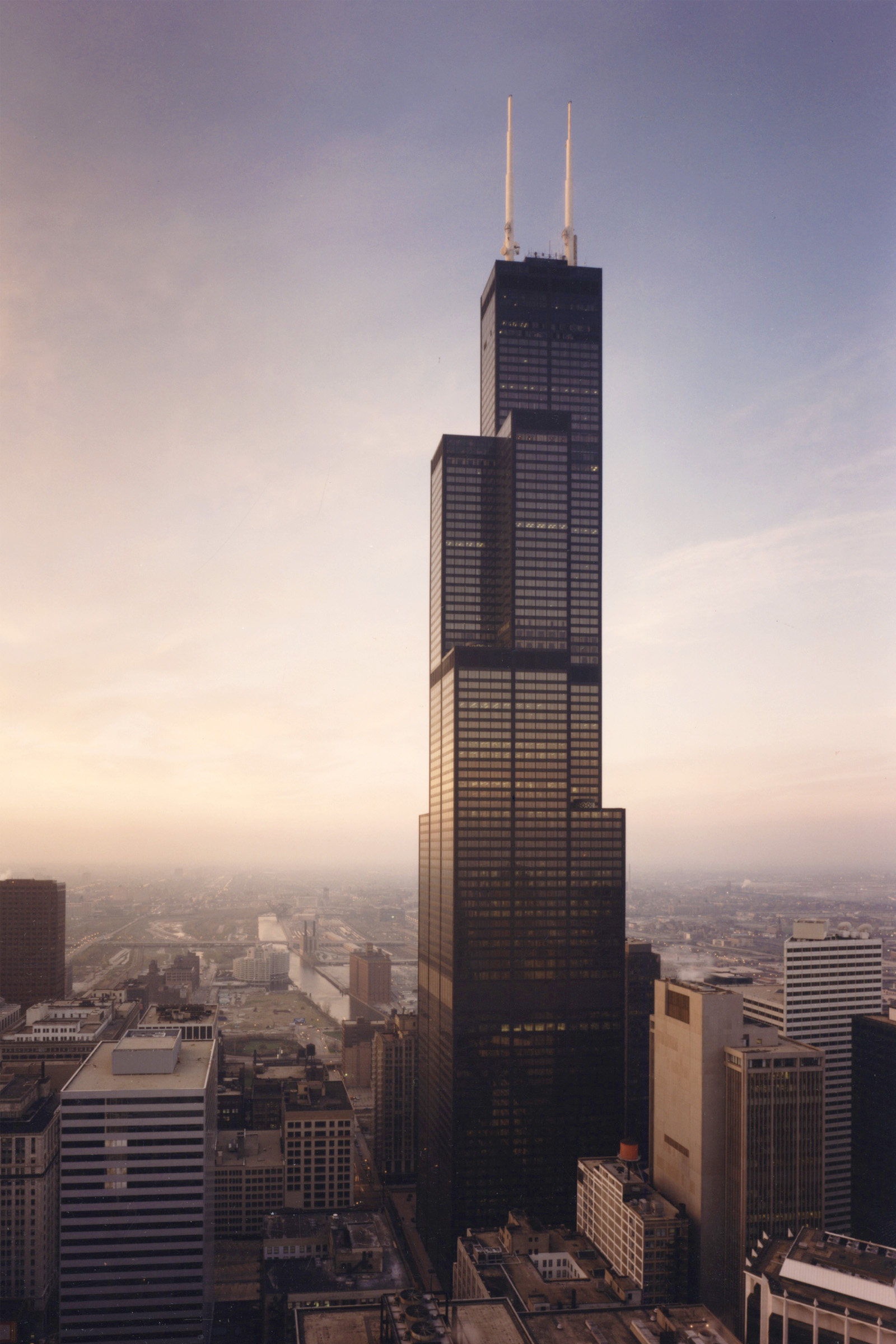
The Willis Tower commands attention with its staggering dimensions. At its core, the building reaches a structural height of 1,450 feet (442 meters) from its base to the top of its highest roof. However, its true vertical dominance is further emphasized by its twin antenna spires. With the taller of these spires included, the building’s architectural tip extends to an astonishing 1,729 feet (527 meters). For a significant period, from its completion in 1974 until 1998, it proudly held the title of the tallest building in the world, an achievement that cemented its place in architectural history and global consciousness. Even today, it remains a towering presence, ranking among the tallest buildings in the United States and the Western Hemisphere, a truly unmissable feature of the Chicago skyline. Its sheer scale is not merely a number; it represents a profound achievement in design and construction, offering visitors a unique perspective on urban grandeur and the vastness of the Midwestern landscape from its famous observation deck, Skydeck Chicago.
The Towering Icon: Unpacking the Dimensions of a Giant
The story of the Willis Tower’s height is more than just a measurement; it’s a narrative of innovation, competition, and cultural significance. When it was conceptualized in the late 1960s, Sears, Roebuck and Company needed a massive office space for its rapidly expanding workforce. The challenge was to design a building that could accommodate such a vast number of employees while also making a powerful statement. The solution, crafted by the visionary architects at Skidmore, Owings & Merrill (SOM), specifically lead architect Bruce Graham and structural engineer Fazlur Rahman Khan, would revolutionize skyscraper design.
A Feat of Engineering and Design
The structural height of 1,450 feet (442 meters) refers to the highest occupied floor and roof of the building. This measurement was the primary benchmark for “tallest building” for many years. When the building’s antennas are factored in, the total height reaches 1,729 feet (527 meters). This distinction is important in the ever-evolving world of skyscraper rankings, where different measurement criteria (to the architectural top, highest occupied floor, or tip of the antenna) can shift a building’s global standing. Regardless of the specific metric, the Willis Tower undeniably presents a colossal profile. To put this into perspective, for over two decades, it surpassed the legendary Empire State Building in New York City by a significant margin.
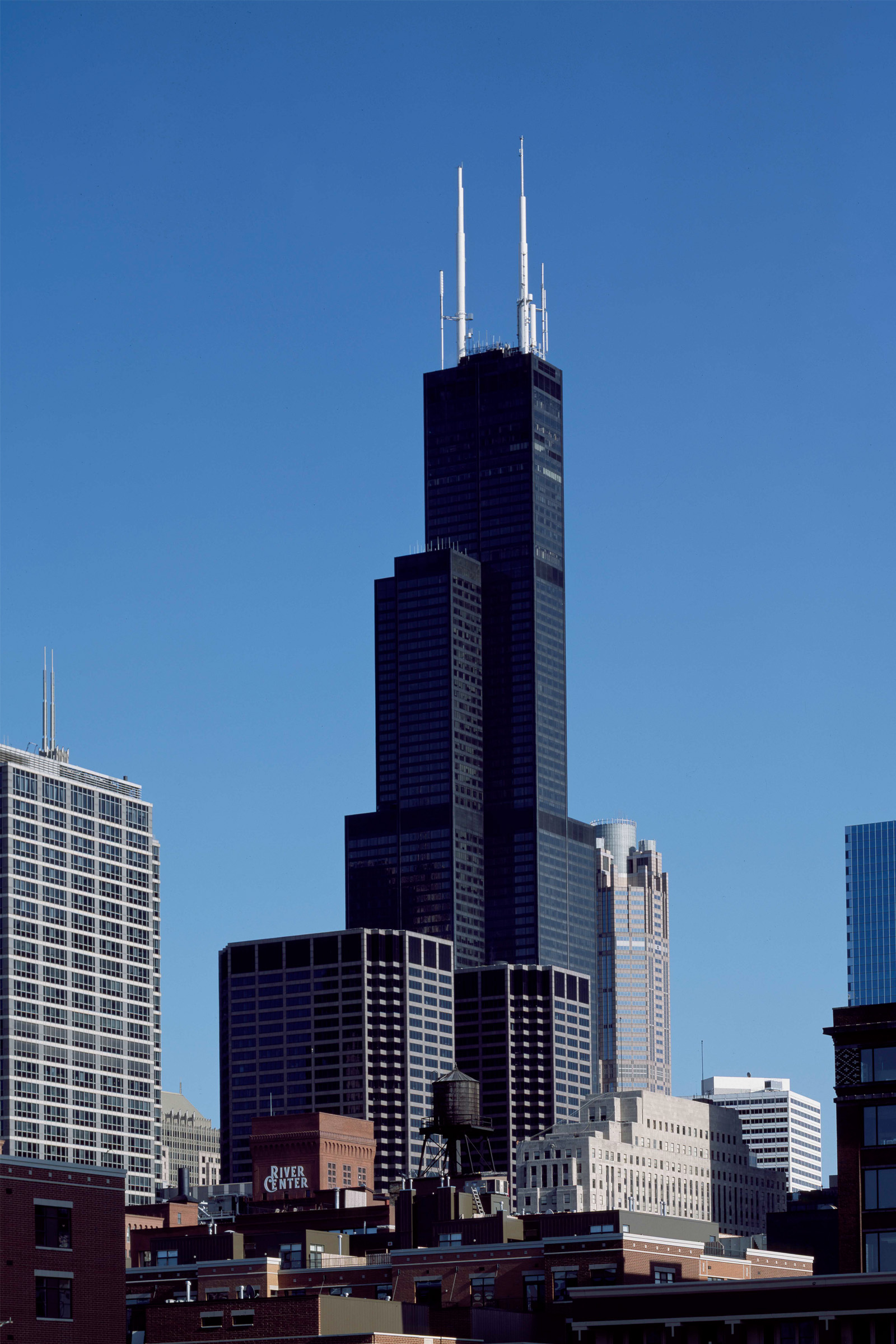
The architectural genius behind its construction lies in the “bundled tube” design. This innovative concept, pioneered by Khan, involved nine square tubes, each essentially a separate skyscraper, rising to varying heights. Two of these tubes extend to the full 110 stories, while others terminate at the 50th, 66th, and 90th floors. This unique configuration provides exceptional stability against the strong winds that sweep across Lake Michigan and gives the tower its distinctive stepped-back silhouette. This approach not only optimized structural efficiency but also allowed for flexible floor plans, catering to the diverse needs of office tenants. The construction process itself was monumental, employing thousands of workers and requiring vast quantities of steel (76,000 tons) and concrete (2.4 million cubic feet). Completed in just three years, its rapid ascent was a marvel of project management and coordinated effort, solidifying its status as a testament to modern engineering.
More Than Just Height: Its Place in Architectural History
The Willis Tower’s impact on architectural history is profound, extending far beyond its simple measurement. It wasn’t just tall; it was a blueprint for future supertalls. The bundled tube system provided a more efficient and economical way to build extremely high structures, a method that would influence subsequent skyscraper designs worldwide. It showcased how buildings could be both massive and elegantly proportioned, functional yet aesthetically striking. Its dark, sleek exterior, composed of anodized aluminum and bronze-tinted glass, makes it a sophisticated counterpoint to the more ornate historical buildings in the Chicago Loop.
For travelers and architecture enthusiasts, the tower serves as an essential case study in urban development and modernism. It represents a pivotal moment when cities pushed the boundaries of vertical expansion, driven by economic prosperity and technological advancement. Understanding its design principles and historical context enriches any visit, transforming it from a mere photo opportunity into an educational journey into the heart of 20th-century architectural thought. It stands as a proud symbol of Chicago’s long-standing tradition as a cradle of skyscraper innovation, a city that has consistently redefined urban landscapes.
From Sears Tower to Willis Tower: A Name, A Legacy, A Landmark
The skyscraper’s identity is intrinsically linked to its names, past and present. The transition from Sears Tower to Willis Tower in 2009 was met with mixed reactions, highlighting the deep emotional connection many Chicagoans and visitors had to its original designation. Yet, both names signify different eras and facets of this enduring landmark.
The Evolution of an Icon’s Identity
Initially named after its primary tenant and developer, Sears, Roebuck and Company, the tower was a symbol of the retail giant’s dominance. It epitomized the ambition and scale of American corporations in the mid-20th century. For decades, “Sears Tower” was synonymous with Chicago, a name recognized globally and proudly asserted by locals. It was more than just a building; it was part of the city’s brand, a point of civic pride.
However, as corporate landscapes shifted, so did ownership. In 2009, the London-based insurance broker Willis Group Holdings (now Willis Towers Watson) secured naming rights as part of a lease agreement. The subsequent renaming to Willis Tower sparked considerable debate and even a touch of resistance. For many, particularly those with nostalgic ties, the building would forever remain the Sears Tower. This phenomenon is not uncommon with iconic landmarks, where historical names often carry more weight than official designations. Nevertheless, the Willis Tower name has gradually gained acceptance, representing the building’s continued evolution as a dynamic hub for various businesses, maintaining its status as a premier office space in the city.
A Catalyst for Chicago’s Urban Landscape
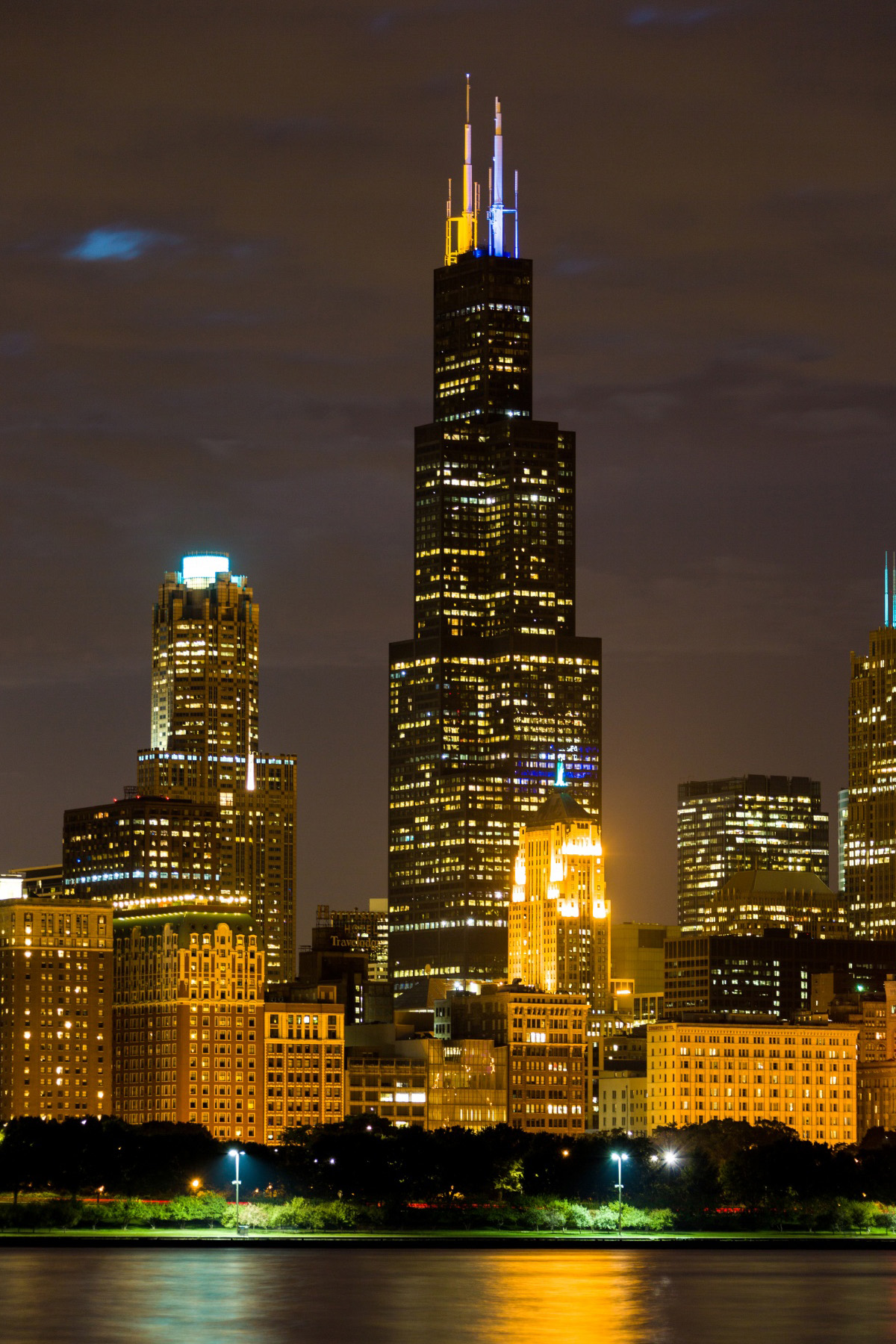
Beyond its names, the tower’s sheer presence has profoundly shaped Chicago’s urban fabric. Its construction further solidified the Chicago Loop as a central business district, attracting businesses and people to its bustling core. The building’s magnitude demanded efficient infrastructure, influencing transportation routes and pedestrian flows in the surrounding areas. Its colossal scale also redefined perceptions of urban density and vertical living, inspiring subsequent developments both within Chicago and across the globe.
From a tourism perspective, the Willis Tower serves as an anchor attraction, drawing visitors into the heart of downtown Chicago. Its towering form acts as a natural compass for exploring the city, visible from countless vantage points and often serving as a reference point in travel guides and maps. Its contribution to the Chicago skyline is undeniable, providing a powerful visual statement that captures the city’s architectural ambition and economic vitality. Whether viewed from the ground, from Lake Michigan, or from other high-rises, it commands respect and admiration, making it a critical component of any comprehensive Chicago travel itinerary.
Ascending to the Skydeck: An Unforgettable Chicago Experience
No discussion of the Willis Tower would be complete without highlighting the unparalleled experience offered by Skydeck Chicago. Located on the 103rd floor, this observation deck is not just a viewing platform; it’s a journey into the clouds, providing breathtaking panoramic vistas that stretch for miles in every direction. For many travelers, visiting the Skydeck is the absolute highlight of their Chicago visit.
The Thrill of The Ledge and Panoramic Views
At 1,353 feet (412 meters) above ground, the Skydeck Chicago offers an exhilarating perspective that few other places in the world can match. On a clear day, visitors can see up to 50 miles in every direction, encompassing four states: Illinois, Indiana, Wisconsin, and Michigan. The intricate grid pattern of Chicago’s streets, the shimmering expanse of Lake Michigan, and the city’s dense cluster of skyscrapers unfold beneath, offering a truly immersive sense of scale.
The undisputed star of the Skydeck experience is The Ledge – a series of four glass-enclosed balconies that extend 4.3 feet (1.3 meters) out from the building’s façade. Stepping onto The Ledge is an adrenaline-pumping moment, as the transparent floor and walls provide an unobstructed view straight down to the streets below. It’s an unforgettable opportunity for photos and a testament to modern architectural daring. The sensation of floating above the city, with nothing but glass between you and the dizzying height, is both terrifying and thrilling, making it a bucket-list item for adventure seekers and casual tourists alike.
Planning Your Visit: Tickets, Times, and Nearby Attractions
To make the most of your Skydeck Chicago adventure, a little planning goes a long way. Tickets can be purchased online in advance, which is highly recommended to save time and secure your preferred entry slot, especially during peak seasons like summer or holidays. Prices vary, with options for general admission, fast passes, or package deals that might include other Chicago attractions. Visiting early in the morning or late in the evening (close to closing time) can help avoid the largest crowds. Sunset views are particularly spectacular but also tend to be the busiest.
The Willis Tower’s prime location in the Chicago Loop means it’s surrounded by a wealth of other attractions. After your ascent, you can easily walk to Millennium Park to see “The Bean” (Cloud Gate) and Crown Fountain, or explore the world-renowned Art Institute of Chicago. The tower is also a short distance from the bustling shopping and dining scene along Michigan Avenue and the cultural institutions of Museum Campus, including the Field Museum, Shedd Aquarium, and Adler Planetarium. Many excellent hotels and accommodation options are available within walking distance or a short ride via the convenient CTA (Chicago Transit Authority), making it easy to integrate a visit into any Chicago itinerary, whether you’re on a luxury trip, a family vacation, or a business stay. Choosing a hotel with a view of the tower can also offer a stunning perspective, particularly at night when its lights shimmer against the urban backdrop.
The Willis Tower in the Context of Global Skyscrapers and Modern Travel
The Willis Tower’s enduring popularity speaks to the magnetic allure of supertall structures in modern tourism. It’s not just a relic of the past; it’s a continuously relevant landmark that offers an experience comparable to the world’s most impressive towers.
A Destination Beyond Just the View
While newer, taller structures like the Burj Khalifa in Dubai or Taipei 101 in Taiwan have since claimed the title of “world’s tallest,” the Willis Tower experience remains distinct and powerful. It represents a different era of skyscraper innovation, one that laid the groundwork for its successors. For travelers interested in architectural history, urban development, or simply stunning vistas, the tower offers a tangible connection to a pivotal moment in global engineering. It competes with other iconic observation decks like the Top of the Rock in New York City or the 360 Chicago at the John Hancock Center by providing a truly unique perspective on a city renowned for its architectural prowess. The interactive exhibits within the Skydeck further enrich the visit, delving into Chicago’s history and the building’s construction. This blend of historical context, architectural significance, and thrilling views elevates the Willis Tower beyond merely a tall building into a comprehensive cultural attraction.
Integrating into Your Chicago Itinerary
For any traveler planning a trip to Chicago, Illinois, the Willis Tower should be a non-negotiable stop. Its central location makes it an ideal starting point for exploring the downtown area, and its views provide an excellent orientation to the city’s layout. Families will find The Ledge an exciting, memorable experience, while architecture buffs will appreciate the historical context and innovative design. Business travelers might find it convenient for quick, impressive views during a short stay, while luxury travelers can combine it with upscale dining in the Loop or a stay at a nearby five-star hotel. Budget travelers can also enjoy the experience by booking tickets in advance and utilizing Chicago’s efficient public transportation system, the CTA.
Ultimately, the Willis Tower, or the Sears Tower as many still fondly call it, remains a monumental Chicago landmark that continues to inspire awe. Its impressive height of 1,450 feet to its roof, and 1,729 feet including its tallest antenna, tells only part of the story. It is a symbol of American ambition, a marvel of engineering, and a top-tier tourist attraction that promises an unforgettable journey above the urban tapestry. No matter your reason for visiting Chicago, experiencing this magnificent skyscraper offers a unique vantage point on history, architecture, and the vibrant life of a truly world-class city.