
The Sears Tower in Chicago, Illinois, stands as a monumental testament to human ingenuity and architectural ambition. For decades, its commanding presence has not only defined the Chicago skyline but also captured the imaginations of visitors and residents alike. Though officially renamed the Willis Tower in 2009, the iconic structure is still affectionately known by its original moniker by many, a nod to its deep-rooted history and lasting legacy. More than just a towering edifice, it represents a pinnacle of structural engineering, a vibrant tourist attraction, and a symbol of Chicago’s enduring spirit of innovation.
As a premier destination for travelers exploring the vibrant city of Chicago, understanding the scale and significance of this landmark is essential. From its record-breaking height to the breathtaking views offered by its observation deck, the Willis Tower provides an experience that combines historical reverence with modern-day thrills. This article delves into the precise measurements of this architectural marvel, explores its fascinating history, highlights its design innovations, and offers insights for integrating a visit into any comprehensive Chicago itinerary, touching upon everything from local culture and food to accommodation options that cater to every lifestyle.
A Skyscraper of Record-Breaking Heights: The Definitive Answer
The question “How tall is the Sears Tower?” is one that resonates with curiosity and wonder, a direct inquiry into the very essence of its fame. This architectural marvel, which once held the title of the world’s tallest building, continues to impress with its sheer scale and the breathtaking vistas it offers from its summit. Its construction marked a pivotal moment in skyscraper design and engineering, pushing the boundaries of what was thought possible in urban development.
The Exact Measurements and Structural Marvel
Standing proudly in the heart of Chicago’s Loop district, the Willis Tower reaches an impressive height of 1,450 feet (442 meters) from its base to the top of its architectural structure. However, this measurement only tells part of the story. When its twin antenna spires are included, the total height escalates to 1,729 feet (527 meters). This makes it not only one of the tallest buildings in the United States but also a prominent feature on the global stage of supertalls. The building boasts 108 stories, though its publicly accessible floors are counted up to 103, where the famous Skydeck Chicago is located.
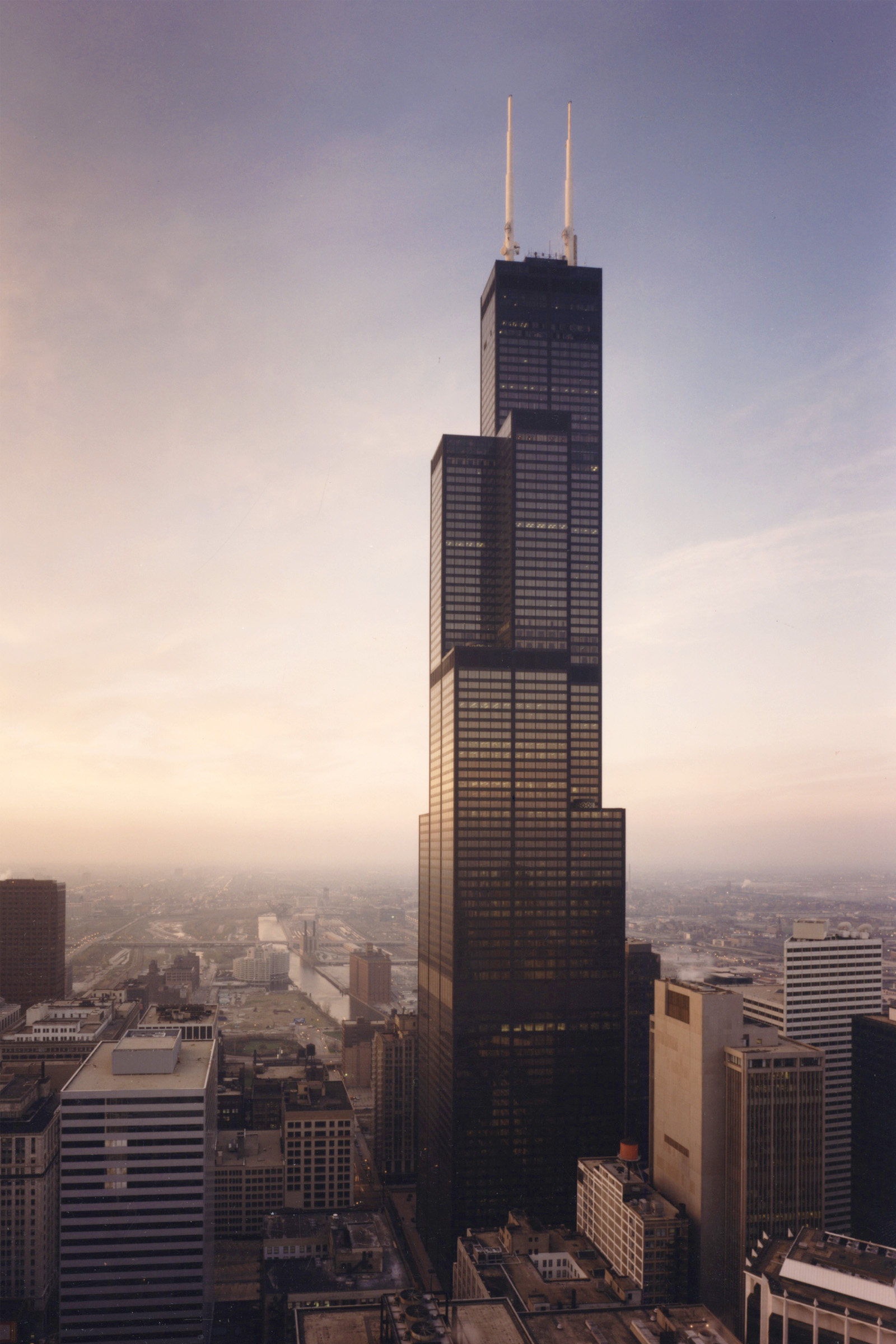
The sheer volume of materials used in its construction is staggering. More than 76,000 tons of steel and 4.5 acres of concrete were utilized, underscoring the colossal effort involved in bringing this vision to life. Its unique bundled-tube structural system, designed by structural engineer Fazlur Rahman Khan of Skidmore, Owings & Merrill (SOM), was revolutionary. This innovative approach allowed for greater structural efficiency and resistance to wind loads, enabling the building to reach unprecedented heights while maintaining stability. The design essentially divides the tower into nine square tubes, which rise to varying heights, creating its distinctive stepped appearance. This not only provided structural integrity but also offered flexibility in arranging interior spaces, setting a new standard for future skyscraper projects worldwide.
From Sears Tower to Willis Tower: A Legacy of Elevation
The building was originally commissioned by Sears, Roebuck and Company (commonly known as Sears), then the world’s largest retailer, to consolidate its thousands of employees into one corporate office. Construction began in August 1970 and was completed in May 1973. Upon its completion, it surpassed the World Trade Center towers in New York City to become the tallest building in the world, a title it proudly held for nearly 25 years until it was surpassed by the Petronas Towers in Kuala Lumpur, Malaysia, in 1998. Subsequent supertalls like Taipei 101 and the Burj Khalifa have since claimed the ultimate height records, but the Sears Tower’s place in history remains undisputed.
The renaming of the Sears Tower to the Willis Tower occurred on July 16, 2009. This change came as a result of a lease agreement by Willis Group Holdings, a global insurance broker, who secured naming rights as part of their occupancy in the building. While the corporate name changed, the emotional connection and historical memory of the “Sears Tower” persist among many, particularly those with a long history in Chicago. This dual identity highlights the building’s enduring cultural impact and its continuous evolution within the modern urban landscape. Despite the name change, its structural integrity, historical significance, and status as a beacon of Chicago’s ambition have only grown.

An Architectural Icon Shaping the Chicago Skyline
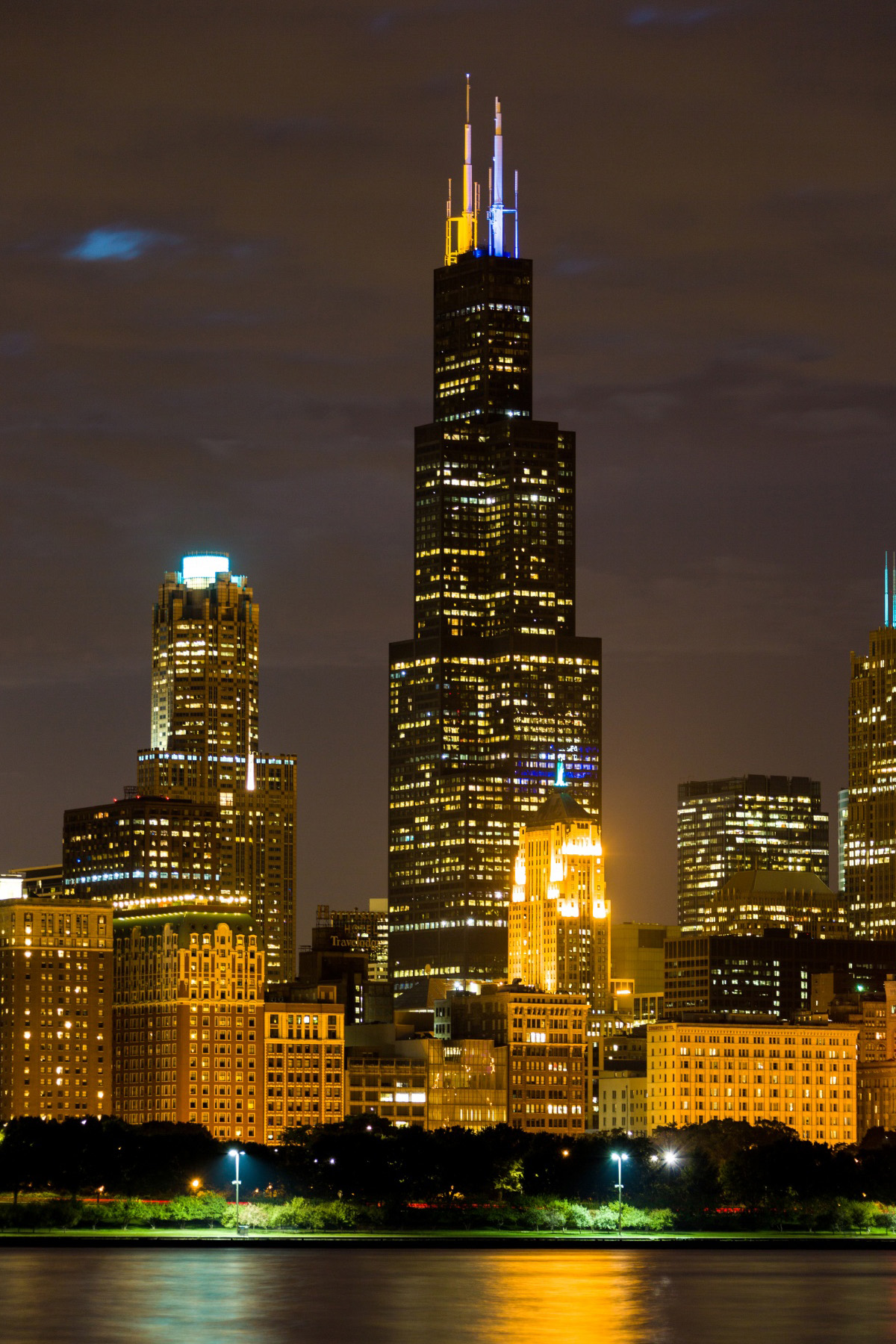
Chicago has long been revered as the birthplace of the skyscraper, a city where architectural innovation is not just admired but actively pursued. The Willis Tower stands as a monumental testament to this legacy, embodying the city’s pioneering spirit and continuous quest for architectural excellence. Its design, engineering, and cultural impact have solidified its place as one of the most significant buildings in the history of architecture.
Engineering Innovation and Design Philosophy
The architectural firm Skidmore, Owings & Merrill (SOM), with architect Bruce Graham and structural engineer Fazlur Rahman Khan leading the charge, were the masterminds behind the Sears Tower’s groundbreaking design. Their bundled-tube system revolutionized skyscraper construction. This system comprises nine square tubes, each essentially a separate building, combined into a single structure. All nine tubes rise 50 stories; then, two drop off, leaving seven. At the 66th floor, two more tubes end, leaving five. The final two tubes drop off at the 90th floor, leaving a single tube that continues to the 108th floor. This tapering design not only provides stability against wind loads but also creates varied floor plates, offering diverse office spaces and contributing to the building’s distinctive silhouette.
This innovative approach allowed for a lighter, more efficient use of steel compared to traditional designs for buildings of similar height. It also maximized column-free interior space, which was highly desirable for corporate tenants like Sears. The design was a paradigm shift, influencing subsequent supertall buildings around the world and establishing SOM as a leader in skyscraper engineering. The aesthetic outcome is as impressive as the structural one: the dark, anodized aluminum and bronze-tinted glass façade gives the tower a commanding yet elegant presence, reflecting the ever-changing Chicago sky.
A Symbol of Chicago’s Pioneering Spirit
For over a century, Chicago has been a living laboratory for architects and engineers, continually pushing the boundaries of urban design. Following the Great Chicago Fire of 1871, the city rebuilt itself with a fervent dedication to innovation, giving rise to the Chicago School of Architecture and a tradition of vertical expansion. The Willis Tower is a direct descendant of this pioneering spirit, a modern masterpiece rooted in a rich historical context.
It stands alongside other iconic Chicago structures such as the John Hancock Center (now 875 North Michigan Avenue), the Wrigley Building, and the Tribune Tower as a symbol of the city’s architectural prowess. These landmarks collectively tell the story of Chicago’s ascent as a global hub of design and construction. The Willis Tower not only contributes to the city’s stunning skyline but also inspires ongoing conversations about sustainable urban development and the future of high-rise living. For architects, engineers, and urban planners, a visit to Chicago is incomplete without studying the profound impact of this majestic structure.
Experiencing the Heights: The Skydeck and Beyond
Beyond its impressive statistics and architectural grandeur, the Willis Tower offers a profoundly immersive experience for millions of visitors annually. The opportunity to ascend to its dizzying heights and gaze upon the vast expanse of Chicago and its surroundings is an essential part of any travel itinerary to the Windy City. The Skydeck Chicago is more than just an observation deck; it’s a window into the urban tapestry and natural beauty of the Midwest.
Unforgettable Views from The Ledge
Perched on the 103rd floor, the Skydeck Chicago provides unparalleled panoramic views extending up to 50 miles on a clear day, encompassing four states: Illinois, Indiana, Michigan, and Wisconsin. Visitors can marvel at the intricate grid of city streets, the winding path of the Chicago River, the vast expanse of Lake Michigan, and the distinct architectural styles of neighboring skyscrapers.
The true highlight for many, however, is The Ledge. Introduced in 2009, The Ledge consists of four glass-bottomed boxes that extend 4.3 feet out from the building’s façade. Standing 1,353 feet (412 meters) above the streets below, stepping into The Ledge offers an exhilarating, heart-pounding sensation of floating in mid-air. It’s an unparalleled photo opportunity and an experience that truly tests the limits of one’s fear of heights, making for an unforgettable memory for families, thrill-seekers, and photography enthusiasts alike. This innovative addition transformed the conventional observation deck experience into an interactive and breathtaking adventure, reinforcing the tower’s status as a must-visit attraction.
Planning Your Visit: Tips for Travelers
To make the most of your Skydeck Chicago experience, strategic planning is key. Here are some tips for travelers:
- Best Time to Visit: To avoid the longest queues, consider visiting early in the morning shortly after opening, or later in the evening. Sunset offers a magical transition from daylight vistas to a glittering cityscape, but it’s also one of the busiest times. Weekdays are generally less crowded than weekends.
- Tickets: It’s highly recommended to purchase tickets online in advance to save time and secure your preferred entry slot, especially during peak travel seasons. Various ticket options are available, including fast-pass access for those on a tight schedule.
- Accessibility: The Willis Tower and Skydeck Chicago are fully accessible for guests with disabilities, ensuring that everyone can enjoy the spectacular views.
- Beyond the View: While waiting for the elevator, enjoy the interactive exhibits that delve into Chicago’s rich history, architectural innovations, and the tower’s construction. These displays provide valuable context and enhance the overall experience.
- Photography: Don’t forget your camera! The views from the Skydeck are incredible, and The Ledge offers unique photo opportunities. Be prepared for reflections on the glass, especially during the day.
A visit to Skydeck Chicago is more than just seeing a tall building; it’s about connecting with the city from an entirely new perspective, appreciating its vastness, and understanding its heart.
Integrating the Willis Tower into Your Chicago Travel Itinerary
The Willis Tower serves as an excellent starting point for exploring the wider wonders of Chicago. Its central location in The Loop makes it easily accessible and positions it perfectly for venturing out to discover the city’s diverse attractions, cultural institutions, and culinary delights. A truly comprehensive Chicago experience involves more than just a single landmark; it’s about weaving together various threads of the city’s rich tapestry.
Exploring Surrounding Attractions and Neighborhoods
Once you descend from the heights of the Willis Tower, you’ll find yourself amidst a vibrant urban landscape brimming with other iconic destinations. Just a short walk or quick public transit ride away, you can immerse yourself in art, history, and natural beauty.
- Millennium Park and Grant Park: These expansive parks are home to famous public art installations, including Cloud Gate (often called “The Bean”), Crown Fountain, and Lurie Garden. They offer beautiful green spaces amidst the urban concrete, perfect for a leisurely stroll or enjoying outdoor events.
- Art Institute of Chicago: One of the oldest and largest art museums in the United States, boasting an extraordinary collection of Impressionist, Post-Impressionist, and American art.
- Chicago River and Architecture Boat Tours: No visit to Chicago is complete without experiencing its world-renowned architecture from the unique perspective of a river cruise. These tours provide fascinating insights into the city’s innovative skyline and the stories behind its most famous buildings.
- Navy Pier: A family-friendly destination offering rides, entertainment, dining, and stunning views of Lake Michigan and the city skyline.
- Museum Campus: South of The Loop, this area houses three of Chicago’s most esteemed institutions: the Field Museum (natural history), the Shedd Aquarium, and the Adler Planetarium.
- Dining and Shopping: The Loop and nearby neighborhoods like River North and the West Loop offer an incredible array of culinary experiences, from Michelin-starred restaurants to classic deep-dish pizza joints. For shopping, the famed Magnificent Mile (part of Michigan Avenue) in Streeterville is just a short trip north.
Exploring these areas allows travelers to appreciate the multifaceted nature of Chicago, balancing breathtaking views with cultural immersion and gastronomic adventures.
Where to Stay: Accommodation Options for Every Lifestyle
Chicago offers a vast spectrum of accommodation options, ensuring that every traveler can find the perfect place to rest and recharge after a day of exploration. Whether you’re seeking luxury, budget-friendly options, or something in between, the city’s diverse hotel landscape caters to all preferences and lifestyles.
- Luxury Stays: For those seeking an indulgent experience, Chicago boasts world-class hotels known for their impeccable service, lavish amenities, and prime locations. Consider properties like The Langham Chicago, known for its elegant design and Chicago River views, or the Four Seasons Hotel Chicago on the Magnificent Mile, offering unparalleled comfort and access to high-end shopping. These hotels often feature exquisite suites, gourmet dining, and spa services, perfect for a luxury travel experience.
- Boutique Hotels: For a more personalized and unique stay, Chicago’s boutique hotels offer distinctive charm and character. The Thompson Chicago in the Gold Coast neighborhood, for instance, provides a stylish retreat with vibrant design and bespoke services, appealing to travelers looking for local culture and unique experiences.
- Family-Friendly Options: Traveling with family requires amenities like spacious rooms, kid-friendly dining, and often a pool. Many hotels, such as the Hilton Chicago near Grant Park, offer family suites, connecting rooms, and convenient access to major attractions, making family trips smooth and enjoyable. Resorts or hotels with expansive facilities can also cater to various age groups.
- Budget-Conscious Travel: Chicago also provides numerous budget-friendly hotels and hostels, particularly outside the immediate downtown core but still with excellent public transport links. These options allow travelers to enjoy the city’s attractions without breaking the bank, demonstrating that memorable experiences don’t always require a hefty price tag.
- Apartment and Long-Term Stays: For longer visits or those who prefer self-catering, serviced apartments and vacation rentals are readily available. These accommodations often come with fully equipped kitchens and living areas, offering a home-away-from-home feel and a deeper dive into local living. This is ideal for business stays or extended tourism experiences.
When selecting accommodation, consider proximity to attractions you plan to visit, public transportation options (Chicago’s CTA train and bus system is excellent), and the specific amenities that enhance your travel style. From luxurious resorts to comfortable apartments, Chicago’s hospitality scene ensures a perfect base for exploring this magnificent city.
In conclusion, the Willis Tower remains a towering symbol of architectural ambition and a must-visit landmark in Chicago. Its impressive height, groundbreaking design, and the thrilling experience of Skydeck Chicago offer a unique perspective on the city. By seamlessly integrating a visit to this iconic structure with explorations of nearby cultural sites, culinary adventures, and a thoughtfully chosen accommodation, travelers can craft an unforgettable Chicago experience that celebrates both its historical grandeur and its vibrant contemporary lifestyle. Whether you know it as the Sears Tower or the Willis Tower, its presence on the skyline of Illinois’s largest city is undeniably captivating and a true highlight of North America.