
Navigating the process of obtaining a resale certificate in Florida can seem daunting, especially for businesses involved in the vibrant tourism and accommodation sectors. Whether you’re a boutique hotelier in Miami, a tour operator in the Everglades, or a vendor supplying goods to the bustling hospitality industry, understanding and securing this crucial document is essential. A resale certificate, also known as a sales and use tax exemption certificate, empowers businesses to purchase goods and services for resale without paying sales tax. This significantly impacts your bottom line, allowing you to invest more in guest experiences, property upgrades, or expanding your offerings across the Sunshine State’s diverse attractions.
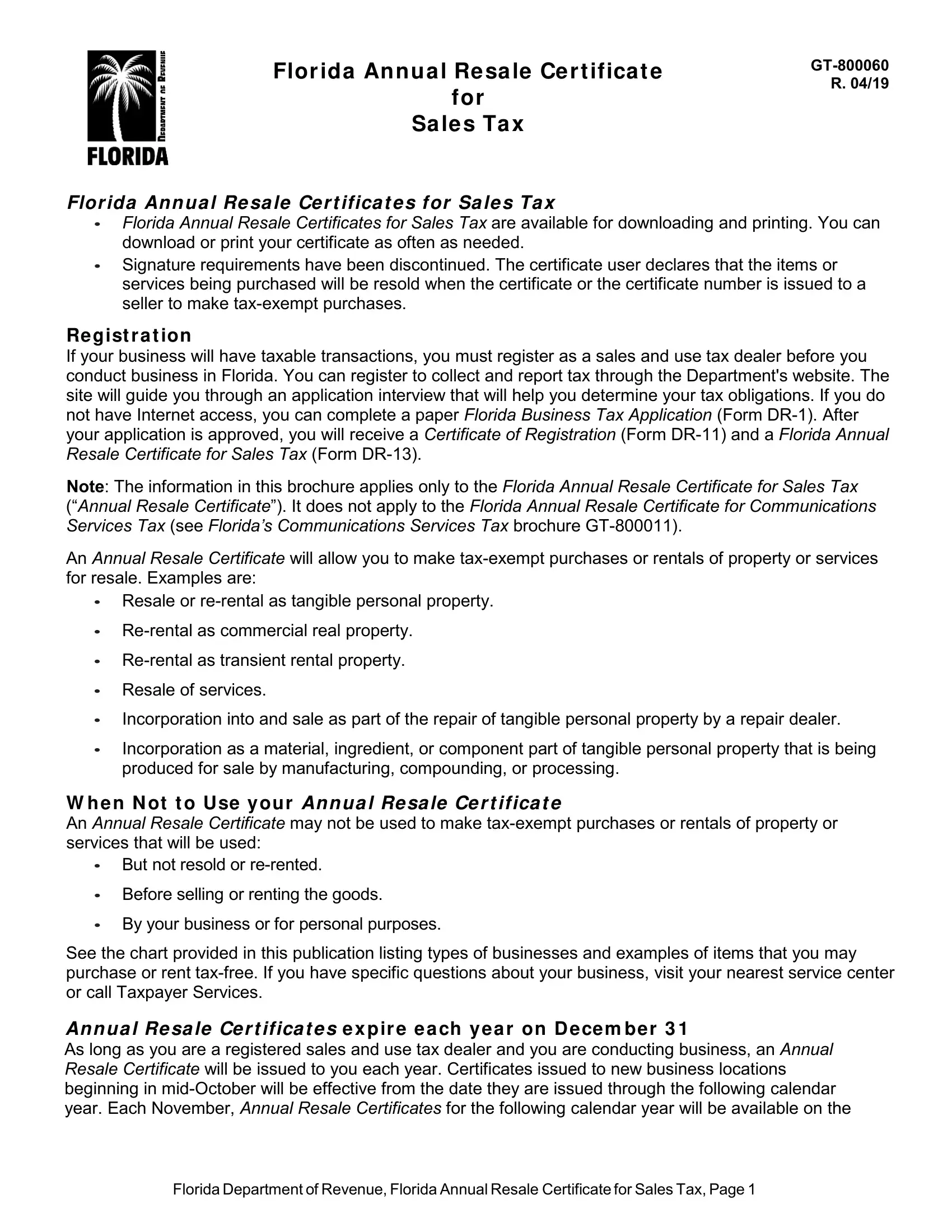
This guide aims to demystify the application process, breaking it down into manageable steps. We’ll explore the eligibility criteria, the necessary documentation, and the avenues through which you can submit your application. For anyone operating within Florida’s dynamic travel, tourism, and accommodation landscape, this information is not just helpful – it’s foundational to efficient and profitable business operations.
Understanding the Resale Certificate in Florida
A resale certificate in Florida is a vital document that allows registered businesses to purchase tangible personal property or taxable services from other registered businesses without paying Florida sales tax. The underlying principle is that sales tax is ultimately paid by the end consumer. When a business acquires items with the intention of reselling them, they are essentially acting as a conduit for the eventual tax collection from the customer. Therefore, they are exempt from paying sales tax at the point of purchase on these specific items.
Who Needs a Resale Certificate?
Any business that intends to resell tangible personal property or taxable services in Florida should obtain a resale certificate. This broad category encompasses a wide array of enterprises within the travel and hospitality sectors.
- Hotels and Accommodation Providers: Hotels, resorts, vacation rental agencies, and even apartment complexes that sell ancillary goods or services (like souvenirs, toiletries, or package deals) may need a resale certificate. For instance, if a resort in Orlando sells branded merchandise or provides taxable services beyond the core accommodation, they can use a resale certificate for purchasing those items.
- Tour Operators and Travel Agencies: Businesses that organize tours, offer package deals including meals or attraction tickets, or sell travel-related merchandise can utilize resale certificates to purchase items for resale. A tour operator specializing in exploring the historic sites of St. Augustine might purchase souvenirs to sell to their clients, thus benefiting from the exemption.
- Retailers of Travel-Related Goods: This includes shops selling souvenirs, beachwear, travel accessories, or even books about Florida’s landmarks and attractions. If these items are purchased from a wholesaler for the purpose of resale, a resale certificate is indispensable.
- Event Organizers and Caterers: Businesses that cater events or organize festivals, especially those prevalent during the peak tourist seasons in cities like Tampa or on islands like the Florida Keys, can use resale certificates to purchase food, beverages, decorations, or other taxable items intended for sale at their events.
- Businesses Offering Additional Taxable Services: Beyond direct retail, many businesses in the lifestyle and tourism sector offer supplementary services. For example, a luxury resort offering spa treatments or a car rental company might use a resale certificate to purchase the supplies and products necessary for these taxable services, provided these items are consumed in the process of providing the service that will be taxed.
It’s crucial to distinguish between purchasing items for your own business use and purchasing items for resale. For instance, a hotel purchasing cleaning supplies for its own housekeeping staff would generally pay sales tax on those supplies, as they are not being resold. However, if the hotel sells small amenity kits to guests, those kits would be eligible for purchase using a resale certificate.
The Importance of Proper Use
Misusing a resale certificate can lead to significant penalties, including back taxes, interest, and fines. It is only permissible to use a resale certificate for the purchase of items that will be resold to another person or business. Using it for items that will be consumed by the business itself or given away as promotional items (unless the promotional items are part of a taxable sale) is illegal. The Florida Department of Revenue strictly enforces these regulations.
The Application Process: Step-by-Step
Securing a resale certificate in Florida primarily involves registering your business with the Florida Department of Revenue and obtaining a sales and use tax permit. The resale certificate itself is not a separate application but rather a function of having a valid sales tax permit.
Step 1: Obtain a Federal Employer Identification Number (EIN)
Before you can register with the state, most businesses need a Federal Employer Identification Number (EIN), also known as a Taxpayer Identification Number (TIN). This number is issued by the Internal Revenue Service (IRS) and is used to identify a business entity. You can apply for an EIN online for free through the IRS website. This is a fundamental step for any business operating in the United States, especially those engaging in commerce that involves taxation.
Step 2: Register Your Business with the Florida Department of Revenue
Once you have your EIN, you need to register your business with the Florida Department of Revenue. This is done by applying for a sales and use tax permit.
-
Online Registration: The most efficient way to register is through the Florida Department of Revenue’s online portal, known as “My Florida Tax”. This system allows you to create an account and submit your application electronically. You will need to provide detailed information about your business, including:
- Business name and address
- Legal structure of your business (sole proprietorship, partnership, corporation, LLC, etc.)
- Federal Employer Identification Number (EIN)
- Contact information for the business owner or responsible party
- Nature of your business activities (e.g., hotel, tour operator, retail store)
- Expected sales volume and the types of goods or services you will be selling.
-
Required Information: Be prepared to provide comprehensive details. For example, if you own a beachfront resort in Clearwater Beach, you’ll need to detail all revenue-generating activities. If your business has a physical presence in Florida, you will also need to provide details about your business location.
Step 3: Receive Your Sales and Use Tax Permit
Upon successful registration and approval, the Florida Department of Revenue will issue you a sales and use tax permit. This permit is your official authorization to collect and remit sales tax in Florida. It will contain your unique account number, which is crucial for all tax-related filings and transactions.
Step 4: Obtaining and Using Resale Certificates
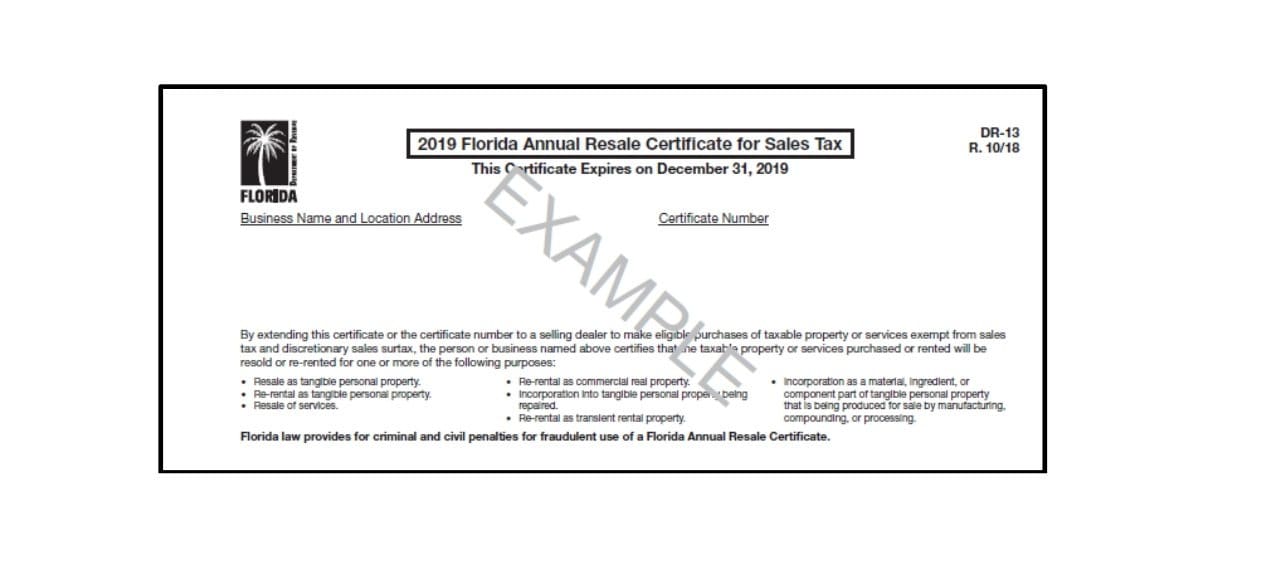
With your sales and use tax permit in hand, you can now issue resale certificates to your suppliers.
- Supplier’s Responsibility: When you make a purchase that you intend to resell, you will provide your supplier with a completed resale certificate. This certificate essentially states that you are a registered dealer and that the goods purchased are for resale. The supplier will keep this certificate on file as their proof of exemption from collecting sales tax on that particular transaction.
- Standard Forms: The Florida Department of Revenue provides a standard form for resale certificates, often referred to as “Form DR-14, Sales and Use Tax Application for a Consumer’s Certificate of Exemption”, which can be used for various exemption purposes, including resale. You can download this form or obtain it directly from the department’s website.
- Information to Include on the Certificate: When filling out a resale certificate for your supplier, you will need to include:
- Your business name and address
- Your sales and use tax permit number
- A description of the goods or services being purchased for resale
- Your signature and the date.
Key Point: It’s vital to understand that the resale certificate is a declaration made by the buyer to the seller. The seller relies on this declaration to justify not charging sales tax. If the buyer then uses the goods for untaxed purposes, the responsibility and liability fall on the buyer.
Alternatives and Special Considerations
While the primary method for obtaining resale privileges involves registering for a sales and use tax permit, there are some nuances and related considerations, especially for businesses operating in niche areas of the travel and lifestyle industries.
Businesses with Minimal Sales Tax Liability
Some small businesses, particularly those that might primarily offer services or have very infrequent sales of taxable items, may wonder if they need a resale certificate. Even if your taxable sales are minimal, if you are purchasing items for resale, you are legally required to obtain a sales tax permit and, consequently, can use resale certificates. The exemption is tied to the intended use of the purchased goods.
Out-of-State Businesses Selling into Florida
If your business is based outside of Florida but you make sales into the state, you may have “economic nexus” requirements. This means if your sales volume or transaction count into Florida reaches a certain threshold, you are required to register with the Florida Department of Revenue and collect and remit sales tax. In such cases, you would apply for a Florida sales and use tax permit and could then use resale certificates for eligible purchases. This is particularly relevant for online travel agencies or accommodation booking platforms that operate nationally.
Special Exemptions and Certificates
Beyond the general resale certificate, Florida offers other exemption certificates for specific situations. For instance, there are exemptions for certain agricultural products, manufacturing equipment, or purchases made by qualifying non-profit organizations. While these are not resale certificates per se, it’s good to be aware that other tax exemptions exist and might apply to your specific business operations if you fall into a particular category within the broader tourism or lifestyle sectors. Understanding these can help optimize tax liabilities.
For example, a boutique hotel in the Florida Keys that sources local artisanal products for its gift shop can use a resale certificate for those purchases. If they also engage in educational workshops about local marine life, understanding any specific exemptions for educational materials or supplies could further benefit their operational costs.

Maintaining Compliance
Once you have your sales and use tax permit and are utilizing resale certificates, ongoing compliance is critical. This includes:
- Accurate Record-Keeping: Maintain detailed records of all purchases made using resale certificates, including invoices, the certificates themselves, and documentation of the subsequent resale.
- Timely Tax Filings: You will be required to file sales and use tax returns periodically (monthly, quarterly, or annually, depending on your sales volume) with the Florida Department of Revenue, reporting all taxable sales and remitting the collected tax.
- Audits: Be prepared for potential audits by the Florida Department of Revenue. Having meticulous records will make this process smoother.
By diligently following these steps and understanding the regulations, businesses involved in Florida’s vibrant tourism, accommodation, and lifestyle industries can effectively leverage resale certificates to manage their tax obligations and enhance their profitability. This allows for greater investment back into the very experiences that attract visitors to the state, from the theme parks of Orlando to the sun-drenched beaches of South Florida.