
California, a state renowned for its sprawling beaches, iconic Hollywood glamour, breathtaking national parks like Yosemite, and vibrant urban centers such as Los Angeles and San Francisco, offers an unparalleled array of experiences for residents and visitors alike. From the luxury resorts of Beverly Hills to the quaint charm of Carmel-by-the-Sea, the Golden State truly embodies a diverse lifestyle. However, amidst this backdrop of natural beauty and cultural richness, it’s also a place where many individuals and families face the challenge of food insecurity. Understanding the social safety nets available, particularly the CalFresh program (also known as food stamps), is crucial for maintaining a stable and fulfilling life in California, whether you’re a long-term resident, considering a permanent move, or even a traveler planning an extended stay and exploring local resources.
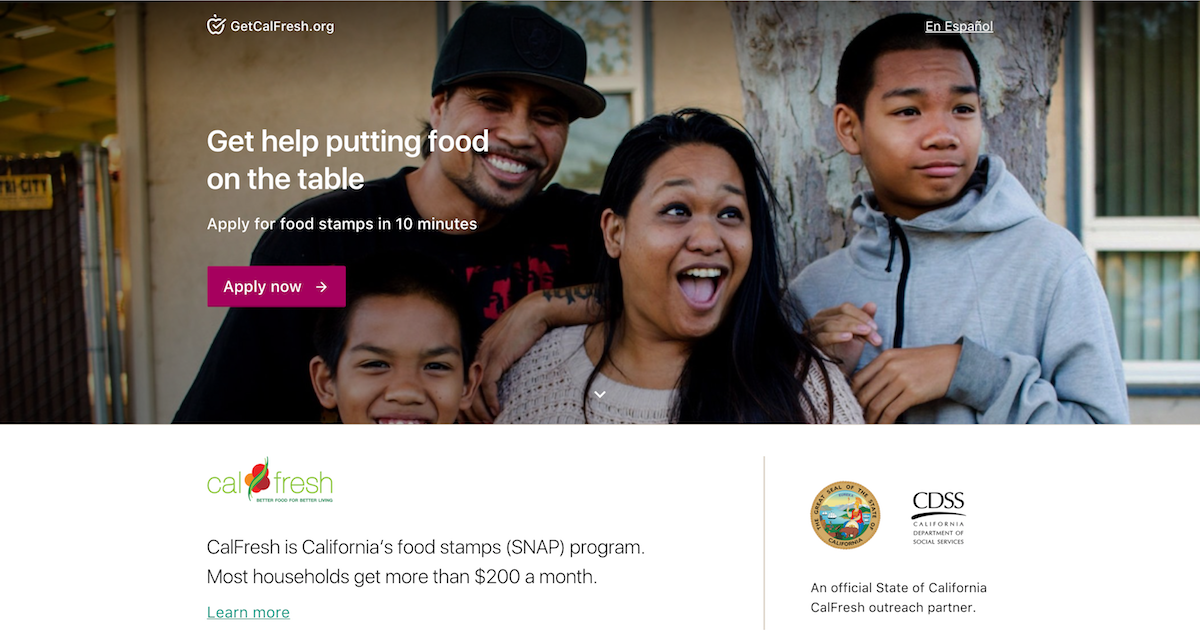
While our platform, Life Out of the Box, typically focuses on travel, hotels, tourism, accommodation, landmarks, and various lifestyles—from luxury adventures to budget-conscious explorations—we recognize that a comprehensive understanding of a destination also includes its societal infrastructure. For those who choose California as a temporary base for remote work, a place for an extended sabbatical, or a new home, knowing about essential support systems like CalFresh can be invaluable. This guide aims to demystify the application process for food stamps in California, ensuring that individuals and families can secure basic necessities and focus on thriving within the state’s vibrant environment.
Understanding CalFresh: California’s Food Assistance Program
CalFresh is California’s implementation of the federally funded Supplemental Nutrition Assistance Program (SNAP), often referred to as food stamps. This vital program helps low-income individuals and families purchase healthy food. It’s designed to supplement a household’s food budget, enabling them to afford nutritious meals they might otherwise struggle to access. The benefits are provided on an Electronic Benefit Transfer (EBT) card, which works much like a debit card and can be used at most grocery stores, farmers’ markets, and even some online retailers. For many, CalFresh isn’t just a safety net; it’s a foundation that allows them to allocate resources to other essential aspects of life, whether it’s housing in San Diego, transportation in Sacramento, or even modest local tourism in Santa Monica.
Eligibility Requirements for CalFresh
To be eligible for CalFresh benefits in California, applicants must meet specific criteria related to income, residency, and citizenship status. These guidelines are set by both federal and state regulations, but they are generally designed to assist those most in need.
- Income Limits: The primary determinant for eligibility is a household’s gross and net income. Typically, a household’s gross monthly income (before deductions) must be at or below 200% of the federal poverty level (FPL), and net monthly income (after deductions) must be at or below 100% of the FPL. These figures vary based on household size and are updated annually. For example, a single individual or a family of four will have different income thresholds.
- Residency: Applicants must be residents of California. This means you must intend to reside in the state, even if temporarily, and not be receiving SNAP benefits from another state simultaneously. For those considering an extended stay in places like Palm Springs or Lake Tahoe, establishing residency might be a step towards accessing such local resources.
- Citizenship/Immigration Status: While primarily for U.S. citizens, certain legal non-citizens, such as lawful permanent residents, refugees, asylees, and victims of trafficking, may also be eligible. There are specific rules regarding children in mixed-status families.
- Work Requirements: Generally, able-bodied adults without dependents (ABAWDs) are subject to work requirements, meaning they must be working, participating in a work program, or volunteering for a certain number of hours per week. However, there are many exemptions to these rules.
- Specific Exclusions: Individuals receiving Supplemental Security Income (SSI) may have different eligibility pathways, and certain students may need to meet additional criteria. Homeless individuals are also eligible and encouraged to apply.
Understanding these requirements is the first crucial step. The specific income thresholds are often available on county social services websites, such as those for Alameda County or Orange County, or through the statewide BenefitsCal portal.
The Application Process: A Step-by-Step Guide
Applying for CalFresh can seem daunting, but California has streamlined the process to make it as accessible as possible. Whether you’re in a bustling metropolis like San Jose or a more rural community, the steps are largely similar.
How to Apply for CalFresh
There are several convenient ways to submit a CalFresh application, catering to different needs and access levels.
- Online (Recommended): The most common and often quickest method is to apply online through the official BenefitsCal website. This portal allows you to apply for multiple benefits, including CalFresh, Medi-Cal, and CalWORKs, all in one place. The online application guides you through a series of questions about your household, income, and expenses. It’s accessible 24/7, making it convenient for anyone, from those on a tight schedule exploring Universal Studios Hollywood to individuals managing family responsibilities.
- In Person: You can visit your local county social services agency to apply in person. Each of California’s 58 counties has at least one office where you can pick up an application, receive assistance with filling it out, and submit it directly. For example, residents of San Francisco would visit the San Francisco Human Services Agency, while those in Los Angeles would go to a Los Angeles County Department of Public Social Services office. Applying in person can be beneficial if you have complex questions or prefer direct interaction.
- By Mail or Fax: Applications can be printed from the BenefitsCal website or picked up at a county office, filled out, and then mailed or faxed to your local county social services agency. This method offers flexibility for those who may not have consistent internet access or reliable transportation.
Required Documents
To process your application, the county will need various documents to verify your eligibility. While the specific list might vary slightly, generally you should be prepared to provide:
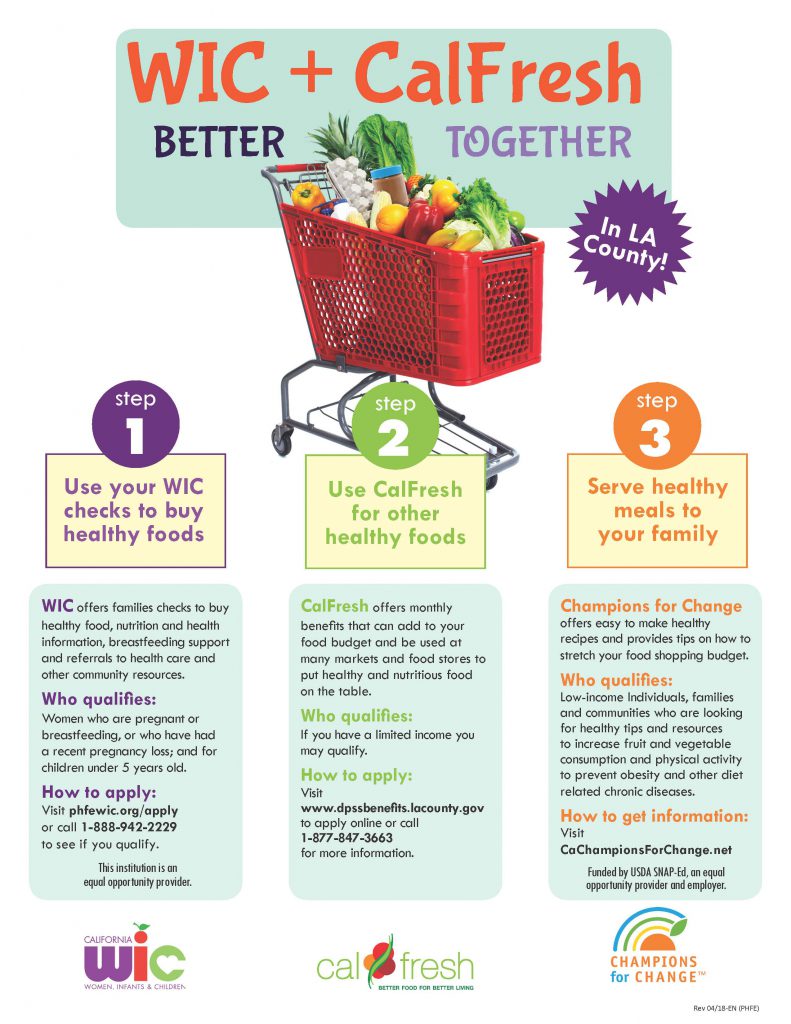
- Proof of Identity: A valid form of identification, such as a driver’s license, state ID card, or passport.
- Proof of Residency: Documents showing you live in California and your current address, such as a utility bill, rental agreement, or mail with your name and address.
- Proof of Income: Pay stubs, employer statements, benefit award letters (e.g., Social Security, unemployment), or self-employment records.
- Proof of Assets (if applicable): Bank statements or other financial records, although asset limits are generally not a primary factor for most CalFresh applicants.
- Proof of Expenses: Documents showing your shelter costs (rent/mortgage), utility bills, child care costs, and medical expenses (for those over 60 or with disabilities) can help increase your benefit amount.
- Social Security Numbers: For all household members applying for benefits.
- Citizenship/Immigration Status Documents: For all non-citizen household members.
The Interview and EBT Card
After submitting your application, a county eligibility worker will contact you for an interview. This interview can be conducted over the phone or in person, and it’s an opportunity for the worker to clarify information on your application and ask any additional questions. It’s crucial to attend or reschedule this interview to avoid delays or denial of your benefits.
If approved, you will receive an EBT card in the mail. This card is loaded with your monthly CalFresh benefits and can be used like a debit card at most grocery stores and farmers’ markets. You will receive a Personal Identification Number (PIN) to access your benefits securely. Remember to keep your EBT card and PIN safe.
Navigating the Application with Ease
Applying for assistance can be a complex process, but a few tips can help smooth the way.
- Prepare Your Documents in Advance: Gathering all necessary documents before starting your application will save time and prevent delays. Creating a folder for these documents can be helpful.
- Be Thorough and Honest: Provide accurate and complete information. Any discrepancies or missing details can prolong the application process.
- Ask Questions: If you’re unsure about any part of the application, don’t hesitate to ask for clarification. County staff are there to help. Many counties, including Riverside County and San Bernardino County, also offer community-based organizations that provide application assistance.
- Track Your Application: Keep a record of your application submission date and any reference numbers. You can often check the status of your application online via BenefitsCal or by calling your county office.
- Report Changes Promptly: If your household income, size, or living situation changes after you apply or start receiving benefits, report these changes to your county office as soon as possible to ensure your benefits are accurate.
CalFresh and the California Lifestyle: A Broader Perspective
While the direct purpose of CalFresh is food assistance, its existence and the understanding of its process have broader implications for anyone considering the diverse lifestyle opportunities California offers. From the allure of Disneyland in Anaheim to the serene vineyards of Napa Valley, experiencing California often comes with a cost. For those managing budgets or facing transitional periods, understanding local resources like CalFresh can significantly impact their ability to thrive and even engage with the local culture.
Budgeting for Long-Term Stays and Relocation
For individuals and families relocating to California or planning extended stays—perhaps for work, study, or simply a change of scenery—financial planning is paramount. California’s cost of living, particularly in major metropolitan areas like Oakland, Long Beach, or Fremont, can be substantial. Understanding programs like CalFresh provides a critical safety net. For those establishing new roots, knowing that essential food needs can be supported allows for a greater allocation of resources towards securing accommodation, managing transportation costs, or even setting aside funds for exploring local attractions. This proactive approach to financial stability is a key aspect of responsible long-term living and contributes to a less stressful transition into the Californian lifestyle. Whether you’re considering a short-term rental in Santa Cruz or purchasing property in Pasadena, having a clear picture of available support is part of a comprehensive budget strategy.
Exploring Local Culinary Experiences on a Budget
Food is an integral part of culture and travel. California’s culinary scene is world-renowned, from Michelin-starred restaurants in San Francisco to vibrant street food in Echo Park. While CalFresh benefits are for grocery purchases and not for dining out, the program indirectly enables residents to free up other household funds that might then be used for more modest, local culinary experiences. For instance, if a household’s grocery budget is supplemented, they might be able to afford a visit to a local cafe in Berkeley, try a regional delicacy from a food truck in Venice Beach, or enjoy a special meal celebrating a unique local flavor. Furthermore, many farmers’ markets across California, from the Ferry Building Marketplace in San Francisco to smaller community markets, accept EBT cards. This allows CalFresh recipients to access fresh, locally grown produce, supporting local agriculture and experiencing a vibrant aspect of Californian culture. It fosters an connection to the local food system, enhancing one’s overall experience of the region.
Understanding Community Resources Across California’s Regions
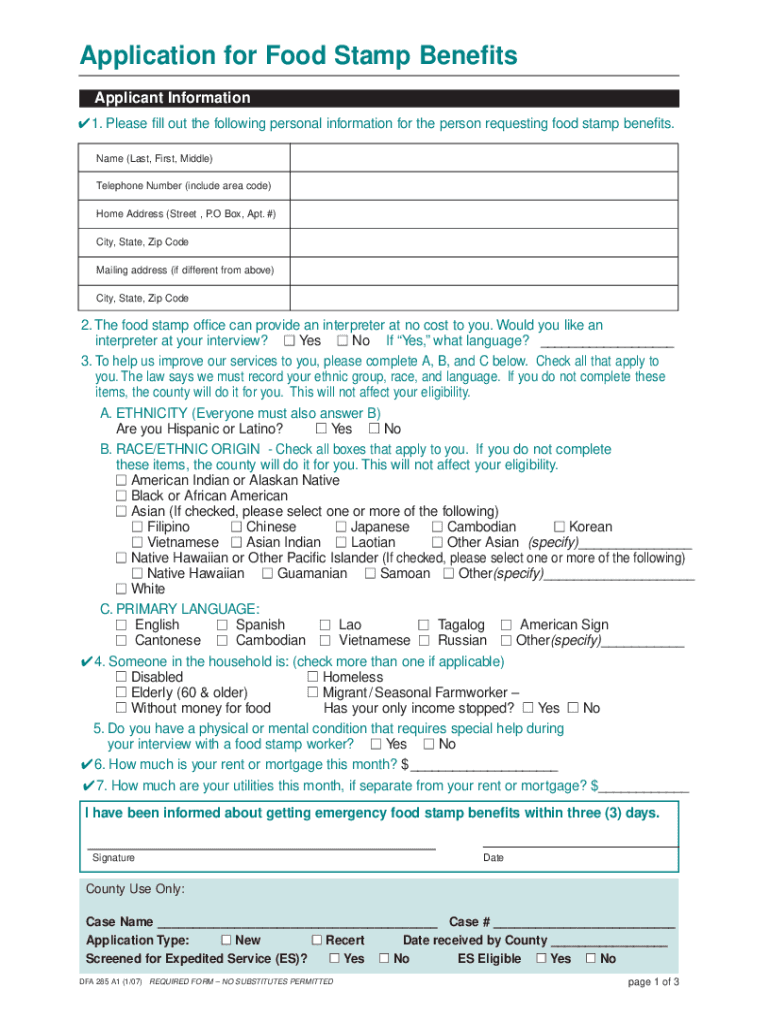
California is a vast and diverse state, with unique characteristics defining each region, from the tech hubs of Silicon Valley to the agricultural heartland of the Central Valley. While the core CalFresh program operates statewide, the specific delivery of services and the availability of additional local support might vary slightly by county. Understanding these nuances is part of a holistic approach to living or staying in California. For instance, a family in Fresno County might have access to different local food banks or community assistance programs compared to someone in Marin County. Our focus on comprehensive travel guides and lifestyle tips extends to informing our readers about the practical aspects of integrating into a community. Knowing about CalFresh and other social services is not just about need; it’s about being informed and prepared, whether you’re exploring career opportunities in Sunnyvale, seeking educational pursuits in Davis, or simply enjoying a peaceful retirement in Ventura. It provides a deeper appreciation for the local fabric and how communities support their members.
In conclusion, while the glitz and glamour of California often dominate perceptions, the reality for many residents includes navigating financial challenges. The CalFresh program offers essential support, ensuring food security for low-income individuals and families. Understanding how to apply for food stamps in California is not just a practical guide to welfare; it’s a vital piece of information for anyone seeking a stable and fulfilling life within the state, whether as a permanent resident or during an extended stay. By addressing fundamental needs, CalFresh enables people to more fully engage with the diverse lifestyle, cultural experiences, and opportunities that make California such a captivating place to call home, even temporarily.