
For many, Florida isn’t just a travel destination; it’s a dream lifestyle. From the sun-kissed beaches of Miami and Sarasota to the vibrant theme parks of Orlando, the Sunshine State beckons with promises of perpetual warmth, exciting adventures, and a relaxed way of life. Whether you’ve visited countless times, stayed in various Florida hotels and resorts, or simply been captivated by its allure, the decision to make it your permanent home is often accompanied by the desire to fully integrate into its unique rhythm. A crucial step for any long-term resident, especially those looking to own property, is understanding and applying for the Florida Homestead Exemption. This isn’t just a legal formality; it’s a pathway to significant property tax savings that can enhance your quality of life and provide greater financial freedom to enjoy all that Florida has to offer.
Settling down in a new state, particularly one as dynamic as Florida, involves more than just finding the perfect house or apartment. It’s about embracing a new lifestyle, understanding local customs, and leveraging available benefits to make your long-term stay as comfortable and cost-effective as possible. The homestead exemption is a cornerstone of this financial planning for homeowners. It’s a benefit designed to reduce the taxable value of your primary residence, leading to lower annual property tax bills. For those who have journeyed to Florida seeking a permanent change of scenery, whether for retirement, family life, or business opportunities, this exemption can translate into substantial savings over the years, freeing up funds for travel, local tourism, or simply enjoying the unparalleled Florida experience.
This guide will walk you through the intricacies of applying for the homestead exemption in Florida. We’ll cover everything from eligibility requirements to the application process, ensuring you have all the information needed to secure this valuable benefit. By understanding how to properly apply, you’re not just saving money; you’re investing in your Florida lifestyle, ensuring that your home remains a sanctuary and a stepping stone to countless adventures across the state.
Embracing the Florida Lifestyle: Understanding Homestead Exemption
Making Florida your home is a lifestyle choice that often comes after experiencing its unique blend of culture, nature, and entertainment. From exploring the historic streets of St. Augustine to diving into the clear waters of the Florida Keys, the possibilities for adventure are endless. But beyond the vibrant attractions, a pragmatic approach to homeownership is essential. The homestead exemption stands as a beacon of financial relief for property owners, making the dream of living in Florida even more accessible and sustainable.
What is the Florida Homestead Exemption?
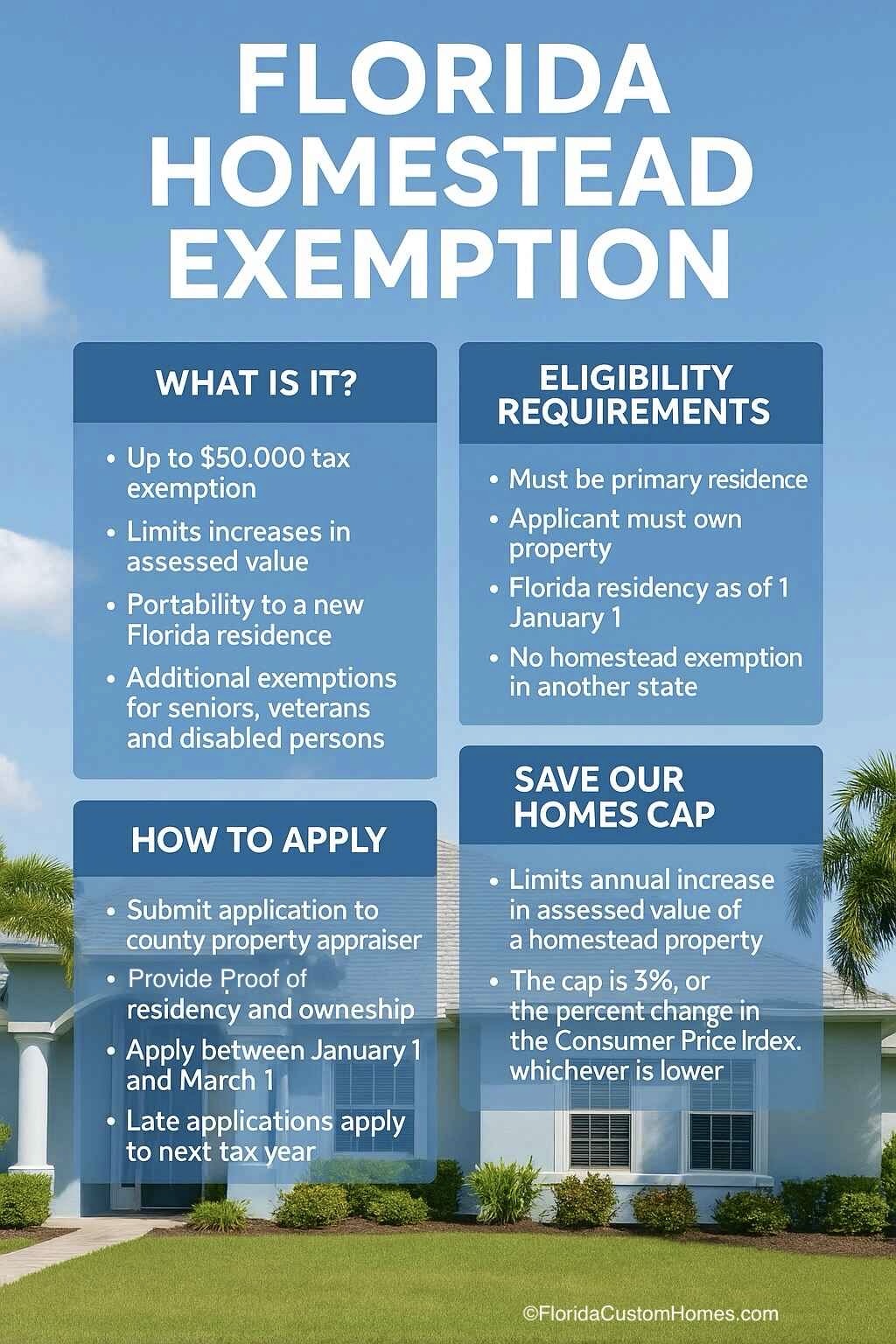
At its core, the Florida Homestead Exemption is a provision in state law that allows permanent residents who own and reside in a property as their primary home to reduce its assessed value for property tax purposes. Specifically, it grants a reduction of up to $50,000 off the assessed value of the property. This means that if your home is assessed at $300,000, for tax calculation purposes, it would be treated as if its value were $250,000 (or less, depending on how the exemption tiers are applied). The result is a lower tax bill, freeing up funds that can be reinvested into your lifestyle, perhaps for a weekend getaway to Naples, a culinary tour in Fort Lauderdale, or tickets to a show in Jacksonville.
This exemption is enshrined in the Florida Constitution, reflecting the state’s commitment to supporting its residents. It’s more than just a tax break; it’s a policy designed to protect homeowners, providing a sense of security and stability. For families moving to Florida, retirees seeking tranquility, or young professionals looking for vibrant communities like Tampa, the homestead exemption significantly lowers the cost of homeownership, making the transition smoother and the long-term stay more affordable.
Why the Homestead Exemption is Key for Your Florida Home
The financial implications of the homestead exemption are substantial. Property taxes can be a significant recurring expense for homeowners, and any reduction directly impacts your annual budget. For travelers who decide to make Florida their permanent residence, understanding this benefit is paramount. It allows you to free up capital that might otherwise be allocated to taxes, enabling you to explore more local culture, dine at exquisite restaurants, or even save for future travels beyond the state’s borders.
Beyond the immediate tax savings, the homestead exemption also provides a crucial layer of protection against creditors, except for property taxes, mortgages, and specific mechanic’s liens. This asset protection is a vital component of Florida law, safeguarding your primary residence against unforeseen financial difficulties. This peace of mind allows residents to truly settle into their Florida lifestyle, whether it involves enjoying the pristine natural beauty of Everglades National Park or experiencing the magic of Walt Disney World Resort and Universal Orlando Resort. It empowers homeowners to live more freely, knowing their most valuable asset is protected.
Furthermore, the “Save Our Homes” amendment, often associated with the homestead exemption, provides an additional cap on how much your assessed property value can increase each year (capped at 3% or the Consumer Price Index, whichever is lower). This protects homeowners from drastic spikes in property taxes, especially in booming real estate markets common in desirable Florida locales like Palm Beach or Daytona Beach. This long-term stability is invaluable for anyone planning a future in Florida, ensuring that rising property values don’t inadvertently price them out of their own homes.
Eligibility and the Path to Becoming a Florida Resident
Establishing residency in Florida is an exciting journey, often marking the culmination of visits and explorations that led you to fall in love with the state. Whether you’re moving from another country or another U.S. state, understanding the specific requirements for the homestead exemption is critical. It’s not merely about owning property; it’s about demonstrating your commitment to making Florida your permanent home.
Core Requirements for Your Application
To qualify for the homestead exemption, several key criteria must be met, all centering on the concept of primary residency. The Property Appraiser’s office in your respective county will rigorously evaluate these points to determine your eligibility.
- Ownership: You must own the property as of January 1st of the year for which you are applying. This means your name must be on the deed or other ownership documents.
- Primary Residence: The property must be your permanent, primary residence as of January 1st of the application year. This is the most crucial requirement. It cannot be a second home, a vacation rental, or an investment property. Your intent to establish permanent residency in Florida must be evident.
- Florida Residency: You must be a legal resident of Florida. This involves severing ties with previous states or countries of residence and establishing strong ties to Florida.
The concept of “primary residence” goes beyond simply living in the home. It requires demonstrating intent. This is where the website’s focus on lifestyle, long-term stays, and establishing a life in Florida becomes particularly relevant. The state wants to ensure that those benefiting from the exemption are truly contributing to the local community and economy, not just using it as a temporary retreat.
Key Documents to Prepare
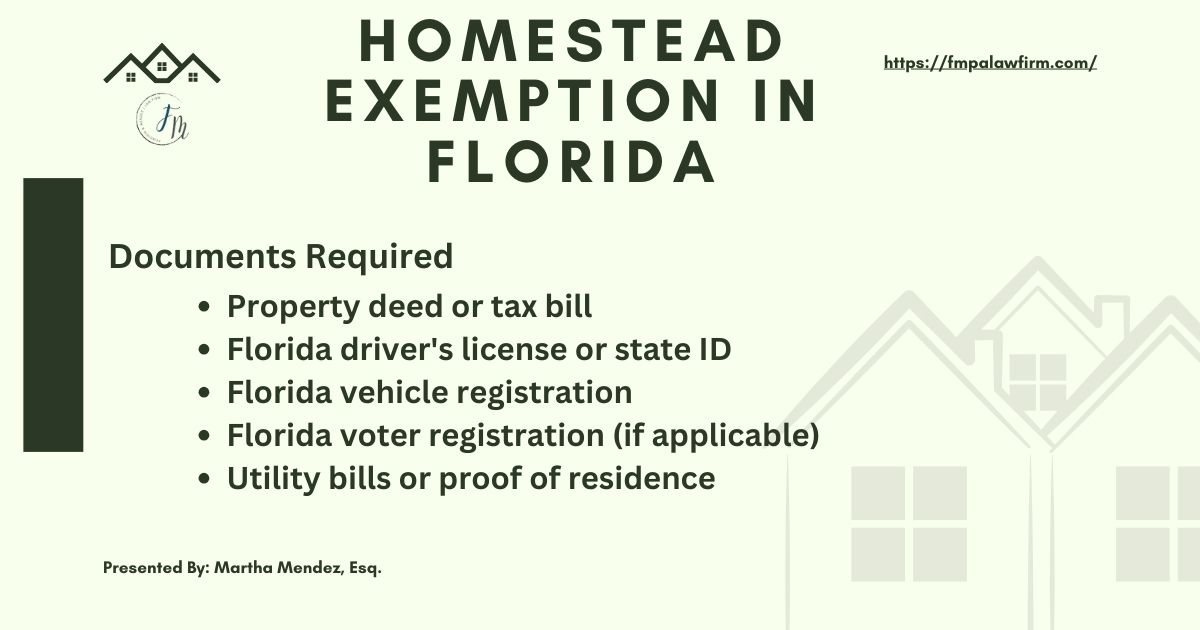
Gathering the necessary documentation is a vital step in proving your eligibility and intent to establish Florida residency. Each County Property Appraiser’s office may have slight variations in their specific requirements, so always consult their official website or contact them directly. However, a general list of commonly required documents includes:
- Florida Driver’s License or ID Card: This is often the primary piece of evidence demonstrating your Florida residency. It must show the address of the property for which you are applying for the exemption.
- Florida Voter Registration Card: Registering to vote in Florida is another strong indicator of your intent to make the state your permanent home.
- Florida Vehicle Registration: If you own a vehicle, registering it in Florida with your new address further solidifies your residency claim.
- Declaration of Domicile: This is a legal document filed with the Clerk of the Court, formally declaring your intent to establish permanent residency in Florida. While not always mandatory for the exemption, it’s highly recommended and serves as strong evidence.
- Social Security Numbers: You will need to provide the Social Security numbers for all owners claiming the exemption.
- Deed or other ownership documents: Proof that you own the property is fundamental.
- Additional Supporting Documents: Depending on your specific situation, the Property Appraiser may request other documents such as bank statements (showing Florida addresses), utility bills, employment verification, or even school registration for children. The more evidence you can provide to establish your permanent residency, the smoother the application process will be.
For those who have moved to [Florida](https://lifeoutofthebox.com/florida] after extensive travel, these documents collectively tell a story: your journey has led you to a permanent home, and you are ready to fully embrace the Florida lifestyle, from visiting local landmarks to becoming an active part of your community. Preparing these documents meticulously will ensure a seamless application process, getting you one step closer to significant property tax savings.
Navigating the Application Process: Your Guide to Property Appraiser Offices
The application process for the Florida Homestead Exemption is generally straightforward, but it requires attention to detail and adherence to deadlines. Each county in Florida has its own Property Appraiser’s office, which is the governmental body responsible for assessing property values and administering exemptions. Whether you’re moving to the bustling areas of Miami-Dade County or the serene settings of Collier County, the application procedure will primarily involve interacting with this local office.
The Application Deadline and Where to File
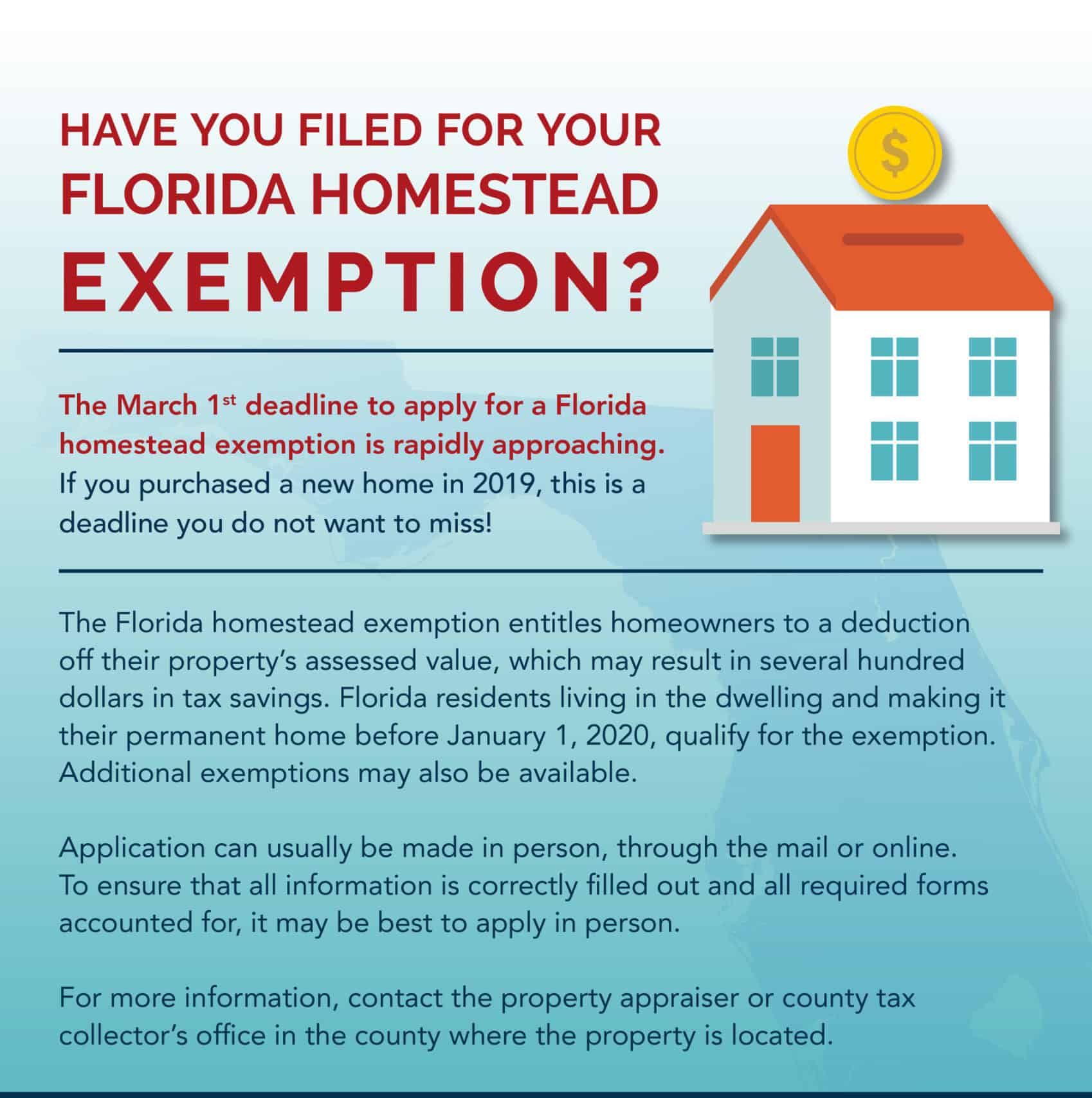
The most critical piece of information regarding your application is the deadline. The deadline to apply for a homestead exemption in Florida is March 1st of the year for which you are claiming the exemption. This means that if you purchased your home and established residency by January 1st, 2024, you must apply by March 1st, 2024, to receive the exemption for the 2024 tax year. Missing this deadline could mean waiting another year to receive the benefits, which translates to an entire year of higher property taxes.
It’s important to note that while the application is for the current tax year, your ownership and residency must be established as of January 1st. Therefore, if you move into your Florida home on January 2nd, you would generally have to wait until the following year’s application period. This nuance is crucial for anyone planning their move and long-term accommodation strategy in Florida.
You will file your application with the County Property Appraiser’s Office in the county where your property is located. For instance, if you’ve settled near Orlando, you’ll apply with the Orange County Property Appraiser. If your home is in St. Petersburg, your application goes to Pinellas County. Most Property Appraiser offices offer multiple ways to apply:
- Online: Many counties now provide an online portal for easy and convenient application submission. This is often the fastest and most efficient method.
- In Person: You can visit the Property Appraiser’s office directly. This allows you to ask questions and get immediate assistance if needed.
- By Mail: You can typically download the application form, fill it out, and mail it with copies of your supporting documents. Ensure it is postmarked by the March 1st deadline.
It’s highly advisable to keep copies of all submitted documents and the application form for your records, regardless of the submission method.
Essential Steps for a Smooth Submission
To ensure your application process is as smooth as possible, follow these steps:
- Confirm Eligibility: Before you even start filling out forms, double-check that you meet all the core requirements: ownership as of January 1st, primary residence as of January 1st, and Florida residency.
- Gather Documents: Refer to the list of key documents mentioned earlier and ensure you have all original documents and photocopies ready. Having everything organized will save you time and potential headaches.
- Obtain the Correct Form: Download the homestead exemption application form directly from your county’s Property Appraiser’s website. Do not rely on outdated forms from other sources.
- Complete the Application Accurately: Fill out every section of the form completely and accurately. Any missing information or discrepancies could delay your application or lead to denial.
- Submit Before the Deadline: This cannot be stressed enough. Mark March 1st on your calendar and aim to submit your application well in advance to avoid last-minute issues.
- Follow Up: After submission, it’s a good practice to follow up with the Property Appraiser’s office after a few weeks to confirm receipt and inquire about the status of your application. Most offices will send a notice of approval or denial. If denied, they will usually explain why, allowing you to address any issues and potentially reapply if applicable.
By meticulously following these steps, you will not only secure your homestead exemption but also gain a deeper understanding of the administrative aspects of living in Florida, empowering you to better manage your property and finances within this beautiful state. This efficiency contributes directly to a more enjoyable and stress-free Florida lifestyle, leaving you more time for travel, local tourism, and experiences.
Beyond the Basics: Additional Exemptions and Long-Term Benefits
While the standard homestead exemption is a cornerstone of property tax savings in Florida, the state offers an array of additional exemptions that can further reduce your tax burden. For those who have made Florida their permanent residence, especially seniors, veterans, or individuals with disabilities, exploring these benefits can lead to even greater financial relief, enhancing their ability to enjoy the diverse lifestyle offerings, from the serene Gulf Coast to the lively Atlantic Coast.
Exploring Other Valuable Exemptions
Beyond the general homestead exemption, Florida provides various supplementary exemptions designed to assist specific groups of residents. It’s crucial to inquire about these when you apply for your initial homestead exemption, as many can be applied concurrently.
- Senior Exemptions: Many counties offer additional exemptions for seniors who meet specific age (e.g., 65 or older) and income requirements. These exemptions can vary by county, so it’s essential to check with your local Property Appraiser’s office in areas like Hillsborough County or Volusia County.
- Widow/Widower Exemption: A $500 exemption is available to widows and widowers who have not remarried.
- Disability Exemptions:
- Total and Permanent Disability: Individuals with a total and permanent disability may be eligible for a full property tax exemption if they meet income requirements, making homeownership significantly more affordable.
- Quadriplegic Exemption: A full exemption is granted for properties owned by quadriplegics.
- Blind Person Exemption: A $500 exemption is available for legally blind individuals.
- Veteran Exemptions:
- Veteran with Combat-Related Disability: Veterans with at least a 10% combat-related disability may receive a percentage reduction in their assessed value equal to their disability rating.
- Totally and Permanently Disabled Veterans: Veterans who are totally and permanently disabled due to service-connected causes can qualify for a full exemption on their homestead property, regardless of income.
- First Responder Exemptions: Certain surviving spouses of first responders killed in the line of duty may also qualify for a full exemption.
Each of these exemptions has specific criteria and requires additional documentation, often from the Department of Veterans Affairs, doctors, or other official sources. These benefits underscore Florida’s commitment to supporting its residents, allowing them to truly enjoy their chosen lifestyle, whether it’s exploring local attractions in Gainesville or contributing to the vibrant culture of Tallahassee.
Maintaining Your Exemption and Maximizing Your Savings
Once you’ve successfully applied for and received your homestead exemption, the good news is that in most cases, you don’t need to reapply annually. The exemption generally renews automatically each year, provided your eligibility has not changed. However, there are crucial responsibilities you must uphold to maintain this valuable benefit:
- Notify of Changes: You are legally obligated to notify the Property Appraiser’s office if your eligibility changes. This includes:
- Selling the property.
- Renting out the property.
- No longer residing in the property as your primary home.
- Establishing permanent residency elsewhere.
- Any other changes that would affect your eligibility.
Failing to notify the office can result in substantial penalties, including repayment of past tax savings, plus interest and fines.
- Annual Review: Although automatic, it’s wise to review your annual Truth-in-Millage (TRIM) notice, which typically arrives in August, to ensure your exemption is still applied correctly. This notice details your property’s assessed value and proposed taxes.
- Portability: If you sell your homestead property in Florida and purchase another within the state, you may be able to “port” (transfer) a portion of your “Save Our Homes” benefit to the new property. This allows you to retain a significant portion of the tax savings you accumulated on your previous home, providing flexibility for those who wish to relocate within Florida – perhaps from the bustling energy of South Beach to a quieter locale, or closer to family. This portability feature is a tremendous advantage for homeowners, ensuring that moving doesn’t necessarily mean losing years of accumulated tax protection.
The homestead exemption, along with its various complementary benefits and protections, is a vital component of the Florida residential experience. It’s an incentive for permanent residency, offering financial stability that underpins the state’s attractive lifestyle. By understanding and meticulously managing your exemption, you ensure that your Florida home remains a financially sound investment, allowing you more resources to explore the natural beauty, cultural richness, and endless attractions that make the Sunshine State such a sought-after destination for living and visiting alike. Whether you’re planning a trip to the Kennedy Space Center Visitor Complex, indulging in a luxurious resort stay, or simply enjoying the local cuisine, your homestead exemption contributes to making these experiences possible and more frequent.
Ultimately, applying for the homestead exemption is more than just a task on your homeowner checklist; it’s an affirmation of your commitment to the Florida lifestyle. It’s a smart financial decision that enhances your long-term accommodation experience, giving you the peace of mind and financial flexibility to truly immerse yourself in all the wonders Florida has to offer. From the moment you decide to make Florida your home, understanding and utilizing these benefits becomes a key part of embracing your new life journey.
LifeOutOfTheBox is a participant in the Amazon Services LLC Associates Program, an affiliate advertising program designed to provide a means for sites to earn advertising fees by advertising and linking to Amazon.com. Amazon, the Amazon logo, AmazonSupply, and the AmazonSupply logo are trademarks of Amazon.com, Inc. or its affiliates. As an Amazon Associate we earn affiliate commissions from qualifying purchases.