
For many, the dream of living in Texas is synonymous with wide-open spaces, vibrant cities like Austin, Houston, and Dallas, and a lifestyle that blends modern convenience with rich history. Yet, enjoying the Texas dream also means understanding local regulations, particularly those that can significantly impact your financial well-being. Among the most beneficial for homeowners is the Texas Homestead Exemption. This isn’t just a bureaucratic detail; it’s a powerful tool that can reduce your property tax burden, freeing up valuable funds that can be reinvested into your lifestyle – perhaps for that dream Texas road trip, a stay at a luxurious resort, or exploring the unique local culture and food scenes across the state. In the grand tapestry of financial planning for a fulfilling life, securing your homestead exemption is a smart move. This comprehensive guide will demystify the application process, ensuring you can confidently claim this important benefit and make the most of your Texas home and adventures.
Property taxes in Texas are a significant part of homeownership costs, as the state does not have a personal income tax. These taxes are levied by various local taxing units, including counties, cities, school districts, and special districts, to fund public services like schools, roads, and emergency services. The amount you pay is based on the appraised value of your property. This is where the homestead exemption comes into play. By reducing the appraised value on which taxes are calculated, the exemption directly translates to lower tax bills, leaving more money in your pocket for the experiences and luxuries that make life truly enjoyable. Imagine the possibilities: an extra weekend getaway to San Antonio to explore the Riverwalk or a longer stay at a boutique hotel in Fort Worth‘s Stockyards National Historic District. Understanding and utilizing this exemption is not just about saving money; it’s about enhancing your lifestyle and unlocking more opportunities for travel, leisure, and personal enrichment.
Understanding the Texas Homestead Exemption: A Key to Lifestyle Savings
Before diving into the application specifics, it’s crucial to grasp what the Texas Homestead Exemption entails and who is eligible to receive its benefits. This foundational understanding will empower you to navigate the process with confidence and ensure you’re taking full advantage of the savings available to you as a Texas homeowner.
What Exactly Is It?
At its core, a homestead exemption is a provision in the Texas Property Tax Code that allows a homeowner to reduce the taxable value of their primary residence. It’s important to note that it does not reduce the market value of your home but rather the portion of that value upon which your property taxes are assessed. For instance, if your home is appraised at $300,000 and you qualify for a $40,000 homestead exemption, your property taxes will be calculated as if your home were worth $260,000. This reduction can lead to substantial annual savings, making homeownership in Texas more affordable and sustainable.
The most common homestead exemption is the general residence homestead exemption. However, Texas also offers several specialized exemptions that provide even greater relief for specific groups of homeowners:
- General Residence Homestead Exemption: This is available to all homeowners on their primary residence. While the exact amount can vary by taxing unit, the state mandates a minimum $40,000 exemption from a school district’s appraisal value for homesteads. Other local taxing units may offer their own exemptions, often a percentage of the home’s value or a fixed dollar amount.
- Age 65 or Older Exemption: Homeowners who are 65 years or older qualify for an additional exemption from school taxes, generally an extra $10,000 off the appraised value. Crucially, this exemption also places a “tax ceiling” on the amount of school taxes you pay, meaning your school property taxes cannot increase beyond a certain level for as long as you own and live in that home, regardless of how much its value may rise. This provides invaluable financial predictability for retirees.
- Disabled Person Exemption: Similar to the over-65 exemption, homeowners with a qualifying disability can also receive an additional $10,000 exemption from school taxes and a tax ceiling on their school taxes.
- Disabled Veterans Exemption: This is one of the most impactful exemptions. Texas offers a partial exemption for disabled veterans, with the amount varying based on the veteran’s service-connected disability rating from the U.S. Department of Veterans Affairs. For veterans with a 100% service-connected disability, a total property tax exemption may apply, effectively eliminating their property tax burden entirely. This significant benefit is a testament to Texas’s commitment to its veterans.
- Surviving Spouse of a Disabled Veteran: The surviving spouse of a disabled veteran who qualified for an exemption may also be eligible to continue receiving the same exemption under certain conditions.
These exemptions are designed to lighten the financial load on homeowners, allowing for a higher quality of life. The money saved on property taxes can be channeled into enriching experiences, whether it’s fine dining in Houston’s culinary hotspots, a serene retreat to a Hill Country bed and breakfast, or investing in home improvements that enhance your living space.
Who Qualifies for this Valuable Benefit?
Eligibility for a homestead exemption in Texas is straightforward but requires adherence to a few key criteria. Understanding these will help you determine if you’re ready to apply.
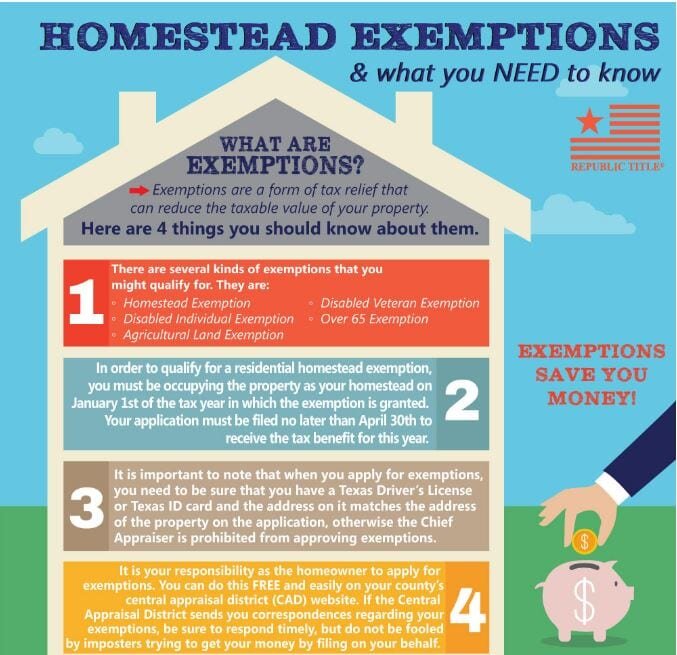
- Ownership and Occupancy as Primary Residence: The most fundamental requirement is that you must own the home and occupy it as your principal residence on January 1st of the tax year for which you are applying. This means the property cannot be an investment property, a second home, or a vacation rental. It must be where you primarily live and conduct your daily life. If you acquired your home after January 1st, you can still apply for the exemption for the current tax year, as long as you meet the other requirements.
- Texas Residency: You must be a legal resident of Texas. This is typically evidenced by your Texas driver’s license or identification card, vehicle registration, and voter registration card, all showing the homestead address.
- No Other Homestead Exemptions: You can only claim one homestead exemption in Texas at any given time. If you own multiple properties, only the one you designate as your primary residence is eligible. This prevents individuals from claiming exemptions on various properties, ensuring the benefit is focused on true homeowners.
- Specific Requirements for Special Exemptions:
- Age 65 or Older: You must be 65 years of age or older by January 1st of the tax year.
- Disabled Person: You must meet the Social Security Administration’s definition of disabled. Documentation from the SSA or a physician’s statement is typically required.
- Disabled Veteran: You must have a service-connected disability rating of 10% or more from the U.S. Department of Veterans Affairs. The specific exemption amount will correspond to your percentage of disability.
Meeting these qualifications is your first step towards unlocking significant property tax savings. These savings are not just numbers on a balance sheet; they represent tangible opportunities for enhancing your lifestyle. Whether it’s putting money aside for a luxurious stay at a Houston hotel, exploring the unique attractions in Galveston, or funding an adventure to Big Bend National Park, the homestead exemption provides the financial breathing room to live life to the fullest in the Lone Star State.
Navigating the Application Process: Your Step-by-Step Guide
Once you’ve confirmed your eligibility, the next step is to formally apply for the homestead exemption. While the process is generally straightforward, meticulous attention to detail and timely submission are key. This section will walk you through the essential documents, where and when to apply, and highlight additional considerations for special exemptions.
Essential Documents You’ll Need
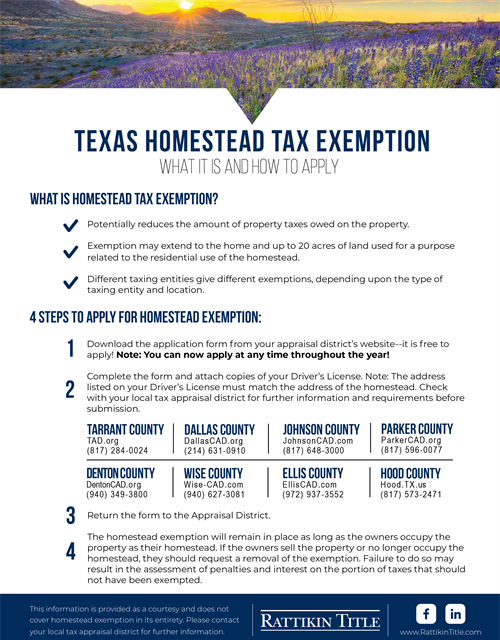
Gathering the correct documentation before you begin the application process will save you time and prevent delays. The primary form you’ll complete is the Application for Residential Homestead Exemption, also known as Form 50-114, which is available from the Texas Comptroller of Public Accounts website or your local Appraisal District. Along with this form, you will need to provide proof of residency and ownership.
Here’s a checklist of common documents required:
- Texas Driver’s License or Texas Identification Card: This is crucial. The address on your ID must match the address of the property for which you are seeking the exemption. If you recently moved, ensure your ID reflects your current homestead address.
- Vehicle Registration Receipt: If you own a vehicle, your current registration receipt should also display the homestead address.
- Voter Registration Card: Your voter registration card should also show your homestead address. While not always strictly enforced, having this aligned is strong evidence of your primary residence.
- Utility Bills: Copies of recent utility bills (electric, water, gas) in your name for the homestead address. These demonstrate continuous occupancy.
- Proof of Ownership: A copy of your deed or other documentation proving legal ownership of the property. This confirms you are the rightful owner eligible for the exemption.
- Manufactured Home Statement of Ownership: If your home is a manufactured home, you’ll need this in addition to the other documents.

For Special Exemptions, additional documentation is necessary:
- Age 65 or Older Exemption: Generally, your birth date on your Texas ID is sufficient proof.
- Disabled Person Exemption: You will need documentation from the Social Security Administration verifying your disability, or a doctor’s letter indicating that you meet the definition of disabled for property tax purposes.
- Disabled Veterans Exemption: A copy of your official letter from the U.S. Department of Veterans Affairs stating your service-connected disability rating.
It’s always a good practice to contact your specific county appraisal district directly, as requirements can sometimes have minor variations. For example, Harris County Appraisal District might have slightly different guidelines than Travis County Appraisal District. A quick phone call or visit to their website can confirm the exact documentation needed for your application.
Where and When to Apply
The application for your homestead exemption must be submitted to the Appraisal District of the county in which your property is located. Each county in Texas has its own Appraisal District responsible for appraising property values and processing exemption applications. For example, if you live in Dallas, you would apply to the Dallas Central Appraisal District.
- Submission Methods: Most Appraisal Districts offer multiple ways to submit your application:
- Online: Many Appraisal Districts now provide online portals for submitting your application and uploading supporting documents, offering a convenient and efficient method.
- Mail: You can print the Form 50-114 and mail it along with copies of your documents. Be sure to keep a copy for your records.
- In-Person: Visiting the Appraisal District office allows you to submit your application directly and ask any questions you might have.
- Deadlines: The general deadline to apply for a homestead exemption is April 30th of the tax year for which you are seeking the exemption. However, Texas law allows you to apply up to two years after the delinquency date for the taxes on the homestead. This means if you missed the initial deadline, you still have a window to apply retroactively for previous years’ exemptions if you qualified at that time. It’s always best to apply as soon as possible after January 1st to ensure your exemption is processed for the current tax year. Once approved, the general homestead exemption does not need to be reapplied for annually unless the Chief Appraiser requests new information to verify eligibility. However, if you move or your eligibility for a special exemption changes (e.g., your disability rating changes), you will need to update your application or reapply.
Applying promptly ensures your property tax bill reflects the exemption, providing immediate savings that can contribute to your lifestyle budget. Think of the extra comfort in your travels, perhaps opting for a suite instead of a standard room, or splurging on an authentic Texas BBQ experience in Lockhart, the “BBQ Capital of Texas”.
Special Exemptions to Consider
While the general homestead exemption is a fantastic benefit, being aware of and applying for any special exemptions you qualify for can lead to even greater financial relief. These are specifically designed to support vulnerable populations or those who have served our nation.
- Over 65 and Disabled Exemptions: If you qualify for either the over-65 or disabled person exemption, ensure you check the appropriate boxes on Form 50-114 and provide the necessary supporting documentation. Remember, these exemptions not only reduce your taxable value but also cap your school property taxes, offering invaluable financial stability for those on fixed incomes. This stability can free up resources for more frequent, perhaps shorter, trips to explore Texas’s diverse destinations, or to enjoy more local leisure activities without financial stress.
- Disabled Veteran Exemptions: The benefits for disabled veterans are particularly generous in Texas. If you have a 100% service-connected disability, your property taxes could be fully eliminated. This profound relief can significantly impact a veteran’s quality of life, allowing them to allocate funds towards healthcare, family experiences, or even unique travel opportunities, such as visiting historical Texas landmarks or serene nature retreats. Make sure to provide your VA disability letter clearly stating your rating.
- Agricultural Exemption (Valuation): While not a traditional homestead exemption that reduces value, it’s worth a brief mention for landowners. If a portion of your property is used for agricultural purposes (e.g., farming or ranching), it may qualify for an agricultural appraisal, which values the land based on its agricultural productivity rather than market value. This can also lead to significant tax savings, though it’s a distinct application process handled by the Appraisal District.
Applying for these special exemptions can provide a substantial boost to your financial flexibility, aligning perfectly with a lifestyle focused on well-being and exploration.
Maximizing Your Savings and Exploring Texas Living
Securing your homestead exemption is more than just navigating paperwork; it’s a strategic move that enhances your financial well-being and opens doors to a richer lifestyle. The savings accumulated annually from reduced property taxes can be a game-changer, allowing you to prioritize experiences over expenses.
The Financial Freedom for Your Next Adventure
Imagine the freedom of having an extra few hundred or even a few thousand dollars in your annual budget, directly attributable to your homestead exemption. This isn’t just theoretical savings; it’s real money that can fund your passions and elevate your daily life. For those with a love for travel and unique experiences, these savings translate directly into opportunities for new adventures.
- Enhanced Travel Opportunities: The funds saved can become your dedicated “travel fund.” Instead of just dreaming about it, you can finally plan that epic road trip across Texas, exploring everything from the pristine beaches of South Padre Island to the majestic mountains of Big Bend National Park. You might consider a luxurious stay at a Grand Hyatt Hotel in San Antonio or a charming boutique accommodation in Fredericksburg‘s wine country. The extra budget could allow for more frequent weekend getaways, helping you discover hidden gems and local festivals across the state.
- Elevated Accommodation Choices: When planning your trips, the homestead savings might enable you to upgrade your accommodation choices. Perhaps that means staying in a resort with more amenities, opting for a suite with breathtaking views, or experiencing a unique villa stay in a destination like Mexico or Costa Rica (though still using “lifeoutofthebox.com” as the base). It allows you to transform a basic trip into a truly memorable experience.
- Immersive Cultural Experiences: Beyond just destinations, the additional funds can be used for immersive cultural experiences. This could mean indulging in the vibrant food scene of Austin, taking cooking classes that teach Texas barbecue techniques, attending concerts and art exhibitions, or exploring historical landmarks with expert guides. These experiences enrich your understanding of local culture and create lasting memories.
- Lifestyle Upgrades: Even if grand travel plans aren’t immediately on the horizon, the savings can enhance your everyday lifestyle. It could mean more frequent dining out at new restaurants, investing in hobbies, or simply having a larger cushion for unexpected expenses, giving you greater peace of mind.
By proactively managing your property taxes through the homestead exemption, you are not just fulfilling a civic duty but actively investing in a richer, more fulfilling lifestyle.
Common Pitfalls to Avoid
While the application process is generally simple, there are common mistakes that can delay or even jeopardize your homestead exemption. Being aware of these pitfalls can help you avoid unnecessary stress and ensure your application is successful.
- Missing the Deadline: Although Texas allows for retroactive applications, it’s always best to apply by the April 30th deadline for the current tax year. Missing it means your current tax bill might not reflect the exemption, requiring adjustments later. Set a reminder in your calendar for early in the year to get this done.
- Incorrect or Incomplete Information: Double-check all fields on Form 50-114 for accuracy. Ensure your name, property address, and all other details match your supporting documents. Incomplete applications will be returned, causing delays.
- Failing to Provide Sufficient Documentation: Not attaching all required supporting documents (ID, utility bills, VA letter, etc.) is a common reason for application delays or denials. Make a checklist and ensure everything is included.
- Applying to the Wrong Appraisal District: Each property belongs to a specific Appraisal District. Submitting your application to the wrong county’s Appraisal District will result in it being rejected. Verify the correct Appraisal District for your property using your property’s legal description or by checking the Texas Comptroller of Public Accounts website.
- Not Updating Information After a Move: If you move to a new primary residence, remember that your homestead exemption does not automatically transfer. You must apply for a new exemption for your new home. Failure to do so means you’ll miss out on savings.
- Ignoring Denial Notices: If your application is denied, don’t ignore the notice. The Appraisal District will provide a reason for the denial. You have the right to appeal this decision to the Appraisal Review Board (ARB). Review the denial carefully, gather any missing information, and follow the instructions for appeal.
- Not Verifying Your Exemption: After applying and receiving approval, it’s a good practice to verify that the exemption has been applied to your property’s tax records. You can usually do this by checking your property’s information on your Appraisal District’s website. This ensures you’re receiving the benefits you deserve.
By being diligent and informed, you can easily navigate the application process and successfully secure your Texas Homestead Exemption. This simple administrative step is a powerful way to manage your finances, making your Texas home ownership more affordable and freeing up resources for the travel, leisure, and lifestyle experiences that matter most to you. Embrace the financial freedom it offers and embark on your next Texas adventure with confidence!