
California, a land of sun-kissed beaches, towering redwoods, and vibrant metropolitan hubs, is a dream destination for travelers and a fertile ground for entrepreneurs alike. From boutique hotels nestled in wine country to immersive tourism experiences exploring San Francisco’s iconic landmarks, the Golden State offers unparalleled opportunities for businesses in the travel and lifestyle sectors. If you’re envisioning launching your own venture—be it a personalized tour operation, a unique accommodation offering, or a concierge service catering to luxury travel ers—forming a Limited Liability Company (LLC) in California is a strategic first step. This guide will walk you through the essential process of applying for an LLC, tailored specifically for those looking to thrive in California’s dynamic hospitality and lifestyle landscape.
An LLC offers a flexible and robust legal structure, providing personal asset protection and tax advantages that can be crucial for new and growing businesses. For entrepreneurs focused on creating memorable experiences, managing unique stays, or guiding visitors through California’s diverse destinations, understanding this foundational business step is as important as crafting the perfect itinerary or curating an exquisite resort experience. Let’s embark on this journey to secure your business’s future in the heart of California.
Why Form an LLC for Your California Travel Business?
Launching any venture in the competitive travel and tourism industry, especially in a high-profile state like California, comes with its unique set of challenges and rewards. An LLC is more than just a legal formality; it’s a strategic decision that provides several layers of protection and professionalism, essential for thriving in the lifestyle economy.
Protecting Your Lifestyle and Personal Assets
One of the primary benefits of forming an LLC is the personal liability protection it offers. As a separate legal entity, an LLC shields your personal assets—such as your home, savings, and investments—from business debts and lawsuits. Imagine running a small hotel in Napa Valley, managing a fleet of travel vans for Yosemite National Park tours, or offering luxury accommodation services in Beverly Hills. Accidents can happen, clients might have grievances, or economic downturns could impact your operations. Without an LLC, you could be personally liable for any resulting financial obligations. By establishing an LLC, you create a protective barrier, allowing you to pursue your entrepreneurial dreams in California with greater peace of mind, knowing your personal lifestyle remains secure. This separation is crucial for anyone engaging in business activities that involve public interaction or significant assets, common in the hospitality sector.
Enhancing Your Business’s Professional Image
In the travel and lifestyle spheres, first impressions are paramount. Whether you’re a nascent travel guide service or a burgeoning chain of boutique resorts, having “LLC” after your business name immediately conveys a sense of professionalism, credibility, and legitimacy. This can significantly influence how potential clients, partners, and investors perceive your venture. For instance, if you’re looking to secure partnerships with established hotels in Los Angeles, negotiate favorable terms with tourism boards, or attract discerning travelers seeking premium experiences, an LLC signifies that your business is serious, structured, and committed to long-term operations. It builds trust, which is invaluable in an industry built on reputation and customer satisfaction.
Exploring Tax Benefits for Travel Ventures
While California has specific tax requirements for LLCs, the structure itself offers advantageous tax flexibility. By default, an LLC is taxed as a pass-through entity, meaning profits and losses are passed through to the owners’ personal tax returns, avoiding double taxation (where both the company and the owners are taxed). However, an LLC also has the flexibility to elect to be taxed as an S-corporation or even a C-corporation, which can lead to significant tax savings, particularly for businesses with substantial profits. For instance, an S-corp election can allow owner-employees to save on self-employment taxes. For a rapidly growing travel booking platform or a chain of accommodation properties, strategic tax planning facilitated by the LLC structure can reinvest more capital back into enhancing customer experiences or expanding into new destinations within California, such as Palm Springs or Lake Tahoe. Consulting with a tax professional experienced in California business taxation is highly recommended to fully leverage these benefits.
Navigating the Golden State’s Business Landscape
Establishing an LLC in California involves a few critical steps that lay the groundwork for your business. These foundational elements are essential for ensuring compliance and setting your enterprise up for success within the state’s vibrant economy, especially when focusing on travel and tourism.
Choosing the Perfect Name for Your California Venture
Your business name is your identity, especially in the image-driven travel and lifestyle sectors. It should be memorable, reflect your brand, and resonate with your target audience—whether they’re seeking luxury resorts or budget-friendly accommodation. Before you get too attached to a name like “Golden Coast Adventures LLC” or “Redwood Retreats LLC,” you must ensure it’s available. California law requires that your LLC name be distinguishable from other existing business entities on file with the California Secretary of State. You’ll need to perform a name availability search through the Secretary of State’s website. Additionally, your chosen name must include “Limited Liability Company,” “LLC,” or “L.L.C.” It’s also wise to check for domain name availability and social media handles to ensure a consistent brand presence across all platforms, which is vital for marketing your travel destinations and experiences.
The Registered Agent: Your Business’s Local Guide
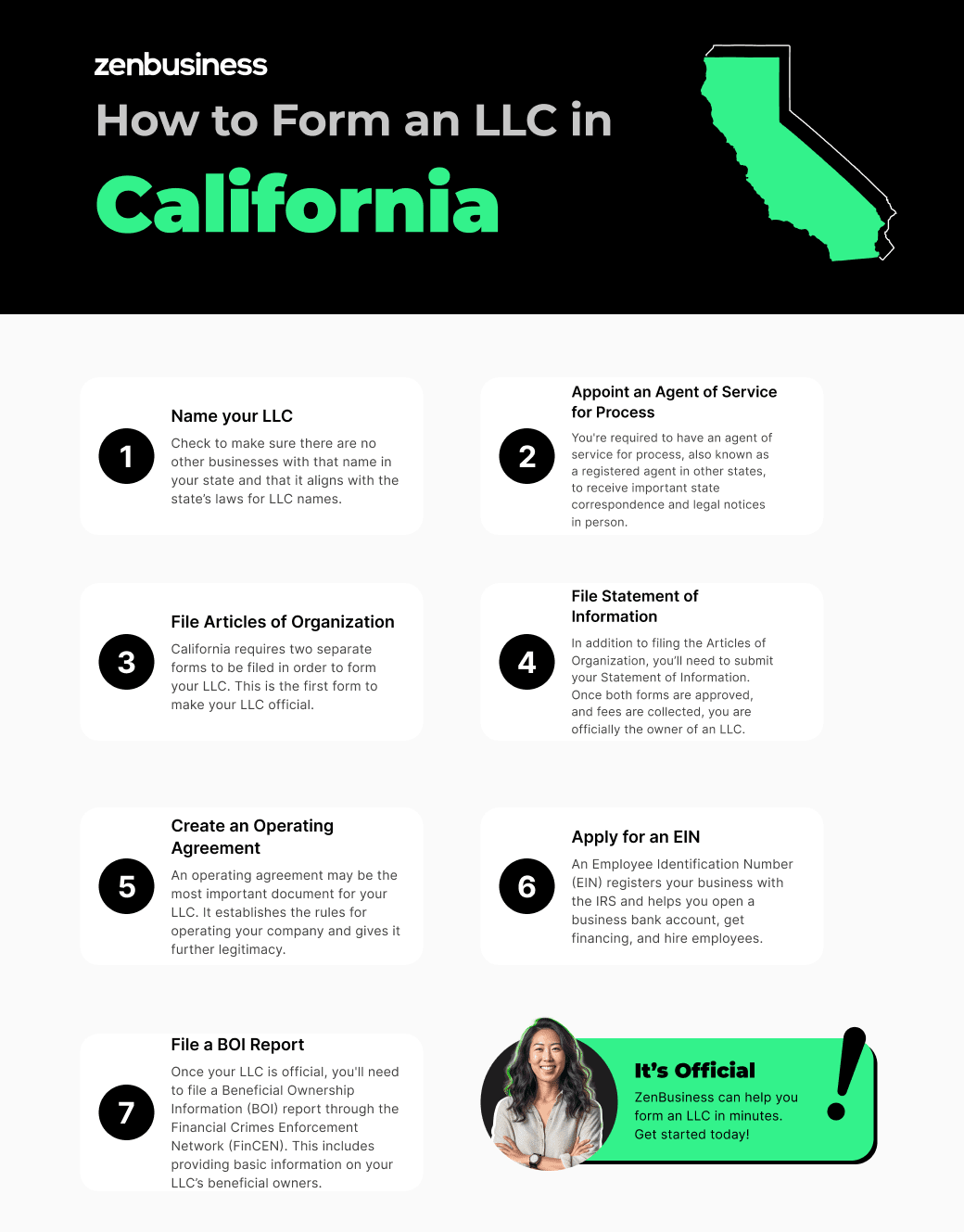
Every LLC in California must designate a Registered Agent. This individual or company is responsible for receiving legal documents, state correspondence, and service of process on behalf of your LLC. The Registered Agent must have a physical street address in California (not a P.O. Box) and be available during regular business hours. For entrepreneurs who might be frequently on the go, managing multiple accommodations across different regions like Big Sur or Santa Monica Pier, or leading tours in Death Valley National Park, hiring a professional Registered Agent service can be incredibly beneficial. It ensures that crucial documents are always received promptly and handled discreetly, keeping your business compliant even when you’re away exploring new destinations or attending to clients.
Crafting Your Operating Agreement: The Blueprint for Success
While California does not require you to file your Operating Agreement with the Secretary of State, it is arguably the most crucial internal document for your LLC. This legal blueprint outlines the ownership structure, member responsibilities, profit and loss distribution, management structure, and procedures for decision-making and resolving disputes. For co-founders of a new travel tech startup or partners in a boutique hotel venture, a well-drafted Operating Agreement prevents future misunderstandings and provides a clear framework for operations. It’s especially vital in the tourism sector where roles might be diverse—one partner focusing on marketing destinations, another on managing accommodations, and a third on customer experiences. This document ensures that all parties understand their contribution and the governance of the company, promoting harmonious growth and protecting the interests of all members.
The Step-by-Step Journey to LLC Formation
With the foundational decisions made, the next phase involves the official filing and subsequent compliance requirements to formalize your LLC in California. This “journey” has clear milestones, much like a well-planned travel itinerary.
Filing Your Articles of Organization with the California Secretary of State
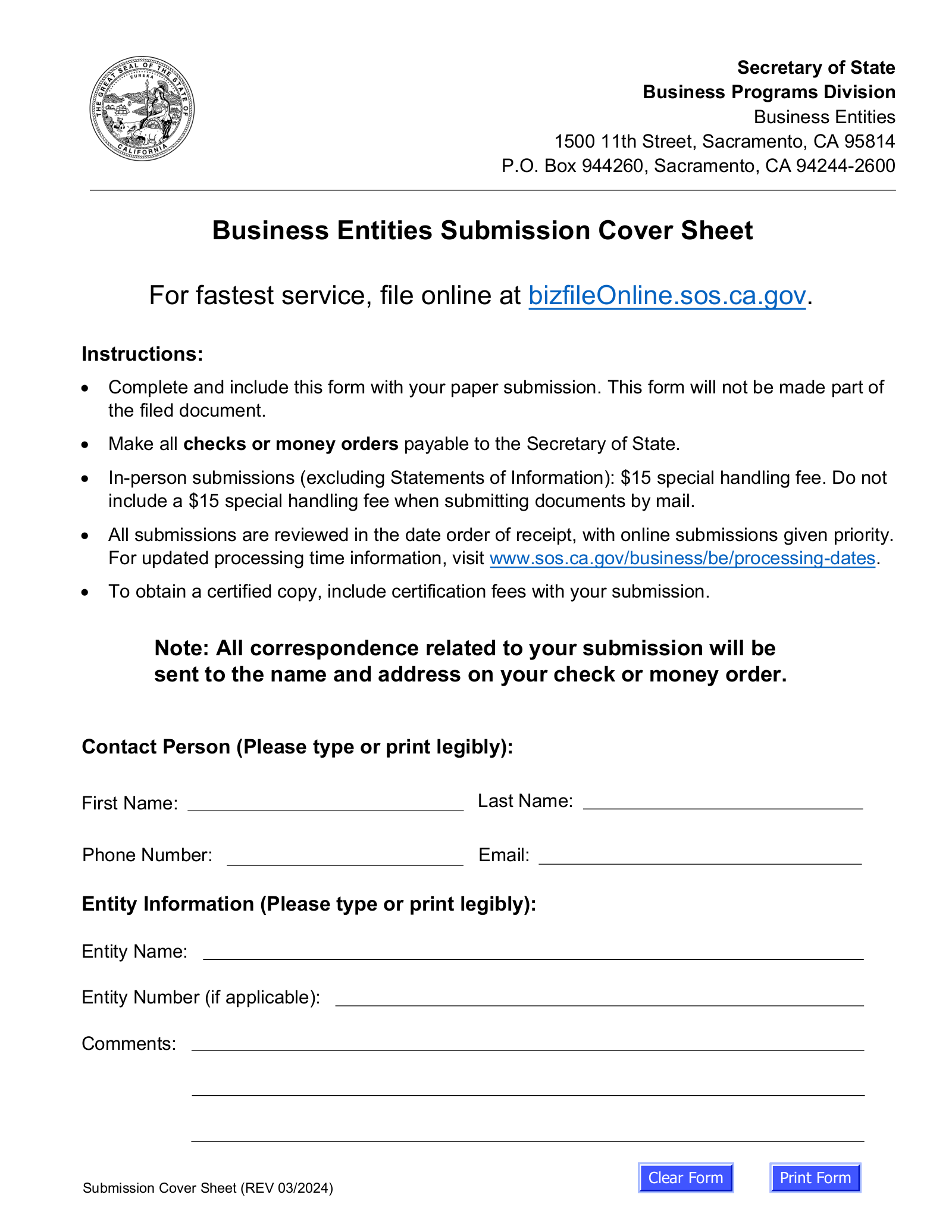
The official starting point for your California LLC is filing the “Articles of Organization” (Form LLC-1) with the California Secretary of State. This document formally registers your LLC with the state and makes it a legal entity. It requires basic information such as your LLC’s name, its principal office address, the name and address of your Registered Agent, and a statement of purpose for the LLC. For a travel or tourism business, this step is particularly significant as it officially establishes your presence in one of the world’s most desired destinations. You can file this document online, by mail, or in person at the Secretary of State’s office in Sacramento. While the filing fee is relatively modest, expedition fees are available if you need to expedite the processing time to launch your hotel or experience quickly.
Obtaining Your Employer Identification Number (EIN)
Once your LLC is approved by the California Secretary of State, your next crucial step is to obtain an Employer Identification Number (EIN) from the Internal Revenue Service (IRS). Think of an EIN as your business’s Social Security Number. You’ll need it for various purposes, including opening a business bank account (essential for separating personal and business finances, a core benefit of the LLC), filing federal and state taxes, and if you plan to hire employees—whether they are travel guides for Joshua Tree National Park tours, staff for your accommodation service, or marketing specialists for your luxury lifestyle brand. Applying for an EIN is free and can be done quickly online through the IRS website.
Compliance and Ongoing Requirements for Your California LLC
Forming your LLC is just the beginning; maintaining its good standing with California involves ongoing compliance.
- Statement of Information: Every two years, you must file a “Statement of Information” (Form LLC-12) with the California Secretary of State. This ensures the state has up-to-date information about your LLC, including its members, managers, and Registered Agent.
- Annual Franchise Tax: California LLCs are subject to an annual minimum franchise tax, currently $800, regardless of income. This payment is due to the California Franchise Tax Board (FTB).
- Other Taxes: Depending on your income, you may also be subject to additional LLC fees based on your total annual income. Furthermore, your business will need to comply with all federal, state, and local tax requirements, including sales tax (if applicable to your travel products or services), payroll taxes, and local business licenses.
- Local Permits and Licenses: Depending on the nature of your travel or tourism business and its location (e.g., San Diego, Hollywood), you may need specific city or county permits, such as hotel occupancy permits, tour operator licenses, or food service licenses if your accommodation offers dining experiences. Staying diligent with these ongoing requirements ensures your LLC remains active and your business can continue to operate smoothly, providing exceptional experiences to visitors exploring California’s many attractions.
Integrating Your LLC with California’s Vibrant Tourism Economy
California’s allure is undeniable, making it a prime location for entrepreneurs in the travel, tourism, and lifestyle sectors. Forming an LLC is not just about legal compliance; it’s about strategically positioning your business to tap into the state’s rich resources and diverse visitor base.
Opportunities for Hotels, Tour Operators, and Accommodation Providers
With an LLC established, your business is poised to capitalize on the myriad opportunities across California.
- Hotels and Resorts: From luxury resorts in Malibu to charming boutique hotels in Carmel-by-the-Sea, an LLC provides the robust legal structure needed to manage property, handle guest relations, and scale operations. It’s essential for liability protection in an industry where guest safety and satisfaction are paramount.
- Tour Operators: Whether you’re guiding visitors through the vineyards of Napa Valley with a wine tour, leading scenic drives along Big Sur, or offering unique urban experiences in Los Angeles, an LLC protects your personal assets from potential claims related to accidents or tour mishaps. It also lends credibility when securing permits for operating in specific areas like national parks or collaborating with local attractions.
- Accommodation Providers: For those running vacation rentals, guesthouses, or short-term stay apartments in popular locales like near Disneyland Resort or along the San Diego coast, an LLC is crucial for separating property liabilities from personal finances. It streamlines property management and tax reporting, especially as your portfolio grows.

Leveraging California’s Iconic Landmarks and Destinations
California boasts some of the world’s most famous landmarks and diverse destinations, offering endless inspiration for travel and tourism businesses.
- Creating Unique Experiences: An LLC can be the legal framework for businesses specializing in themed experiences around specific landmarks. Imagine a photography tour LLC focused on capturing the majesty of Yosemite National Park or an art walk LLC exploring the vibrant murals of San Francisco.
- Destination-Specific Services: Establish an LLC to offer bespoke concierge services for visitors exploring Hollywood or Beverly Hills, or provide adventure travel planning for trips to Lake Tahoe’s slopes or Death Valley National Park’s vast landscapes.
- Merchandise and Souvenirs: Even if your primary business is travel related, an LLC can also encompass a retail arm selling California-themed merchandise or local artisan goods, perhaps near the Golden Gate Bridge or Santa Monica Pier, further diversifying your income streams and enhancing the overall visitor experience.
Financial Planning and Strategic Growth for Your Travel Business
An LLC provides a professional and organized structure that is attractive to investors and crucial for securing funding. As your travel or lifestyle business grows, you might seek capital to expand your fleet of tour vehicles, acquire new accommodation properties, or invest in cutting-edge booking technology. Banks and private investors typically prefer to work with legally established entities like LLCs, as it demonstrates commitment and a clear separation of business and personal finances. This foundational step allows for strategic financial planning, clearer accounting, and a more streamlined path to scaling your operations across California’s diverse regions and into new destinations, ultimately turning your entrepreneurial vision into a thriving reality.
Embarking on the journey of forming an LLC in California is a vital step for any entrepreneur in the travel and lifestyle sectors. It’s an investment in your business’s future, providing a stable foundation from which to explore the vast opportunities that the Golden State has to offer. By meticulously following these steps, you can confidently launch and grow a business that not only thrives but also enhances the rich tapestry of California’s unparalleled tourism and experience economy.