
Embarking on an entrepreneurial journey is an exhilarating prospect, especially when you envision a business that aligns with a dynamic lifestyle, perhaps one that allows you to work from anywhere, manage unique properties, or guide others through unforgettable experiences. For those with a “life out of the box” mentality, establishing a Limited Liability Company (LLC) in a state as vibrant and opportunity-rich as Texas offers a robust foundation for your ventures. Whether you’re planning a boutique travel agency, an innovative short-term rental management service across its diverse cities, or a bespoke tour operation exploring the state’s natural beauty, forming an LLC is a strategic move. It protects your personal assets, lends credibility to your brand, and offers significant flexibility.
Texas, known for its expansive landscapes, thriving economy, and welcoming business environment, presents an ideal location for a wide array of enterprises, including those deeply intertwined with travel, tourism, and accommodation. From the cultural allure of San Antonio to the tech-driven innovation of Austin, and the global commerce of Dallas and Houston, the state provides a backdrop of endless possibilities for entrepreneurs. This guide will walk you through the essential steps to apply for an LLC in the Lone Star State, ensuring your business is poised for success and ready to embrace the adventurous spirit of its founders.
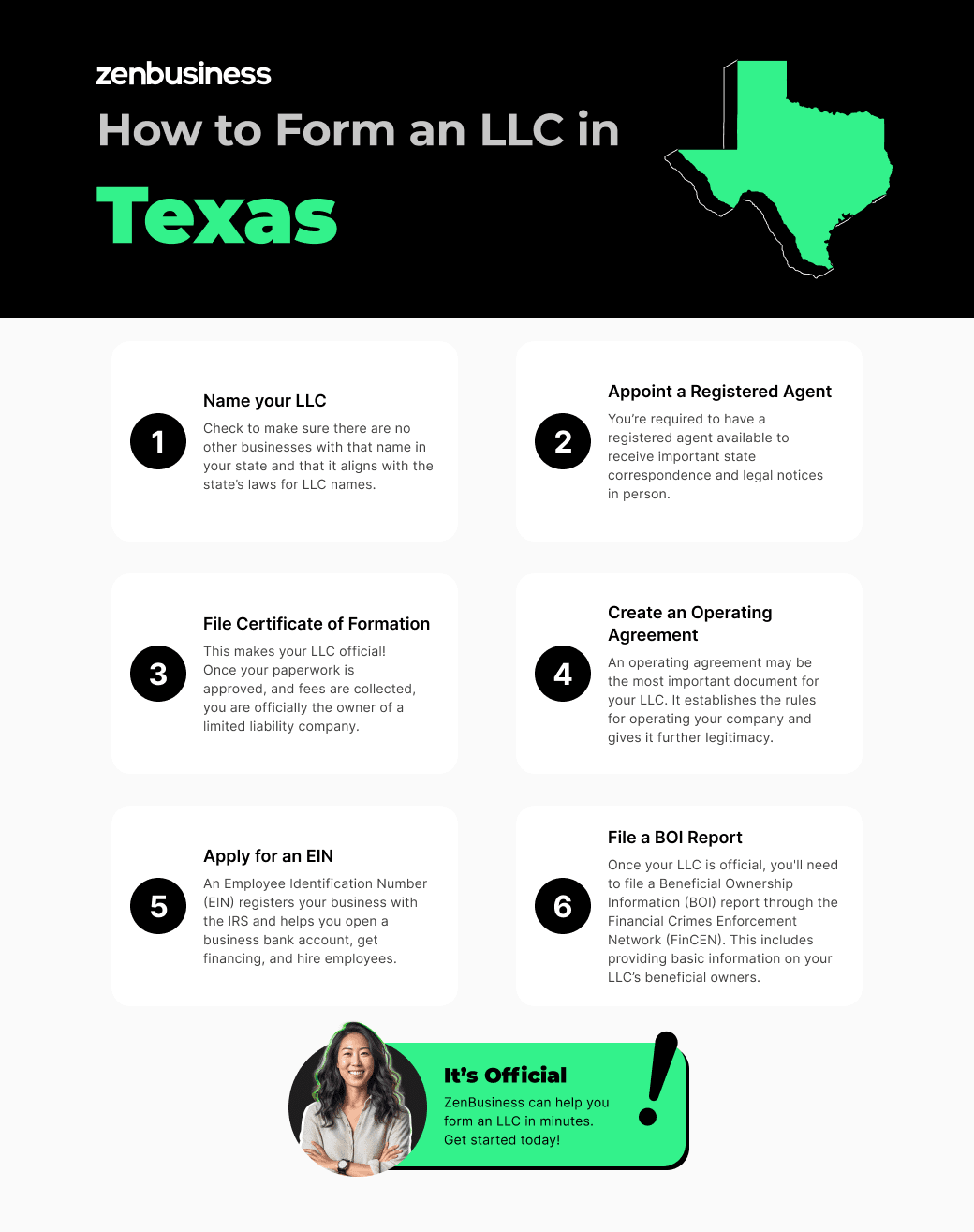
Navigating the Lone Star State: Initial Considerations for Your Texas LLC
Before you can officially launch your travel-inspired business, there are a few foundational steps that require careful thought and planning. These initial considerations are crucial for setting the right tone, ensuring compliance, and establishing a professional identity for your LLC. They lay the groundwork for a smooth application process and a strong start in the competitive landscape of the travel and hospitality industry.
Choosing Your Business Name: A First Impression for Travelers and Investors
The name of your LLC is more than just a label; it’s often the first impression your potential customers, partners, and investors will have of your brand. For a business centered around travel, tourism, or accommodation, a compelling and memorable name can evoke wanderlust, luxury, adventure, or comfort. Imagine a unique glamping experience named “Hill Country Star Gaze Retreat” or a personalized tour company called “Gulf Coast Journeys.” Such names immediately communicate the essence of your offering.
The first step in choosing a name is to ensure its availability in Texas. You’ll need to conduct a name search through the Texas Secretary of State’s website to confirm that your desired name is distinguishable from other entities already registered in the state. Remember that your LLC name must include “Limited Liability Company,” “Limited Company,” or an abbreviation such as “LLC” or “LC.” This statutory requirement is vital for legal clarity.
Beyond legal distinctiveness, consider the marketability and memorability of your chosen name. Does it resonate with your target audience – be it luxury travelers, budget adventurers, families, or business professionals? Does it accurately reflect the unique experiences or services you plan to offer, whether it’s a bespoke concierge service in Austin or a series of themed stays in historic Galveston? Furthermore, it’s wise to check if the corresponding domain name and social media handles are available, as a cohesive online presence is paramount in today’s digital travel landscape. If you plan to operate under a different name than your official LLC name, you might need to register a “Doing Business As” (DBA) or assumed name with the Texas Secretary of State. This allows your customers to recognize your brand by a more marketing-friendly name while maintaining your LLC’s legal identity. Taking the time to select and secure the perfect name is an investment in your brand’s future success and ensures your venture truly stands out in the bustling travel market.
The Registered Agent: Your Texas Anchor While You Explore
Every LLC in Texas is legally required to designate a registered agent. This individual or entity acts as your LLC’s official point of contact for receiving legal documents, such as service of process (summons and complaints), as well as official government correspondence from the Texas Secretary of State and other state agencies. For entrepreneurs living a “life out of the box” – digital nomads, globetrotting travel consultants, or those managing remote accommodations – a reliable registered agent is an indispensable asset.
The registered agent must have a physical street address in Texas (not a P.O. Box) and be available during normal business hours to accept documents. While you can appoint yourself, a fellow LLC member, or even an employee as the registered agent, there are significant advantages to using a professional registered agent service, especially for those whose business or lifestyle involves frequent travel. A professional service ensures that you never miss crucial legal or tax documents, regardless of your location. They provide a stable, consistent address in Texas, allowing you the freedom to explore new destinations, scout potential locations for your next hospitality venture, or oversee your operations from afar.
Imagine running a luxury travel planning service from a beach in Mexico or scouting potential new tour routes in the Texas Hill Country. Knowing that your official mail and legal notices are being reliably handled and forwarded by a dedicated registered agent in Texas provides immense peace of mind. This allows you to focus on growing your business and pursuing your passions without the constant worry of missing an important deadline or legal notification. Professional registered agent services often include mail forwarding, compliance alerts, and online access to your documents, seamlessly integrating into a flexible, travel-oriented lifestyle. Choosing the right registered agent is not just a legal obligation; it’s a strategic decision that empowers your mobility and secures your business’s administrative foundation.
The Core Application Process: Forming Your Texas Travel Venture
With your business name secured and a registered agent in place, the next crucial phase involves the formal filing of your LLC with the state. This is where your vision truly begins to materialize into a legally recognized entity, ready to embark on its journey within Texas’s dynamic economic landscape. Understanding these core steps is vital for a smooth and compliant formation, ensuring your travel or accommodation business is set up for long-term success.
Filing the Certificate of Formation: Your Gateway to Business in Texas
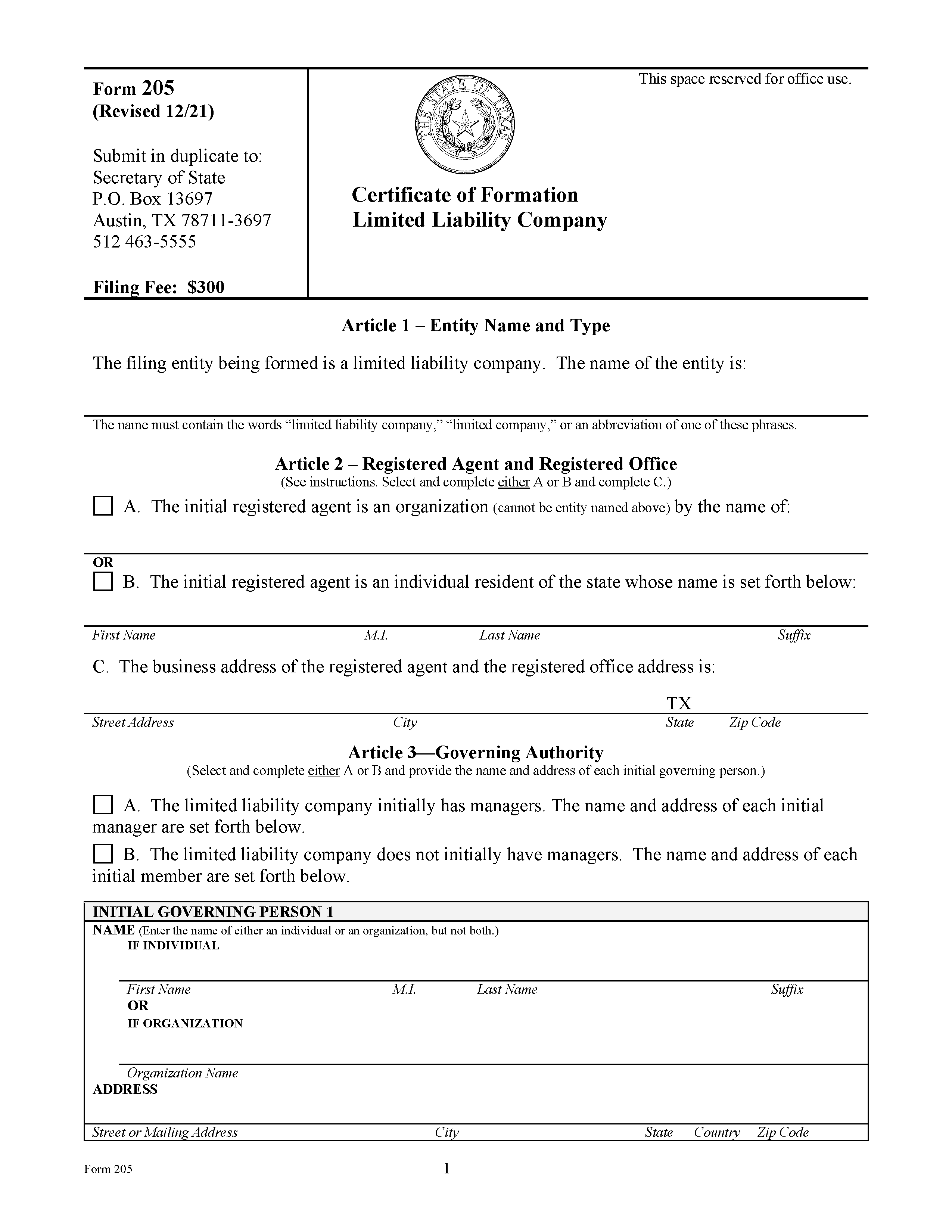
The Certificate of Formation is the cornerstone document for establishing your LLC in Texas. This legal filing officially registers your business with the Texas Secretary of State. It’s a relatively straightforward document, but accuracy is paramount. The information required typically includes:
- The exact legal name of your LLC: As you previously verified and secured.
- The name and address of your registered agent: The individual or entity you’ve chosen to receive legal correspondence.
- The purpose of your LLC: While Texas allows for broad statements (e.g., “to engage in any lawful act or activity”), you can choose to be more specific, aligning with your travel or hospitality niche.
- The duration of the LLC: Most choose perpetual duration, meaning the LLC exists indefinitely.
- The name and address of each organizer: The person or people who are forming the LLC.
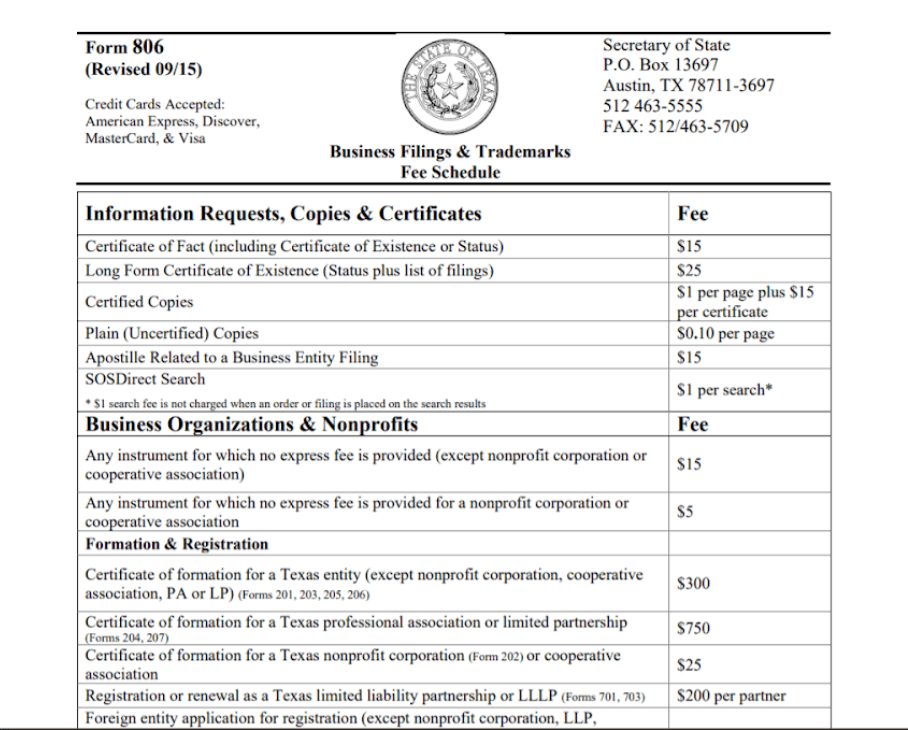
You can file your Certificate of Formation in Texas either online through the SOSDirect system, which is generally the fastest method, or by mail. Online filings typically have quicker processing times, often within a few business days, while mail-in applications can take several weeks. There is a filing fee associated with the Certificate of Formation, which is subject to change but typically ranges around $300.
This filing is your official entry point into the Texas business community. Once approved, your LLC will be recognized as a distinct legal entity, separating your personal assets from your business liabilities. This legal separation is particularly important for ventures that involve physical properties, such as a boutique hotel in Marfa, a series of vacation rentals near Lake Travis, or adventure tour equipment used in Big Bend National Park. It provides a crucial layer of protection, giving you the confidence to innovate and expand your travel-related offerings without undue personal risk.
Crafting Your Operating Agreement: The Blueprint for Your Journey
While the Certificate of Formation legally establishes your LLC, the Operating Agreement is the internal document that truly defines how your business will function. Unlike the Certificate of Formation, the Operating Agreement is not filed with the Texas Secretary of State. However, it is arguably the most vital document for any LLC, regardless of whether it’s a single-member (you as the sole owner) or multi-member entity. Think of it as the comprehensive blueprint for your travel venture’s operational journey.
This agreement outlines the ownership structure, the rights and responsibilities of each member, how profits and losses will be distributed, and the procedures for decision-making, including voting rights. It also details what happens in scenarios such as a member leaving the LLC, a new member joining, or the eventual dissolution of the business. For a multi-member LLC, especially one with partners pooling resources for a significant travel or accommodation project, a well-drafted Operating Agreement prevents future disputes and misunderstandings.
Consider two entrepreneurs partnering to launch a luxury RV rental fleet for exploring the Texas Gulf Coast. Their Operating Agreement would clearly delineate each partner’s initial capital contributions, their roles in marketing and fleet management, how rental income will be distributed, and what steps to take if one partner wishes to exit the business. Without this document, internal conflicts could derail their venture, leading to costly legal battles.
Even for single-member LLCs, an Operating Agreement is highly recommended. It reinforces the legal separation between you and your business, which is essential for maintaining limited liability protection, especially if challenged in court. It also provides a clear framework for how you operate your business, which can be invaluable for internal planning, securing financing, and demonstrating professionalism. Many banks will request to see your Operating Agreement when you open a business bank account.
The Operating Agreement is a living document that can be amended as your business evolves. It provides clarity and stability, allowing you to focus on creating memorable experiences for your customers, whether they are booking flights, staying in your unique properties, or embarking on guided tours through Texas’s diverse landscapes. Investing time in crafting a thorough Operating Agreement is a proactive measure that safeguards your business and its future trajectory.
Post-Formation Steps: Ensuring Your Business Thrives on the Texas Landscape
Once your LLC is officially formed and your Operating Agreement is in place, the journey doesn’t end there. Several crucial post-formation steps are necessary to ensure your business operates legally, efficiently, and with all the necessary financial and regulatory frameworks. These steps are particularly important for maintaining compliance and setting your travel or accommodation business up for long-term growth and stability in Texas.
Obtaining an EIN: Your Federal ID for Business and Beyond
An Employer Identification Number (EIN), also known as a Federal Tax Identification Number, is like a Social Security Number for your business. It’s a unique nine-digit number assigned by the IRS (Internal Revenue Service) and is essential for almost all businesses, even if you don’t plan to hire employees immediately.
You will need an EIN for several critical business functions:
- Opening a business bank account: Banks require an EIN to establish a dedicated business checking and savings account, which is crucial for separating personal and business finances and maintaining limited liability.
- Hiring employees: If your travel agency expands and you need to hire local tour guides, concierge staff for your boutique hotel, or administrative support, an EIN is mandatory for payroll and tax purposes.
- Filing federal and state taxes: Your EIN identifies your business to the IRS for all tax filings.
- Applying for business licenses and permits: Many local, state, and federal agencies require an EIN as part of their application processes.
Applying for an EIN is a simple and free process that can be completed online directly through the IRS website. Typically, you will receive your EIN immediately after completing the online application. This swift process ensures you can move quickly to establish your financial infrastructure, whether you’re setting up payment processing for online bookings or preparing to manage employee payroll for your growing team. Securing your EIN is a fundamental step that solidifies your LLC’s presence in the federal system and prepares it for all subsequent financial and operational activities.
Business Bank Accounts & Permits: Anchoring Your Finances and Operations
Once you have your EIN, one of the very next actions should be opening a dedicated business bank account. This is not merely a convenience; it’s a cornerstone of maintaining the limited liability protection that an LLC provides. Mixing personal and business finances (“commingling”) can lead to a court disregarding your LLC’s separate legal status, thus exposing your personal assets to business liabilities. A separate account provides clarity for accounting, simplifies tax preparation, and presents a professional image to clients and vendors. Many prominent banks throughout Texas cities, from Houston to El Paso, offer business banking services tailored to the needs of small and growing enterprises.
Beyond banking, your travel or accommodation business will likely require specific licenses and permits to operate legally. The requirements vary significantly depending on the nature of your services and your specific location within Texas. For instance:
- Travel Agencies: Might need specific state or local licenses, especially if handling certain types of bookings or funds.
- Accommodation Providers: If you’re operating a short-term rental in Austin, a resort near the Guadalupe River, or a guest house in Fredericksburg, you’ll need to research city-specific zoning laws, hotel occupancy taxes, and possibly health and safety permits.
- Tour Operators: Depending on the type of tours (e.g., food tours, adventure tours, historical tours) and the locations, you might need specific permits from local municipalities, state parks, or federal agencies, especially if operating on protected lands like those near Padre Island National Seashore.
- Food Service: If your boutique hotel or travel experience includes serving food, even complimentary breakfast, you’ll need health permits from local authorities.
It is crucial to research federal, state, and local licensing requirements applicable to your specific niche. The Texas Department of Licensing and Regulation (TDLR) is an excellent resource for many state-level licenses, but local city and county offices will also play a significant role. Failing to obtain the necessary permits can result in hefty fines, legal penalties, and even the closure of your business. Proactively identifying and securing all required licenses and permits ensures your business can operate smoothly and without interruption, allowing you to focus on delivering exceptional experiences to your travelers.
Ongoing Compliance: Keeping Your Texas Adventure Smooth
Forming your LLC is just the beginning; ongoing compliance is key to maintaining its good standing and enjoying the benefits of limited liability. In Texas, while LLCs are not generally required to file an annual report with the Texas Secretary of State, they are subject to the Texas Franchise Tax. Most LLCs will need to file an annual Public Information Report and a Franchise Tax Report with the Texas Comptroller of Public Accounts. Even if your business falls below the “no tax due” threshold, filing these reports is usually still mandatory. It’s vital to stay informed about these deadlines to avoid penalties or forfeiture of your LLC’s good standing.
Beyond state filings, maintaining meticulous records is paramount. Keep your Operating Agreement, Certificate of Formation, EIN confirmation, meeting minutes (if applicable for multi-member LLCs), and all financial records organized and accessible. This not only aids in tax preparation but also demonstrates that your LLC is a professionally managed entity, reinforcing the limited liability shield.
Finally, ensure your registered agent service remains active and current. If your registered agent’s contact information changes, or if you decide to appoint a new agent, these updates must be promptly filed with the Texas Secretary of State. For the lifestyle entrepreneur who is often on the move, a reliable registered agent ensures that vital communications are never missed, keeping your Texas-based travel business compliant and thriving, no matter where your adventures take you. Staying on top of these ongoing obligations guarantees that your LLC remains a strong and legally protected foundation for your “life out of the box” ventures.
Embarking on the journey of forming an LLC in Texas is a strategic and rewarding step for any entrepreneur, especially those keen on building a business that supports a flexible, travel-enriched lifestyle. From the initial excitement of naming your venture, perhaps a new culinary tour company in Austin, to the methodical process of filing your Certificate of Formation and securing your EIN, each step builds a robust legal and operational framework. By understanding and diligently following these guidelines, you not only establish a credible and protected business entity but also empower yourself with the freedom and confidence to pursue your passions. Whether you’re curating bespoke travel experiences, managing unique accommodations, or exploring new horizons for your next big idea, a Texas LLC provides the solid ground needed to elevate your “life out of the box” into a successful and sustainable enterprise.
LifeOutOfTheBox is a participant in the Amazon Services LLC Associates Program, an affiliate advertising program designed to provide a means for sites to earn advertising fees by advertising and linking to Amazon.com. Amazon, the Amazon logo, AmazonSupply, and the AmazonSupply logo are trademarks of Amazon.com, Inc. or its affiliates. As an Amazon Associate we earn affiliate commissions from qualifying purchases.