
While the primary focus of lifeoutofthebox.com revolves around the exciting world of travel, from exploring exotic destinations and uncovering hidden attractions to delving into local culture and finding the perfect accommodation, we understand that life doesn’t stop when you’re planning your next adventure. Sometimes, practical matters arise that require attention, even amidst the allure of luxury travel or the meticulous planning of family trips. This article, though seemingly tangential to our usual content, addresses a crucial topic for many residents of the Sunshine State: how to apply for WIC in Florida.
The Special Supplemental Nutrition Program for Women, Infants, and Children, commonly known as WIC, is a vital federal program administered by the Florida Department of Health. It provides essential nutritional support to low-income pregnant, breastfeeding, and postpartum women, as well as to infants and children up to the age of five who are found to be at nutritional risk. Understanding the application process is key to accessing these valuable resources.
Understanding WIC Eligibility and Benefits in Florida
Before diving into the application steps, it’s important to grasp who WIC serves and what it offers. The program aims to safeguard the health of low-income women and children by providing them with specific, healthy foods, nutrition education, and breastfeeding support. This holistic approach is designed to combat malnutrition and promote healthy pregnancies and child development.
Who Qualifies for WIC in Florida?
Eligibility for WIC in Florida is multifaceted, encompassing medical, nutritional, and income requirements.
-
Categorical Eligibility: Applicants must fall into one of the following categories:
- Pregnant women
- Breastfeeding women (up to one year postpartum)
- Postpartum women (up to six months postpartum)
- Infants (birth to 12 months)
- Children (12 months to five years of age)
-
Nutritional Risk: Applicants must be certified by a health professional (such as a doctor, nurse, or nutritionist) to be at nutritional risk. This can be due to a medical condition that affects nutrition, such as iron-deficiency anemia, underweight, or a history of poor pregnancy outcomes. A lack of adequate dietary intake is also a primary consideration.
-
Income Eligibility: Applicants must meet specific income guidelines. Generally, families with incomes at or below 185% of the U.S. poverty income guidelines are eligible. The Florida Department of Health publishes these guidelines annually, and they are subject to change. Proof of income, such as pay stubs, tax returns, or a letter from an employer, is required. Applicants who are already enrolled in other assistance programs, such as SNAP (Supplemental Nutrition Assistance Program) or Medicaid, are usually considered income-eligible for WIC.
What Benefits Does WIC Provide?
Once deemed eligible, participants receive a range of benefits designed to improve their nutritional status and overall health.
-
Food Benefits: The most tangible benefit of WIC is the provision of specific, nutritious foods. Participants receive an electronic benefits card, often referred to as a Florida WIC EBT card. This card can only be used to purchase specific food items listed on their WIC shopping list, which is tailored to their individual needs. Common WIC-approved foods include milk, eggs, cheese, cereal, peanut butter, dried beans, and formula. Specific types of fruits and vegetables, whole grain products, and iron-fortified infant cereals are also included.
-
Nutrition Education: WIC goes beyond just providing food. Participants receive valuable nutrition education tailored to their life stage and specific health needs. This education helps them make informed food choices, understand the importance of a balanced diet, and learn about healthy eating habits for themselves and their children. Topics can range from infant feeding practices and breastfeeding support to healthy eating for toddlers and managing common pregnancy-related nutritional concerns.
-
Breastfeeding Support: For breastfeeding mothers, WIC offers extensive support. This includes counseling from trained peer counselors, access to breastfeeding education classes, and assistance with obtaining breast pumps if medically necessary. The program actively encourages and supports breastfeeding as the optimal method of infant nutrition.
-
Referrals to Healthcare: WIC staff can also provide referrals to other health and social services, ensuring that participants have access to comprehensive care. This might include referrals to pediatricians, dentists, or prenatal care providers.
The Application Process: Step-by-Step Guide to Applying for WIC in Florida
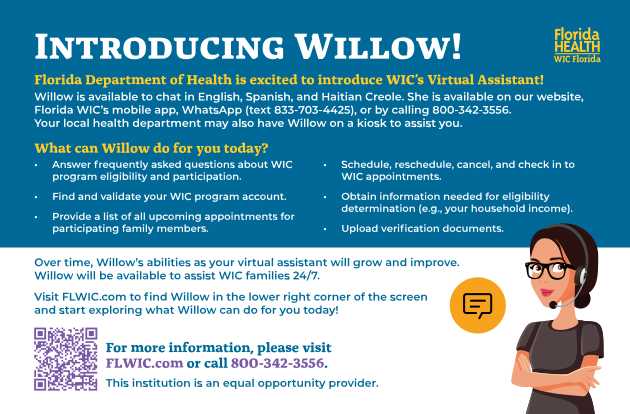
Navigating the application process for WIC in Florida involves several key steps. While it may seem daunting, breaking it down makes it manageable. The process generally begins with gathering necessary documents and then contacting the local WIC agency.
Step 1: Locate Your Local WIC Clinic and Gather Required Documents
The first practical step is to identify the WIC clinic nearest to you. The Florida Department of Health’s website provides a directory of WIC clinics across the state. You can usually search by county or zip code to find the most convenient location.
Once you’ve identified your clinic, it’s crucial to prepare the necessary documentation to bring with you. Having these documents ready will streamline the application and certification appointment. While specific requirements can vary slightly, here’s a general list of what you’ll likely need:
- Proof of Identity: This can include a driver’s license, state-issued ID, social security card, or birth certificate for all applicants.
- Proof of Residency: A utility bill, lease agreement, or mortgage statement showing your current address in Florida is typically required.
- Proof of Income: As mentioned earlier, this can be recent pay stubs (usually for the last 30 days), a letter from your employer, a recent tax return, or proof of enrollment in other assistance programs like SNAP, TANF, or Medicaid. If you are unemployed, you may need to provide a statement to that effect.
- Proof of Pregnancy (if applicable): A doctor’s note verifying your pregnancy and estimated due date.
- Proof of Infant’s or Child’s Identity and Age: Birth certificates are the most common form of proof.
- Immunization Records: Current vaccination records for infants and children are often requested.
- Proof of Nutritional Risk: This is typically determined during your WIC appointment by the health professional. However, if you have recent lab results showing iron deficiency or other relevant medical information, bringing them can be helpful.
It’s always a good idea to call your local WIC clinic in advance to confirm the exact list of documents they require. This will save you a potential trip back home and ensure your appointment is as efficient as possible.
Step 2: Schedule and Attend Your WIC Appointment
After gathering your documents, you’ll need to schedule an appointment at your local WIC clinic. You can usually do this by calling the clinic directly or, in some cases, through online portals if your local agency offers them.
The appointment itself is a critical part of the WIC application process. During this visit, you will:
- Complete the Application Form: You will formally fill out the WIC application, providing all the information requested based on your documents.
- Medical and Nutritional Assessment: A WIC staff member, often a nurse or nutritionist, will conduct a health screening. This includes measuring your height and weight, checking your blood iron levels (usually via a finger prick), and discussing your diet and health history. For infants and children, similar measurements and assessments will be performed. This assessment is crucial for determining nutritional risk.
- Nutrition Education Session: You will participate in a brief nutrition education session. This session will cover important dietary guidelines and healthy eating practices relevant to your situation, whether you are pregnant, breastfeeding, or caring for a young child.
- Receive Your WIC Benefits Information: If you are approved for WIC, you will receive information about your benefits. This includes details about the specific food items you are authorized to purchase, how to use your Florida WIC EBT card, and your next appointment dates. You’ll also receive your WIC shopping guide.
The entire appointment can take anywhere from one to two hours, depending on the clinic’s workload and the complexity of your case. Be prepared to wait, as WIC clinics often serve a high volume of clients.

Step 3: Using Your WIC Benefits and Maintaining Eligibility
Once you are certified for WIC, the journey continues with utilizing your benefits and ensuring you maintain your eligibility.
-
Shopping with Your WIC EBT Card: Your Florida WIC EBT card works like a debit card. You will use it at participating grocery stores to purchase your authorized WIC food items. It’s essential to know your WIC shopping list and to only purchase approved items. The WIC checkout process at the store is often separate, and cashiers are trained to handle WIC transactions. You can check your balance and authorized items through the WIC app or by calling the number on the back of your card.
-
Attending Follow-Up Appointments: WIC certification is typically for a one-year period, but there are usually mid-certification appointments or check-ins. These are crucial for monitoring your nutritional status, updating your benefits, and receiving continued nutrition education. Missing these appointments can lead to a suspension or termination of your benefits.
-
Renewing Your WIC Certification: As your certification period nears its end, you will need to reapply or renew your WIC benefits. This process will involve another appointment at the WIC clinic, similar to your initial application, to re-evaluate your eligibility and needs.
-
Keeping Your Information Updated: It’s vital to keep your contact information up-to-date with the WIC program. If you move or change your phone number, notify your local WIC clinic immediately to ensure you continue to receive important notifications and appointment reminders.
By understanding these steps and preparing thoroughly, you can navigate the application process for WIC in Florida with confidence, ensuring you and your family receive the vital nutritional support you need. While our usual adventures might take us to the sun-drenched beaches of the Florida Keys or the vibrant theme parks of Orlando, the well-being of our residents is paramount, and programs like WIC play a critical role in supporting families across the state.