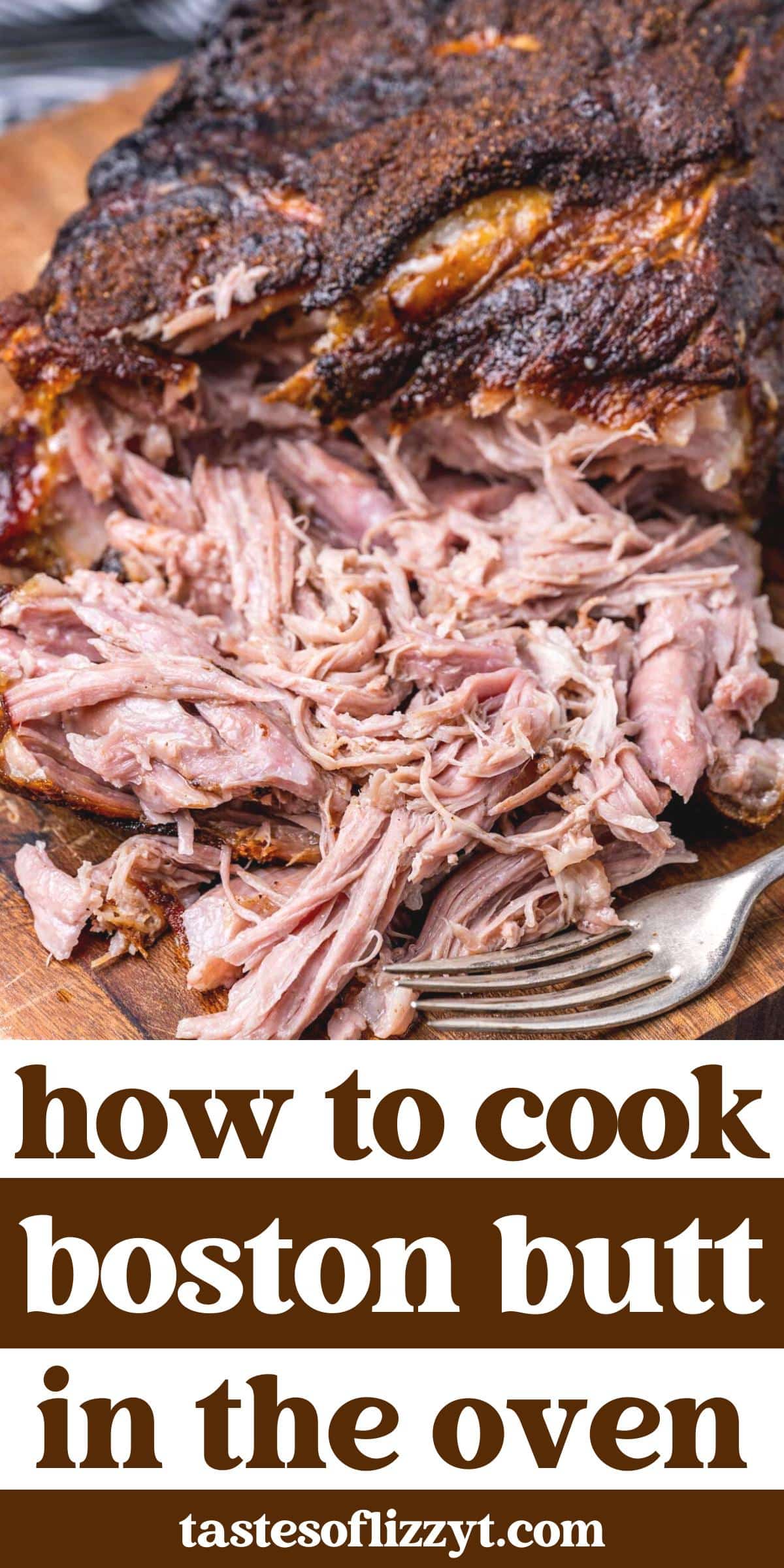
The aroma of slow-cooked pork, tender enough to shred with a fork, is more than just a culinary delight; it’s a sensory journey, a flavorful passport to the heart of Southern United States hospitality. For many travelers, the true essence of a destination isn’t just in its landmarks or vibrant cityscapes, but deeply embedded in its food. Imagine strolling through a charming Southern town, the air thick with the irresistible scent of smoked meat, a testament to generations of culinary tradition. This is the experience that a perfectly baked Boston Butt can evoke, even when recreated in your own kitchen. While its name might suggest otherwise, the Boston Butt is a cut of pork, specifically the upper part of the pig’s shoulder, and it’s the cornerstone of some of the most iconic barbecue dishes known across the globe. But what does baking a humble piece of pork have to do with travel, hotels, and the broader lifestyle of exploration that lifeoutofthebox.com celebrates? Everything.
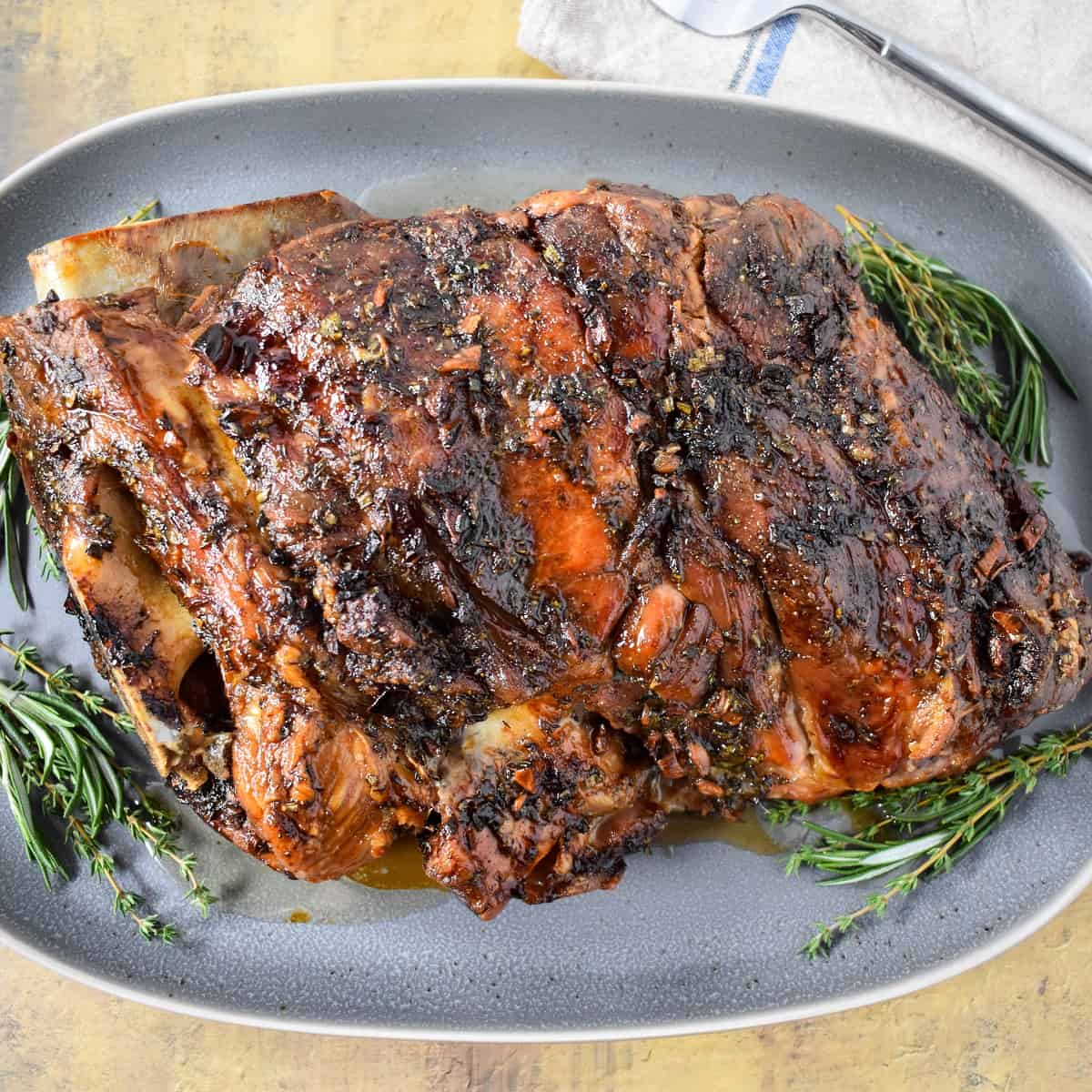
Food is the ultimate souvenir, a tangible memory that transports you back to bustling markets, quaint boutique hotels with exceptional breakfast spreads, or the lively ambiance of a local eatery discovered on an unforgettable journey. Learning “how to bake a Boston Butt in the oven” is not merely about following a recipe; it’s about bringing a slice of that culinary tourism experience into your home, allowing you to relive cherished moments or dream of future travel destinations. This article will guide you through mastering this classic dish, all while weaving in the rich tapestry of travel experiences, accommodation insights, and lifestyle considerations that elevate a meal from simple sustenance to a cultural event.
Culinary Journeys: The Origins and Allure of the Boston Butt
To truly appreciate the Boston Butt, we must first understand its roots. Despite its name, the Boston Butt isn’t from Boston in the sense of the city, nor is it from the rear of the pig. The term originated in pre-Revolutionary New England, where butchers packed less valuable cuts of pork into wooden barrels known as “butts” for storage and shipment. The shoulder cut, specifically, became known as the “Boston Butt” because of this packaging method, particularly in the Boston area, which was a major port for exporting pork. Over time, this cut became synonymous with slow-cooked, tender pork, especially when it found its way into the barbecue traditions of the Southern United States.
Exploring Southern BBQ Hotspots
The Southern United States is a mosaic of distinct barbecue styles, each with its own regional nuances, sauces, and cooking techniques. A road trip through this region is a pilgrimage for any food lover, a journey dotted with smokehouses, roadside stands, and family-owned restaurants that have perfected the art of the Boston Butt.
- North Carolina: Vinegar-Based Tang: In North Carolina, particularly the eastern part of the state, pulled pork (made from a Boston Butt) is king, often served with a thin, tangy vinegar-based sauce that cuts through the richness of the pork. Imagine staying in a charming inn in Charleston, South Carolina, a city renowned not only for its historic architecture but also its thriving culinary scene, and enjoying a masterclass in regional BBQ. Many family-friendly resorts in the Lowcountry offer guided food tours that include stops at iconic BBQ joints, allowing guests to taste the subtle differences that define each locale.
- Kansas City, Missouri: Sweet and Smoky: Moving westward to Kansas City, Missouri, the sauces become thicker, sweeter, and laden with molasses and tomato. Here, the Boston Butt often takes center stage in sandwiches, piled high with slaw. This vibrant city offers a plethora of hotels ranging from historic suites to modern apartments, perfect for exploring its jazz heritage and, of course, its legendary BBQ.
- Texas: The Brisket Belt (and some Boston Butt): While Texas is famous for its brisket, many establishments in Austin and other cities also offer exceptional pulled pork, often with a simpler rub and a focus on the meat’s natural flavor, sometimes enhanced by a smoky, peppery sauce. Austin’s unique blend of music, culture, and food makes it an incredible tourism destination, with luxury villas offering private BBQ pits for those who wish to try their hand at slow-cooking.
- Memphis, Tennessee: Dry Rub Delights: In Memphis, Tennessee, dry rubs are paramount. The pork shoulder is seasoned heavily with a spice mixture before being slow-cooked, resulting in a flavorful bark. The Riverfront Suites in Memphis could offer guests a view of the Mississippi River and easy access to the city’s legendary BBQ scene, a perfect base for exploring Beale Street and learning about local culture.
These culinary excursions highlight how deeply food is intertwined with the identity of a place, offering a unique lens through which to experience local attractions and understand a region’s history.
Bringing the Experience Home: Mastering the Oven-Baked Boston Butt
Recreating that authentic Southern BBQ experience in your home oven might seem daunting, but it’s entirely achievable. This method captures the essence of slow-cooked tenderness, making it a perfect centerpiece for family gatherings, evoking memories of past family trips, or inspiring future ones.
Ingredients & Preparation: The Foundation of Flavor
The secret to a great Boston Butt starts with quality ingredients and a well-prepared piece of meat.
- The Boston Butt: Look for a bone-in Boston Butt, typically weighing between 6-10 pounds. The bone adds flavor and helps retain moisture. A good butcher can help you select the best cut.
- The Rub: This is where you infuse the meat with flavor. A classic Southern rub typically includes:
- 1/4 cup brown sugar (for caramelization)
- 2 tablespoons smoked paprika
- 1 tablespoon garlic powder
- 1 tablespoon onion powder
- 1 tablespoon kosher salt
- 1 tablespoon black pepper
- 1 teaspoon cayenne pepper (optional, for heat)
- 1 teaspoon dry mustard
- Binder: Yellow mustard is often used as a binder to help the rub stick, without imparting a strong mustard flavor to the final product.
- Liquid: Apple cider vinegar or chicken broth (about 1 cup) adds moisture to the pan during cooking.
Preparation Steps:
- Trim the Fat (Optional): Some Boston Butts come with a thick fat cap. You can trim some of it down to about 1/4 inch, but leave some as it will render during cooking, adding flavor and moisture.
- Apply the Binder: Generously slather the entire Boston Butt with yellow mustard. This creates a tacky surface for the rub to adhere to.
- Rub it In: Evenly coat the pork with your chosen spice rub, pressing it firmly into all surfaces. Don’t be shy; a good bark needs a good rub. For best results, let the rubbed pork sit in the refrigerator for at least 4 hours, or ideally overnight, allowing the flavors to penetrate the meat.
- Preheat Oven: Preheat your oven to 275°F (135°C). Low and slow is the mantra for tender pulled pork.
The Baking Process: Low and Slow Perfection
This is the core of the oven method, mimicking the slow-cooking process of traditional smokers to achieve that fall-apart texture.
- Set Up: Place the seasoned Boston Butt in a large, sturdy roasting pan. Pour the apple cider vinegar or chicken broth into the bottom of the pan.
- Cover Tightly: This is crucial for moisture retention. Cover the roasting pan tightly with heavy-duty aluminum foil, creating a sealed environment. You want to trap all that steam and juice.
- Bake: Place the covered pan in the preheated oven. The cooking time will vary greatly depending on the size of your Boston Butt, but a good estimate is 1.5 to 2 hours per pound. For an 8-pound butt, you’re looking at 12-16 hours. The goal is to reach an internal temperature of 200-205°F (93-96°C). Use a meat thermometer inserted into the thickest part of the meat, avoiding the bone, to monitor.
- The “Stall”: Don’t be alarmed if the temperature seems to plateau around 150-170°F (65-77°C) for several hours. This is known as “the stall,” a common phenomenon in slow-cooked meats where moisture evaporating from the surface cools the meat. Be patient; it will push through.
- Uncover (Optional Bark Development): Once the internal temperature reaches around 190°F (88°C), you can remove the foil for the last hour or so of cooking. This allows a crust or “bark” to form on the exterior. Keep an eye on it to prevent burning.
- Rest: Once the pork reaches the target temperature and is fork-tender, remove it from the oven. Keep it covered loosely with foil and let it rest for at least 30 minutes, or even up to an hour. This crucial step allows the juices to redistribute throughout the meat, resulting in a more succulent final product.
Shredding and Serving: The Grand Finale
The moment you’ve been waiting for!
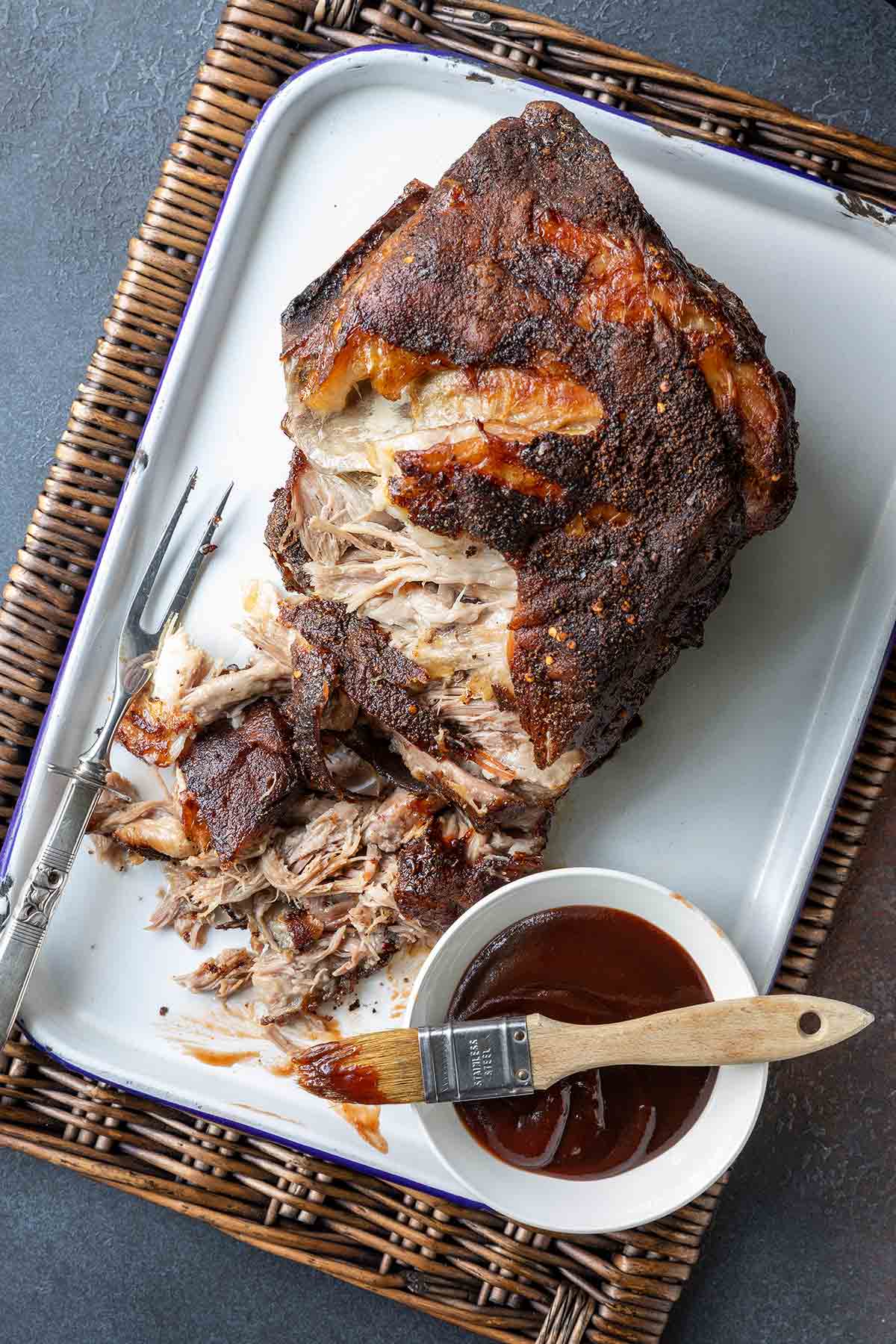
- Shred: Transfer the rested Boston Butt to a large cutting board or shallow pan. The bone should easily pull out. Using two forks or meat claws, shred the pork, discarding any large pieces of fat or gristle. Mix the shredded pork with some of the accumulated juices from the pan to keep it moist and flavorful.
- Sauce (Optional): Serve the pulled pork as is, or with your favorite BBQ sauce on the side. This is where your tourism experiences can come into play. Did you discover a particular sauce style in Memphis or Kansas City that you loved? Now’s the time to bring that flavor home.
- Serving Suggestions: Classic accompaniments include coleslaw, potato salad, baked beans, and cornbread. Serve it on soft hamburger buns for classic pulled pork sandwiches.
Lifestyle and the Art of Southern Hospitality
Baking a Boston Butt is more than just cooking; it’s an embrace of a lifestyle that values slow living, communal eating, and generous hospitality. This dish embodies the spirit of comfort and gathering, echoing the warmth you might experience staying at a Grand Hyatt Hotel that provides impeccable service or a charming villa overlooking rolling hills.
Elevating the Home Experience
- Theme Dinners: Host a “Southern Comfort” themed dinner. Decorate with a rustic charm, play some blues or country music, and serve sweet tea or even try mixing some regional cocktails. This transforms a simple meal into an immersive experience, much like a curated luxury travel itinerary.
- Pairing with Travel Memories: While shredding the pork, reminisce about your favorite trips to the Smoky Mountains or exploring the Bourbon Trail in Kentucky. The food becomes a catalyst for storytelling and shared memories.
- Community and Connection: A large Boston Butt yields a generous amount of meat, perfect for sharing with neighbors, family, and friends. This fosters community and connection, much like the shared laughter and conversations encountered in a bustling local market in a new city.
- Long-Term Stay Inspiration: For those considering a long-term stay in a new city, mastering a local dish like this is an excellent way to integrate into the local culture and feel more at home. Cooking can be a wonderful anchor when exploring new places.
- Budget Travel Deliciousness: While luxury travel offers exquisite dining, mastering an affordable yet incredibly satisfying dish like pulled pork also aligns with budget travel principles. It’s an economical way to feed a crowd without sacrificing flavor or experience.
In conclusion, the seemingly simple act of baking a Boston Butt in the oven is a profound connection to the world of travel and lifestyle. It’s about more than just food; it’s about heritage, regional distinctiveness, shared experiences, and the joy of bringing the flavors of your journeys back to your own table. So, next time you plan a special meal, consider embarking on this culinary adventure. Let the irresistible aroma of slow-cooked pork transport you, and allow yourself to savor not just the taste, but the rich tapestry of culture and memories that each delicious bite represents. It’s a taste of the South, a memory of travel guides and incredible experiences, all from the comfort of your own home.