
Embarking on a culinary journey, whether through the bustling streets of a new city or the serene comfort of a private villa rental, often involves discovering the heart of a destination through its food. While many travelers seek out Michelin-starred restaurants or vibrant street food scenes, there’s an undeniable satisfaction in mastering a classic dish yourself, especially one as iconic as the New York Strip Steak. This guide isn’t just about cooking; it’s about elevating your lifestyle and travel experiences by bringing gourmet grilling techniques into your repertoire, whether you’re at home, a well-equipped vacation rental, or even dreaming of a barbecue on a luxurious resort terrace overlooking the Mediterranean.
The New York Strip, often hailed for its perfect balance of tenderness and robust beefy flavor, is a prime cut for the barbecue. It’s a staple in high-end steakhouses across the United States and beyond, representing a taste of classic American culinary excellence. Learning to grill it to perfection is not merely a cooking skill; it’s an enhancement to your lifestyle, allowing you to recreate those memorable dining experiences wherever your travels take you. Imagine settling into a cozy apartment in Paris, equipped with a charming balcony grill, and wowing your companions with a perfectly seared steak, or enjoying a casual cookout during a family trip to a cabin in the Rockies. This guide will unlock the secrets to achieving that perfect char, juicy interior, and unforgettable flavor, transforming your barbecue into a destination-worthy culinary event.
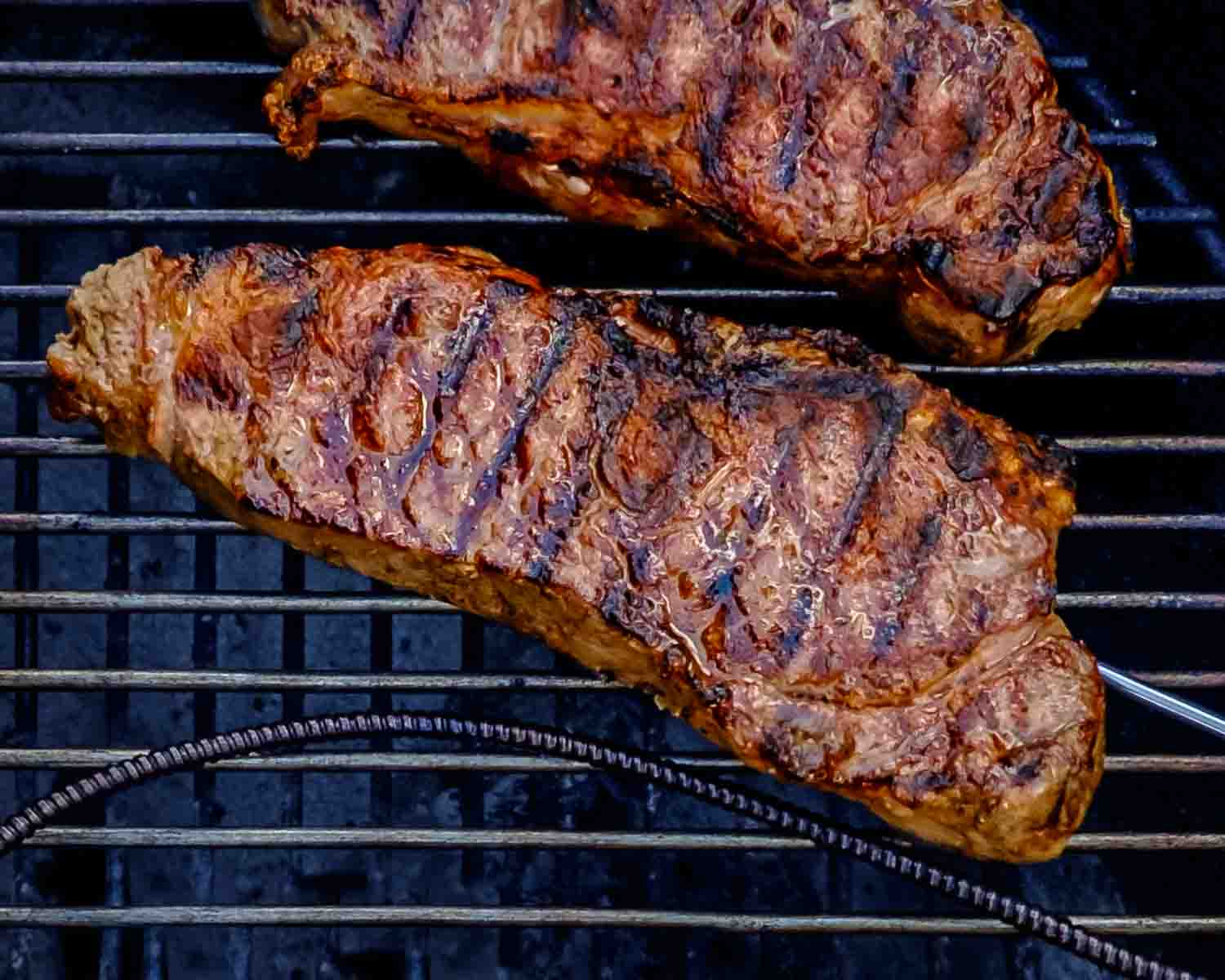
Selecting Your Prime Cut: The Foundation of Flavor
The journey to a superb grilled New York Strip begins long before the flames lick the grates. It starts with the selection of the meat itself. Just as discerning travelers carefully choose their destinations and accommodations, a truly remarkable steak requires thoughtful consideration. The quality of your beef dictates much of the final flavor and texture, making this initial step paramount.
Understanding the New York Strip
The New York Strip, also known as a Kansas City Strip or a Strip Loin Steak, is cut from the short loin, an area of the cow that doesn’t do much work, resulting in a naturally tender cut. It boasts a distinctive, rich beef flavor, often considered more intense than a tenderloin but less fatty than a ribeye. Look for steaks that are well-marbled – fine streaks of fat interspersed throughout the lean muscle. This marbling is crucial; it melts during cooking, basting the meat from within, ensuring juiciness and contributing significantly to the steak’s buttery flavor profile.
When you’re exploring local culture through its cuisine, visiting local butcher shops can be an experience in itself. In many European countries, like France or Italy, a ‘boucherie’ or ‘macelleria’ is a cornerstone of the community, offering insights into regional culinary practices. Don’t hesitate to ask your butcher about the origin of the beef, its age, and even specific recommendations for grilling. A good butcher is like a local guide, providing invaluable tips.
Thickness and Grade: What to Look For
Aim for a steak that is at least 1 to 1.5 inches thick. Thicker steaks are more forgiving on the grill, allowing you to achieve a beautiful char on the exterior without overcooking the interior. A thinner steak risks becoming dry and tough before a proper crust can form. As for grading, in the United States, the USDA grades beef as Prime, Choice, or Select.
- USDA Prime: This is the highest grade, characterized by abundant marbling and exceptional tenderness. It’s ideal for a luxurious grilling experience, perhaps when you’re indulging in a luxury travel experience or celebrating a special occasion.
- USDA Choice: Widely available and an excellent option, USDA Choice beef has good marbling and is consistently tender and flavorful. This is a fantastic choice for everyday gourmet cooking or for those seeking budget travel tips that don’t compromise on quality.
- USDA Select: This grade has the least marbling and can be less tender. While still suitable for some preparations, it’s not ideal for a standalone grilled steak where tenderness and juiciness are paramount.
When traveling, especially to countries with different grading systems, a visual inspection of marbling and speaking with a local butcher will be your best guide. Remember, quality ingredients are the bedrock of any memorable meal, whether you’re dining at a top-tier hotel restaurant or enjoying a homemade feast.
Mastering the Grill: Techniques for Perfection
Once you’ve secured your magnificent New York Strip, the stage is set for the actual grilling. This is where skill, precision, and an understanding of heat transform a raw cut into a culinary masterpiece. Think of your grill as a canvas and yourself as the artist, creating an experience as rich and fulfilling as discovering a hidden landmark or a breathtaking destination.
Preparing Your Steak for the Heat
Proper preparation ensures even cooking and maximum flavor development. This stage is crucial, akin to meticulously planning your itinerary before embarking on an epic adventure.
- Bring to Room Temperature: Remove the steak from the refrigerator at least 30-60 minutes before grilling. A cold steak hitting a hot grill will cook unevenly, with the outside charring before the inside reaches the desired doneness. Allowing it to warm up gently ensures a more consistent cook.
- Pat Dry: Use paper towels to thoroughly pat the steak dry on all sides. Moisture on the surface inhibits the Maillard reaction – the chemical process responsible for the delectable browning and complex flavors of seared meat. A dry surface is key to achieving that coveted crust.
- Season Generously: Simplicity is often best with a high-quality New York Strip. Coarse sea salt and freshly cracked black pepper are usually all you need. Apply them liberally to all sides of the steak. The salt draws out moisture, then reabsorbs it, seasoning the meat from within. Some prefer to add a touch of garlic powder or onion powder, but let the steak’s natural flavor shine. Season just before grilling for the best crust.
Setting Up Your Grill for Success
Whether you’re using a gas grill at a modern apartment rental or a charcoal grill on a scenic campsite, proper heat management is paramount. This strategy is vital, much like navigating a complex foreign city with a well-researched guide.
- Direct and Indirect Heat Zones: This is the golden rule for grilling thicker steaks.
- Charcoal Grill: Arrange your hot coals on one side of the grill for direct high heat, leaving the other side empty for indirect low heat.
- Gas Grill: Turn one or two burners to high and leave adjacent burners off or on low, creating distinct hot and cooler zones.
- Preheat Thoroughly: Heat your grill to a very high temperature (500-600°F or 260-315°C) before placing the steak on the grates. This preheating is essential for achieving an immediate, intense sear. Ensure the grates are clean and oiled to prevent sticking – a clean grill ensures consistent results and prevents undesirable flavors from past cooks.
The Grilling Process: A Dance of Fire and Flavor
Now for the main event – the actual grilling. This is where patience, observation, and a precise understanding of timing will transform your steak.
-
Sear First (Direct Heat): Place the seasoned, room-temperature steak directly over the hottest part of the grill. Close the lid for better heat retention if using a gas grill, or ensure good airflow for charcoal. Sear for 2-3 minutes per side. Resist the urge to move or flip the steak too frequently; allow a beautiful, dark-brown crust to form. This searing locks in juices and develops incredible flavor.
-
Move to Indirect Heat: Once both sides have a good sear, move the steak to the cooler, indirect heat zone of the grill. This allows the interior to cook gently and evenly without burning the exterior. Close the lid and continue cooking, flipping the steak every few minutes.
-
Monitor Internal Temperature: This is the most crucial step for achieving your desired doneness. Invest in a good instant-read meat thermometer – it’s an invaluable tool for any serious griller. Insert the thermometer into the thickest part of the steak, avoiding any bones or large pockets of fat.
- Rare: 120-125°F (49-52°C)
- Medium-Rare: 130-135°F (54-57°C) – often considered the ideal for a New York Strip
- Medium: 135-140°F (57-60°C)
- Medium-Well: 140-145°F (60-63°C)
- Well-Done: 150°F (66°C) and above (not recommended for this cut)
Remember that the steak’s internal temperature will rise by 5-10 degrees during resting, so remove it from the grill a few degrees below your target temperature.
-
Optional: Reverse Sear Method: For even greater control and a more uniform cook from edge to edge, consider the reverse sear method. This involves cooking the steak first on indirect heat until it’s about 10-15°F below your target temperature, then finishing with a quick, high-heat sear on both sides. This technique is particularly popular with thicker cuts and can be a delightful experiment for those who enjoy exploring new culinary activities during their travels.
The Final Touches: Resting, Slicing, and Serving
The barbecue is only part of the culinary journey. The final steps – resting, slicing, and thoughtfully serving your New York Strip Steak – are just as important in crafting a truly exceptional dining experience. This is where the magic of the grill fully translates into gastronomic pleasure, much like the curated details of a luxury hotel suite culminate in an unforgettable stay.
The Art of Resting Your Steak
Once your steak reaches its desired internal temperature, resist the immediate urge to cut into it. This waiting period is arguably the most critical step after cooking. Transfer the steak to a cutting board and tent it loosely with aluminum foil. Let it rest for 5-10 minutes (longer for thicker cuts).
During cooking, the intense heat forces the juices to the center of the steak. If you cut into it immediately, those precious juices will spill out onto the board, leaving you with a dry, less flavorful piece of meat. Resting allows the muscle fibers to relax and the juices to redistribute evenly throughout the steak, resulting in a significantly more tender and succulent bite. This patience is rewarded with every delicious morsel, much like the anticipation of finally reaching a magnificent landmark after a long journey.
Slicing for Maximum Enjoyment
Once rested, slice your New York Strip against the grain. The “grain” refers to the direction of the muscle fibers. Slicing against them shortens these fibers, making each piece more tender and easier to chew. A sharp knife is essential for clean, precise cuts. Aim for slices about 1/2 inch thick, or thinner if serving it as part of an appetizer or salad.
Perfect Pairings and Presentation
A perfectly grilled New York Strip stands tall on its own, but thoughtful accompaniments can elevate the entire meal into a truly memorable dining experience. Consider these pairings that complement the steak’s rich flavor:
- Classic Sides: Creamy mashed potatoes, crispy roasted asparagus, a fresh garden salad with a light vinaigrette, or grilled corn on the cob are timeless choices.
- Sauces (Optional): While a great steak often needs no sauce, a simple herb butter (compounded with garlic and fresh thyme), a red wine reduction, or a classic béarnaise sauce can add a touch of sophistication.
- Wine Pairing: A robust red wine like a Cabernet Sauvignon, Merlot, or a Zinfandel beautifully complements the richness of the steak. For a truly immersive experience, seek out local wines when traveling, exploring the unique flavors a region has to offer.
- Presentation: Arrange your sliced steak artfully on a platter, perhaps garnished with fresh herbs like parsley or rosemary. This attention to detail, much like the aesthetics of a well-designed suite or the architectural beauty of a famous building, enhances the overall enjoyment.
Whether you are enjoying this culinary triumph in your own backyard, at a charming guesthouse during a tourism adventure, or imagining preparing it at a magnificent villa overlooking the Amalfi Coast, the art of barbecuing a New York Strip Steak offers an incredible blend of skill, sensory delight, and shared experience. It embodies a facet of the travel lifestyle where the journey extends beyond mere sightseeing into the rich, flavorful tapestry of global and local gastronomy. So, fire up your grill, embrace the heat, and create an unforgettable meal that rivals any restaurant experience, making your culinary skills an integral part of your adventurous and refined lifestyle.
LifeOutOfTheBox is a participant in the Amazon Services LLC Associates Program, an affiliate advertising program designed to provide a means for sites to earn advertising fees by advertising and linking to Amazon.com. Amazon, the Amazon logo, AmazonSupply, and the AmazonSupply logo are trademarks of Amazon.com, Inc. or its affiliates. As an Amazon Associate we earn affiliate commissions from qualifying purchases.