
Embarking on a career as an educator in the vast and vibrant state of Texas offers a truly rewarding journey, not only professionally but also personally. Texas is a land of opportunity, rich in history, diverse cultures, and stunning landscapes, making it an exceptional place to live, work, and explore. As one of the fastest-growing states in the United States, the demand for dedicated and passionate teachers continues to rise, opening doors for individuals eager to shape the minds of future generations. Beyond the classroom, a teaching career in Texas provides a stable foundation from which to experience the unique lifestyle this state has to offer, from bustling metropolitan centers like Dallas and Houston to serene natural escapes in the Big Bend National Park or along the Gulf Coast. This guide will illuminate the path to becoming a certified teacher in Texas, detailing the requirements, various routes to certification, and the ongoing professional development that will enable you to thrive in this dynamic educational landscape, all while hinting at the incredible adventures that await you in your new home.
Navigating the Pathways to Becoming a Certified Teacher in Texas
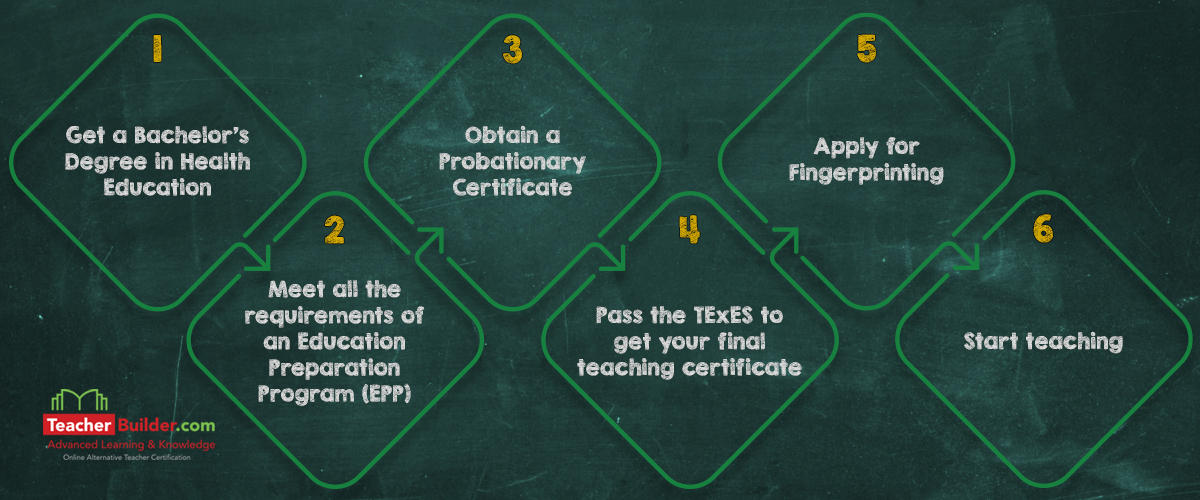
The journey to becoming a certified teacher in Texas is structured yet flexible, designed to accommodate individuals from diverse academic and professional backgrounds. The Texas Education Agency (TEA) oversees all certification processes, ensuring that educators meet rigorous standards to provide high-quality instruction. Understanding these foundational steps is crucial for anyone aspiring to make a lasting impact in a Texas classroom.
Understanding the Core Requirements
Before delving into specific certification routes, it’s essential to be aware of the baseline qualifications expected of all prospective educators. The bedrock requirement is a bachelor’s degree from an accredited institution. While the subject of your bachelor’s degree can vary, it’s typically a prerequisite for entry into any teacher preparation program. Additionally, candidates usually need to maintain a minimum Grade Point Average (GPA), often a 2.5 on a 4.0 scale, although this can sometimes be higher for specific programs or subject areas. This academic foundation demonstrates a candidate’s readiness for the intellectual demands of teaching.
Furthermore, ensuring the safety and well-being of students is paramount in Texas schools. All applicants for teacher certification are required to undergo a comprehensive fingerprinting and background check. This crucial step is not merely a formality; it reflects the commitment of the state to fostering secure and nurturing learning environments. For those considering a move to Texas to teach, fulfilling these requirements smoothly is an important part of settling into a new community and integrating into the professional fabric of the state. Establishing yourself in a new city like San Antonio or a smaller town involves not just finding a place to live, but also demonstrating your commitment to the community’s values, particularly concerning its youth.
Exploring Certification Routes: Traditional vs. Alternative
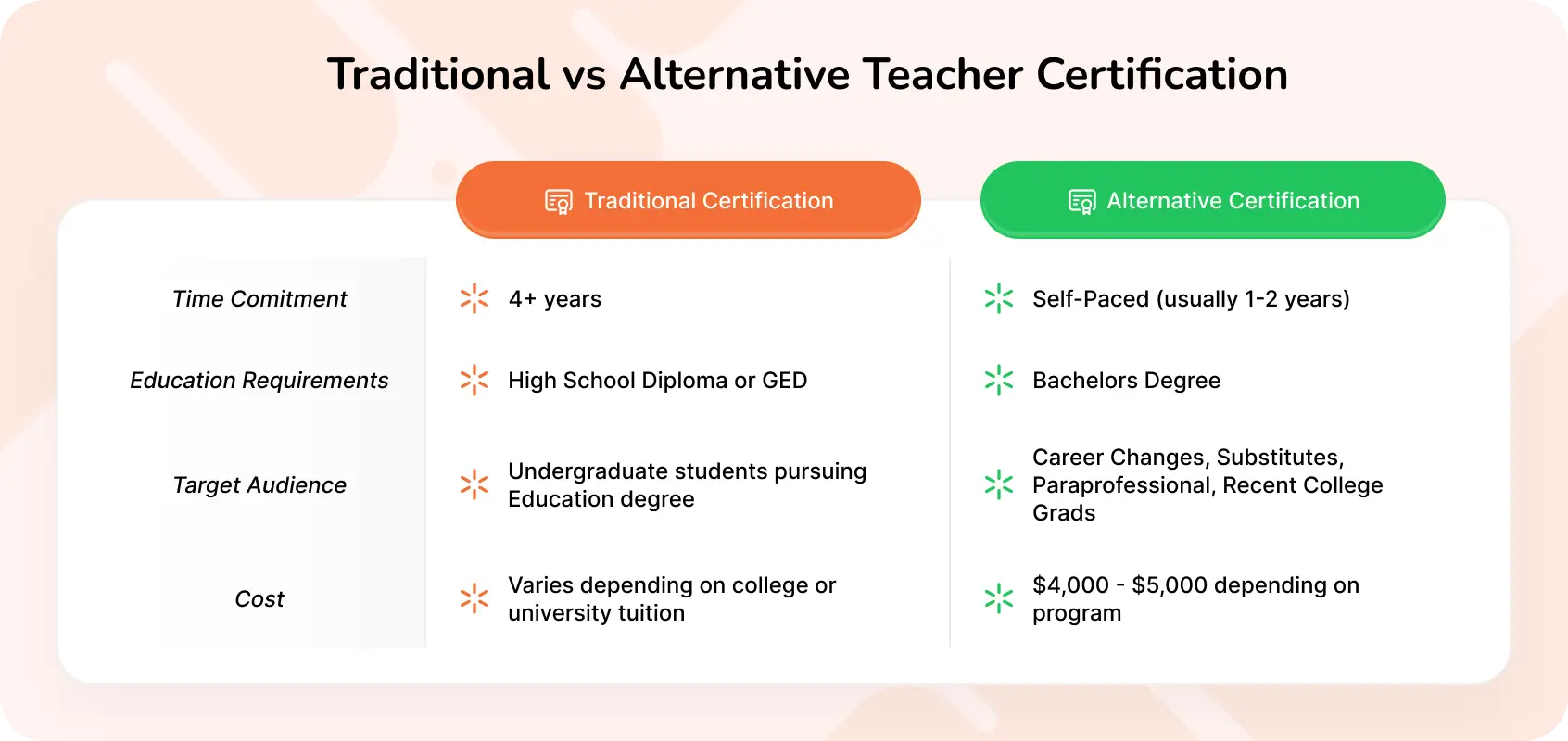
Texas offers two primary pathways to obtaining your teaching certificate: the Traditional Route and the Alternative Certification Program (ACP) Route. Each route caters to different educational backgrounds and career timelines.
-
The Traditional Route: This pathway is typically pursued by individuals who complete an educator preparation program as part of their bachelor’s degree or through a post-baccalaureate program at a college or university. These programs are often embedded within education departments at institutions like the University of Texas at Austin or the University of Houston. The traditional route emphasizes extensive coursework in pedagogy, educational psychology, and subject-specific teaching methods, culminating in a supervised student teaching internship. This immersive experience provides aspiring teachers with hands-on classroom management skills and practical instructional strategies under the guidance of experienced mentor teachers. It’s a comprehensive approach, ideal for those who prefer a structured academic environment and a gradual introduction to the teaching profession. Universities across major cities like Dallas, Austin, and Houston offer robust traditional programs, often attracting students who enjoy the vibrant campus life and cultural attractions these cities provide.
-
Alternative Certification Programs (ACPs): Designed for individuals who already hold a bachelor’s degree in a field other than education but wish to transition into teaching, ACPs offer a flexible and often faster route to the classroom. These programs are particularly popular among professionals seeking a career change or recent graduates whose degrees weren’t in education. ACPs typically involve intensive training, often starting with a period of coursework before allowing candidates to enter the classroom as a teacher of record under an internship certificate. This “earn while you learn” model is highly appealing, allowing new teachers to gain valuable experience and income immediately. ACPs are offered by various entities, including universities, regional education service centers, and private organizations. Many ACPs also offer online or hybrid formats, providing geographical flexibility for those moving to Texas or residing in less urban areas. For instance, someone with a degree in history could enroll in an ACP to become certified to teach social studies, receiving targeted training on classroom management, instructional design, and curriculum standards while actively teaching. This flexibility makes teaching an accessible career path for a wider range of talented individuals, contributing to the diverse workforce in Texas schools.
Essential Steps and Examinations on Your Journey
Regardless of the certification route you choose, there are several key examinations and an application process that all prospective Texas educators must navigate. These steps are critical benchmarks that ensure candidates possess both the subject matter expertise and pedagogical skills necessary for effective teaching.
Pre-Admission Content Test (PACT)
For some individuals entering an Alternative Certification Program (ACP), or those who do not have sufficient content hours in their bachelor’s degree to qualify for a particular subject area, the Pre-Admission Content Test (PACT) may be required. The PACT serves as an initial assessment of a candidate’s content knowledge in their desired teaching field. Passing the PACT demonstrates to the ACP that you have a foundational understanding of the subject you intend to teach, ensuring you are adequately prepared before beginning your teacher training. It’s a proactive step that helps align your existing knowledge with the demands of the Texas curriculum. Preparing for the PACT can be a focused endeavor, requiring discipline and strategic study, which are valuable qualities for any educator.
Texas Examinations of Educator Standards (TExES)
The Texas Examinations of Educator Standards (TExES) are the cornerstone assessments for all aspiring certified teachers in Texas. These comprehensive exams evaluate both a candidate’s content knowledge and their pedagogical skills. The TExES suite includes several types of tests:
- Content Exams: These are subject-specific tests that assess a candidate’s mastery of the material they intend to teach. For example, an elementary school teacher will take the Core Subjects EC-6 exam, which covers a broad range of subjects including English Language Arts and Reading, Mathematics, Social Studies, Science, and Fine Arts, Health, and Physical Education. Secondary teachers will take content exams specific to their chosen subject, such as History, Mathematics, or English Language Arts.
- Pedagogy and Professional Responsibilities (PPR) EC-12 Exam: This exam assesses a candidate’s understanding of effective teaching practices, classroom management, student development, diversity, and professional ethics. It’s designed to ensure that teachers are not only knowledgeable in their subject but also skilled in delivering instruction and managing a classroom effectively across various grade levels.
Passing the TExES exams is a non-negotiable requirement for certification. Numerous test centers are available across Texas, and a wealth of preparation resources, including study guides and practice tests, are provided by the TEA and various educational publishers. Success on these exams reflects a deep commitment to the profession and a disciplined approach to learning, qualities that translate directly into effective teaching and a fulfilling lifestyle.
The Application and Fingerprinting Process
Once you have completed your educator preparation program and passed all required TExES exams, the final step is to submit your official application for certification through the Texas Education Agency (TEA) website. This online portal is where you will input your personal information, educational history, and test scores. As previously mentioned, the fingerprinting and background check is a mandatory part of this application process. This ensures that all certified teachers have a clean record and are suitable to work with children, upholding the high standards of safety and trust within Texas school systems. The TEA processes applications, and upon approval, your official Texas teaching certificate will be issued. This moment marks the culmination of your hard work and officially ushers you into the noble profession of teaching in the Lone Star State.
Life as an Educator in Texas: Beyond the Classroom
Becoming a certified teacher in Texas is just the beginning of a dynamic and enriching career. Beyond the daily joys and challenges of the classroom, a teaching profession in Texas opens up a world of professional growth opportunities and an unparalleled lifestyle, allowing you to immerse yourself in the state’s diverse culture, breathtaking landscapes, and vibrant communities.
Professional Growth and Development
The commitment to lifelong learning doesn’t end once you receive your teaching certificate; it’s an ongoing journey in Texas. Certified teachers are required to complete a certain number of Continuing Professional Education (CPE) hours within each five-year renewal period to keep their certification current. These hours can be earned through various avenues, including workshops, conferences, postgraduate courses, and participation in district-level professional development programs. This continuous learning ensures that educators stay abreast of the latest pedagogical research, technological advancements, and curriculum changes, ultimately enhancing their effectiveness in the classroom.
Beyond mandatory requirements, Texas school districts often provide extensive opportunities for teachers to specialize in areas like gifted and talented education, special education, bilingual education, or instructional technology. There are also clear pathways for career advancement into leadership roles such as department head, instructional coach, assistant principal, or principal. Embracing professional growth not only benefits your students but also enriches your personal life, fostering a sense of accomplishment and contributing meaningfully to your local community. It allows you to develop new skills, explore new interests, and continuously refine your craft, making your teaching career a source of constant intellectual stimulation and personal fulfillment.
Embracing the Texas Lifestyle and Travel Opportunities
One of the most appealing aspects of becoming an educator in Texas is the opportunity to embrace a rich and varied lifestyle, complete with incredible travel and exploration opportunities right outside your doorstep. Texas’ sheer size and diversity mean there’s always something new to discover during weekends, holidays, or school breaks.
-
Diverse Destinations: Imagine spending your free time exploring the historic streets of San Antonio, home to The Alamo and a vibrant Riverwalk. Or perhaps you’d prefer the live music scene and eclectic culture of Austin, known as the “Live Music Capital of the World.” For those who crave urban excitement, Dallas offers world-class museums, shopping, and dining, while Houston boasts the NASA Johnson Space Center and a truly international culinary scene. Beyond the major cities, Texas also offers stunning natural beauty. You could hike through the rugged desert landscapes of Big Bend National Park, marvel at the peaks of Guadalupe Mountains National Park, or relax on the sun-kissed beaches of Galveston and South Padre Island. The charming Hill Country towns like Fredericksburg offer delightful wine tours and a taste of German heritage, providing perfect weekend escapes.
-
Accommodation and Lifestyle: As an educator, you’ll find diverse living options that cater to various preferences and budgets, from modern apartments in urban centers to family-friendly suburban homes or tranquil rural retreats. Weekend getaways are easily planned, whether you’re booking a stay at a luxurious resort on Lake Travis, a charming boutique hotel in Fredericksburg, or a budget-friendly cabin near a state park. Teachers often find their work-life balance allows for enriching family trips, exploring local festivals, enjoying Tex-Mex cuisine and legendary Texas barbecue, and engaging with the rich local culture. The lifestyle in Texas is as varied as its geography, offering everything from high-end luxury experiences in Dallas’s Uptown district to tranquil, nature-focused adventures in the vast outdoors. Becoming a teacher in Texas means more than just a job; it’s an invitation to a life filled with purpose, community, and endless opportunities for personal exploration and enjoyment.
In conclusion, embarking on a teaching career in Texas is a decision that promises profound professional satisfaction and a vibrant personal life. The clear pathways to certification, robust support systems for professional development, and the boundless opportunities for exploration within the state make Texas an ideal place for educators to thrive. By diligently following the steps to certification and embracing the continuous journey of learning, you will not only build a rewarding career but also unlock a life filled with unique experiences, cultural immersion, and the joy of contributing to the future of the Lone Star State. Your adventure in education, and in Texas itself, awaits.
LifeOutOfTheBox is a participant in the Amazon Services LLC Associates Program, an affiliate advertising program designed to provide a means for sites to earn advertising fees by advertising and linking to Amazon.com. Amazon, the Amazon logo, AmazonSupply, and the AmazonSupply logo are trademarks of Amazon.com, Inc. or its affiliates. As an Amazon Associate we earn affiliate commissions from qualifying purchases.