
Embarking on a career in law enforcement in Florida is more than just choosing a job; it’s choosing a dynamic lifestyle intertwined with one of the most vibrant and visited states in the United States. For many, the journey to becoming a police officer, deputy sheriff, or state trooper in the Sunshine State represents a profound commitment to public service, but it also opens doors to a unique blend of professional challenges and unparalleled personal opportunities. This article isn’t just a roadmap to the academy; it’s a guide to understanding the comprehensive travel, lifestyle, and accommodation considerations that come with pursuing a law enforcement career in this diverse and bustling state. From navigating the myriad training facilities scattered across its varied landscapes to understanding how its massive tourism industry shapes the policing experience, we’ll explore what it truly means to build a life of service in Florida.
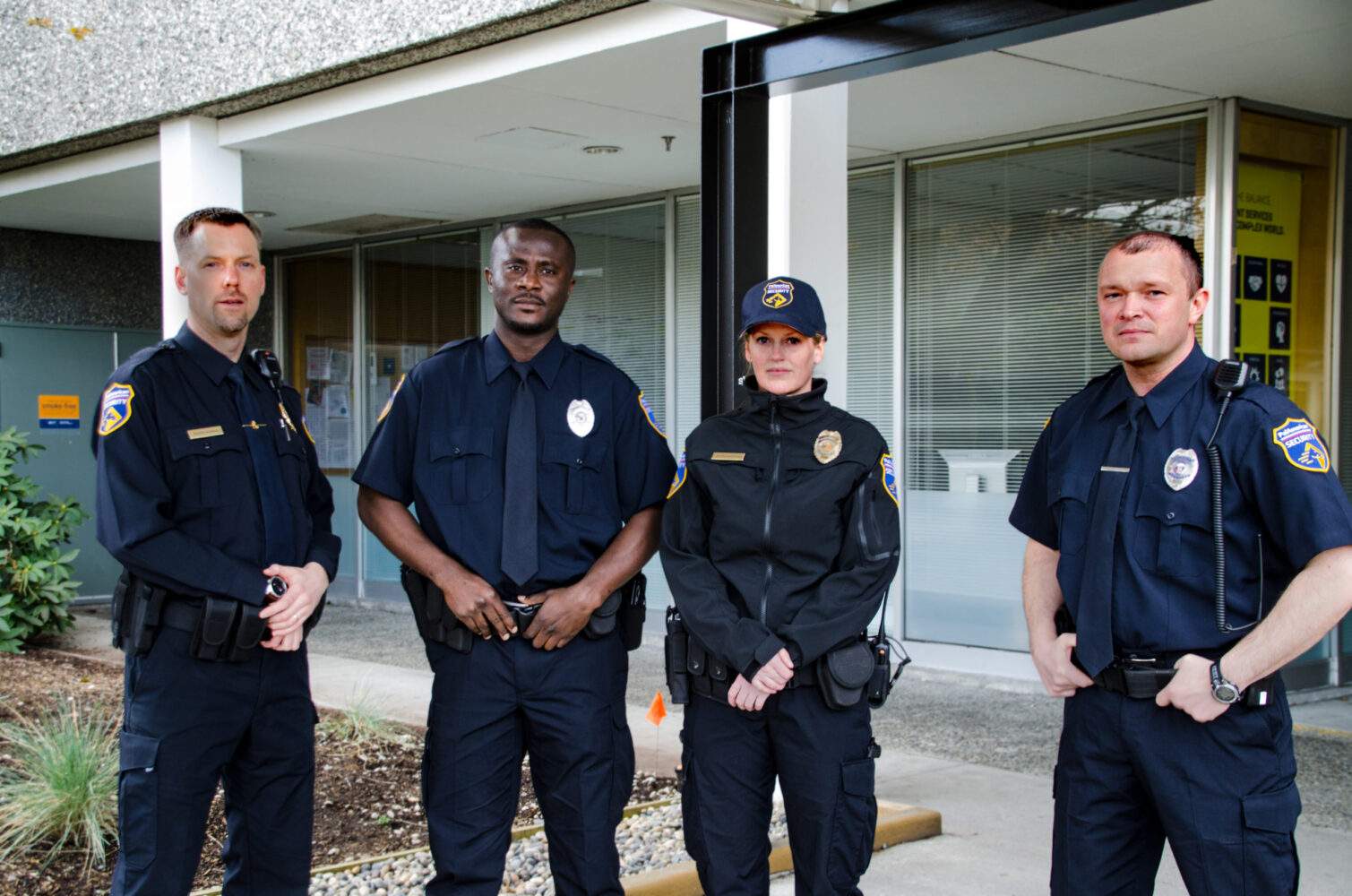
Embarking on Your Journey: The Path to Law Enforcement in the Sunshine State
The decision to join law enforcement in Florida is the first step on an exciting, albeit rigorous, journey. Unlike a typical vacation where you pick a destination for relaxation, this journey involves selecting a base for intense training and potential long-term settlement. It requires research into different regions, understanding local nuances, and preparing for a significant life transition that often involves relocation.
Navigating Academy Destinations and Training Facilities
Florida’s extensive network of law enforcement academies offers diverse environments for aspiring officers. These academies are not simply buildings; they are hubs of activity, often situated in distinct regions, each offering its own unique blend of amenities and local culture. For example, someone considering the academies near Miami would be immersed in a fast-paced, multicultural urban environment, quite different from the more suburban feel around Orlando or the coastal charm of an academy near Fort Lauderdale.
When choosing an academy, it’s akin to selecting a long-term stay accommodation. You need to consider the surrounding area’s cost of living, available housing for recruits (whether shared apartments, extended-stay hotels, or rental homes), and proximity to essential services. Some academies might be residential, providing on-campus housing, while others require recruits to find their own accommodation. This decision can greatly impact a recruit’s daily life, from commute times to leisure opportunities. For instance, attending an academy in Central Florida could mean easy access to world-famous theme parks like Walt Disney World Resort or Universal Orlando Resort on weekends, offering a distinct cultural and entertainment landscape. Conversely, an academy closer to the Gulf Coast might offer pristine beaches such as Clearwater Beach or Siesta Key Beach as a backdrop for off-duty relaxation.
The training itself is an immersive experience, blending classroom instruction with practical, hands-on scenarios. Recruits travel metaphorically through various aspects of law enforcement, from criminal justice theory to firearms proficiency and defensive tactics. Understanding the regional focus of different departments can also guide your choice. Agencies in South Florida often deal with international tourism and diverse populations, while those in North Florida or the Panhandle might focus more on interstate travel and rural policing.
The Diverse Landscapes of Florida’s Law Enforcement Agencies
Florida’s landscape for law enforcement is as diverse as its geography. From the bustling metropolitan police departments of Jacksonville and Tampa to the county sheriff’s offices spanning vast rural areas, and the specialized agencies like the Florida Highway Patrol, there’s a multitude of paths. Each agency presents its own set of challenges and opportunities, much like choosing between a high-energy city vacation and a serene natural escape.
- Urban Departments: Cities like Miami, Orlando, and St. Petersburg offer dynamic environments with diverse communities and significant tourist traffic. Here, officers might find themselves engaging with international visitors, managing large public events, and dealing with complex urban crime. The lifestyle in these areas often means access to world-class dining, cultural attractions, and vibrant nightlife, influencing where an officer might choose to settle.
- County Sheriff’s Offices: These agencies cover broader geographical areas, often encompassing both urban centers and surrounding rural or suburban communities. A deputy in a county like Collier near Naples might patrol pristine beaches and upscale communities one day, and vast agricultural lands the next. This variety can appeal to those seeking a broader range of experiences in their career.
- State Agencies: The Florida Highway Patrol, Florida Fish and Wildlife Conservation Commission, and other state-level departments involve extensive travel across the state. Patrol officers might traverse scenic routes, monitor wildlife in protected areas like Everglades National Park, or respond to incidents on interstates connecting major cities.
Choosing where to apply involves considering not just the role but the entire lifestyle that comes with it. Will you prefer the fast pace and urban amenities of Miami, the family-friendly attractions of Orlando, or the quieter, community-focused life of a smaller town? Each choice is a destination in itself, offering a unique set of experiences for your professional and personal life.
A Lifestyle of Service: Balancing Duty and Florida Living
A career in law enforcement in Florida is uniquely intertwined with the state’s popular image as a leisure and tourism hub. Officers here don’t just protect and serve; they often do so against a backdrop of stunning beaches, world-renowned attractions, and a diverse cultural tapestry. Balancing the demanding nature of the job with the vibrant lifestyle Florida offers is a key aspect of building a successful and fulfilling life here.
Finding Your Home: Accommodation for New Officers
Relocating for a law enforcement career in Florida means careful consideration of accommodation. Unlike a short-term vacation rental, this is about finding a home, often for years to come. The state offers a wide spectrum of housing options, from bustling city apartments to suburban family homes and even more rural properties, depending on the chosen department and region.
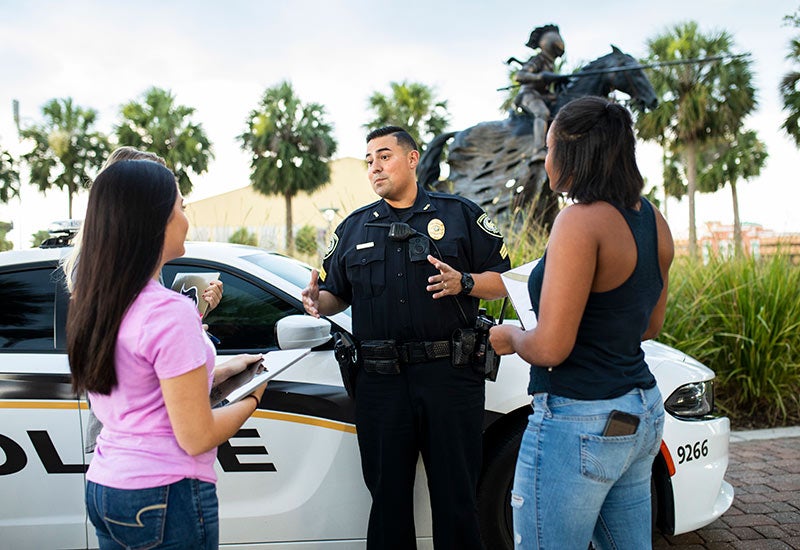
- Urban Centers: In cities like Miami, Fort Lauderdale, or Orlando, officers can find a plethora of apartment complexes, condos, and townhouses. While rent can be higher, these areas often offer excellent public transport options, proximity to work, and an abundance of amenities like diverse dining, shopping, and entertainment. Many young officers might prefer the dynamic atmosphere of living near South Beach or downtown Tampa.
- Suburban Communities: Areas surrounding major cities, such as those near Jacksonville or St. Petersburg, offer more family-friendly neighborhoods with good schools and often more spacious homes at a relatively lower cost. These communities provide a quieter residential environment while still offering reasonable access to city amenities.
- Coastal Towns: For those who dream of living near the water, towns along the Atlantic Coast or Gulf Coast present attractive options. Places like Sarasota, Naples, or communities near Daytona Beach combine a relaxed beach lifestyle with proximity to law enforcement agencies. However, coastal living can sometimes come with higher property costs and insurance considerations.
Many departments offer resources or connections to assist new recruits with relocation, understanding that finding suitable and affordable housing is crucial for a successful transition. Exploring options ranging from long-term apartment leases to potentially purchasing a home, officers have the flexibility to tailor their living situation to their personal preferences and financial plans, much like choosing the perfect resort or villa for an extended stay.
Off-Duty Adventures: Exploring Florida’s Attractions and Tourism
The true appeal of becoming a cop in Florida for many is the incredible balance between a challenging career and an unmatched quality of life. Off-duty, officers have the entire Sunshine State at their fingertips, transforming every weekend or vacation into a potential adventure.
- Theme Park Thrills: Central Florida is synonymous with theme parks. Officers and their families can enjoy discounted access or simply revel in the vibrant energy of Walt Disney World Resort, Universal Orlando Resort, SeaWorld Orlando, Busch Gardens Tampa Bay, and Legoland Florida Resort. These attractions offer a perfect escape for family trips and creating lasting memories.
- Beach Escapes: With hundreds of miles of coastline, Florida boasts some of the world’s best beaches. Whether it’s the lively shores of South Beach, the tranquil sands of Amelia Island, or the stunning beauty of Key West, there’s a beach for every mood. These natural landmarks provide ideal settings for relaxation, water sports, and enjoying the outdoors.
- Nature and Wildlife: Beyond the theme parks, Florida is a nature lover’s paradise. Exploring the unique ecosystems of Everglades National Park, fishing in Lake Okeechobee, or kayaking through mangrove tunnels are popular activities. These natural attractions offer a serene contrast to the demands of law enforcement, promoting mental and physical well-being.
- Cultural and Historical Immersion: For those interested in history and culture, St. Augustine, the nation’s oldest continuously inhabited European-established settlement, offers rich historical sites like Castillo de San Marcos. The Art Deco Historic District in Miami Beach offers a vibrant architectural experience. Tallahassee, the state capital, provides a glimpse into Florida’s political history and offers charming Southern hospitality.
- Cruises and International Travel: Florida’s strategic location makes it a gateway to the Caribbean, the Bahamas, and Mexico. Officers can easily embark on cruises from major ports like Miami, Fort Lauderdale, and Port Canaveral, offering quick and accessible international travel experiences.
This access to diverse attractions and experiences is not just a perk; it’s an integral part of the “Florida lifestyle” that attracts many to the state, ensuring that a demanding career doesn’t mean sacrificing a rich personal life.
The Unique Demands: Policing Florida’s Vibrant Tourist Hubs
Florida’s identity is inextricably linked to its status as a premier global tourist destination. Millions of visitors flock here annually, drawn by its theme parks, beaches, and vibrant culture. For law enforcement, this creates a unique operational environment, blending traditional policing with the demands of ensuring safety and security for a constantly flowing transient population.
Protecting Florida’s Iconic Landmarks and Attractions
The presence of world-renowned landmarks and attractions profoundly influences policing in Florida. Areas around Walt Disney World Resort, Universal Orlando Resort, and the Kennedy Space Center Visitor Complex become high-priority zones for security and public safety. Officers in these areas often receive specialized training in crowd control, counter-terrorism measures, and dealing with diverse international visitors.
Consider the complexity of policing Orlando: it’s not just a city of residents, but a temporary home to millions of tourists from across the globe. Law enforcement here deals with everything from petty theft targeting tourists to managing massive traffic flows around theme parks and convention centers. Similarly, the historic streets of St. Augustine and the bustling nightlife of South Beach require tailored policing strategies to maintain order while preserving the visitor experience. Even remote, protected areas like Dry Tortugas National Park present unique enforcement challenges, often requiring specialized marine or park ranger units.
This focus on protecting tourism-related assets means that law enforcement careers in Florida can offer unique opportunities for officers interested in community policing in a global context, or those seeking roles in specialized units focused on dignitary protection, event security, or tourist assistance. It adds another layer of public service, where safeguarding visitors is as crucial as protecting residents.

Community Engagement in a State Built on Hospitality
Florida’s reputation for hospitality extends to its approach to law enforcement in many respects. Community engagement becomes paramount, especially in areas where residents and visitors coexist. Police departments often work closely with local businesses, hotel associations, and tourism boards to ensure a safe and welcoming environment for everyone.
Officers might participate in outreach programs aimed at educating tourists about local laws and safety tips, or they might be visible presences at major events and festivals that draw large crowds. This level of interaction requires strong communication skills, cultural sensitivity, and an understanding of diverse perspectives. For example, in Miami, officers routinely engage with a multilingual population, requiring a nuanced approach to community relations.
The concept of a “tourist police” unit, while not formally uniform across all of Florida, is informally embodied in the daily duties of many officers in popular destinations. These officers are often the first point of contact for visitors in distress, providing assistance that goes beyond traditional crime response, such as helping with lost passports or providing directions. This blend of traditional policing with a strong emphasis on visitor services makes law enforcement in Florida a unique and rewarding career path for those who thrive in a dynamic, people-centric environment.
In conclusion, becoming a cop in Florida is not merely a job application; it’s an invitation to a comprehensive lifestyle and a challenging yet fulfilling career destination. It’s about finding your place among the vibrant communities, diverse landscapes, and iconic landmarks that define the Sunshine State. From the initial travel to an academy to the daily realities of protecting residents and visitors, this path offers an unparalleled blend of service, adventure, and the chance to live in a state renowned for its beauty and boundless experiences. For those seeking a profession that marries purpose with an exceptional quality of life, Florida’s law enforcement agencies offer a truly unique journey.
LifeOutOfTheBox is a participant in the Amazon Services LLC Associates Program, an affiliate advertising program designed to provide a means for sites to earn advertising fees by advertising and linking to Amazon.com. Amazon, the Amazon logo, AmazonSupply, and the AmazonSupply logo are trademarks of Amazon.com, Inc. or its affiliates. As an Amazon Associate we earn affiliate commissions from qualifying purchases.