
Embarking on a career as a home inspector in Florida offers a unique blend of professional challenge, independence, and the immense satisfaction of helping individuals make one of the most significant investments of their lives. In a state renowned for its vibrant tourism, diverse real estate market, and a constant influx of new residents seeking their ideal accommodation, the demand for skilled and reliable home inspectors is consistently high. This isn’t just a job; it’s a lifestyle, providing the flexibility to explore the multifaceted communities of the Sunshine State while building a valuable and respected profession.
The Allure of a Home Inspection Career in the Sunshine State
Florida, with its stunning beaches, world-class attractions, and dynamic economy, is a magnet for homebuyers from across the United States and beyond. From the bustling metropolitan areas of Miami and Orlando to the tranquil coastal towns of Sarasota and Naples, the housing market is continuously evolving. This robust environment creates a perennial need for qualified home inspectors who can provide crucial insights into the condition of properties, ensuring that buyers, sellers, and real estate professionals can proceed with confidence.
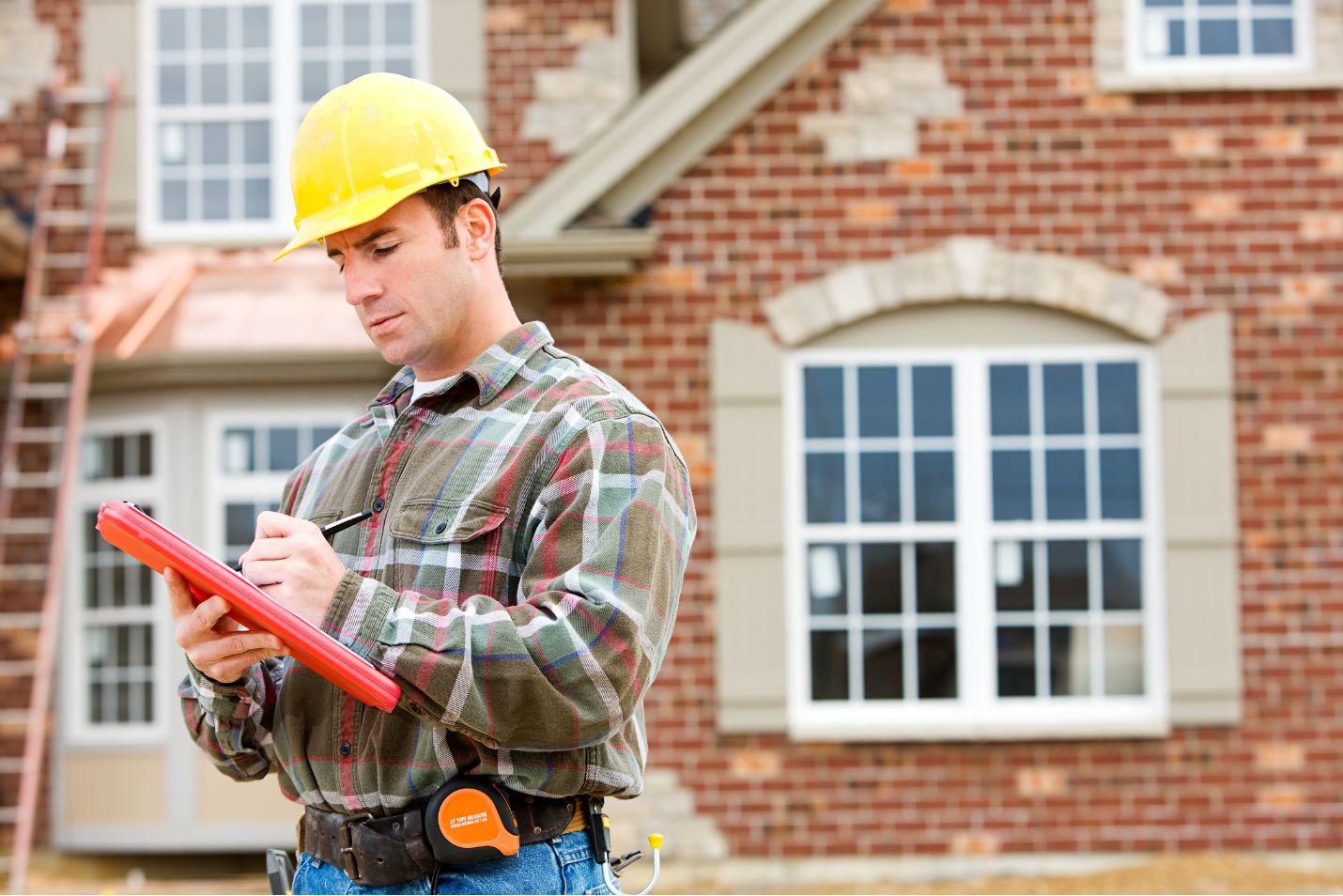
A home inspector’s role is far more than just pointing out flaws; it’s about providing a comprehensive narrative of a property’s health. They meticulously examine every accessible component, from the foundation to the roof, including critical systems like HVAC, plumbing, and electrical. This vital service protects prospective homeowners from unforeseen repair costs and provides peace of mind, contributing significantly to a smooth real estate transaction. For those passionate about understanding how buildings work, possess a keen eye for detail, and are committed to ethical service, home inspection in Florida can be an incredibly rewarding career path.
The lifestyle afforded by this profession is another significant draw. Many home inspectors operate as independent business owners, allowing for flexible scheduling and the autonomy to manage their own workload. This entrepreneurial spirit resonates with many who seek a departure from traditional corporate structures, offering the freedom to balance professional commitments with personal pursuits, perhaps even enjoying more of Florida’s countless destinations and attractions. Furthermore, the diverse range of properties – from quaint historic homes in Key West to modern luxury residences in Palm Beach, and even vacation rentals that contribute to the state’s tourism economy – ensures that no two inspection days are ever truly alike, keeping the work fresh and engaging. This variety makes the profession not only stimulating but also continuously educative, as inspectors encounter and adapt to different architectural styles and construction methods prevalent across the state.
Navigating Florida’s Licensing Requirements
Becoming a licensed home inspector in Florida is a structured process designed to ensure that all professionals meet a high standard of competence and ethics. The state regulates home inspectors through the Florida Department of Business and Professional Regulation (DBPR), establishing clear guidelines for education, examination, and ongoing practice. Understanding and meticulously following these requirements is the bedrock of a successful career in this field. It’s a journey that requires dedication to learning and a commitment to professional development, but the rewards are substantial for those who see it through.
Educational Foundations: The Mandate for Knowledge
The first crucial step on your path to becoming a home inspector in Florida is completing the mandatory educational requirements. The state mandates that aspiring inspectors must complete at least 120 hours of approved home inspection training. This comprehensive curriculum is designed to equip students with a thorough understanding of all major components and systems of a residential property. These courses cover a vast array of topics, including but not limited to:
- Structural Components: Foundations, floors, walls, ceilings, roofs, and framing.
- Exterior: Wall coverings, flashing, trim, exterior doors, decks, balconies, driveways, sidewalks.
- Roofing: Roof coverings, flashing, skylights, chimneys, and roof penetrations.
- Plumbing System: Water supply and distribution pipes, drain, waste, and vent systems, water heaters, and functional flow.
- Electrical System: Service drop, mast, main and sub-panels, wiring, outlets, switches, and ground fault circuit interrupters (GFCIs).
- Heating, Ventilation, and Air Conditioning (HVAC) System: Furnaces, boilers, air handlers, condensers, ductwork, and thermostats.
- Interiors: Walls, ceilings, floors, steps, stairways, railings, windows, and interior doors.
- Insulation and Ventilation: Insulation in attics, walls, floors, crawlspaces, and ventilation of attics and foundation areas.
- Fireplaces and Solid Fuel Burning Appliances: Chimneys, flues, and fireboxes.
Choosing an approved educational provider is paramount. Several institutions offer courses specifically tailored to Florida’s requirements, available in both online and in-person formats. Online courses offer flexibility, which can be ideal for those balancing other commitments, while in-person classes may provide more hands-on experience and direct interaction with instructors. Regardless of the format, ensure the program is recognized by the DBPR to count towards your licensing hours. Investing in a quality education is not just about meeting a requirement; it’s about building a robust knowledge base that will serve as the backbone of your professional expertise, allowing you to confidently assess everything from a modern condominium unit in Fort Lauderdale to a historic bungalow in St. Augustine.
Mastering the Exam: Your Gateway to Certification
Upon successful completion of the 120-hour educational program, the next critical hurdle is passing a state-approved examination. In Florida, candidates typically take the Florida Home Inspector Exam or the National Home Inspector Examination. These exams are rigorous, designed to test your comprehensive understanding of home inspection principles, standards of practice, and report writing. They cover all the major systems and components you studied during your training, emphasizing safety hazards and common defects found in residential properties.
Preparation is key to success on these challenging exams. Many educational providers offer specific exam prep courses, study guides, and practice tests that simulate the actual examination environment. Familiarizing yourself with the format, types of questions asked, and time constraints will significantly boost your confidence and performance. Once you pass the exam, you can then proceed with your license application to the DBPR, submitting all required documentation, including proof of education and exam scores. This successful navigation of the examination process marks a pivotal moment, officially recognizing your foundational competence and opening the door to a professional career in evaluating the structures and systems that constitute comfortable accommodation across Florida.
Practical Experience & Insurance Essentials
While Florida does not explicitly mandate a certain number of supervised inspections for initial licensing, gaining practical, hands-on experience is incredibly beneficial and highly recommended. Mentorship or shadowing experienced inspectors allows you to apply your theoretical knowledge in real-world scenarios, observe different inspection techniques, learn effective communication with clients, and understand the nuances of various property types found throughout cities like Jacksonville or Tampa. This practical exposure can be invaluable for developing your observational skills, refining your reporting methodology, and building confidence before you embark on solo inspections.
Furthermore, acquiring the appropriate insurance is not just a best practice; it’s a legal requirement to operate as a licensed home inspector in Florida. You will need to secure both General Liability insurance and Errors & Omissions (E&O) insurance. General Liability covers physical damage to property or injury to a person that might occur during an inspection, while E&O insurance protects you from claims of negligence, mistakes, or omissions in your inspection reports. These policies are crucial for protecting your business and providing peace of mind to your clients. Alongside insurance, you will also need to undergo a background check as part of the licensing process, ensuring that only qualified and trustworthy individuals are entrusted with inspecting the homes of Florida’s residents. This commitment to both practical skill and professional safeguards underscores the integrity expected of a Florida home inspector.
Building Your Home Inspection Business in Florida
Once licensed, the journey transitions from academic preparation to entrepreneurial execution. Building a successful home inspection business in Florida requires more than just technical expertise; it demands strategic planning, smart investment in tools, effective marketing, and a commitment to continuous professional growth. In a state brimming with diverse communities and a thriving real estate market, differentiating yourself and establishing a strong reputation is key to long-term success. This is where your business acumen complements your inspection skills, turning your passion into a thriving venture that contributes to the local economy and provides essential services to homeowners.
Tools of the Trade and Essential Equipment
To conduct thorough and reliable inspections, you’ll need a robust arsenal of tools and equipment. Beyond the basic flashlight and screwdriver, modern home inspection demands advanced technology to accurately assess property conditions. Key equipment typically includes:
- Thermal Imaging Camera: Essential for detecting hidden moisture issues, electrical hot spots, and insulation deficiencies, providing insights beyond the visible spectrum.
- Moisture Meter: Crucial for quantifying moisture levels in walls, ceilings, and floors, confirming the presence and extent of water intrusion.
- Drones: Increasingly used for safe and detailed inspection of roofs, especially those that are high-pitched or inaccessible by ladder, offering a unique perspective on a property’s exterior and helping to assess potential damage from Florida’s strong weather systems.
- Ladders: Various sizes, including multi-position and extension ladders, for safe access to roofs and attics.
- Safety Gear: Hard hat, gloves, knee pads, respirators, and proper footwear are paramount for personal safety during inspections, especially in crawlspaces or attics.
- Electrical Testers: Voltage sniffers, circuit testers, and GFCI/AFCI testers to verify the functionality and safety of electrical systems.
- Report Generation Software: Specialized software streamlines the report writing process, allowing for the inclusion of photos, detailed descriptions, and recommendations, producing professional and easy-to-understand reports for clients.
Investing in quality tools not only enhances your inspection capabilities but also projects a professional image, instilling confidence in your clients. Maintaining and updating your equipment regularly ensures that you are always operating with the best available technology to serve your diverse clientele across Florida’s expansive real estate landscape.
Marketing Your Services in Florida’s Diverse Communities
In a competitive market like Florida, effective marketing is crucial for attracting clients and building a sustainable business. Your marketing strategy should focus on establishing trust, showcasing your expertise, and reaching your target audience. Key approaches include:
- Networking with Real Estate Professionals: Building strong relationships with real estate agents, brokers, and lenders is perhaps the most critical marketing activity. They are often the first point of contact for homebuyers and can be a consistent source of referrals. Attend open houses, join local real estate associations, and offer educational workshops to their teams.
- Establishing a Strong Online Presence: A professional website detailing your services, qualifications, pricing, and sample reports is essential. Optimize it for local search engine optimization (SEO) so that potential clients in areas like Tampa or Orlando can easily find you. Utilize social media platforms to share helpful tips, success stories, and engage with local communities.
- Online Review Management: Encourage satisfied clients to leave positive reviews on platforms like Google, Yelp, and industry-specific sites. Positive testimonials are powerful social proof that can sway potential clients.
- Specialization: Consider specializing in particular types of inspections or properties to carve out a niche. This could include wind mitigation inspections (highly relevant in Florida for insurance purposes), mold testing, radon testing, or inspecting luxury homes, historic properties, or waterfront residences. Specialization allows you to become the go-to expert in a particular segment of the market, which can be a significant advantage.
- Professional Association Membership: Joining organizations like the Florida Association of Building Inspectors (FABI) or the American Society of Home Inspectors (ASHI), or the International Association of Certified Home Inspectors (InterNACHI) lends credibility and provides networking opportunities and access to resources.
By consistently applying these marketing strategies, you can cultivate a strong brand, attract a steady stream of clients, and establish your business as a trusted authority in Florida’s dynamic real estate landscape.
Sustaining Your Career: Continuing Education and Growth
The journey to becoming a successful home inspector doesn’t end with licensure; it’s a commitment to lifelong learning and professional development. Florida requires licensed home inspectors to complete continuing education (CE) hours to maintain their license. These courses ensure that inspectors stay current with evolving building codes, new construction materials and technologies, industry best practices, and changing regulations. Embracing CE is vital not only for compliance but also for enhancing your expertise and broadening your service offerings.
Beyond mandatory CE, actively seeking opportunities for growth can significantly expand your business and deepen your impact. This might involve:
- Advanced Certifications: Pursue additional certifications in specialized areas such as infrared thermography, mold assessment, indoor air quality, commercial property inspection, or WDO (wood-destroying organism) inspections. These specializations allow you to offer more comprehensive services, command higher fees, and differentiate yourself in the market.
- Industry Involvement: Actively participate in professional associations like FABI or ASHI. These organizations provide invaluable networking events, conferences, and resources that keep you connected to the latest industry trends and developments, fostering a sense of community among peers.
- Mentorship and Collaboration: Continue to learn from seasoned professionals, perhaps by establishing informal mentorship relationships or collaborating on larger projects. The shared knowledge and experiences can be incredibly enriching.
- Adapting to Market Needs: Stay attuned to the unique needs of the Florida market, such as the increasing importance of hurricane preparedness inspections, evaluations for energy efficiency, or assessments related to property conversions for short-term tourism accommodations.
By embracing a mindset of continuous improvement and adaptation, a home inspector in Florida can build a resilient, respected, and highly profitable career that serves the critical needs of the state’s ever-growing population and diverse property market.
The Future of Home Inspection: A Lifestyle of Expertise and Service
Becoming a home inspector in Florida is more than just obtaining a license; it’s stepping into a profession that directly impacts the safety, value, and quality of residential accommodation across the state. In a region celebrated for its tourism, diverse lifestyles, and constant influx of new residents, the demand for thorough, reliable property assessments is unwavering. Home inspectors serve as critical gatekeepers, ensuring that every house, condo, or villa—whether a permanent home or a seasonal escape—meets essential standards, thereby safeguarding personal investments and promoting healthy living environments.
This career offers a unique lifestyle of independence, intellectual engagement, and direct community contribution. You become a trusted advisor, a problem-solver, and an educator, empowering individuals to make informed decisions about their future homes. The flexibility inherent in the profession allows for a balanced life, where one can truly appreciate the distinctive charm of Florida, from its vibrant urban centers to its tranquil natural landscapes, all while building a successful enterprise. As Florida continues to grow and evolve, so too will the role of the home inspector, adapting to new technologies, building codes, and client expectations. For those ready to embrace this dynamic journey, the path to becoming a home inspector in the Sunshine State offers not just a job, but a fulfilling and impactful career.
LifeOutOfTheBox is a participant in the Amazon Services LLC Associates Program, an affiliate advertising program designed to provide a means for sites to earn advertising fees by advertising and linking to Amazon.com. Amazon, the Amazon logo, AmazonSupply, and the AmazonSupply logo are trademarks of Amazon.com, Inc. or its affiliates. As an Amazon Associate we earn affiliate commissions from qualifying purchases.