
Embarking on a fulfilling career path as a pharmacy technician in the Lone Star State offers a unique blend of service, scientific engagement, and consistent demand. Texas, with its burgeoning population and expanding healthcare infrastructure, presents a fertile ground for aspiring pharmacy technicians. This guide will navigate you through the essential steps, requirements, and considerations for launching your career in this vital healthcare role within Texas. While the core tenets of becoming a pharmacy technician are similar across the nation, Texas has its specific regulations and pathways that are crucial to understand. Our focus will be on providing a clear roadmap, interspersed with insights that might even touch upon the broader lifestyle and travel considerations that a stable and rewarding career can enable.

Understanding the Role of a Pharmacy Technician in Texas
A pharmacy technician plays an indispensable role in the efficient operation of a pharmacy. They work under the direct supervision of a licensed pharmacist, assisting with a variety of tasks that do not require the professional judgment of a pharmacist. This typically includes dispensing prescription medications, managing inventory, processing insurance claims, maintaining patient records, and compounding medications. The demand for skilled pharmacy technicians is robust, driven by an aging population, an increase in chronic diseases, and the continuous expansion of the pharmaceutical industry. In Texas, this demand is particularly pronounced, with major metropolitan areas like Houston, Dallas, San Antonio, and Austin boasting numerous employment opportunities.
The Day-to-Day Responsibilities and Work Environment
The daily routine of a pharmacy technician can vary depending on the setting. In a community pharmacy, such as those found in CVS Pharmacy or Walgreens chains, technicians might interact directly with patients, filling prescriptions, answering basic questions about medication, and assisting with over-the-counter product selection. They are the backbone of customer service, ensuring a smooth and accurate dispensing process. In hospital settings, such as Texas Medical Center or Baylor Scott & White Health, technicians have a broader scope, preparing IV admixtures, managing ward stock, and delivering medications to patient floors. This environment often involves more complex tasks and a greater degree of sterile technique.
The work environment can range from fast-paced community pharmacies to more controlled hospital or clinic settings. Regardless of the location, a strong attention to detail, excellent organizational skills, and a commitment to patient confidentiality are paramount. The ability to work collaboratively with pharmacists and other healthcare professionals is also essential. For those who enjoy a blend of patient interaction and technical tasks, the role offers a compelling career choice. Moreover, the stability and consistent demand for pharmacy technicians can provide a solid foundation for exploring other aspects of life, perhaps even facilitating opportunities for travel and experiencing the diverse attractions Texas has to offer. Imagine after a fulfilling week at a Kroger Pharmacy or H-E-B Pharmacy, planning a weekend getaway to Big Bend National Park or exploring the vibrant culture of New Orleans, a short drive from East Texas.
Educational and Training Pathways to Becoming a Pharmacy Technician in Texas
To embark on this career path, Texas mandates specific educational and training requirements. These are designed to ensure that pharmacy technicians possess the foundational knowledge and practical skills necessary to perform their duties safely and effectively. There are several pathways available, each with its own advantages.
Formal Education and Certification Programs
One of the most common routes is to enroll in an accredited pharmacy technician training program. These programs are often offered by community colleges, vocational schools, and specialized training institutions across Texas. A typical program can last anywhere from a few months to two years, culminating in a certificate or an associate’s degree. These programs cover essential subjects such as pharmacology, medical terminology, pharmaceutical calculations, drug compounding, and pharmacy law and ethics.
Upon completion of an accredited program, graduates are generally well-prepared to sit for national certification exams. The two most widely recognized certifications are the PTCB (Pharmacy Technician Certification Board) exam and the ExCPT (Exam for the Certification of Pharmacy Technicians) administered by the NHA (National Healthcareer Association). Passing one of these exams is often a requirement for employment in many pharmacies in Texas, and it demonstrates a commitment to professional standards.
On-the-Job Training and Apprenticeships
While formal education is highly recommended and often preferred by employers, Texas also allows for on-the-job training under the supervision of a licensed pharmacist. Some pharmacies may offer apprenticeship programs where individuals can learn the trade while working. This pathway can be particularly attractive for those who prefer hands-on learning and may not have the financial resources for a full-time educational program.
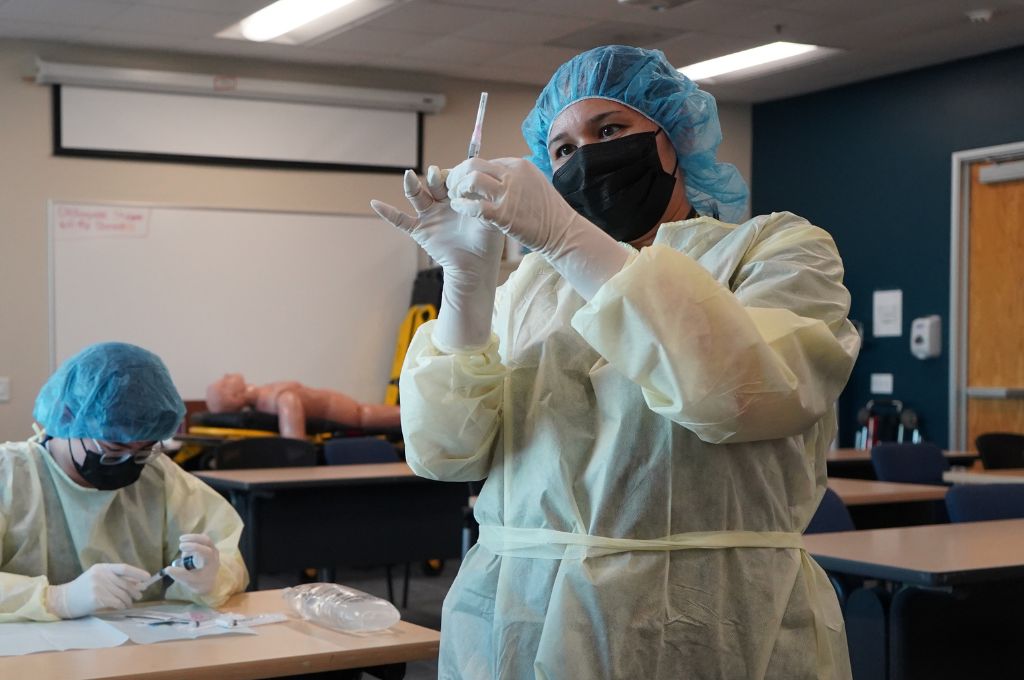
However, it is important to note that even with on-the-job training, most employers will still require or strongly encourage technicians to obtain certification. This is because certification signifies a standardized level of competency that is recognized nationwide. For individuals pursuing this route, diligent study and a proactive approach to learning are crucial to prepare for the certification exams. The experience gained in a retail setting, perhaps at a Walmart Pharmacy or a local independent pharmacy in a charming town like Gruene, can be invaluable.
Licensing and Registration Requirements in Texas
In addition to education and certification, aspiring pharmacy technicians in Texas must comply with specific state licensing and registration requirements. The Texas State Board of Pharmacy (TSBP) is the governing body responsible for regulating pharmacy practice in the state.
Registration with the Texas State Board of Pharmacy
All individuals working as pharmacy technicians in Texas must be registered with the TSBP. To become a registered pharmacy technician, you will need to meet certain eligibility criteria, which typically include being at least 18 years of age, having a high school diploma or GED, and not having a criminal conviction that would disqualify you from registration. The application process usually involves submitting a detailed application form, providing personal information, and undergoing a criminal background check.
Maintaining Registration and Continuing Education
Once registered, pharmacy technicians in Texas are required to maintain their registration by renewing it periodically, usually every two years. This renewal process typically involves submitting a renewal application and fee, and often requires proof of continuing education. Continuing education ensures that pharmacy technicians stay up-to-date with the latest advancements in pharmacy practice, new regulations, and emerging drug therapies. The TSBP provides guidelines on approved continuing education courses and the number of hours required.
For those seeking to enhance their career prospects, obtaining national certification from the PTCB or NHA can often satisfy the continuing education requirements set forth by the TSBP, providing a dual benefit. This professional development is not only a regulatory necessity but also a pathway to career advancement, potentially leading to roles with increased responsibility or specialization, such as working in a specialized compounding pharmacy or even managing inventory for a large hospital system like Methodist Health System in Dallas.
Career Advancement and Opportunities in Texas
The role of a pharmacy technician in Texas is not static. With experience, additional training, and dedication, there are numerous avenues for career advancement. The healthcare landscape is constantly evolving, and pharmacy technicians are integral to its success.
Specialization and Advanced Roles
Experienced pharmacy technicians may have the opportunity to specialize in certain areas of pharmacy practice. This could include working in sterile compounding (IV preparation), oncology pharmacy, nuclear pharmacy, or as a lead technician in a busy retail or hospital setting. These specialized roles often require additional training and certification, but they can lead to increased responsibilities and higher earning potential. Some technicians may also pursue roles in pharmacy informatics, helping to manage and optimize pharmacy information systems.
Furthermore, the growing field of medication therapy management offers opportunities for technicians to play a more active role in patient care, assisting pharmacists in educating patients about their medications and adherence. The diverse economic landscape of Texas, from the oil fields of West Texas to the tech hubs of Austin, supports a wide range of pharmacy settings, each offering unique career trajectories. Whether you dream of working in a high-volume pharmacy serving a diverse population in Houston, or a more specialized clinic catering to a specific patient group, Texas has a place for your ambitions.

Transitioning to Other Healthcare Roles
The skills and knowledge acquired as a pharmacy technician are highly transferable to other areas within the healthcare industry. Some technicians may choose to pursue further education to become registered nurses, physician assistants, or even pharmacists themselves. The foundational understanding of medications, patient care, and healthcare systems gained as a technician provides a significant advantage for those seeking to advance their careers into more clinical or professional roles. The vast network of healthcare facilities across Texas, from small rural clinics to large urban hospitals, offers a continuous pipeline of opportunities for those with a passion for health and a commitment to service. A career as a pharmacy technician can be the first step on a long and rewarding journey in the healthcare field.