
Dreaming of a career that combines your passion for people, property, and the beautiful state of Colorado? Becoming a real estate agent might be your perfect fit. Colorado’s dynamic housing market, from the bustling urban centers of Denver to the charming mountain towns like Aspen and the growing communities in Fort Collins, offers exciting opportunities for those looking to enter this rewarding profession. This guide will walk you through the essential steps, requirements, and insights to help you successfully launch your real estate career in the Centennial State.
Understanding the Role and Requirements of a Colorado Real Estate Agent
Before diving into the licensing process, it’s crucial to understand what it means to be a real estate agent and the foundational requirements set forth by the state. A real estate agent acts as an intermediary between buyers and sellers of real estate. They guide clients through the complex process of purchasing or selling a property, handling everything from property showings and market analysis to contract negotiations and closing. This profession demands strong interpersonal skills, a keen understanding of the local market, excellent communication, and a commitment to ethical conduct.
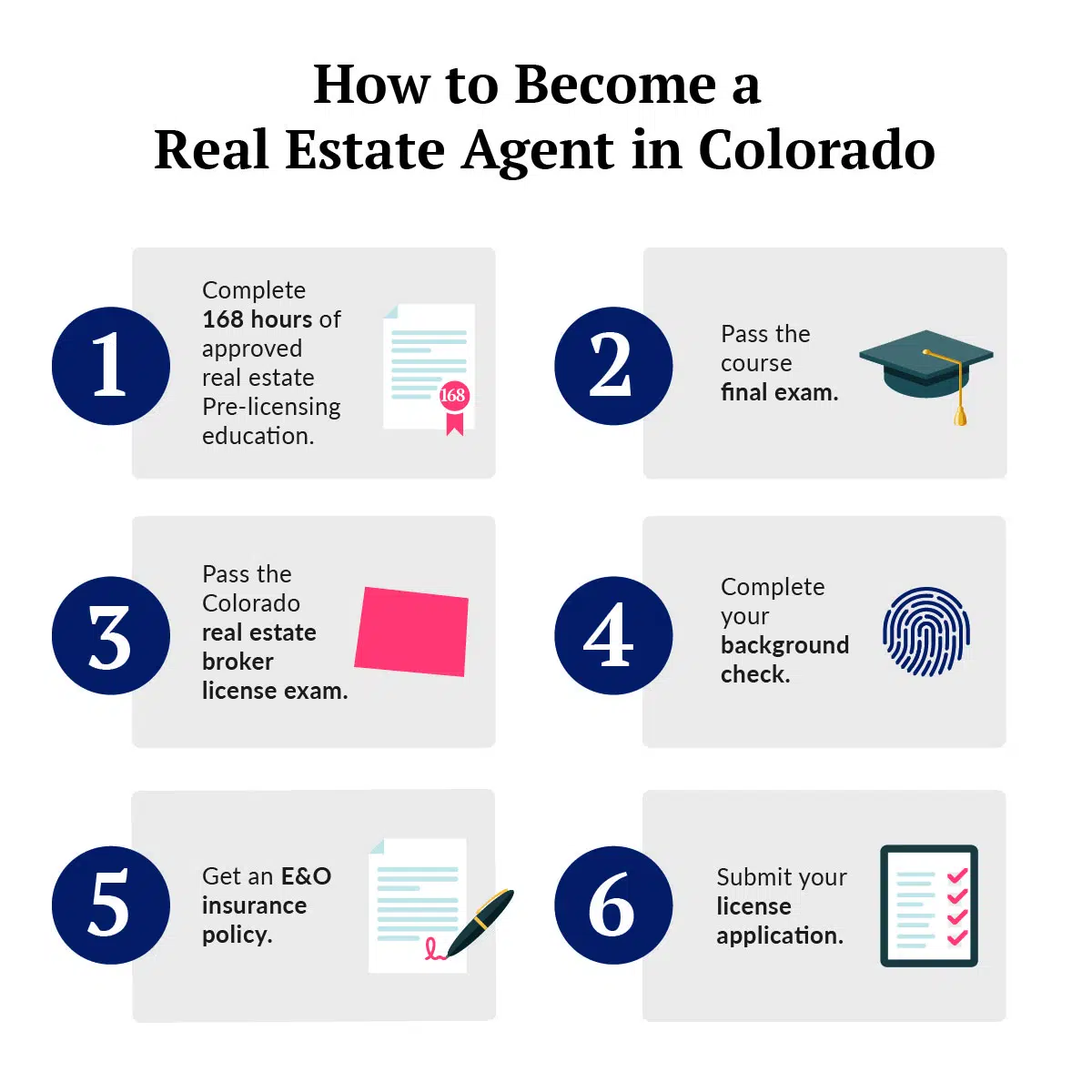
In Colorado, the licensing and regulation of real estate professionals fall under the purview of the Colorado Division of Real Estate, which operates under the Department of Regulatory Agencies (DORA). To practice real estate in Colorado, you must hold a valid real estate license issued by the state. The licensing requirements are designed to ensure that all agents possess the necessary knowledge and competency to serve the public effectively and honestly.
Eligibility Criteria: Setting the Foundation
To be eligible for a real estate salesperson license in Colorado, you must meet several key criteria. These are the fundamental building blocks for anyone aspiring to join the profession:
- Age: You must be at least 18 years of age. This ensures you are considered an adult with the legal capacity to enter into contracts.
- Education: A high school diploma or its equivalent is a prerequisite. While not always explicitly stated as a separate bullet point, it’s an assumed requirement for any professional licensing.
- Residency: You do not necessarily need to be a resident of Colorado to obtain a license, but you must designate a resident broker in Colorado and maintain a business address in the state. Out-of-state applicants will need to provide proof of licensure in their home state and may need to meet additional requirements.
- Good Moral Character: Applicants must demonstrate good moral character. This is typically assessed through background checks and disclosure of any criminal history. The Colorado Real Estate Commission will review any criminal convictions to determine if they prevent you from obtaining a license. Honesty and integrity are paramount in this industry.
These eligibility criteria are the first hurdle in your journey. Meeting them ensures you are on the right path to pursuing the formal education and examination requirements.
Navigating the Educational and Examination Process
Once you’ve confirmed your eligibility, the next significant steps involve obtaining the required education and passing the state examination. Colorado has specific pre-licensing education requirements designed to equip you with the fundamental knowledge of real estate principles, practices, and law.
Pre-Licensing Education: Building Your Knowledge Base
Colorado mandates that all aspiring real estate agents complete a specific number of pre-licensing education hours from an accredited real estate school. As of the latest regulations, this typically involves:
- 168 Hours of Approved Pre-Licensing Education: This coursework is divided into several modules covering essential topics. These generally include:
- Real Estate Contracts and Practices: Understanding the legal aspects of real estate transactions, including different types of contracts, their elements, and how to draft and interpret them. This covers agreements between buyers and sellers, listing agreements, and leases.
- Real Estate Law: This module delves into the laws governing real estate in Colorado, including property rights, landlord-tenant laws, fair housing regulations, and agency relationships.
- Real Estate Finance: Learning about mortgage lending, appraisal methods, and the financial aspects of real estate transactions, including interest rates, loan types, and closing costs.
- Real Estate Principles and Practices: A broad overview of the real estate industry, including market analysis, property valuation, ethics, and the roles and responsibilities of real estate professionals.
- Real Estate Closings: Understanding the closing process, including title insurance, escrow services, and the distribution of funds.
These courses are offered by various approved real estate schools across Colorado and online. It’s important to choose a school that is accredited and provides comprehensive materials and instruction. Many schools offer flexible scheduling options, including evening and weekend classes, to accommodate individuals who are currently employed. The successful completion of these courses will result in a certificate of completion, which you will need to present when applying for your license and scheduling your exam.
The Colorado Real Estate License Examination: Proving Your Competence
After completing your pre-licensing education, you must pass the official Colorado Real Estate Broker License Examination. This rigorous exam is administered by a third-party testing service, typically Pearson VUE, and is designed to assess your understanding of the knowledge gained during your coursework.
The exam is divided into two sections:
- National Portion: This section covers general real estate principles and practices that are applicable nationwide. It assesses your understanding of topics like property ownership, contracts, financing, and agency relationships as they apply across different states.
- Colorado State Portion: This section focuses specifically on Colorado real estate laws, regulations, and practices. It tests your knowledge of state-specific statutes, disclosure requirements, and procedural rules that govern real estate transactions within Colorado.
You will need to register for the exam through the designated testing service and pay the required examination fee. It is highly recommended to thoroughly review your pre-licensing course materials, practice with sample exams, and consider attending review courses to maximize your chances of passing. You must achieve a passing score on both sections of the exam to be eligible for licensure.
The Licensing Application and Beyond: Officializing Your Career
Passing the exam is a monumental achievement, but it’s just one part of the process. You still need to formally apply for your license and, critically, affiliate with a licensed Colorado real estate broker.
Submitting Your Application and Background Check
Once you have passed the state examination, you can proceed with submitting your official license application to the Colorado Division of Real Estate. This application will require you to provide details about your education, examination scores, and personal information.
Crucially, you will need to undergo a background check, which includes fingerprinting. As mentioned earlier, any criminal history will be reviewed, and you will need to disclose any convictions. Honesty and transparency are essential during this phase. The Colorado Bureau of Investigation (CBI) typically conducts these checks. The application process also involves paying the required licensing fees.
Affiliating with a Broker: Your Essential Partnership
In Colorado, an individual holding a real estate salesperson license cannot operate independently. You are legally required to be affiliated with a licensed Colorado real estate broker. This broker is responsible for supervising your activities and ensuring you adhere to all state laws and ethical standards.
Choosing the right brokerage firm is a significant decision that can impact your career trajectory. Consider factors such as:
- Brokerage Culture and Support: Does the firm offer a supportive environment for new agents? Do they provide training, mentorship, and resources to help you succeed?
- Commission Structure and Fees: Understand how commissions are split and what fees you will be responsible for (e.g., desk fees, marketing fees).
- Training and Mentorship Programs: Look for brokerages that invest in their agents through ongoing training, coaching, and mentorship. Experienced agents can offer invaluable insights and guidance.
- Brand Reputation and Market Presence: A well-established brokerage with a strong reputation in the Colorado real estate market can provide a solid foundation and access to a wider client base.
- Technology and Tools: Does the brokerage provide access to essential technology, such as CRM systems, marketing platforms, and listing services?
You will need to submit an affiliation form, signed by both you and your sponsoring broker, as part of your license application or shortly after obtaining your license. Your license will not be active until this affiliation is established.
Sustaining Your Real Estate Career in Colorado
Obtaining your license is the beginning, not the end, of your journey. To thrive as a real estate agent in Colorado, continuous learning, professional development, and strategic networking are key.
Continuing Education and Professional Development
The real estate industry is constantly evolving, with new laws, market trends, and technologies emerging regularly. To maintain your license and stay competitive, you must complete continuing education (CE) credits. Colorado requires licensed real estate agents to complete a specific number of CE hours every two years. These courses ensure you stay updated on legal changes, ethical practices, and industry best practices.
Beyond the mandatory CE, consider pursuing additional certifications or designations that can enhance your expertise and appeal to specific client segments. For example, designations like Accredited Buyer’s Representative (ABR) or Seller Representative Specialist (SRS) can signal specialized knowledge and commitment to clients. Attending industry conferences, workshops, and seminars, whether in Colorado Springs or elsewhere, is also invaluable for professional growth and networking.

Building Your Network and Marketing Your Services
Your success as a real estate agent will largely depend on your ability to build and nurture relationships and effectively market your services.
- Networking: Attend local real estate association meetings, community events, and business networking functions. Connect with other agents, lenders, inspectors, appraisers, and potential clients. Building a strong network can lead to referrals and collaborative opportunities. Consider joining organizations like the Colorado Association of REALTORS® (CAR), which provides resources, advocacy, and networking opportunities.
- Marketing: Develop a comprehensive marketing strategy to reach potential buyers and sellers. This can include:
- Online Presence: Create a professional website, utilize social media platforms like Facebook and Instagram, and consider online advertising.
- Content Marketing: Share valuable content, such as market updates, tips for buyers and sellers, and local area guides, to establish yourself as an expert.
- Email Marketing: Build an email list and regularly communicate with past clients and potential leads.
- Referral Programs: Encourage satisfied clients to refer friends and family.
- Local Engagement: Participate in community initiatives and volunteer work to increase your visibility and build rapport within the communities you serve, such as the vibrant neighborhoods of Boulder.
By consistently engaging in these activities, you can build a sustainable and successful career as a real estate agent in the beautiful and ever-evolving state of Colorado, contributing to the local economy and helping people find their perfect homes, whether it’s a mountain retreat near Vail or a suburban family home in the Denver metro area.