
Florida, the Sunshine State, is more than just a popular tourist destination; it’s a vibrant tapestry of diverse communities, stunning natural beauty, and a booming real estate market. For many, the dream of living amidst its pristine beaches, bustling cities, and world-class attractions is a powerful draw. This constant influx of residents, snowbirds, and vacation home seekers creates an unparalleled opportunity for aspiring real estate professionals. Becoming a licensed real estate agent in Florida offers not just a career, but a lifestyle, blending entrepreneurial spirit with the chance to explore the state’s most captivating destinations and help others find their slice of paradise.
Imagine a career where your office could be a luxurious waterfront condo overlooking South Beach, a charming historic home in St. Augustine, or a sprawling family estate near the theme parks of Orlando. Real estate in Florida is uniquely intertwined with its identity as a travel and tourism hub. From luxury resorts offering fractional ownership to quaint vacation rentals and sprawling residential communities, the variety of properties is as diverse as the people who visit and call this state home. This guide will walk you through the exciting journey of becoming a real estate agent in Florida, highlighting how this profession can perfectly align with a passion for travel, lifestyle, and helping others discover incredible accommodations.
Why Florida? A Lifestyle and Investment Paradise
The allure of Florida is undeniable. Its year-round sunshine, warm waters, and a diverse array of cultural and recreational activities make it a prime location for both permanent residence and temporary escapes. For real estate professionals, this means a consistently active market fueled by both domestic and international interest. Understanding the unique appeal of Florida is key to thriving in its real estate landscape.
The Allure of Florida Living
Florida’s lifestyle offerings are incredibly varied, catering to a wide spectrum of preferences. On the Atlantic Coast, cities like Miami dazzle with their vibrant nightlife, Art Deco architecture, and international flair, attracting those seeking a dynamic urban experience. Here, agents often navigate a market rich with luxury apartments, high-rise condos, and opulent waterfront estates, appealing to clients seeking an upscale, cosmopolitan lifestyle. Further north, Fort Lauderdale, often called the “Venice of America,” offers an extensive canal system, making it a yachting paradise. Even further up the coast, Palm Beach exemplifies old-world glamour with its grand estates and exclusive resorts.
On the other side, the Gulf Coast presents a more relaxed, family-friendly atmosphere with its pristine white-sand beaches. Destinations like Clearwater Beach, Sarasota, and Naples are renowned for their natural beauty, charming downtowns, and exceptional quality of life. Agents in these areas frequently assist clients looking for spacious single-family homes, beachfront bungalows, or vacation villas perfect for long-term stays. The lifestyle here often revolves around outdoor activities, from boating and fishing to golf and nature exploration in places like Everglades National Park.
Central Florida, anchored by Orlando, is synonymous with theme parks like Walt Disney World Resort and Universal Orlando Resort. This region attracts families, investors in vacation rentals, and individuals seeking a vibrant entertainment scene. Agents in Orlando often specialize in properties that cater to the tourism industry, from short-term rental communities to properties close to major attractions.
This incredible diversity means that a Florida real estate agent can truly tailor their career path to their interests, whether it’s navigating the luxury market of Miami, the serene family communities of Tampa, or the investment opportunities in Destin’s vacation rental market.
Investment Opportunities for Travelers and Residents
Beyond lifestyle, Florida is a magnet for real estate investment. Its robust tourism industry fuels a constant demand for accommodation, not just in hotels and resorts, but also in private vacation homes and long-term rentals. This provides a lucrative avenue for real estate agents who can guide clients through the process of purchasing investment properties. Many international travelers, having experienced the beauty of Florida as tourists, decide to invest in a second home or a property that can generate rental income when they are not using it.
Agents play a crucial role in helping these clients understand local rental markets, property management options, and the specifics of zoning for short-term rentals. The availability of diverse property types – from cozy apartments perfect for budget travelers to lavish villas ideal for luxury travel – means there’s an investment opportunity for nearly every budget and goal. Furthermore, Florida’s favorable tax environment (no state income tax) makes it an attractive destination for retirees and those relocating for business, further stimulating the residential market. Whether clients are looking for a permanent residence near Jacksonville’s growing tech scene, a beachfront condo in Key West, or an income-generating property in Daytona Beach, the opportunities are vast.
The Path to Becoming a Licensed Florida Real Estate Agent
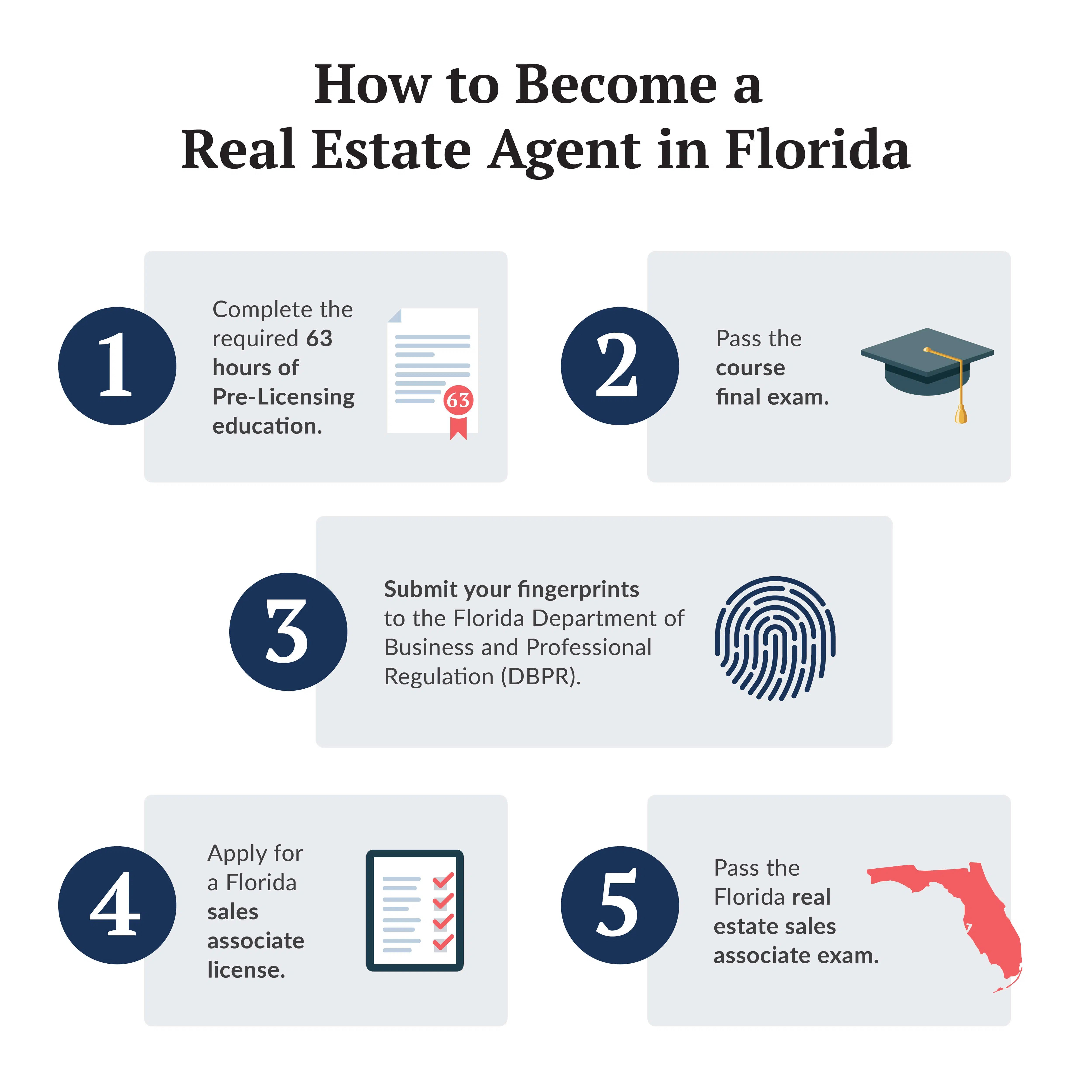
The journey to becoming a licensed real estate agent in Florida is structured and straightforward, designed to ensure that all agents are well-equipped with the knowledge and ethics required to serve clients effectively. It involves a series of steps mandated by the Florida Real Estate Commission (FREC), which operates under the Florida Department of Business and Professional Regulation (DBPR).
Meeting Eligibility Requirements
Before embarking on the educational journey, prospective agents must meet several fundamental eligibility criteria. Applicants must be at least 18 years old and possess a high school diploma or its equivalent. Importantly, applicants must also have a social security number. While a U.S. citizenship is not required, being lawfully present in the United States is a prerequisite.
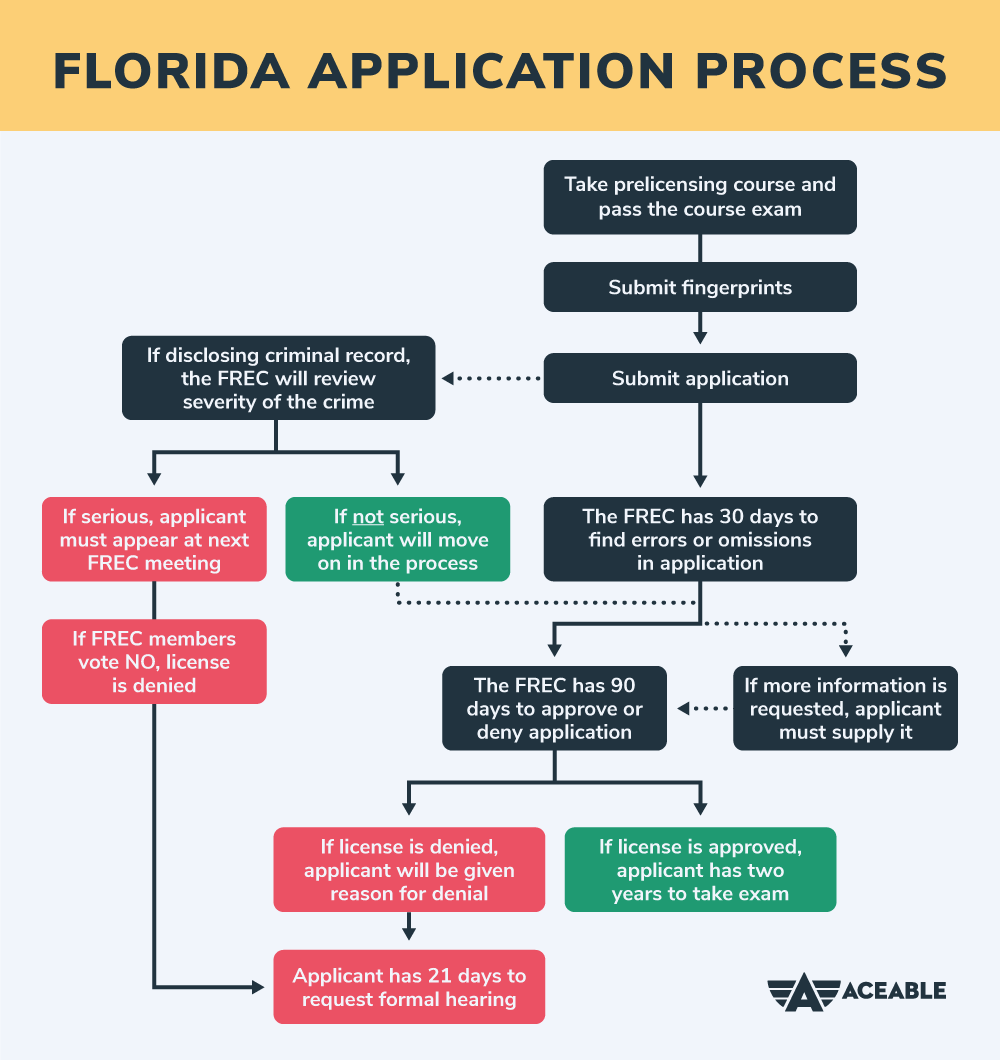
A significant part of the eligibility check involves a background screening. The FREC requires all applicants to submit fingerprints for a criminal background check. Honesty is paramount in this stage; applicants must disclose any criminal history, even if records have been sealed or expunged. While a criminal record doesn’t automatically disqualify an applicant, failure to disclose it will. The FREC reviews each case individually, considering the nature of the crime, the time elapsed, and evidence of rehabilitation. This rigorous process ensures that licensed agents uphold the highest standards of integrity.
Navigating the Pre-Licensing Education
Once eligibility is confirmed, the next crucial step is completing the state-mandated pre-licensing education. Florida requires aspiring agents to complete a 63-hour sales associate pre-licensing course. This comprehensive course covers a wide array of topics essential for understanding the real estate profession, including:
- Real Estate Law: Understanding the legal framework governing property ownership, contracts, and transactions in Florida.
- Property Rights: Delving into the various types of ownership, easements, and encumbrances.
- Valuation and Appraisal: Learning methods to determine property values, crucial for both sellers and buyers.
- Finance: Grasping the basics of mortgages, financing options, and the role of financial institutions.
- Agency and Brokerage: Understanding the relationships between agents, brokers, and clients, and the ethical responsibilities involved.
- Contracts: Mastering the intricacies of real estate contracts, from listing agreements to purchase agreements.
- Marketing and Sales: Developing strategies for listing properties, attracting buyers, and closing deals.
These courses can be taken through various approved providers, including community colleges, universities, and private real estate schools, with options for in-person, online, or hybrid learning. This flexibility allows aspiring agents to fit their education around existing commitments, a significant advantage for those transitioning from other careers or managing family trips. Upon successful completion of the course and passing its end-of-course exam, students receive a certificate of completion, which is necessary to apply for the state exam.
Acing the Florida Real Estate Exam
With the pre-licensing education complete, the next hurdle is the Florida real estate sales associate examination. This is a rigorous, multiple-choice exam administered by Pearson VUE, designed to test a candidate’s understanding of all the material covered in the 63-hour course. The exam consists of 100 questions, and candidates have 3.5 hours to complete it. A passing score of 75% or higher is required.
Preparing for this exam typically involves extensive review of course materials, practice tests, and potentially enrolling in exam prep courses. Success on the state exam demonstrates a candidate’s readiness to handle the complexities of real estate transactions and their commitment to professional standards. Once the exam is passed, the candidate can then submit their application to the DBPR for licensure. The entire process, from application to passing the exam and receiving the license, typically takes several weeks to a few months, depending on how quickly one completes the education and schedules the exam.

Post-Licensing and Continuing Education
Obtaining the initial license is just the beginning. Florida mandates a post-licensing education requirement for all new sales associates. Within their first renewal cycle (which is typically two years), agents must complete 45 hours of post-licensing education. This course delves deeper into practical aspects of real estate and helps new agents hone their skills beyond the foundational knowledge. Failure to complete this requirement within the first renewal period will result in the license becoming null and void.
After the initial post-licensing period, agents are required to complete 14 hours of continuing education every two years to maintain an active license. This includes specific hours on core law and ethics, ensuring that agents stay updated on changes in legislation, market trends, and best practices. This commitment to ongoing learning ensures that Florida real estate agents remain competent, ethical, and effective throughout their careers, constantly adapting to an evolving market driven by factors such as new attractions, shifts in tourism, and changes in accommodation preferences.
The Real Estate Agent Lifestyle: Blending Work and Travel
Becoming a real estate agent in Florida offers a unique professional lifestyle that can perfectly complement a passion for travel and exploration. It’s a career where the boundaries between work and personal interests often blur, in the most rewarding way possible.
Exploring Diverse Destinations as an Agent
As a Florida real estate agent, your work will naturally lead you to explore various cities, towns, and even remote areas of the state. Showing properties isn’t just about unlocking doors; it’s about showcasing a lifestyle. This involves understanding the local culture, the nearest attractions, the best dining spots, and even the nuances of different neighborhoods. For an agent passionate about travel, this translates into a continuous opportunity for discovery.
Imagine a week where you might show luxury beachfront condos on Anna Maria Island one day, historic properties in St. Augustine the next, and then a sprawling ranch near Gainesville. Each client, each property, and each location offers a fresh experience. Agents often become local experts, providing not just real estate advice but also insights into the best local food, activities, and tips for enjoying life in that specific destination. This deep knowledge enhances their value to clients, especially those relocating from out of state or looking for a vacation home. It truly is a career where you can integrate personal travel experiences and destination knowledge directly into your professional expertise.
Understanding Different Property Types (Hotels, Villas, Long-Term Stays)
The broad spectrum of the Florida real estate market means agents deal with an impressive variety of property types. This is where the website’s core topics of hotels, suites, resorts, apartments, and villas directly intersect with the real estate profession. Agents are not just selling houses; they are often selling investment properties that function as vacation rentals, luxury suites in high-end resorts, or even helping developers market new communities with resort-style amenities.
Understanding the nuances of different accommodation types is vital. For instance, selling a villa in a managed resort community requires knowledge of homeowners’ associations, rental programs, and the specific amenities that attract short-term renters or long-term residents. Working with clients interested in apartments might involve comparing various buildings based on their amenities, location, and potential for rental income. Agents specializing in long-term stay options might guide clients through the complexities of finding a suitable rental property or a second home that meets their lifestyle needs. The ability to articulate the value proposition of a property – whether it’s proximity to Kennedy Space Center, access to a private marina on Biscayne Bay, or resort-like amenities – is what distinguishes a successful agent.
Connecting with Clients on Vacation
Many clients, particularly those seeking vacation homes or investment properties, first encounter Florida as tourists. This presents a unique opportunity for real estate agents to connect with potential clients in a relaxed, experiential setting. While ethical rules prevent direct solicitation in many instances, being present and engaged in tourist-heavy areas, understanding the visitor experience, and even cultivating relationships with local businesses (hotels, tour operators) can lead to referrals.
An agent who truly understands what makes Key West charming, or what kind of experiences Marco Island offers, can better connect with a client who fell in love with these places during their own travels. Discussing local culture, sharing tips for exploring hidden gems, or even recommending favorite restaurants can build rapport and trust. This holistic approach, where an agent acts as both a real estate expert and a local guide, can be incredibly powerful in a state driven by tourism and lifestyle choices. Imagine helping a family who enjoyed their family trips to Siesta Key so much that they want to purchase a permanent vacation home there. Your deep understanding of the area’s attractions and accommodation types would be invaluable.
Maximizing Your Success in Florida’s Dynamic Market
Becoming a licensed agent is the foundation; building a successful career requires strategic thinking, continuous effort, and a keen understanding of the market. Florida’s dynamic real estate landscape rewards those who are proactive, adaptable, and client-focused.
Building a Strong Network
In real estate, your network is your net worth. This adage holds particularly true in Florida, where relationships with other agents, brokers, lenders, inspectors, and contractors are crucial. Joining local real estate boards and associations not only provides access to the Multiple Listing Service (MLS) but also offers invaluable networking opportunities, educational seminars, and advocacy for the profession. Attending industry events, workshops, and even local community gatherings can help establish your presence and reputation.
Beyond industry professionals, building a network of satisfied clients who refer you to their friends and family is the cornerstone of a sustainable career. Providing exceptional service, transparent communication, and going the extra mile to ensure a smooth transaction will solidify your reputation and generate organic growth, crucial for long-term success whether you’re working in West Palm Beach or Pensacola.
Specializing in Niche Markets (e.g., Luxury Properties, Vacation Rentals)
Given the sheer size and diversity of Florida’s real estate market, specializing in a niche can be a highly effective strategy. Instead of trying to be a generalist, focusing on a particular area or type of property allows you to develop deep expertise and become the go-to agent for that segment. For instance, an agent passionate about luxury travel might specialize in high-end luxury properties in Palm Beach or Miami Beach, understanding the unique demands and expectations of affluent clients. This might involve properties with exclusive amenities, private beach access, or state-of-the-art smart home technology.
Similarly, an agent with an interest in tourism and short-term accommodations could specialize in vacation rentals around popular destinations like Orlando, Kissimmee, or the Florida Keys. This would involve understanding local regulations for short-term leases, the appeal of different resort-style communities, and how to maximize rental income for investors. Other niches could include commercial real estate, land development, historic homes, or even properties near specific landmarks like Dry Tortugas National Park or Amelia Island. Specialization allows you to market yourself more effectively and build a strong reputation within a specific segment.
Leveraging Digital Tools and Marketing
In today’s digital age, a strong online presence is non-negotiable for real estate agents. This includes a professional website, an active presence on social media platforms, and potentially using targeted online advertising. High-quality photography, virtual tours, and drone footage are essential for showcasing properties, especially for out-of-state or international buyers. Tools that allow for virtual showings and online document signing have become standard, making transactions smoother and more accessible.
Furthermore, leveraging content marketing by creating blog posts or videos about local attractions, neighborhood guides, or investment tips can establish you as an authority and attract potential clients. For instance, an agent could write a guide to the best family trips in Orlando for vacation rental buyers, or highlight the historical significance of homes in St. Augustine. This approach aligns perfectly with the website’s focus on travel, destinations, and lifestyle content, creating a seamless bridge between your professional expertise and the interests of your target audience.
Becoming a real estate agent in Florida is more than just obtaining a license; it’s an invitation to a dynamic career that allows for personal growth, financial reward, and the unique opportunity to interact with the Sunshine State’s incredible diversity. From assisting families in finding their dream home to helping investors capitalize on the booming tourism market, Florida offers a fertile ground for real estate professionals who are ready to blend their passion for lifestyle and travel with a commitment to service. The journey requires dedication, education, and continuous adaptation, but the rewards—both professional and personal—are boundless in this sun-drenched paradise.
LifeOutOfTheBox is a participant in the Amazon Services LLC Associates Program, an affiliate advertising program designed to provide a means for sites to earn advertising fees by advertising and linking to Amazon.com. Amazon, the Amazon logo, AmazonSupply, and the AmazonSupply logo are trademarks of Amazon.com, Inc. or its affiliates. As an Amazon Associate we earn affiliate commissions from qualifying purchases.