
The allure of a dynamic career, financial independence, and the opportunity to shape communities often draws individuals to real estate. In the United States, few places offer as vibrant and expansive a market as Texas. Known for its booming economy, diverse landscapes, and a constant influx of new residents, the Lone Star State presents a unique and rewarding environment for aspiring real estate professionals. Beyond the traditional understanding of property sales, a career as a real estate agent in Texas intertwines seamlessly with aspects of lifestyle, travel, and even long-term accommodation planning, making it an ideal path for those seeking a flexible and engaging profession.
This guide will walk you through the comprehensive steps required to become a licensed real estate agent in Texas, highlighting how this career can open doors to new travel experiences, facilitate an enriched lifestyle, and allow you to become a true expert in the diverse accommodation and property landscape of one of the nation’s most exciting states. Whether you dream of helping families find their perfect home in Austin, assisting investors with commercial properties in Dallas, or guiding clients to vacation homes along the Gulf Coast, the journey starts here.
Why Choose a Real Estate Career in the Lone Star State?
Texas isn’t just a state; it’s an economic powerhouse and a cultural mosaic. The decision to pursue a real estate career here is backed by compelling reasons, extending beyond mere financial gain to encompass a lifestyle of flexibility and continuous engagement with diverse communities and properties.
The Booming Texas Market: A Landscape of Opportunity
The Texas real estate market is characterized by consistent growth, driven by a robust economy, low cost of living compared to other major U.S. states, and a business-friendly environment that attracts corporations and individuals alike. Major metropolitan areas like Houston, San Antonio, Dallas, and Austin are consistently ranked among the fastest-growing cities in the nation. This growth translates directly into a high demand for housing across all sectors – from urban apartments and suburban family homes to luxury estates and sprawling ranches in the Hill Country.
The diversity of the Texas market means that an agent is not confined to a single type of property or clientele. You could be working with first-time homebuyers one day and assisting a client with the purchase of a commercial building for a new resort the next. The state’s vastness also means varied market dynamics; coastal properties around Galveston and South Padre Island cater to vacationers and retirees, while border towns like El Paso have their own unique cross-cultural real estate needs. This vibrant and varied environment ensures that a career in Texas real estate is rarely monotonous, offering endless possibilities for specialization and growth.
Lifestyle and Flexibility: A Career that Travels with You
One of the most appealing aspects of becoming a real estate agent in Texas is the inherent flexibility and autonomy it offers. Unlike a traditional 9-to-5 job, agents often set their own schedules, manage their own leads, and build their own brand. This independence is a significant draw for those seeking a career that aligns with a dynamic lifestyle, including the freedom to travel.
For individuals passionate about exploring new destinations or experiencing different cultures, a real estate career can provide the means and the flexibility to do so. An agent can structure their work to allow for extended trips, whether it’s a luxury getaway to a beachfront villa or a family adventure exploring historical landmarks. Furthermore, the knowledge gained about diverse properties and market values in different areas of Texas can be incredibly valuable for personal travel, investment in vacation rentals, or even understanding long-term stay options during extensive travels. The skills developed – negotiation, market analysis, client relations – are also highly transferable, making it a career that can support a truly global or regional lifestyle.
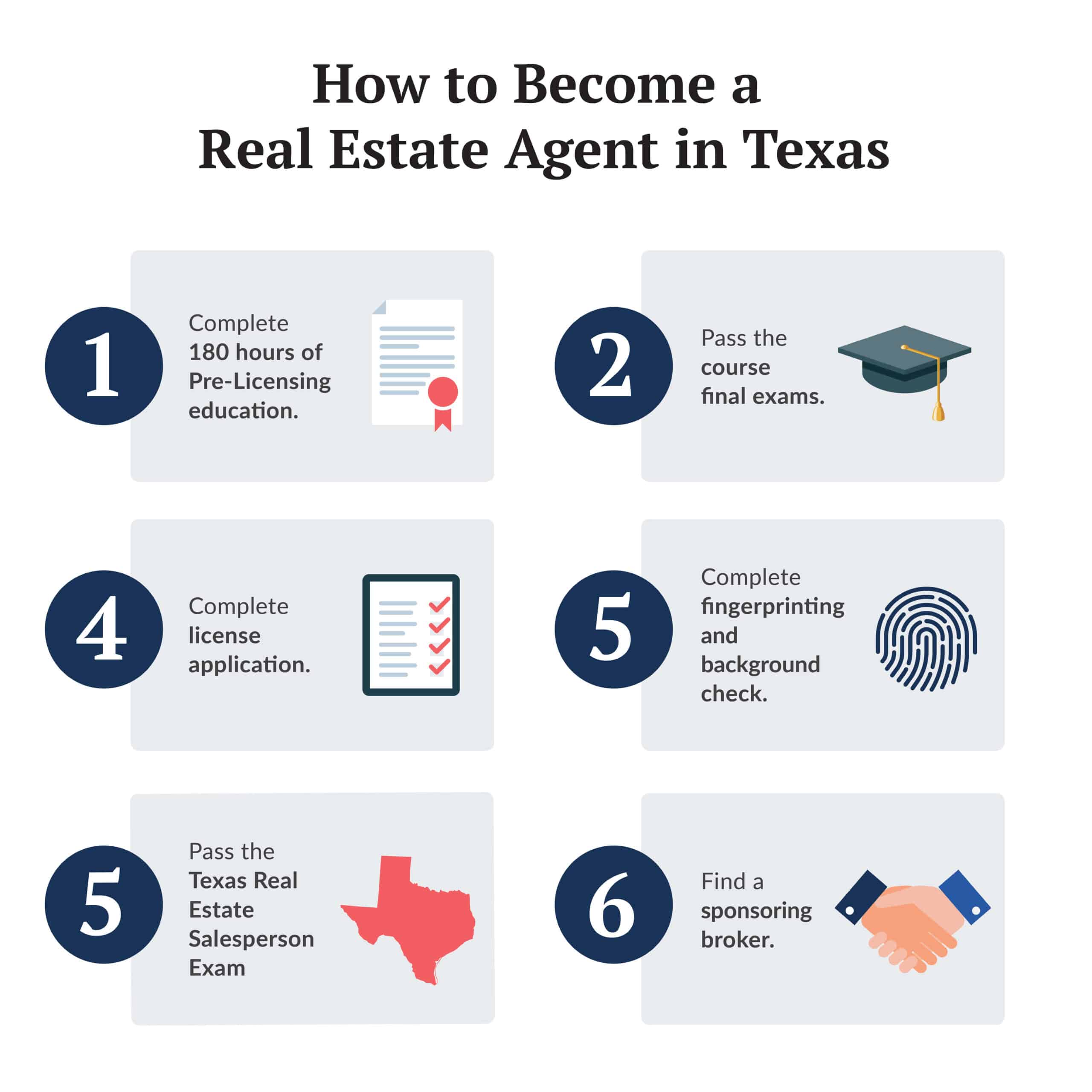
Navigating the Path to Licensure: Your Journey Begins
Becoming a licensed real estate agent in Texas involves a structured process overseen by the Texas Real Estate Commission (TREC). While it requires dedication and commitment, the steps are clear and achievable for those determined to enter the field.
Eligibility and Pre-Licensing Education: Building Your Foundation
Before you can even think about selling property, you must meet a set of basic eligibility requirements. To apply for a real estate salesperson license in Texas, you must be:
- At least 18 years of age.
- A citizen of the United States or a lawfully admitted alien.
- A resident of Texas (or meet specific non-resident requirements).
- Of good moral character. TREC requires a background check, including fingerprinting, to ensure this. It’s advisable to complete a “Fitness Determination” early if you have any past criminal history, to ensure eligibility.
The cornerstone of your journey is completing the required pre-licensing education. Texas mandates a total of 180 hours of approved coursework. This is typically broken down into six 30-hour courses:
- Principles of Real Estate I (30 hours): Covers fundamental concepts, laws, and regulations.
- Principles of Real Estate II (30 hours): Continues with more advanced topics in real estate practice.
- Law of Agency (30 hours): Focuses on the legal relationships between agents, brokers, and clients.
- Law of Contracts (30 hours): Essential for understanding real estate agreements and transactions.
- Promulgated Contracts Forms (30 hours): Specific training on the forms approved by TREC for use in Texas.
- Real Estate Finance (30 hours): Basics of mortgages, loans, and financing options.
These courses can be completed through various approved providers, including community colleges and private real estate schools, often with options for online learning. This flexibility in education allows aspiring agents to balance their studies with existing work or travel commitments, embodying the “lifestyle” aspect of managing one’s own time. Many students opt for intensive online programs, which can be completed from virtually anywhere, making it feasible for those who might be traveling or exploring different destinations while preparing for their new career.

Passing the Texas Real Estate Exam: Your Gateway to Practice
Once your pre-licensing education is complete and your application with TREC is approved, the next significant hurdle is passing the Texas Real Estate Salesperson Exam. This comprehensive exam is administered by a third-party testing service and consists of two parts: a national portion and a state-specific portion.
- National Portion: Covers general real estate principles, practices, and federal laws.
- State Portion: Focuses specifically on Texas real estate laws, regulations, and contract forms.
The exam is challenging, designed to ensure that all licensed agents possess a thorough understanding of real estate principles and state-specific requirements. It typically lasts several hours, and a passing score on both sections is required. Many candidates find it beneficial to enroll in exam prep courses or utilize study guides and practice tests to maximize their chances of success. Passing the exam is not just a regulatory requirement; it’s a critical step in building the confidence and competence necessary to effectively serve clients, whether they are looking for a short-term accommodation solution or a long-term investment property.
Beyond the License: Launching Your Real Estate Career
Obtaining your license is a monumental achievement, but it’s just the beginning. The next phase involves strategically launching your career, which includes finding a sponsoring broker and committing to ongoing professional development.
Finding the Right Sponsoring Brokerage: Your Professional Home
In Texas, a newly licensed real estate agent cannot practice independently. You must be sponsored by a licensed Texas real estate broker. This relationship is crucial, as your sponsoring broker provides guidance, mentorship, and legal oversight for your transactions. Choosing the right brokerage is a critical decision that can significantly impact your early career success.
When evaluating potential sponsoring brokers, consider factors such as:
- Training and Mentorship Programs: Look for brokerages that offer robust training, especially for new agents.
- Office Culture and Support: A supportive environment can make a huge difference in navigating the complexities of the real estate world.
- Commission Splits and Fee Structures: Understand how you will be compensated and any associated fees.
- Technology and Marketing Resources: Access to modern tools and effective marketing strategies can give you a competitive edge.
- Specialization: If you have an interest in a particular niche, like luxury homes, commercial properties, or vacation rentals in popular Texas tourist destinations such as Fredericksburg or Port Aransas, seek a brokerage with expertise in that area.
Many agents start with larger, well-established firms like Keller Williams or RE/MAX, which often provide comprehensive training. Others might prefer boutique brokerages that offer a more niche focus or personalized mentoring. This decision reflects your individual career aspirations and desired work “lifestyle.”

Embracing Continuing Education and Specialization: Staying Ahead
The real estate market is constantly evolving, with new laws, technologies, and market trends emerging regularly. To maintain your license and remain competitive, Texas real estate agents are required to complete Continuing Education (CE) every two years. This typically involves 18 hours of approved coursework, including specific legal update courses.
Beyond mandatory CE, successful agents continuously seek opportunities for specialization and advanced learning. This might include:
- Designations and Certifications: Earning designations like Certified Residential Specialist (CRS), Graduate, REALTOR® Institute (GRI), or Accredited Buyer’s Representative (ABR) can enhance your expertise and marketability.
- Niche Markets: Specializing in areas like luxury real estate, investment properties, corporate relocation (often involving extensive travel and understanding of temporary accommodation needs), or even commercial hotels and resorts can open up lucrative opportunities.
- Technology and Marketing: Staying abreast of the latest digital marketing tools, virtual tours, and CRM systems is crucial in today’s digital landscape.
For agents interested in the travel and accommodation sectors, specializing in vacation rentals, short-term stays, or investment properties for tourism can be particularly rewarding. You could become the go-to expert for clients looking to purchase a villa in a popular Texas travel destination or acquire a boutique hotel in Fort Worth. This kind of specialization directly bridges your real estate career with the broader themes of travel, tourism, and diverse accommodation options.
The Real Estate Agent Lifestyle: Travel, Investment, and Independence
A career in Texas real estate offers more than just a job; it provides a pathway to a lifestyle characterized by professional independence, the potential for significant income, and an intimate connection to the diverse geography and culture of the state. This profession naturally intersects with personal and business travel, the understanding of various accommodation types, and the overall pursuit of a fulfilling lifestyle.
Exploring Texas as a Professional: Business Travel and Local Expertise
For a Texas real estate agent, “travel” often becomes an integral part of the job description. Showing properties can involve driving across counties, exploring different cities, and familiarizing oneself with distinct neighborhoods and their unique attractions or amenities. An agent might start their week in the bustling urban core of Houston, move to the serene suburbs, and end it showing a ranch property in the Hill Country near Waco.
This constant movement provides an unparalleled opportunity to become an expert on Texas geography, local economies, and cultural nuances. You’ll learn about the best local restaurants in Dallas, the top schools in San Antonio, and the hidden gems in Austin – knowledge that is invaluable to clients, especially those relocating from out of state. This professional exploration can also blend seamlessly with personal travel, allowing you to discover new parts of Texas you might not otherwise visit. Meeting clients, attending open houses, and networking events often necessitate travel, transforming what might be seen as a chore into an enriching exploration of your professional domain.
Investing in Travel and Accommodation: Leveraging Your Expertise
The financial rewards and market insights gained from a real estate career can directly enhance one’s personal travel and investment strategies. A successful agent, with a deep understanding of property values, market trends, and rental income potential, is perfectly positioned to make informed decisions about their own investments. This could mean purchasing a second home in a popular Texas destination like Port Aransas to serve as a vacation rental, investing in apartments for long-term lease, or even acquiring small commercial properties.
Moreover, the flexibility of the career allows for more indulgent travel experiences. Imagine taking a well-deserved break to stay at a luxurious resort in Cancun, or booking an extended stay in a villa in Europe – these become tangible possibilities. The skills of negotiation and market analysis honed in real estate are also invaluable when booking personal accommodation, whether comparing hotel prices or understanding the value proposition of different vacation rentals. This career truly embodies the “lifestyle” of blending professional success with personal passions, including travel.
A Career that Moves with You: Portability and Flexibility
While the primary focus is on becoming licensed in Texas, the skills and experience gained are highly transferable. For those with a wanderlust spirit, a real estate career can be surprisingly portable. While each state has its own licensing requirements, the foundational knowledge of real estate principles and practices remains consistent. An agent might choose to relocate to another state or country and pursue reciprocal licensing, carrying their expertise and professional acumen with them.
Even within Texas, the career offers unparalleled flexibility. It’s a profession where you can scale your efforts up or down based on personal circumstances, family needs, or a desire for more travel. The independence to manage your client relationships and schedule your work empowers you to design a career that truly fits your desired lifestyle, rather than conforming to rigid corporate structures. In essence, becoming a real estate agent in Texas is not just about selling homes; it’s about building a career that supports a life of exploration, independence, and continuous growth within the diverse and dynamic landscape of one of America’s most exciting states.