
Embarking on a career as a social worker in California is a journey that promises profound impact, challenging work, and immense personal satisfaction. The Golden State, known for its diverse populations, innovative spirit, and complex social landscapes, presents a dynamic environment for those dedicated to helping individuals, families, and communities thrive. From the bustling urban centers of Los Angeles and San Francisco to the sprawling agricultural regions and scenic coastal towns, the need for compassionate and skilled social workers is ever-present. This guide outlines the comprehensive steps required to navigate the educational, experiential, and licensing pathways to becoming a licensed social worker in this vibrant state. It’s a path that requires dedication, perseverance, and a deep-seated commitment to social justice, but one that ultimately leads to a fulfilling professional lifestyle of advocacy and support.
Laying the Foundation: Educational Pathways
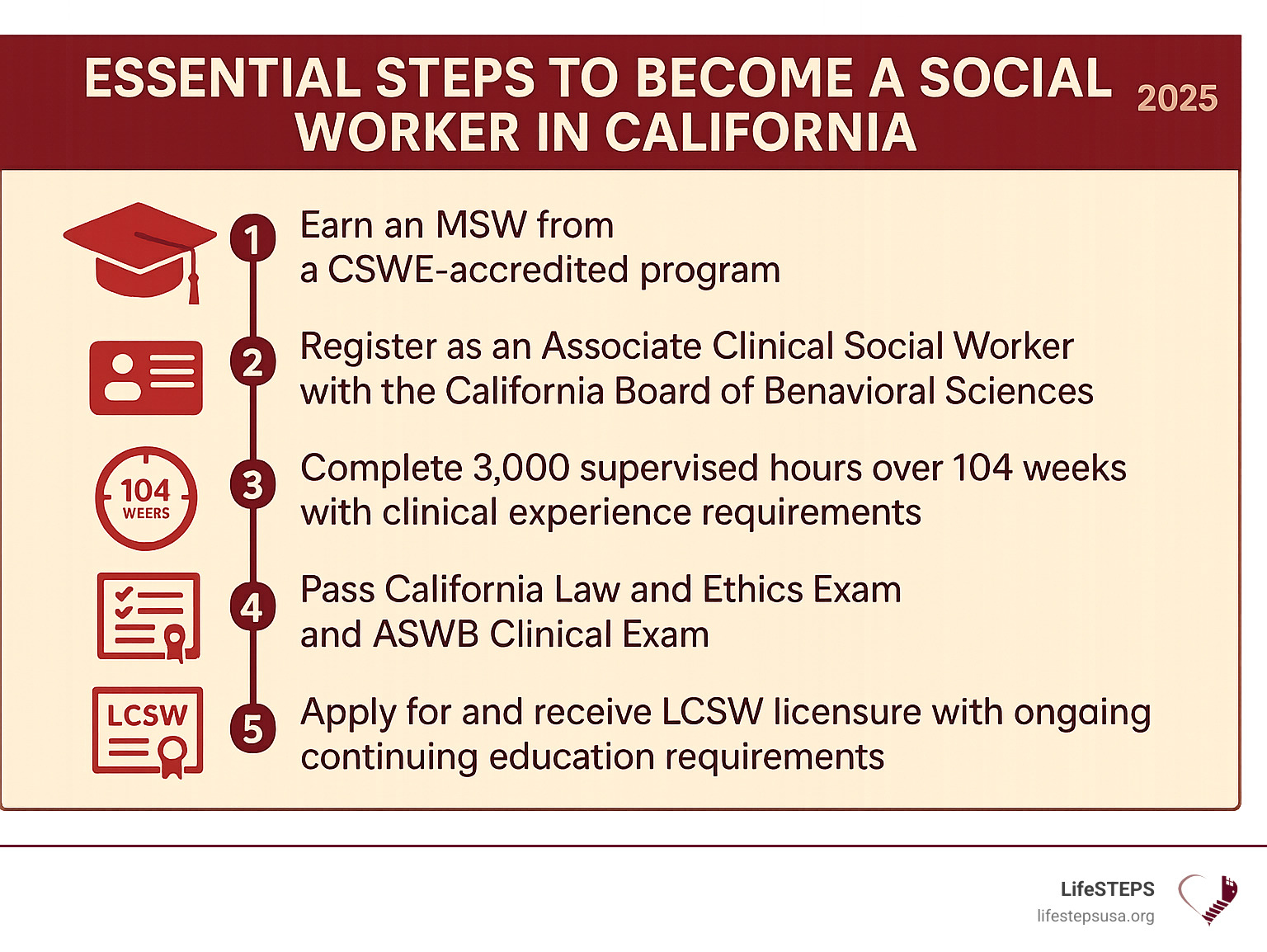
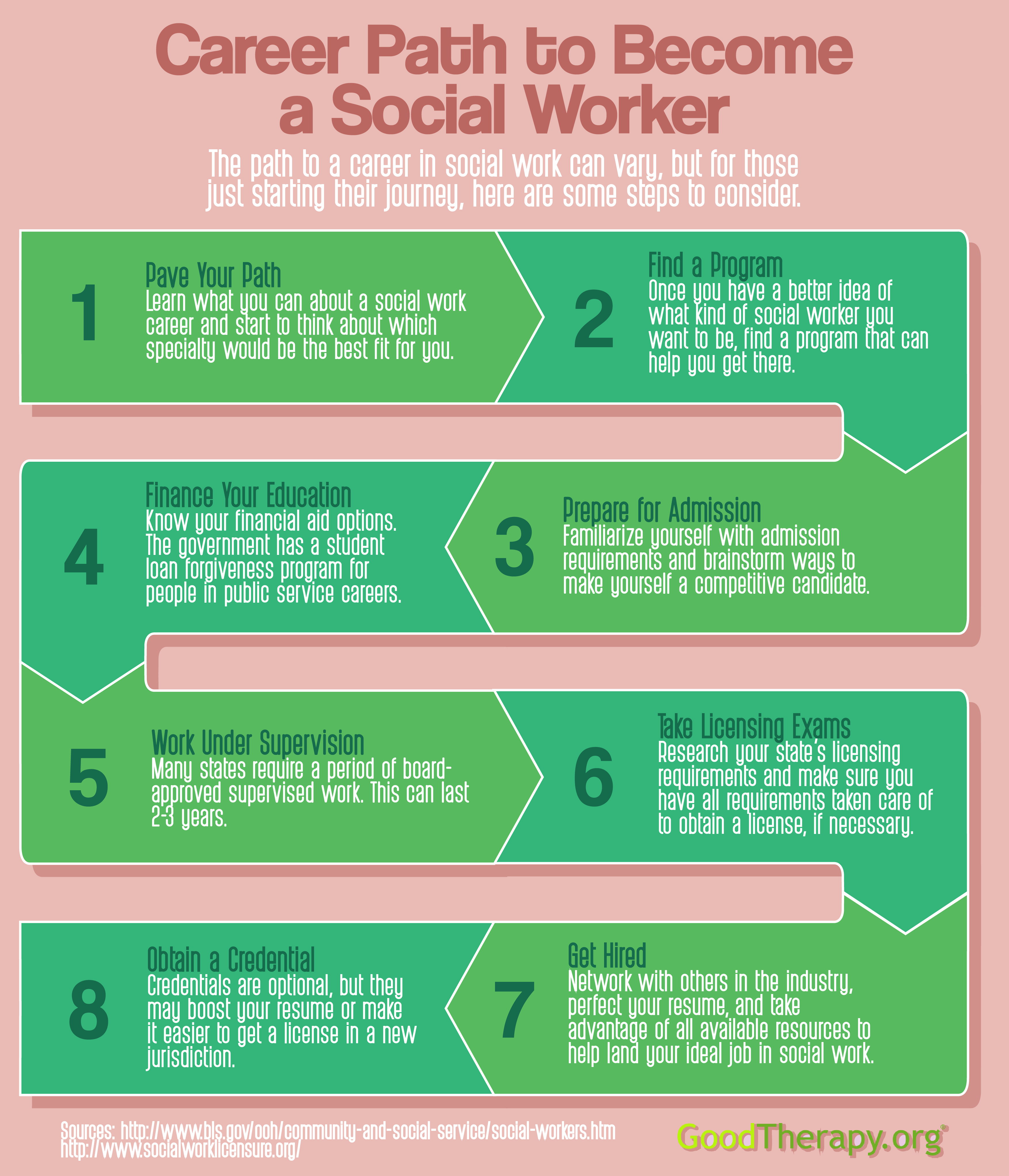
The journey to becoming a social worker in California fundamentally begins with education. The state’s regulatory body, the Board of Behavioral Sciences (BBS), mandates specific educational requirements to ensure that practitioners possess the necessary theoretical knowledge and ethical grounding. While a bachelor’s degree can open doors to certain entry-level positions, a master’s degree is the essential credential for achieving clinical licensure and advancing significantly in the field.
Bachelor of Social Work (BSW)
A Bachelor of Social Work (BSW) serves as an excellent entry point into the profession. These undergraduate programs typically take four years to complete and provide students with a foundational understanding of social welfare policies, human behavior, social work ethics, and intervention strategies. BSW programs often include supervised fieldwork, offering students their first taste of practical experience in various social service agencies. Graduates with a BSW are qualified for many generalist social work roles, such as case managers, community outreach workers, or program assistants in settings like non-profit organizations, government agencies, and some community services. However, it is crucial to understand that a BSW alone does not qualify an individual for clinical social work practice or for licensure as a Licensed Clinical Social Worker (LCSW) in California. It is, however, an ideal stepping stone, often allowing for advanced standing in Master of Social Work (MSW) programs, which can significantly shorten the graduate study period.
Master of Social Work (MSW)
For those aspiring to become a Licensed Clinical Social Worker (LCSW) in California, a Master of Social Work (MSW) degree is not just recommended, but a mandatory requirement. This graduate-level degree is considered the gold standard for clinical social work practice, equipping students with advanced skills in psychotherapy, assessment, diagnosis, and intervention with diverse populations. All MSW programs must be accredited by the Council on Social Work Education (CSWE) to be recognized by the BBS for licensure.
MSW programs typically last two years for full-time students, though part-time and advanced standing options (for BSW graduates) can alter this timeline. These programs delve deeper into areas such as clinical theory, research methods, and social policy analysis. They also require a significant amount of supervised practical experience, known as field placements or internships. These placements are invaluable, providing hands-on experience in real-world settings like hospitals, schools, mental health clinics, and family service agencies. Students gain experience working directly with clients under the guidance of experienced social workers, developing crucial skills in assessment, intervention, and case management. Many MSW programs offer specializations, allowing students to focus on areas like child and family welfare, mental health, substance abuse, gerontology, or community development. Choosing a specialization can help tailor your education to your passions and prepare you for specific career paths within the broad field of social work.
Gaining Experience: Supervised Practice for Licensure
Once the academic foundation of an accredited MSW program is complete, the path to becoming a licensed clinical social worker shifts focus to gaining supervised professional experience. This phase is critical, bridging the gap between theoretical knowledge and competent independent practice. The California Board of Behavioral Sciences has stringent requirements for supervised hours to ensure that all applicants for the LCSW license are thoroughly prepared to provide ethical and effective clinical services.
Accumulating Supervised Hours
To become an LCSW in California, you must complete a minimum of 3,200 hours of supervised clinical experience over a period of at least two years. These hours must be accumulated post-MSW degree and under the direct supervision of a licensed professional, typically an LCSW, but sometimes a Licensed Marriage and Family Therapist (LMFT) or a Licensed Professional Clinical Counselor (LPCC) can serve as a supervisor under specific conditions. The BBS outlines precise categories for these hours, which include:
- Clinical Psychosocial Diagnosis, Assessment, and Treatment: A significant portion of your hours must involve direct client contact, including individual, couples, family, and group psychotherapy. This is where you apply your theoretical knowledge to real-life situations, developing your skills in diagnosis, treatment planning, and various therapeutic modalities.
- Client-Centered Advocacy, Consultation, and Evaluation: These hours involve activities that support direct client services but may not be face-to-face therapy, such as coordinating care, advocating for client needs, or participating in multidisciplinary team meetings.
- Supervision: A minimum of 104 weeks of supervised experience is required, with at least one hour of individual or two hours of group supervision per week. This supervision is crucial for professional development, allowing you to discuss cases, refine your clinical skills, navigate ethical dilemmas, and receive critical feedback from an experienced practitioner.
Finding the right supervisor and a suitable work setting is paramount. Many aspiring social workers seek employment in agencies, clinics, or hospitals that offer structured supervision programs. It’s essential to meticulously document all hours and supervision sessions, as these records will be submitted to the BBS during your licensure application. The quality of supervision significantly impacts your growth, making it vital to choose a supervisor whose clinical approach aligns with your learning style and professional goals. This period of supervised practice is often seen as an extension of your education, providing a safe and guided environment to hone your craft before independent practice.
The Importance of Clinical Experience
The supervised experience period is not merely about accumulating hours; it’s about deep professional development and maturation. It’s during this time that you integrate your academic learning with practical application, developing a robust clinical identity. You will encounter a diverse range of client populations, from children and adolescents to older adults, and address a spectrum of issues including mental health disorders, trauma, substance abuse, and family conflicts.
This hands-on experience under direct supervision allows you to:
- Develop Advanced Assessment Skills: Learning to conduct thorough psychosocial assessments, formulate accurate diagnoses, and create effective treatment plans.
- Master Therapeutic Interventions: Gaining proficiency in various evidence-based practices, such as Cognitive Behavioral Therapy (CBT), Dialectical Behavior Therapy (DBT), psychodynamic therapy, and family systems therapy, tailoring approaches to individual client needs.
- Navigate Ethical Dilemmas: Confronting complex ethical issues in real-time, learning to make sound professional judgments while upholding the social work code of ethics.
- Build Professional Identity: Transitioning from student to professional, understanding the nuances of professional boundaries, self-care, and cultural competence in practice.
The breadth and depth of your clinical experience during this supervised period are foundational to becoming a skilled, ethical, and compassionate LCSW. It prepares you for the autonomy and responsibility that come with independent practice, ensuring you are ready to serve the diverse and often vulnerable communities across California.
The Licensing Process: Navigating the Board of Behavioral Sciences (BBS)
After completing the rigorous educational and supervised experience requirements, the final hurdle to becoming a Licensed Clinical Social Worker in California involves successfully navigating the licensure application and examination process through the Board of Behavioral Sciences (BBS). This regulatory body is responsible for protecting consumers by setting and enforcing standards for licensure, examination, and ethical practice for social workers, MFTs, and LPCCs in the state.
Application and Examination
The path to licensure culminates in a multi-step application and examination process.
- Register as an Associate Clinical Social Worker (ASW): Before you can begin accruing supervised hours, you must register as an Associate Clinical Social Worker (ASW) with the BBS. This registration validates your educational qualifications and allows you to legally practice under supervision.
- Submit the LCSW Application: Once you have completed all 3,200 hours of supervised experience and the required supervision weeks, you can submit your application for LCSW licensure to the BBS. This application includes detailed documentation of your education, supervised hours, and supervisor evaluations. The BBS meticulously reviews each application to ensure all state requirements have been met.
- Pass the ASWB Clinical Examination: Upon approval of your application, you will be authorized to take the national Clinical Examination administered by the Association of Social Work Boards (ASWB). This comprehensive exam assesses your knowledge of advanced social work theories, clinical practice, human development, and ethical principles. It is a challenging test designed to ensure that candidates possess the requisite knowledge to practice competently and safely. Many candidates utilize study guides, review courses, and practice exams to prepare for this significant hurdle.
- Pass the California Law and Ethics Examination: In addition to the ASWB exam, California requires candidates to pass a state-specific Law and Ethics Examination. This exam focuses on the unique laws, regulations, and ethical standards pertinent to social work practice within California, including topics like client confidentiality, mandated reporting, scope of practice, and professional boundaries. This ensures that all licensed social workers are intimately familiar with the legal and ethical landscape of their practice in the state.
Successfully passing both examinations, in conjunction with the approved application, signifies the completion of the licensure process. Once approved, you will officially be a Licensed Clinical Social Worker (LCSW) in California, authorized to practice independently and provide a full range of clinical social work services.
Maintaining Your License
Obtaining your LCSW license is a significant achievement, but it also marks the beginning of an ongoing commitment to professional development and ethical practice. To maintain licensure in California, LCSWs are required to complete continuing education (CE) hours during each two-year renewal period. The BBS mandates a specific number of hours, including those dedicated to ethics and law, to ensure that practitioners remain current with the latest research, best practices, and legal requirements.
Beyond formal CE hours, maintaining your license also involves:
- Adherence to Ethical Standards: Upholding the National Association of Social Workers (NASW) Code of Ethics and the specific ethical guidelines established by the BBS. This includes maintaining client confidentiality, respecting client autonomy, and avoiding conflicts of interest.
- Professional Development: Engaging in ongoing learning through workshops, conferences, peer consultation, and specialized training relevant to your area of practice. The field of social work is constantly evolving, and continuous learning is essential for providing high-quality care.
- Self-Care: Recognizing the demanding nature of social work, maintaining a healthy work-life balance and engaging in self-care practices are crucial to prevent burnout and sustain professional effectiveness.
The commitment to lifelong learning and ethical practice ensures that LCSWs in California continue to provide compassionate, competent, and culturally sensitive services to those in need.
A Rewarding Career: Opportunities and Lifestyle in California Social Work
Becoming a Licensed Clinical Social Worker in California opens the door to a career rich with diverse opportunities, profound challenges, and immense personal and professional rewards. The state’s vast and varied landscape, from sprawling metropolises to rural communities, means that the demand for skilled social workers is high and encompasses an incredible array of practice settings.
Diverse Practice Settings
LCSWs in California can find fulfilling roles in virtually every sector of human services. This diversity allows professionals to tailor their careers to their specific interests and passions, ensuring a dynamic and engaging professional lifestyle. Some of the prominent practice settings include:
- Healthcare Systems: In hospitals across cities like San Diego, Oakland, and Sacramento, social workers are integral to interdisciplinary teams, providing discharge planning, crisis intervention, support for chronic illness, and advocacy for patients and their families. This can involve working in emergency rooms, oncology units, palliative care, or psychiatric departments.
- Mental Health Clinics: Clinical social workers are frontline providers in mental health settings, offering individual, group, and family therapy for a wide range of mental health conditions, from anxiety and depression to more severe psychiatric disorders. These clinics can be community-based, private practices, or integrated within larger healthcare networks.
- Schools: School social workers play a crucial role in supporting students’ academic, social, and emotional development. They address issues like bullying, family problems, behavioral challenges, and truancy, often acting as a bridge between the school, home, and community resources.
- Child and Family Services: In agencies dedicated to child protective services, adoption, or foster care, social workers ensure the safety and well-being of children, provide family counseling, and facilitate reunification or alternative placements.
- Substance Abuse Treatment Centers: With a strong focus on recovery, social workers assist individuals and families grappling with addiction, providing counseling, support groups, and connection to recovery resources.
- Government Agencies: Opportunities exist at local, county, and state levels in departments of social services, public health, and veterans affairs, focusing on policy implementation, program development, and direct service provision.
- Non-Profit Organizations: Social workers are vital to non-profits addressing issues like homelessness, domestic violence, LGBTQ+ advocacy, immigration services, and support for older adults in communities like San Jose.
The sheer breadth of these opportunities means that an LCSW in California can evolve their career, moving between different settings and specializations as their interests and expertise grow. This adaptability is a hallmark of the social work lifestyle in the state.
The Social Worker’s Lifestyle
While immensely rewarding, the social worker’s lifestyle in California is also demanding, requiring resilience, empathy, and a strong commitment to ethical practice. It’s a profession that consistently challenges you to grow, both personally and professionally.
- Impact and Purpose: At its core, social work offers the profound satisfaction of making a tangible difference in people’s lives. Whether you’re helping someone overcome addiction, navigate a crisis, find stable housing, or heal from trauma, the direct impact of your work provides a deep sense of purpose that few other professions can match.
- Continuous Learning and Growth: The dynamic nature of human behavior and social issues means that social workers are perpetual learners. Every client, every case, and every new policy presents an opportunity to expand your knowledge, refine your skills, and adapt your approach, fostering continuous personal and professional development.
- Challenges and Resilience: Social workers often confront complex and emotionally taxing situations, dealing with trauma, injustice, and systemic inequalities. This requires significant emotional resilience, self-awareness, and a robust support system. The ability to manage stress, practice self-care, and debrief with supervisors and peers is crucial for long-term sustainability in the field.
- Advocacy and Social Justice: Beyond individual client work, social workers often engage in advocacy, working to address systemic issues and promote social justice. This can involve advocating for policy changes, participating in community organizing, or raising awareness about critical social problems. This aspect of the profession allows social workers to contribute to broader societal change, aligning with the progressive values often associated with California.
- Work-Life Balance: While demanding, many social work roles in California offer opportunities for a healthy work-life balance, particularly as an LCSW with more autonomy. Options for private practice, flexible schedules in some agency settings, and the emphasis on self-care within the profession can contribute to a sustainable career.
Becoming a social worker in California is more than just a job; it’s a commitment to a lifestyle of service, advocacy, and continuous personal and professional evolution. It’s a calling for those who are passionate about making a difference and who are ready to embrace the challenges and immense rewards that come with empowering individuals and strengthening communities throughout this diverse state.
The journey to becoming an LCSW in California is rigorous, requiring significant educational investment, extensive supervised experience, and the successful navigation of a comprehensive licensure process. However, for those with a deep-seated desire to help others and contribute positively to society, it is an incredibly rewarding path. The diverse opportunities within the Golden State, coupled with the profound impact you can have on individuals and communities, make social work a truly meaningful and fulfilling career choice. As you embark on this professional adventure, remember the enduring value of compassion, resilience, and a steadfast commitment to social justice. The vibrant landscape of California awaits your unique contributions to a healthier, more equitable society.