
The idea of a fresh start in a new place is an alluring prospect, and for many, the vast landscapes, vibrant cities, and unique culture of Texas beckon. Whether you’re drawn by the promise of economic opportunity, the allure of a distinct Texas lifestyle, or simply the desire for a change of scenery, becoming a resident of the Lone Star State is a journey that intertwines official processes with a deep dive into what makes this state so captivating. From securing your new home to exploring its iconic landmarks and immersing yourself in local culture, the transition to Texan life is an adventure in itself. This guide will walk you through the essential steps to establishing residency, ensuring a smooth transition into your new life in Texas.
Why Texas? Discovering the Lone Star Appeal
Before delving into the technicalities of residency, it’s worth understanding why millions choose to call Texas home. The state offers an incredibly diverse range of experiences, making it a prime destination not just for tourism, but for long-term settlement.
A Land of Diverse Destinations and Economic Vibrancy
Texas is a land of extremes and incredible variety. Geographically, it boasts everything from the sun-kissed beaches of the Gulf Coast to the majestic mountains of Big Bend National Park in the west, and the rolling plains of the Texas Hill Country in between. This diversity means that whether you envision a serene life by the water, an adventurous existence near hiking trails, or the bustling energy of a metropolis, Texas has a destination for you.
Economically, Texas is a powerhouse, consistently ranking among the top states for job growth and business expansion. Major industries span energy, technology, aerospace, healthcare, and manufacturing, attracting professionals from all corners of the globe. Cities like Houston, Dallas, and Austin are epicenters of innovation and opportunity. Beyond the jobs, the absence of a state income tax is a significant draw, allowing residents to retain more of their earnings and contributing to a generally more affordable cost of living compared to coastal states, though this can vary greatly depending on your chosen city.
Lifestyle and Cultural Immersion
The Texas lifestyle is as varied as its geography. It’s often characterized by a welcoming, friendly demeanor, a strong sense of community, and a proud appreciation for its rich history and heritage. Tourism thrives on this unique blend of cultures – from the cowboy traditions and rodeos that embody the “Wild West” spirit to the vibrant music scenes of Austin, the space exploration wonders at NASA Space Center Houston, and the deep historical roots of San Antonio with its iconic Alamo and enchanting Riverwalk.
Food is another cornerstone of the Texas experience. Prepare to indulge in world-famous Texas BBQ, savor authentic Tex-Mex cuisine, and discover a burgeoning fine-dining scene in its major cities. For those who love the outdoors, countless parks, lakes like Canyon Lake, and nature preserves offer endless opportunities for hiking, biking, fishing, and watersports. Sports culture is also massive, with passionate fans supporting professional teams across various leagues. Becoming a resident means not just living in Texas, but truly living the Texan experience.
Navigating the Official Residency Process
The process of officially becoming a Texas resident is straightforward, but it requires diligence and a clear understanding of the necessary steps. The key is to demonstrate your intent to make Texas your permanent home.
Establishing Intent: More Than Just Moving In
Establishing residency isn’t just about physically being in Texas; it’s about proving your commitment to living there permanently. This intent is primarily shown through a series of official actions and document updates. Generally, you need to reside in Texas for at least 30 consecutive days to begin the formal process of changing your driver’s license and vehicle registration. However, simply arriving doesn’t complete the picture; you must actively engage in updating your legal and financial ties to the state.
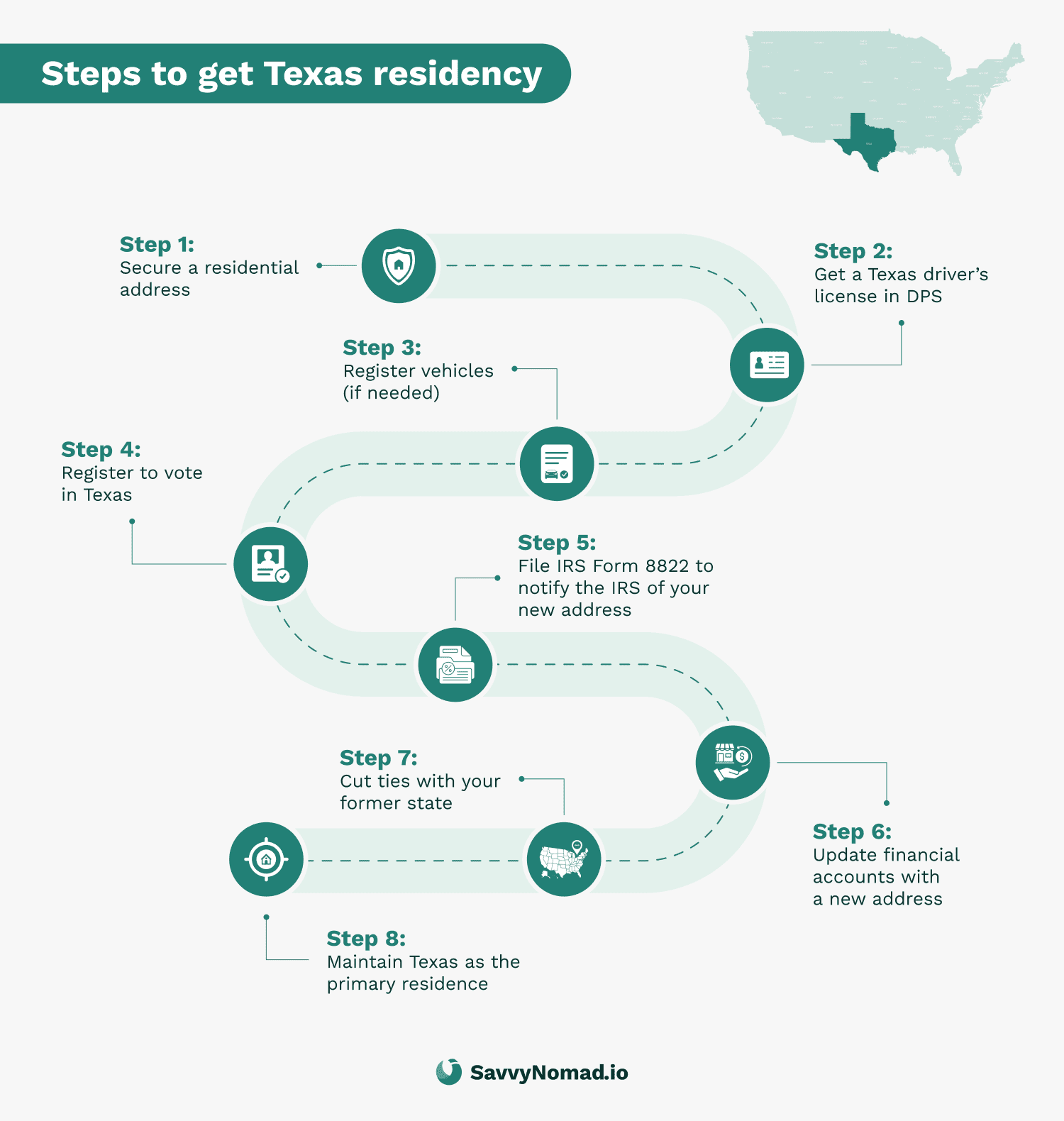
Essential Steps to Secure Your Texas Residency
-
Obtain a Texas Driver’s License or ID Card: This is often the most critical step and typically needs to be completed within 90 days of moving to the state.
- Requirements: You’ll need to visit a Texas Department of Public Safety (DPS) office. Bring proof of U.S. citizenship or lawful presence, proof of Texas residency (e.g., utility bill, lease agreement, deed), your Social Security card, and proof of identity. If you have an out-of-state license, you’ll surrender it. You may also need to pass a vision test and possibly a written and driving test if your previous license is expired or from a non-reciprocal state.
- Tip: Make an appointment online if possible to minimize wait times. Gather all required documents beforehand, as missing even one can result in multiple trips.
-
Register and Inspect Your Vehicle: If you bring a car from another state, you must get it inspected and registered in Texas within 30 days of moving.
- Vehicle Inspection: Find an official Texas Vehicle Inspection Station. Your vehicle will undergo a safety inspection and, in certain counties (like those around Houston, Dallas, Austin, and San Antonio), an emissions test.
- Vehicle Registration: After passing inspection, take your inspection report, proof of insurance, and vehicle title/registration from your previous state to your local County Tax Assessor-Collector’s office. You’ll pay applicable fees and receive your Texas license plates and registration sticker.
- Insurance: Ensure you have Texas auto insurance coverage from a company licensed to operate in the state.
-
Voter Registration: Once you have your Texas driver’s license or ID, you can register to vote. This can often be done at the DPS office when you get your license, or by submitting a voter registration application to your county’s Voter Registrar. Registering to vote further solidifies your intent to reside permanently in the state.
-
Update Your Mailing Address: Notify the U.S. Postal Service (USPS) of your change of address. Also, update your address with banks, credit card companies, subscription services, and any other organizations that send you mail.
-
Establish Utility Services: Setting up utilities (electricity, water, gas, internet) in your name at your new Texas address is another strong indicator of residency. Texas has a deregulated electricity market in many areas, allowing you to choose your provider.

-
Transfer Banking and Financial Accounts: While not strictly required for residency, transferring your bank accounts to a Texas branch or opening new accounts with a local bank further integrates you into the state’s financial system and provides an additional proof of address.
-
Employment and Education: If you’re moving for work, securing employment in Texas and having a local paycheck confirms your economic ties. For families, enrolling children in a Texas school district is a definitive step in establishing household residency.
It’s crucial to keep copies of all documents and updated addresses. These can serve as proof of residency for various purposes, from applying for a home loan to obtaining in-state tuition at universities.
Finding Your Place in the Lone Star State
Beyond the paperwork, a crucial part of becoming a Texas resident is finding a place to call home and integrating into a community. This involves exploring accommodation options and understanding the diverse urban and rural landscapes.
Accommodation: From Urban Lofts to Suburban Retreats
The Texas real estate market is dynamic and offers a wide array of accommodation choices to suit various lifestyles and budgets.
- Rental Apartments: Cities like Austin, Dallas, and Houston boast vibrant rental markets with everything from luxury downtown high-rises to more suburban apartment complexes. Prices can vary significantly based on location, amenities, and city.
- Single-Family Homes: For those seeking more space, detached homes are plentiful, especially in the sprawling suburbs surrounding major cities. Texas is known for its relatively affordable housing compared to other large states, though this too is subject to local market conditions.
- Long-term Stays and Extended Stay Hotels: If you’re making the move and need temporary accommodation while searching for a permanent residence, extended stay hotels and serviced apartments offer convenient solutions. These options often come with kitchenettes and more living space than a standard hotel room, providing a comfortable base for your house hunt. Look for reputable chains like Homewood Suites by Hilton, Residence Inn by Marriott, or local apartment-hotel operators.
- Villas and Vacation Rentals: For a shorter initial period, or if you prefer a more private and personalized temporary home, many websites offer long-term vacation rentals or private villas, particularly in popular tourist areas or the Texas Hill Country.
When planning your move, consider working with a local real estate agent who specializes in relocations. They can provide invaluable insights into neighborhoods, market trends, and assist with lease agreements or home purchases.
Exploring Texas’s Diverse Communities
Texas is home to an incredible array of cities and towns, each with its own distinct character and appeal.
- Houston: The largest city in Texas, a global hub for energy, aerospace, and healthcare. It’s incredibly diverse, offering world-class dining, arts, and cultural attractions like the Museum District.
- Dallas: A sophisticated metropolis known for its thriving business scene, upscale shopping, and vibrant arts and entertainment districts such as the Dallas Arts District and Deep Ellum. Dallas also forms a large metropolitan area with Fort Worth, which boasts a more Western heritage.
- Austin: The state capital and a mecca for live music, technology, and outdoor activities. Known for its “Keep Austin Weird” motto, it offers a vibrant, progressive lifestyle, with attractions like Barton Springs Pool and the famous bat colony under the Congress Avenue Bridge.
- San Antonio: Rich in history and culture, home to The Alamo, the historic missions, and the picturesque Riverwalk. It offers a deep dive into Texas’s Spanish colonial past and a strong Tex-Mex influence.
- El Paso: Located at the western tip of Texas, bordering Mexico and New Mexico, it offers a unique blend of cultures, desert landscapes, and stunning mountain views.
- Galveston: A historic island city on the Gulf Coast, known for its Victorian architecture, beaches, and family-friendly attractions like Moody Gardens.
Consider what kind of lifestyle you desire – urban, suburban, rural, coastal, or mountainous – and research the communities that best align with your preferences. Visiting these areas as a tourist beforehand can give you a vital sense of their character.
Embracing the Texas Lifestyle: Beyond the Bureaucracy
Once the administrative hurdles are cleared, the true joy of becoming a Texas resident begins: immersing yourself in the local culture and enjoying the vast opportunities for travel, leisure, and personal growth.
Dive into Local Culture and Cuisine
The cultural fabric of Texas is a magnificent tapestry woven from Native American, Spanish, Mexican, Southern, and cowboy influences. This rich heritage is evident in every aspect of life, from music to architecture, and especially in the food.
- Foodie Paradise: Become an expert on Texas BBQ, from succulent brisket to fall-off-the-bone ribs, with regional variations to explore. Indulge in authentic Tex-Mex dishes that go far beyond what you might find elsewhere. Discover the burgeoning wine country in the Texas Hill Country and the vibrant craft beer scene in major cities.
- Music and Arts: Texas boasts legendary music scenes, particularly in Austin, known as the “Live Music Capital of the World,” and in Dallas and Houston with their thriving performing arts centers and galleries. Rodeos are not just tourist attractions but a way of life in many parts of the state, offering thrilling spectacles of skill and tradition.
Unforgettable Attractions and Experiences
As a Texas resident, you’ll have endless opportunities to explore the state’s iconic landmarks and natural wonders.
- Historic Sites: Revisit The Alamo and the San Antonio Missions National Historical Park, both UNESCO World Heritage Sites. Explore the Texas State Capitol in Austin, a magnificent architectural marvel.
- Outdoor Adventures: From hiking and stargazing in Big Bend National Park or Guadalupe Mountains National Park to birdwatching at Padre Island National Seashore and enjoying watersports on the many lakes like Lake Travis or Lake Texoma, outdoor enthusiasts will never run out of things to do.
- Family Fun: Texas is home to world-class amusement parks like Six Flags Over Texas, water parks, and unique educational experiences such as NASA Space Center Houston, offering something for every age.
- Beach Escapes: The Texas Gulf Coast, with destinations like South Padre Island and Galveston, provides opportunities for relaxation, fishing, and watersports.
Becoming a Texas resident opens the door to a perpetual vacation within your own state, offering a kaleidoscope of experiences from rugged wilderness to sophisticated city life. Engaging with your new community, joining local groups, and participating in festivals are excellent ways to truly make Texas feel like home.

Conclusion: Your Texas Adventure Awaits
The journey to becoming a Texas resident is a multifaceted one, combining practical administrative steps with the exciting prospect of cultural immersion and new adventures. From the moment you decide to pack your bags and move to the Lone Star State, you embark on a path that promises diversity, opportunity, and a unique lifestyle. By diligently navigating the residency requirements, thoughtfully choosing your new home, and enthusiastically embracing the rich tapestry of Texan life, you’ll not only establish your legal presence but also forge a deep connection with this extraordinary state. Welcome to Texas – your new adventure awaits!
LifeOutOfTheBox is a participant in the Amazon Services LLC Associates Program, an affiliate advertising program designed to provide a means for sites to earn advertising fees by advertising and linking to Amazon.com. Amazon, the Amazon logo, AmazonSupply, and the AmazonSupply logo are trademarks of Amazon.com, Inc. or its affiliates. As an Amazon Associate we earn affiliate commissions from qualifying purchases.