
Dreaming of a career that’s both hands-on and in high demand? The state of Florida offers a vibrant landscape for aspiring electricians, with a burgeoning construction industry and a constant need for skilled professionals. This guide will illuminate the path to becoming a licensed electrician in the Sunshine State, covering everything from the initial requirements to establishing your career and enjoying the lifestyle that comes with it.
The demand for electricians in Florida is projected to remain strong, driven by new construction, renovations, and the ongoing need for electrical maintenance across residential, commercial, and industrial sectors. This presents a fantastic opportunity for individuals seeking stable, well-paying employment with excellent career progression. Whether you envision working on the sprawling resorts of Orlando, the bustling metropolises like Miami, or the picturesque coastal towns, becoming an electrician in Florida is a rewarding endeavor.

Navigating the Educational and Training Landscape
The journey to becoming a licensed electrician in Florida involves a structured approach to education and practical training. While there isn’t a single, mandated pathway, most successful electricians follow a combination of classroom learning and on-the-job experience.
Apprenticeships: The Cornerstone of Electrical Training
Apprenticeship programs are widely considered the most effective route for aspiring electricians. These programs combine structured on-the-job training with technical instruction, allowing you to earn while you learn. In Florida, apprenticeships are typically overseen by the Florida Department of Business and Professional Regulation (DBPR) or accredited trade unions.
- Program Structure: Apprenticeships usually last between four to five years. During this time, you’ll work under the supervision of a licensed journeyman or master electrician, gaining practical skills in wiring, conduit bending, panel installation, troubleshooting, and safety procedures. You’ll also dedicate a set number of hours to classroom instruction, covering electrical theory, code requirements, and blueprint reading.
- Finding an Apprenticeship: Several avenues exist for securing an apprenticeship. You can contact local chapters of organizations like the Independent Electrical Contractors (IEC) or the Associated Builders and Contractors (ABC). Additionally, many electrical contracting companies in Florida offer their own apprenticeship programs. Unionized apprenticeships are also a viable option, often providing comprehensive training and benefits.
- Eligibility Requirements: While specific requirements can vary, most apprenticeship programs look for candidates who are at least 18 years old, possess a high school diploma or GED, and have a valid driver’s license. A clean background check is often a prerequisite. Some programs may also require pre-employment testing to assess aptitude and basic math skills.
Trade Schools and Community Colleges: A Complementary Approach
For those who prefer a more formal academic setting before entering an apprenticeship or seeking a quicker entry into the field, Florida boasts several reputable trade schools and community colleges offering electrical programs. These institutions provide a solid foundation in electrical principles, safety protocols, and relevant codes.
- Curriculum: Electrical programs at trade schools and community colleges typically cover topics such as AC/DC theory, circuit analysis, motor controls, lighting systems, and the National Electrical Code (NEC). You’ll gain theoretical knowledge that complements the practical skills you’ll acquire later.
- Benefits: Completing a program at a trade school or community college can sometimes shorten the duration of an apprenticeship or make you a more attractive candidate for one. It also provides a structured learning environment and a certificate or associate’s degree upon completion, which can be beneficial for career advancement. Some programs may even offer pathways to licensure exams directly after graduation.
- Examples of Institutions: Look into programs offered by institutions like Valencia College, Miami Dade College, or specialized trade schools across Florida. Researching their accreditation and job placement rates is advisable.
Licensing Requirements in Florida: Your Gateway to Professional Practice
To legally practice as an electrician in Florida, you must obtain a state-issued license. The Florida DBPR oversees the licensing process, ensuring that all electricians meet the required standards of competence and safety. There are different levels of electrical licenses, catering to various career stages and responsibilities.
Understanding the Different License Classifications
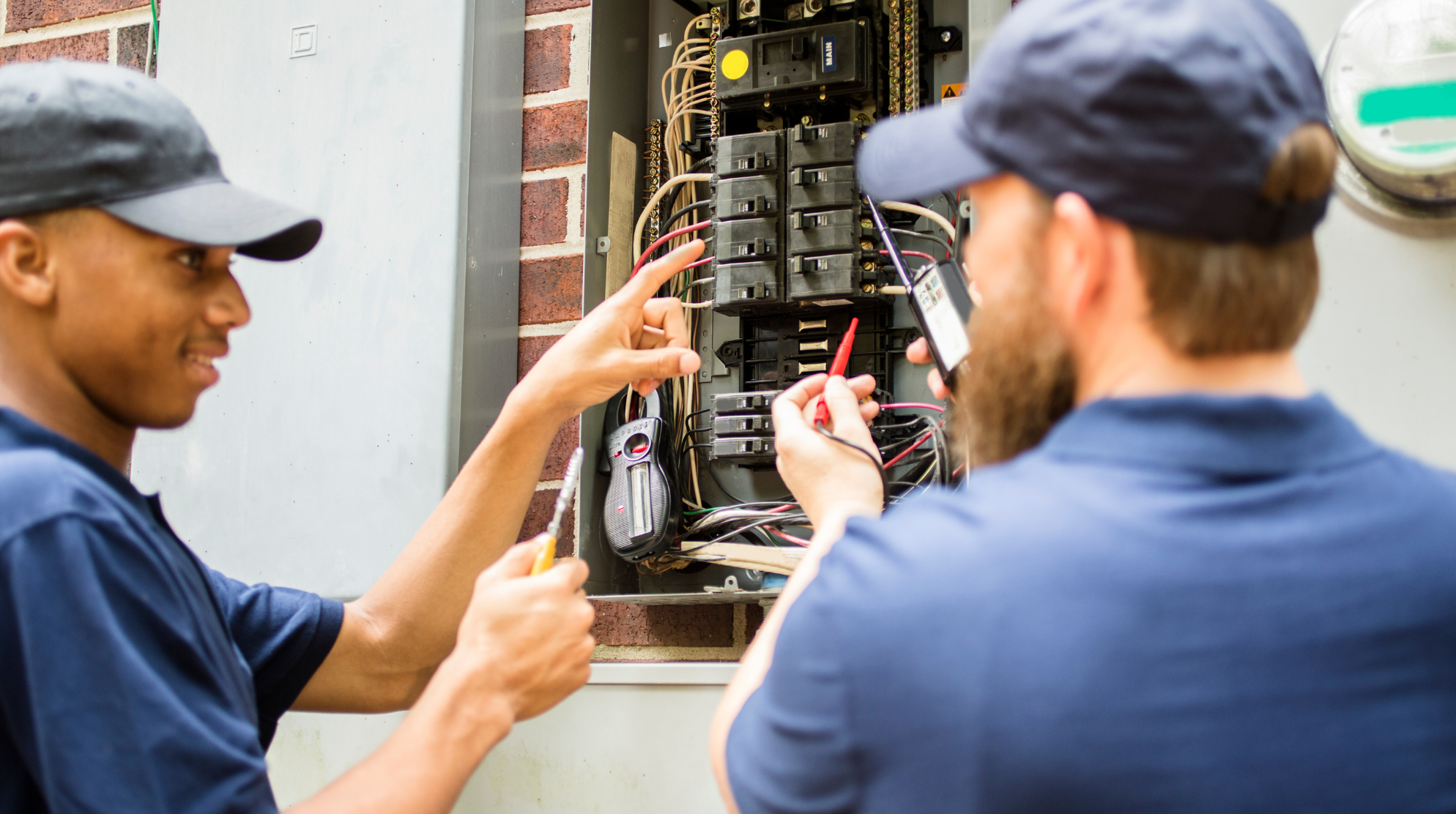
Florida offers several classifications of electrical contractor licenses, with the most common being:
- Registered Electrician: This is an entry-level license. To qualify, you generally need at least four years of proven experience as an apprentice or unlicensed worker under the supervision of a licensed electrician. This experience must be verifiable.
- Certified Electrician: This license is a step up and signifies a higher level of expertise. To become a certified electrician, you typically need four years of experience as a registered electrician or a combination of experience and education. Certified electricians can often work independently and supervise registered electricians.
- Master Electrician: This is the highest level of electrical licensure in Florida. A master electrician has extensive experience and a deep understanding of electrical systems, codes, and safety. They can design, install, and maintain complex electrical systems and often run their own businesses or manage larger projects. The requirements for a master electrician license are stringent, usually demanding several years of experience as a certified electrician.
The Examination and Application Process
Once you’ve met the experience and educational prerequisites for your desired license classification, you’ll need to pass a licensing examination administered by the DBPR.
- Exam Content: The exams are designed to test your knowledge of electrical theory, codes (primarily the NEC), safety practices, and your ability to interpret electrical diagrams and specifications. The difficulty and scope of the exam will vary depending on the license classification you are pursuing.
- Preparation: Thorough preparation is key to passing the licensing exam. Many trade schools and licensing boards offer preparatory courses and study materials. Online resources and practice exams can also be invaluable tools for familiarizing yourself with the exam format and content.
- Application Submission: After passing the exam, you will submit a formal application to the DBPR, including proof of experience, examination results, and any other required documentation. There will be associated fees for the application and license issuance. It’s crucial to ensure all information is accurate and complete to avoid delays in the process.
Building Your Career and Embracing the Florida Lifestyle
Becoming a licensed electrician in Florida opens doors to a diverse range of career opportunities and allows you to enjoy the unique lifestyle the state offers. From working on iconic Florida landmarks to exploring its abundant natural beauty, your career as an electrician can be as dynamic as the state itself.
Diverse Employment Opportunities and Career Growth
The versatility of electrical skills means you can find employment in various sectors across Florida.
- Residential Electrician: Work on new home constructions, renovations, and repairs in charming neighborhoods from Jacksonville to Tampa. This often involves installing wiring, lighting, and electrical fixtures in homes, ensuring they meet safety standards.
- Commercial Electrician: Focus on electrical systems for businesses, offices, retail spaces, and restaurants. This might involve installing power distribution systems, lighting controls, and fire alarm systems in bustling commercial centers.
- Industrial Electrician: Specialize in the electrical systems of factories, power plants, and manufacturing facilities. This demanding role requires expertise in complex machinery, high-voltage systems, and intricate control panels.
- Specialized Fields: Consider specializing in areas like solar panel installation, low-voltage systems (data cabling, security systems), or even working on large-scale projects like theme parks in Orlando or convention centers in Orlando.
- Entrepreneurship: With experience and a master electrician license, you can establish your own electrical contracting business, serving clients throughout Florida. This offers the ultimate freedom and potential for significant income.
The lifestyle of an electrician in Florida can be incredibly fulfilling. You’ll be contributing to the growth and infrastructure of the state, ensuring that homes, businesses, and public spaces are safely powered. The hands-on nature of the work provides a sense of accomplishment, and the demand for your skills ensures job security.

Enjoying the Florida Experience
Beyond the professional rewards, a career in Florida allows you to embrace the state’s renowned lifestyle. After a day of work, you can easily transition to enjoying the sun-drenched beaches of Clearwater, exploring the vibrant arts scene in Miami, or discovering the natural wonders of the Everglades.
- Travel and Exploration: Florida is a traveler’s paradise. Your weekends and days off can be filled with exploring world-class attractions like Walt Disney World Resort, Universal Orlando Resort, or the historic streets of St. Augustine. The state’s extensive highway system makes it easy to travel to different regions and experience its diverse offerings.
- Accommodation and Hospitality: Whether you’re seeking a luxurious resort experience for a weekend getaway or a comfortable apartment for a longer stay, Florida offers a vast array of accommodation options. From beachfront villas to boutique hotels, the choices are endless, catering to every lifestyle and budget. You might find yourself working on electrical systems for the very places you enjoy visiting.
- Local Culture and Cuisine: Immerse yourself in Florida‘s rich local culture, from the Latin influences in Miami to the Southern charm of the Panhandle. Savor the diverse food scene, from fresh seafood on the coast to authentic Cuban cuisine. Engaging with local activities and tips from seasoned residents will enrich your experience.
- Nature and Outdoors: Florida‘s natural beauty is unparalleled. Spend your free time exploring national parks, kayaking through mangrove tunnels, or simply relaxing on one of its many stunning beaches. The opportunities for outdoor experiences are boundless.
In conclusion, becoming an electrician in Florida is a practical and rewarding career choice. By understanding the educational requirements, diligently pursuing your apprenticeship or trade school training, and successfully navigating the licensing process, you’ll be well on your way to a stable and fulfilling career. Embrace the opportunity to build your future in the Sunshine State, where professional growth and an enviable lifestyle go hand-in-hand.