
The dream of shaping young minds and fostering a love for learning is a noble pursuit, and becoming an elementary school teacher in the Golden State of California offers a fulfilling career path. While the journey involves dedication and a specific set of requirements, it’s a process that can be navigated successfully with clear understanding and preparation. This guide will walk you through the essential steps, from educational prerequisites to securing your teaching position, all while keeping in mind the broader context of embracing new experiences and understanding the world around us – much like a teacher inspires their students to do.
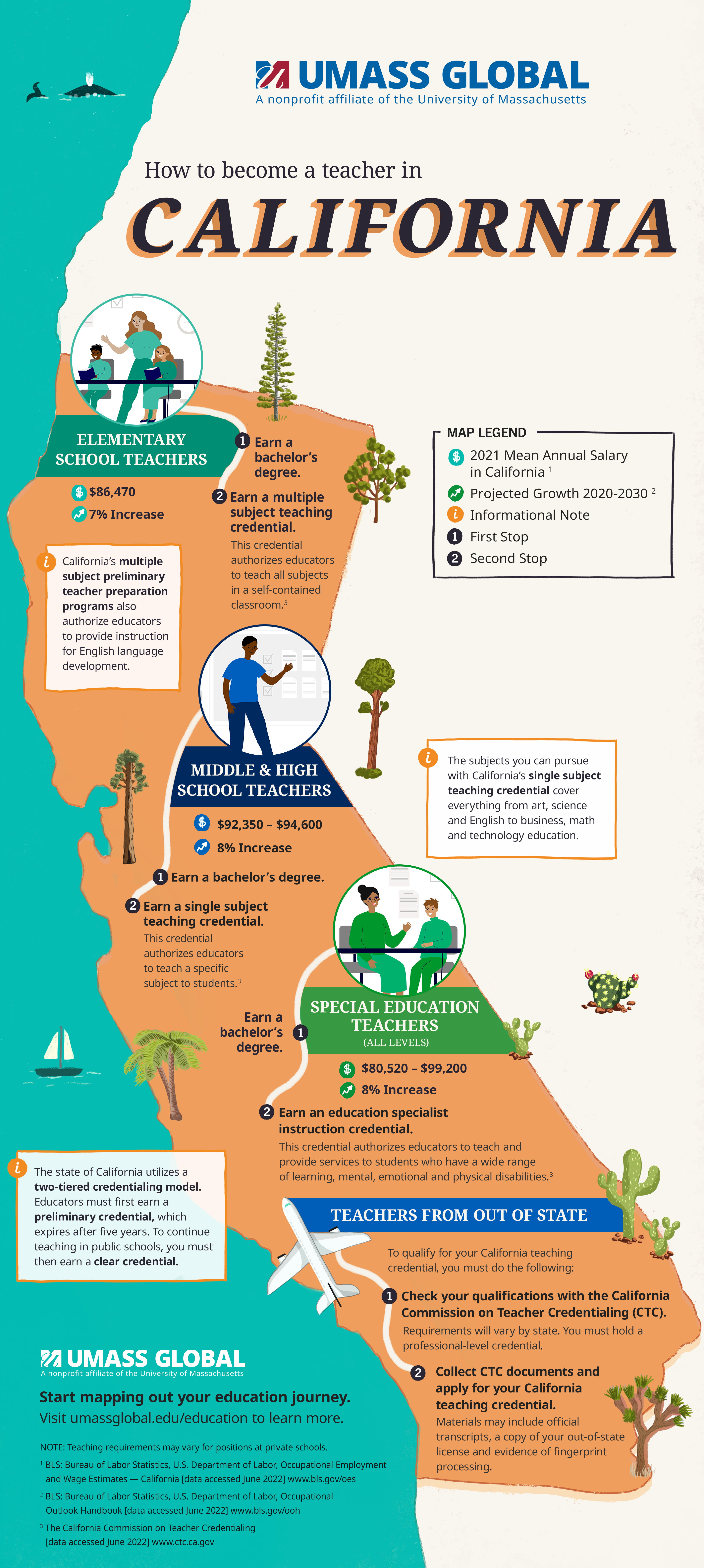
The Foundation: Education and Certification
At the heart of becoming an elementary school teacher in California lies a robust educational foundation. This isn’t just about acquiring knowledge; it’s about preparing yourself to impart it effectively to young learners. The state has a clear framework to ensure that all aspiring educators possess the necessary skills and understanding.
Earning Your Bachelor’s Degree
The primary prerequisite for teaching in California is a bachelor’s degree from an accredited college or university. While the specific major can vary, it’s highly recommended to pursue a degree in elementary education, child development, or a related field. These programs are designed to equip you with pedagogical knowledge, curriculum development strategies, and an understanding of child psychology. If your bachelor’s degree is in a different subject, you will likely need to complete a credential program that specializes in elementary education.
During your undergraduate studies, focus on courses that cover a broad range of subjects taught at the elementary level, including mathematics, science, English language arts, and social studies. Developing a strong grasp of these foundational areas will serve you well in your future teaching endeavors. Many universities offer opportunities for student teaching or internships, which are invaluable for gaining practical experience in a classroom setting. This hands-on exposure is crucial for understanding classroom management, lesson planning, and student engagement strategies.
The California Commission on Teacher Credentialing (CTC)
Once you have your bachelor’s degree, the next critical step is to obtain your teaching credential from the California Commission on Teacher Credentialing (CTC). This state agency oversees the licensing and certification of educators in California. The most common credential for elementary school teachers is the “Multiple Subject Teaching Credential.” This credential authorizes you to teach all subjects in grades kindergarten through sixth grade.
To be eligible for the Multiple Subject Teaching Credential, you will typically need to meet the following requirements:
- Bachelor’s Degree: As mentioned, this is a non-negotiable prerequisite.
- Basic Skills Requirement: This involves demonstrating proficiency in reading, writing, and mathematics. You can fulfill this requirement by passing the California Basic Educational Skills Test (CBEST), or through other approved assessment methods, such as meeting SAT or ACT score benchmarks, or demonstrating coursework equivalency.
- Subject Matter Competency: You’ll need to prove your knowledge in the subject areas you intend to teach. This is usually achieved by passing the appropriate Subject Matter Examinations (CSET) for the Multiple Subject Credential. These exams cover general science, mathematics, English language arts, and social studies.
- Professional Preparation Program: You must complete an accredited teacher preparation program that meets CTC standards. These programs often include coursework on teaching methodologies, child development, special education, and classroom management, along with supervised student teaching experiences.
- Health and Moral Fitness: Applicants must also meet certain health and moral fitness requirements, which may involve background checks and fingerprinting.
The process of obtaining your credential can take time, so it’s important to research specific program requirements and deadlines well in advance. Many universities and independent credentialing programs offer these pathways, and choosing the right one for your needs is a key decision.
Gaining Practical Experience and Specializing
Beyond the formal educational and certification requirements, real-world experience and the development of specialized skills can significantly enhance your candidacy and your effectiveness as a teacher. This is where you begin to truly shape your professional identity, much like exploring a new destination and immersing yourself in its local culture to gain a deeper understanding.
Student Teaching and Internships
The supervised student teaching component of your teacher preparation program is perhaps the most critical period for hands-on learning. Under the guidance of an experienced mentor teacher, you will gradually take on more responsibility for planning and delivering lessons, managing classroom behavior, and assessing student progress. This immersive experience allows you to apply theoretical knowledge in a practical setting, refine your teaching techniques, and build confidence.

Beyond formal student teaching, consider seeking out volunteer opportunities or paid internships in elementary schools. Working as a substitute teacher, a teacher’s aide, or a tutor can provide valuable exposure to different school environments, student populations, and teaching styles. These experiences not only enrich your resume but also help you solidify your passion for teaching and identify your preferred grade levels or school settings.
Exploring Specializations and Endorsements
While the Multiple Subject Teaching Credential allows you to teach a broad range of subjects and grades, California also offers opportunities to gain endorsements or specializations that can make you a more versatile and sought-after educator. For instance, you might consider an endorsement in:
- Bilingual Education: If you are fluent in another language, a bilingual education endorsement can open doors to teaching in dual-language immersion programs or serving students with limited English proficiency. This is akin to learning the nuances of a local dialect while traveling, allowing for deeper connection.
- English Learner (EL) Authorization: This authorization provides you with the specific skills and knowledge to effectively support English learners in the classroom, a critical need in many California schools.
- Special Education: While separate credentialing pathways exist for special education, some elementary credentials may allow for an added authorization to support students with mild to moderate disabilities within a general education setting.
- Reading Instruction: Advanced training in reading instruction can make you an invaluable asset to any elementary school, as literacy development is a cornerstone of early education.
Pursuing these additional qualifications can enhance your teaching repertoire and provide opportunities for specialization within elementary education, catering to the diverse needs of students.
The Job Search and Beyond: Building Your Career
With your credential in hand and valuable experience gained, you are now ready to embark on the exciting journey of securing your first teaching position. This phase requires strategic planning, effective networking, and a commitment to continuous professional development, much like planning a multi-destination trip to experience diverse cultures and attractions.
Crafting Your Application and Resume
Your resume and cover letter are your initial marketing tools. Highlight your educational background, certifications, relevant experience (including student teaching, volunteer work, and any specialized training), and your teaching philosophy. Quantify your accomplishments whenever possible – for example, “Improved student reading comprehension scores by an average of 15% in a third-grade classroom.” Your cover letter should be tailored to each specific school district or school, expressing your genuine interest in their mission and community.
Navigating the Hiring Process
Job openings for elementary school teachers in California are typically posted on district websites, educational job boards (like EdJoin.org), and through professional networks. Research school districts that align with your values and teaching interests. Some districts may require you to complete their specific application forms and undergo background checks.
The interview process can vary but often includes a panel interview with administrators, teachers, and sometimes parents. Be prepared to discuss your teaching strategies, classroom management techniques, how you handle challenging students, and your approach to parent communication. Some interviews may also include a demonstration lesson, where you’ll have the opportunity to showcase your teaching skills in a simulated or actual classroom setting. This is your chance to shine, demonstrating your ability to engage students and create a positive learning environment, similar to how a well-executed travel itinerary allows you to fully experience a destination.

Embracing Professional Growth and Lifelong Learning
The journey of a teacher doesn’t end with securing a position. The field of education is constantly evolving, and continuous professional development is crucial for staying current and effective. California offers numerous opportunities for teachers to enhance their skills through:
- Professional Development Workshops and Conferences: Attending workshops focused on new pedagogical approaches, technology integration, or specific subject areas can provide valuable insights and practical strategies.
- Advanced Degrees and Certifications: Pursuing a master’s degree in education or specialized certifications can lead to career advancement opportunities, such as curriculum development, instructional coaching, or administrative roles.
- Collaborative Learning Communities: Engaging with fellow educators in professional learning communities (PLCs) allows for the sharing of best practices, problem-solving, and mutual support.
- Staying Informed: Keeping abreast of educational research, policy changes, and innovative teaching methods is essential for professional growth.
Becoming an elementary school teacher in California is a rewarding endeavor that requires a blend of academic rigor, practical experience, and a deep-seated passion for education. By understanding and diligently pursuing the outlined steps, you can confidently embark on this transformative career, shaping the future of young minds and contributing to the vibrant educational landscape of the Golden State. Your journey will be one of continuous learning and growth, not just for your students, but for yourself, as you inspire and are inspired by the next generation.