
While the glitz and glamour of California‘s iconic attractions might draw millions of tourists to its shores, and the allure of its diverse landscapes from the beaches of Malibu to the majestic peaks of the Sierra Nevada is undeniable, there’s a different kind of calling that resonates within this vibrant state. For those who feel a deep-seated desire to serve their communities and make a tangible difference in moments of crisis, the path of an Emergency Medical Technician (EMT) offers a profoundly rewarding career. Becoming an EMT in California is more than just a job; it’s a commitment to being a first responder, a beacon of hope, and a critical link in the chain of emergency medical care. This guide will illuminate the steps involved in embarking on this essential profession within the Golden State.

The Foundation: Understanding the EMT Role and Requirements in California
Before diving into the practicalities, it’s crucial to grasp what being an EMT entails. EMTs are the frontline caregivers in pre-hospital emergency medical services. They assess patients, administer basic life support, and transport them to medical facilities. This role demands a unique blend of technical proficiency, critical thinking, compassion, and the ability to remain calm under immense pressure.
In California, the regulation and oversight of EMTs fall under the purview of the California Department of Public Health (CDPH) and its Emergency Medical Services Authority (EMS Authority). To be eligible for certification, aspiring EMTs must meet several fundamental criteria.
Essential Eligibility Criteria
- Age: Applicants must be at least 18 years old.
- Education: A high school diploma or a GED is typically required. Some training programs may have additional academic prerequisites.
- Background Check: Prospective EMTs must pass a criminal background check. This is to ensure the safety and trustworthiness of individuals entrusted with patient care and sensitive situations.
- Health Status: Applicants should be in good physical and mental health to perform the demanding duties of an EMT, which can include lifting patients, prolonged standing, and exposure to stressful environments.
- English Proficiency: While not always a formal written test, the ability to communicate effectively in English is paramount for understanding instructions, communicating with patients and medical personnel, and documenting patient information accurately.
These initial requirements form the bedrock upon which a successful EMT career is built. Understanding these prerequisites is the first step in determining your suitability and commitment to this demanding yet fulfilling profession.
The Journey: EMT Training and Certification in California
The core of becoming an EMT in California lies in completing an accredited training program and subsequently obtaining certification. This journey involves rigorous education, practical skill development, and passing standardized examinations.
Choosing an Accredited EMT Program
The first practical step is enrolling in an EMT training program. California has numerous accredited institutions offering these courses, ranging from community colleges and private vocational schools to fire academies and private training centers. The California EMS Authority maintains a list of accredited programs, and it is vital to ensure your chosen program is recognized by the state.
When selecting a program, consider factors such as:
- Program Curriculum: Ensure the curriculum covers all mandated topics, including anatomy and physiology, patient assessment, airway management, CPR, bleeding control, shock management, basic medical emergencies, trauma, obstetrics, and pediatrics.
- Hands-on Training: A good program will offer extensive hands-on practice with skills labs, simulations, and supervised clinical rotations. These practical experiences are indispensable for developing the muscle memory and confidence needed in real-world scenarios.
- Instructor Quality: Experienced instructors with real-world EMS backgrounds can provide invaluable insights and mentorship.
- Program Duration and Schedule: EMT programs vary in length, typically from a few weeks to several months. Consider how the program schedule fits with your existing commitments, whether you prefer full-time, part-time, or evening/weekend classes.
- Location and Cost: Evaluate the proximity of the training center and the overall cost of tuition, books, and supplies. Some programs may also offer financial aid options.
The training itself is intensive. You’ll spend a significant amount of time in classrooms and skill labs, learning the theoretical knowledge and practical skills required to stabilize patients. This includes learning to use essential equipment like defibrillators, oxygen masks, and splints.
The National Registry of Emergency Medical Technicians (NREMT) Exam
Upon successful completion of your accredited EMT training program, you will be eligible to take the certification examination. In California, as in many other states, the primary pathway to state certification is through the National Registry of Emergency Medical Technicians (NREMT).
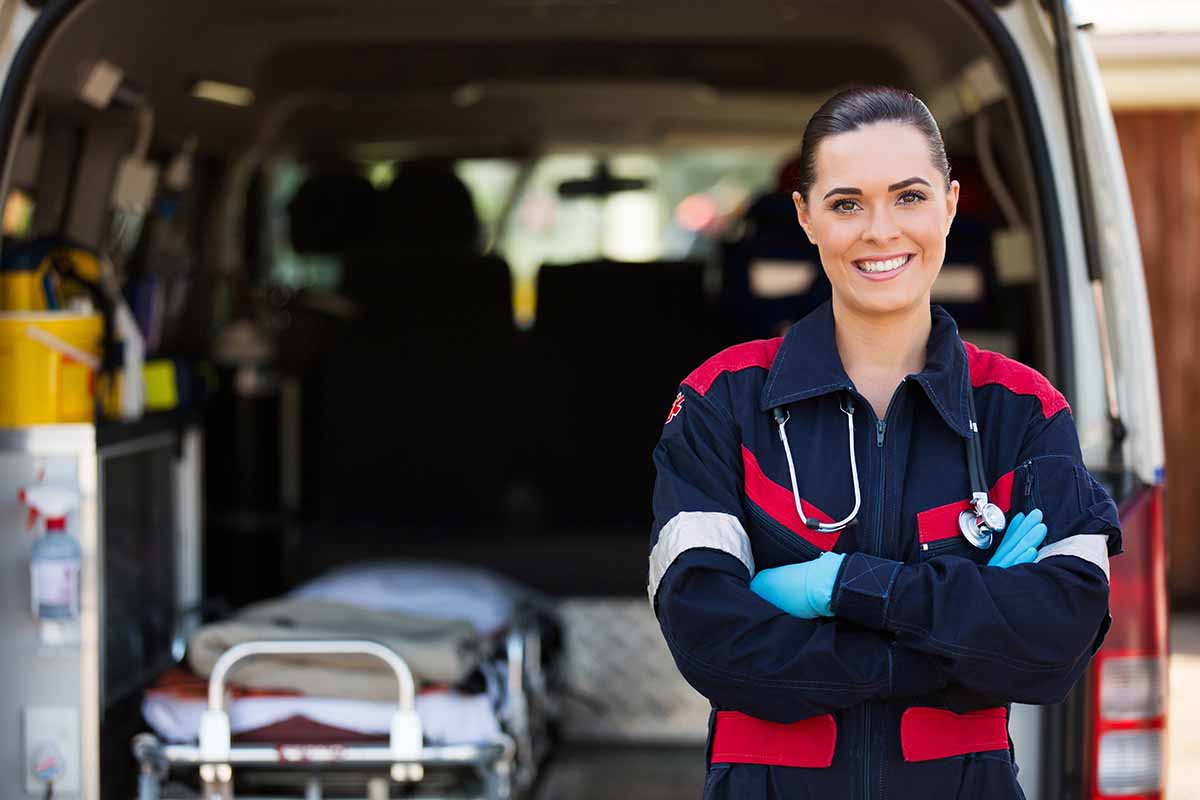
The NREMT exam is a standardized, computer-based test designed to assess your knowledge and cognitive skills. It comprises two main components:
- Cognitive Exam: This is a multiple-choice examination that covers the breadth of EMT knowledge. The exam is adaptive, meaning the difficulty of subsequent questions adjusts based on your performance.
- Psychomotor Exam: This practical exam evaluates your ability to perform essential EMT skills in a simulated patient care scenario. You will be required to demonstrate proficiency in skills such as patient assessment, cardiac arrest management, bleeding control, and spinal immobilization.
Passing both components of the NREMT exam is a crucial step towards obtaining your California EMT certification. Many training programs integrate preparation for the NREMT exam into their curriculum, providing practice tests and review sessions.
Obtaining Your California EMT Certification
Once you have successfully passed the NREMT exam, the final step is to apply for your California EMT certification through the California EMS Authority. This process typically involves:
- Submitting an application form.
- Providing proof of successful completion of an accredited EMT training program.
- Submitting your NREMT certification or results.
- Completing a background check and fingerprinting.
- Paying the required application and certification fees.
The CDPH will review your application, and upon approval, you will be issued your California EMT certification. This certification is generally valid for two years and requires renewal through continuing education and potentially re-examination.
Beyond Certification: Career Pathways and Continuing Your Development
Achieving EMT certification is a significant accomplishment, but it’s also the beginning of a dynamic career. The skills and knowledge gained as an EMT are highly transferable, and California offers a diverse range of employment opportunities and avenues for professional growth.
Employment Opportunities for EMTs in California
EMTs are in demand across California, serving a variety of vital roles within the healthcare system and beyond. Some common employment settings include:
- Private Ambulance Services: These are often the primary employers of EMTs, providing emergency transport for 911 calls and interfacility transfers. Companies like American Medical Response (AMR) and Rural Metro Fire are significant players in this sector across the state.
- Fire Departments: Many fire departments employ EMTs and paramedics to staff ambulances and respond to medical emergencies alongside fire suppression efforts. This is particularly common in larger municipalities like Los Angeles and San Francisco.
- Hospitals: Hospitals employ EMTs in various capacities, such as patient transporters, emergency department support staff, and in roles assisting with patient care under the supervision of nurses and physicians.
- Special Event Services: EMTs are often hired for medical coverage at concerts, sporting events, festivals, and other large gatherings, ensuring immediate medical assistance is available.
- Industrial and Corporate Settings: Some large companies and industrial sites have their own in-house medical response teams, often staffed by EMTs.
- Air Ambulance Services: For those with advanced skills and experience, roles in air medical transport might be an option, though these often require paramedic certification.
When seeking employment, be prepared to present your California EMT certification, NREMT certification (if applicable), and any other relevant certifications like Advanced Cardiovascular Life Support (ACLS) or Pediatric Advanced Life Support (PALS).

Continuing Education and Professional Growth
The field of emergency medicine is constantly evolving, with new protocols, technologies, and best practices emerging regularly. To maintain your California EMT certification and stay current in your profession, you will need to engage in continuing education (CE).
- CE Requirements: The California EMS Authority mandates a certain number of CE hours every two years to renew your certification. These hours cover updates in medical knowledge, skills competency, and legal/ethical aspects of EMS.
- Advanced Certifications: Many EMTs aspire to advance their careers by becoming paramedics. Paramedic training is more extensive, involving a longer program that focuses on advanced life support skills, including medication administration and advanced cardiac interventions.
- Specializations: Within EMS, there are opportunities to specialize in areas like wilderness medicine, tactical EMS (working with law enforcement), or critical care transport.
- Leadership Roles: With experience, EMTs can move into supervisory or training roles, mentoring new recruits and contributing to the development of EMS protocols.
The lifestyle of an EMT in California can be demanding, requiring long hours, shift work, and the ability to handle emotionally challenging situations. However, the rewards of serving your community, working in a dynamic environment, and being part of a critical team dedicated to saving lives are immeasurable. From the bustling streets of San Diego to the more remote landscapes of Northern California, the need for skilled and compassionate EMTs is constant, offering a fulfilling career for those who answer the call.