
The allure of the Lone Star State is undeniable, drawing individuals from across the nation and the globe. Whether you’re captivated by its vast landscapes, vibrant cities, unique culture, or economic opportunities, establishing residency in Texas is a journey many aspire to undertake. This comprehensive guide will navigate you through the essential steps and considerations, blending practical advice with an exploration of what makes Texas such an exceptional place to call home.
Understanding Residency Requirements
Before you pack your bags and embark on your Texan adventure, it’s crucial to understand the official definition of residency and the requirements you’ll need to meet. Texas law defines a resident as an individual who has been living in the state for at least twelve consecutive months and intends to make Texas their permanent home. This intent is key and can be demonstrated through various actions.
Proving Your Intent to Reside
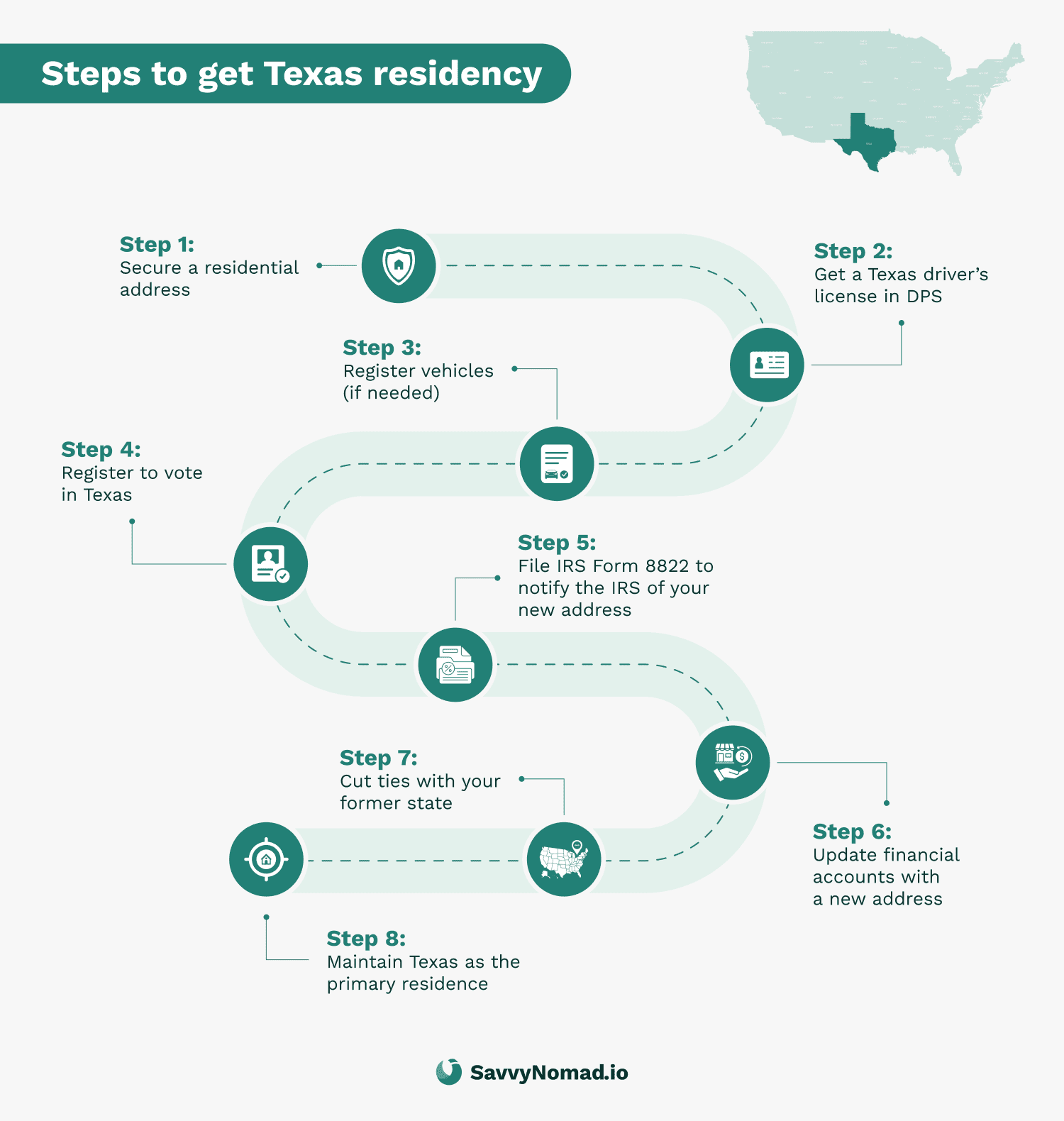
Demonstrating your genuine intent to become a Texan resident involves more than just stating it. The state looks for tangible evidence that you are integrating into the community and establishing roots. This can include:
-
Establishing a Physical Address: The most fundamental step is securing a place to live. This could be renting an apartment in a bustling city like Dallas or Austin, purchasing a house in a suburban neighborhood of Houston, or even securing a long-term stay in a charming villa in the Texas Hill Country. The duration of your accommodation is important; a temporary hotel stay, while a starting point, won’t suffice for establishing permanent residency. Consider options that allow for a sustained presence, like extended-stay apartments or vacation rentals that offer more than just a short-term fix.
-
Securing Employment or Education: If you’re moving for work, a job offer and subsequent employment in Texas are strong indicators of your intent to reside. Similarly, enrolling in a Texan university or college, such as the University of Texas at Austin or Texas A&M University, signals a commitment to a long-term presence. For those not seeking formal employment or education, engaging in entrepreneurial activities or volunteering within the community can also demonstrate your intention to contribute to the state.
-
Obtaining a Texas Driver’s License or ID: This is a significant step in officially recognizing your residency. To obtain a Texas driver’s license, you’ll typically need to provide proof of identity, social security number, and lawful presence in the United States, along with two forms of Texan residency. This could include utility bills, lease agreements, or bank statements showing your Texas address. Similarly, a Texas identification card serves as proof of state residency for those who do not drive.
-
Registering to Vote: Registering to vote in Texas is a clear declaration of your intention to participate in the state’s political process and is a strong piece of evidence for residency. This requires meeting the eligibility criteria, including being a U.S. citizen, a resident of Texas, and at least 18 years old on Election Day.
-
Opening Texas Bank Accounts: Establishing financial ties within Texas by opening bank accounts and conducting your financial transactions from the state further solidifies your residency. This demonstrates that your economic life is now rooted in Texas.
-
Enrolling Children in Texas Schools: If you have a family, enrolling your children in Texas public or private schools is a powerful indicator of your commitment to living in the state long-term. This often requires proof of residency, such as utility bills or a lease agreement.
-
Transferring Vehicle Registration: If you own a vehicle, transferring its registration to Texas is another essential step. You’ll need to obtain Texas license plates and a Texas inspection sticker, which also requires proof of Texan residency.
-
Obtaining a Texas Professional License: For individuals in licensed professions, obtaining a Texas professional license is a clear signal of your intent to practice and reside in the state.
Navigating Different Residency Scenarios
The path to residency can vary slightly depending on your circumstances. Whether you’re a student, a working professional, a retiree, or moving with your family, understanding the nuances is important.
For Students and Academics
Students attending Texan institutions often establish residency for tuition purposes. Universities have specific requirements for in-state tuition, which usually involve demonstrating that you have been financially independent and physically present in Texas for a specified period, typically 12 months, and that your primary purpose for being in Texas is not solely for education. This often involves severing ties with your previous state of residence.
For Working Professionals
If you’re relocating for employment, securing a job offer is the first step. Your employer may assist with the process of establishing residency, especially if relocation packages are involved. You’ll need to ensure you meet the general residency requirements, including securing housing and obtaining a Texas driver’s license. Many professionals find long-term accommodation options like serviced apartments or corporate housing that offer comfort and convenience while they settle in.
For Retirees and Snowbirds
Texas is an attractive destination for retirees due to its favorable tax climate, warm weather, and diverse lifestyle options. Retirees often establish residency by demonstrating their intent to make Texas their permanent home, which can include selling property in their previous state, transferring financial assets, and becoming involved in local communities. For those who spend only part of the year in Texas, understanding the difference between residency and temporary sojourning is crucial, as it impacts tax obligations and legal rights.
For Families
Moving with a family involves additional considerations, such as school enrollment for children, finding suitable family-friendly accommodation, and integrating into community life. Exploring family-oriented neighborhoods, understanding school district boundaries, and accessing local amenities are key aspects of settling in. The longer-term stay options, such as family villas or apartments, often provide more space and amenities for families.
Embracing the Texan Lifestyle and Culture
Beyond the legalities, becoming a Texan resident is also about embracing the unique spirit and culture of the state. Texas offers a rich tapestry of experiences, from its sprawling natural beauty to its bustling urban centers, each with its own distinct charm.
Exploring Texas Destinations
Texas is a state of immense diversity, offering a wide array of travel destinations that can appeal to every taste.
-
Urban Adventures: Cities like Houston boast world-class museums, a thriving culinary scene, and diverse cultural enclaves. Dallas offers a sophisticated urban experience with upscale shopping, fine dining, and a vibrant arts district. Austin, the state capital, is renowned for its live music scene, eclectic culture, and outdoor recreational opportunities. Don’t miss the historic charm of San Antonio, home to the iconic Alamo and the picturesque Riverwalk.
-
Natural Wonders: For nature enthusiasts, Texas offers breathtaking landscapes. The Big Bend National Park provides rugged desert vistas and hiking opportunities. The Texas Hill Country beckons with its rolling hills, wineries, and charming small towns like Fredericksburg. Along the coast, you’ll find beautiful beaches and opportunities for water sports in places like Galveston.
-
Historical and Cultural Immersion: Texas is steeped in history, from its Native American heritage to its Spanish colonial past and its iconic Wild West roots. Visiting historical landmarks, attending local festivals, and exploring the unique cultural traditions are all part of the Texan experience.

Finding Your Ideal Accommodation
When it comes to finding a place to live, Texas offers a spectrum of accommodation options to suit different needs and preferences.
-
Apartments and Condominiums: In the major cities, apartments and condominiums are popular choices for singles, couples, and small families. These range from modern high-rises in downtown areas offering city views to more suburban complexes with amenities like pools and fitness centers. Long-term leases are readily available.
-
Houses and Townhouses: For those seeking more space, single-family homes and townhouses are abundant, particularly in suburban and exurban areas. These offer private yards and a more traditional residential feel. The housing market in Texas can vary significantly by region, offering opportunities for both luxury and budget-conscious buyers and renters.
-
Resorts and Extended Stays: For individuals who are transitioning or prefer a more serviced living arrangement, extended-stay hotels and resorts offer a comfortable and convenient solution. These often come with amenities like fully equipped kitchens, laundry facilities, and sometimes even community spaces, making them ideal for longer periods. Some luxury resorts in areas like the Texas Hill Country also offer long-term rental villas that provide an elevated living experience.
-
Rural Living: For those drawn to a more serene lifestyle, Texas offers ample opportunities for rural living. From ranches to country homes, you can find properties that provide peace and quiet amidst expansive landscapes.
Integrating into Local Life
Becoming a resident is more than just having an address; it’s about becoming part of the community.
-
Local Cuisine: Texas is famous for its distinctive culinary landscape, a fusion of Southern, Mexican, and Native American influences. From authentic Tex-Mex and slow-smoked barbecue to fresh Gulf seafood, exploring the local food scene is a delicious way to connect with the culture. Don’t forget to try classic dishes like chili, chicken-fried steak, and pecan pie.
-
Community Events and Activities: Participating in local events, festivals, farmers’ markets, and community gatherings is a fantastic way to meet people and experience the local flavor. Texas has a strong sense of community, and engaging in these activities will help you feel at home.
-
Outdoor Recreation: With its vast and varied geography, Texas offers endless opportunities for outdoor enthusiasts. Hiking in the Big Bend National Park, fishing on the coast, exploring the Caddo Lake State Park, or enjoying a leisurely bike ride along a city trail are just a few examples.
Navigating the Practicalities of Relocation
Moving to a new state involves a series of practical steps that require careful planning and execution.
Documentation and Legalities
-
Proof of Identity and Lawful Presence: Ensure you have all necessary documentation, including birth certificates, passports, and any visa or immigration documents if applicable.
-
Social Security Card: You will need your Social Security card to secure employment, open bank accounts, and obtain a driver’s license.
-
Financial Records: Be prepared to provide proof of financial stability, such as bank statements or pay stubs, especially if applying for loans or leases.
Setting Up Utilities and Services
Once you have secured your accommodation, you’ll need to set up essential services. This typically includes:
-
Electricity and Gas: Contact local utility providers to set up service at your new address. Major providers include Oncor, CenterPoint Energy, and numerous retail electricity providers.
-
Water and Sewer: These services are usually managed by the city or a local water district.
-
Internet and Cable: Choose from various providers offering high-speed internet and television services.
-
Mail Forwarding: Set up mail forwarding with the United States Postal Service to ensure you don’t miss any important mail during your transition.
Healthcare and Insurance
-
Health Insurance: If you are employed, your employer will likely offer health insurance. If not, explore options through the Affordable Care Act marketplace or private insurance providers.
-
Finding a Doctor: Research and register with a local doctor and dentist to ensure you have access to healthcare services.
Transportation
-
Driver’s License: As mentioned earlier, obtaining a Texas driver’s license is a priority. Visit a Texas Department of Public Safety (DPS) office to complete the process.
-
Vehicle Registration: If you’re bringing a vehicle, ensure you comply with Texas vehicle registration and inspection requirements promptly.
-
Public Transportation: Major Texan cities offer public transportation options, including buses and light rail systems, which can be a convenient way to navigate urban areas.
Becoming a resident of Texas is a rewarding endeavor that opens the door to a lifestyle rich in opportunity, culture, and natural beauty. By understanding the requirements, embracing the local spirit, and diligently attending to the practicalities of relocation, you’ll be well on your way to making the Lone Star State your true home. Whether you’re drawn to the vibrant energy of Dallas, the cultural melting pot of Houston, the live music heart of Austin, or the historic charm of San Antonio, Texas offers a unique and welcoming experience for all its new residents.