
In an age where information is boundless and readily accessible at our fingertips, the ability to discern credible sources and properly attribute them has never been more crucial. For enthusiasts of travel, hotels, tourism, accommodation, landmarks, and lifestyle – whether you’re penning a captivating travelogue about your adventures in Machu Picchu, reviewing a luxurious suite at The Plaza Hotel in New York City, or researching the historical significance of the Colosseum in Rome – citing your sources with precision is a mark of integrity and academic rigor. This is particularly true when much of our research comes from the vast expanse of the internet.
The Chicago Manual of Style (CMOS) offers a comprehensive and flexible framework for citation, widely respected across humanities and social sciences. While often associated with scholarly articles and books, its principles extend seamlessly to digital content, making it an invaluable tool for anyone looking to lend credibility and authority to their online writing or research. This guide will demystify the process of citing websites in Chicago Style, offering clear, actionable steps and examples tailored to the world of travel and lifestyle, ensuring your narratives are not only engaging but also impeccably sourced.
Understanding the Fundamentals of Chicago Style for Digital Resources
Before diving into the specifics of citing a website, it’s essential to grasp the two primary systems Chicago Style employs: the Notes-Bibliography (NB) system and the Author-Date system. The choice between these often depends on the nature of your project and the preferences of your publisher or audience. For many travel blogs, detailed historical analyses of landmarks, or comprehensive reviews of accommodation options, the Notes-Bibliography system is frequently favored due to its capacity for extensive explanatory notes. However, for more concise lifestyle articles or academic-style papers focusing on tourism trends, the Author-Date system might be more appropriate.
Regardless of the system chosen, the core principle remains consistent: provide enough information for your readers to easily locate the original source. When citing a website, you’ll typically need to identify the author, the title of the page or article, the name of the website, the publication or last modified date, and the URL. Occasionally, you might encounter sources lacking one or more of these elements; we’ll cover strategies for handling such situations to ensure your citations remain robust. The beauty of the internet lies in its immediacy and constant evolution, but this also means digital sources can change or disappear. Therefore, including the access date, especially for dynamic content, adds another layer of reliability to your citations.
Navigating the Two Main Systems: Notes-Bibliography vs. Author-Date
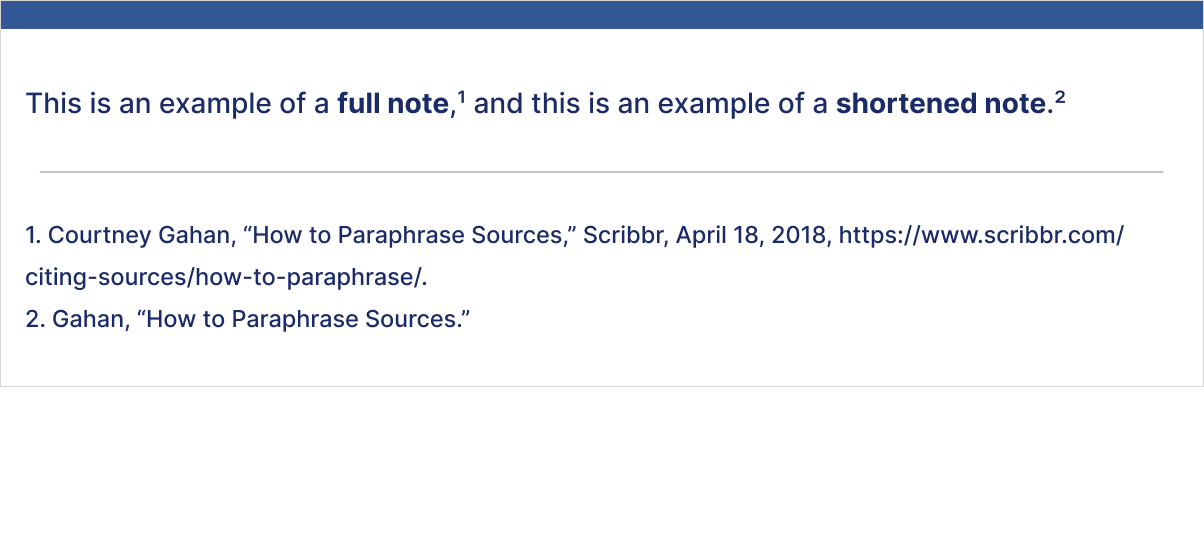
The Notes-Bibliography (NB) system is characterized by the use of footnotes or endnotes to cite sources within the text, complemented by a comprehensive bibliography at the end of the document. This system is particularly useful for works that require extensive commentary or multiple sources per point, such as a detailed historical overview of the Great Wall of China or an in-depth analysis of local culture and tourism in Kyoto. Footnotes allow you to provide full citation information on the first mention and then a shortened version thereafter, keeping your main text uncluttered while offering immediate reference to the source. The bibliography then aggregates all cited sources in a single, alphabetized list, providing a holistic view of your research base.
In contrast, the Author-Date system uses brief parenthetical citations within the text, usually consisting of the author’s last name and the year of publication. This is ideal for disciplines where the publication date is paramount, or for articles that lean more towards scientific or social scientific inquiry, such as studies on the economic impact of luxury travel or consumer behavior in hotel booking. A corresponding reference list at the end of the document then provides full details for each in-text citation. For a travel blog focused on lifestyle tips or practical guides like “how to plan a family trip to Walt Disney World Resort,” the Author-Date system might offer a cleaner, less intrusive way to cite facts or statistics. Understanding when to use each system is the first step toward effective and appropriate citation in Chicago Style.
Step-by-Step Guide to Citing a Website in Notes-Bibliography Style
The Notes-Bibliography system is highly flexible and well-suited for works with numerous sources or when detailed explanatory notes are beneficial. When drafting a vibrant blog post about your travel experiences through Southeast Asia, compiling a guide to the best hotels in Paris, or exploring the intricacies of local culture in Santorini, this method ensures your readers can easily verify your claims and explore the sources you’ve consulted.
Footnotes/Endnotes: Practical Examples for Travel Content
Footnotes (at the bottom of each page) or endnotes (at the end of the document) are the primary way to cite sources within your text using the Notes-Bibliography system. The first time you cite a source, you provide a full citation. Subsequent citations of the same source can be shortened.
General Format for a First Footnote/Endnote:
N. Author First Name Last Name, “Title of Page/Article,” Title of Website, Month Day, Year of Publication or Last Modification, URL.
Examples for Travel and Lifestyle Content:
-
Citing a Travel Guide or Destination Article:
Suppose you’re writing about the best hiking trails in Grand Canyon National Park and reference an article from a popular travel site.
First Note:- Jane Doe, “Hiking the Bright Angel Trail: A Complete Guide,” National Geographic Travel, April 15, 2023, https://lifeoutofthebox.com/bright-angel-trail-grand-canyon.
Subsequent Note: - Doe, “Hiking the Bright Angel Trail.”
- Jane Doe, “Hiking the Bright Angel Trail: A Complete Guide,” National Geographic Travel, April 15, 2023, https://lifeoutofthebox.com/bright-angel-trail-grand-canyon.
-
Citing a Hotel Review or Accommodation Feature:
If you’re detailing amenities or booking tips for a resort in Dubai.
First Note:- John Smith, “Review of the Burj Al Arab Jumeirah: Unparalleled Luxury,” TripAdvisor, October 20, 2022, https://lifeoutofthebox.com/burj-al-arab-jumeirah-review.
Subsequent Note: - Smith, “Review of the Burj Al Arab Jumeirah.”
- John Smith, “Review of the Burj Al Arab Jumeirah: Unparalleled Luxury,” TripAdvisor, October 20, 2022, https://lifeoutofthebox.com/burj-al-arab-jumeirah-review.
-
Citing a Blog Post on Local Culture or Activities:
When discussing unique cultural activities in Tokyo, like the bustling Shibuya Crossing.
First Note:- Sarah Lee, “Exploring the Hidden Alleys of Shinjuku: A Foodie’s Paradise,” Tokyo Food Blog, January 5, 2024, https://lifeoutofthebox.com/tokyo-food-guide.
Subsequent Note: - Lee, “Exploring the Hidden Alleys of Shinjuku.”
- Sarah Lee, “Exploring the Hidden Alleys of Shinjuku: A Foodie’s Paradise,” Tokyo Food Blog, January 5, 2024, https://lifeoutofthebox.com/tokyo-food-guide.
Important Note: If no author is listed, begin the citation with the title of the page/article. If no publication date is available, use “n.d.” (no date). For sources with many authors, list up to three in the note; for more, list the first followed by “et al.”
Bibliography Entries: Compiling Your Travel Resources
The bibliography, located at the end of your document, provides an alphabetized list of all sources cited in your footnotes. Each entry offers complete publication information, allowing readers to find the source independently.
General Format for a Bibliography Entry:
Author Last Name, First Name. “Title of Page/Article.” Title of Website. Month Day, Year of Publication or Last Modification. URL.
Examples for Travel and Lifestyle Content:
-
For a Destination Guide (from the example above):
Doe, Jane. “Hiking the Bright Angel Trail: A Complete Guide.” National Geographic Travel. April 15, 2023. https://lifeoutofthebox.com/bright-angel-trail-grand-canyon. -
For a Hotel or Resort Review:
Smith, John. “Review of the Burj Al Arab Jumeirah: Unparalleled Luxury.” TripAdvisor. October 20, 2022. https://lifeoutofthebox.com/burj-al-arab-jumeirah-review. -
For a Local Culture Blog Post:
Lee, Sarah. “Exploring the Hidden Alleys of Shinjuku: A Foodie’s Paradise.” Tokyo Food Blog. January 5, 2024. https://lifeoutofthebox.com/tokyo-food-guide.
No Author/No Date Scenarios in Bibliography:
- No Author: If no author is available, begin the entry with the title of the article.
“The Best Beaches in Maui for Your Next Hawaii Vacation.” Maui Tourism Board. January 10, 2024. https://lifeoutofthebox.com/maui-beaches. - No Date: If no publication or last modified date is available, use “n.d.” in place of the date.
Roberts, David. “History of the Eiffel Tower.” Paris Landmarks. n.d. https://lifeoutofthebox.com/eiffel-tower-history.
Remember, the goal of the bibliography is to provide a complete and easily navigable list of your sources, allowing readers to further explore the topics of travel, hotels, tourism, accommodation, landmarks, and lifestyle that you’ve introduced.
Navigating the Author-Date System for Digital Travel Content
For those writing in contexts where immediacy and conciseness are prioritized, such as brief articles on budget travel tips or comparative reviews of hotel booking platforms, the Author-Date system of Chicago Style offers an efficient alternative. This system integrates citations directly into the main text using parentheses, making it particularly useful for scientific, technical, and social science disciplines, but adaptable for various online content, including travel blogs that emphasize empirical data or statistical information about tourism trends.
In-Text Citations: Quick References for Your Travel Narratives
In the Author-Date system, a brief parenthetical citation usually appears at the end of a sentence or clause where you’ve used information from a source. This citation typically includes the author’s last name and the year of publication. For direct quotes or specific pieces of information, a page number (or paragraph number for online content) can be added, though it’s less common for general website citations.

General Format for In-Text Citation:
(Author Last Name Year) or (Author Last Name Year, page no./para. no.)
Examples for Travel and Lifestyle Content:
-
Citing a Study on Travel Destinations:
When discussing the rising popularity of ecotourism in Costa Rica, you might cite a report.
Example: Many travelers are now seeking sustainable travel experiences, opting for destinations known for their environmental efforts (Garcia 2023). -
Citing a Hotel Industry Report:
If you’re analyzing the impact of global events on the hotel sector or specific resorts.
Example: The rebound in international tourism has significantly boosted occupancy rates for luxury hotels worldwide (Hospitality Insights 2022). -
Citing a Lifestyle Blog Post on Business Stays:
For insights into managing productivity during business trips.
Example: Maintaining a routine is crucial for productivity during business stays, even in a bustling city like London (Chen 2024).
No Author/No Date Scenarios in In-Text Citations:
- No Author: Use a shortened title of the page/article, or the full title if it’s brief.
Example: Online resources provide extensive tips for selecting the ideal long-term stay accommodation (“Choosing Extended Stay” 2023). - No Date: Use “n.d.” in place of the year.
Example: The historical context of the Louvre Museum offers rich insights into French art (ArtHistory Today n.d.).
Reference List: A Comprehensive Collection of Your Online Travel Sources
Similar to a bibliography, the reference list in the Author-Date system provides full bibliographic details for every source cited in your text. This list is alphabetized by author’s last name (or by title if no author is present) and placed at the end of your document.
General Format for a Reference List Entry:
Author Last Name, First Name. Year. “Title of Page/Article.” Title of Website. Month Day. URL.
Examples for Travel and Lifestyle Content:
-
For a Travel Study:
Garcia, Maria. 2023. “The Rise of Ecotourism in Central America.” Sustainable Travel Journal. June 1. https://lifeoutofthebox.com/ecotourism-trends. -
For a Hotel Industry Report:
Hospitality Insights. 2022. “Global Hotel Market Analysis: Q4 2022.” Global Hotel Review. December 15. https://lifeoutofthebox.com/hotel-market-report. -
For a Lifestyle Blog Post:
Chen, Emily. 2024. “Maximizing Productivity on Business Trips: A Digital Nomad’s Guide.” Lifestyle on the Go. February 20. https://lifeoutofthebox.com/business-travel-productivity.
No Author/No Date Scenarios in Reference List:
- No Author:
“Choosing Extended Stay Accommodation: Tips for Digital Nomads.” 2023. Nomad Life Blog. July 18. https://lifeoutofthebox.com/extended-stay-tips. - No Date:
ArtHistory Today. n.d. “The Enduring Legacy of the Louvre Museum.” Art & Culture Magazine. https://lifeoutofthebox.com/louvre-legacy.
The Author-Date system, with its concise in-text citations and comprehensive reference list, is perfect for providing clear, unobtrusive attribution for various forms of online content, ensuring that your readers can trace the factual basis of your engaging travel and lifestyle narratives.
Best Practices for Citing Travel and Lifestyle Resources Online
Effective citation goes beyond simply following a format; it involves critical thinking and a commitment to accuracy. In the dynamic world of online travel and lifestyle content, where information is constantly updated, refined, or even removed, adopting best practices ensures your work remains credible and valuable. Whether you’re curating guides for dream destinations, evaluating the latest hotel amenities, or sharing personal travel experiences, these guidelines will help you maintain the highest standards of sourcing.
Dealing with Missing Information
It’s common to encounter websites or blog posts, especially on smaller travel blogs or forums, that lack complete publication information such as an explicit author or a clear publication date. Chicago Style provides conventions to handle these situations gracefully:
- No Author: If no individual or corporate author is listed, begin your citation with the title of the page or article. In your bibliography or reference list, alphabetize by the title.
- Example (Footnote): 4. “Discovering [Buckingham Palace’s Royal History],” London Tourist Board, n.d., https://lifeoutofthebox.com/buckingham-palace-history.
- Example (Bibliography): “Discovering [Buckingham Palace’s Royal History].” London Tourist Board. n.d. https://lifeoutofthebox.com/buckingham-palace-history.
- No Date: If neither a publication date nor a “last modified” date is provided, use “n.d.” (no date) in your citation. However, always make an effort to find a date; sometimes it’s hidden in copyright notices or URL structures.
- Example (Footnote): 6. Michael Johnson, “The Best Food Tours in Venice,” Venice Bites, n.d., https://lifeoutofthebox.com/venice-food-tours.
- Example (Bibliography): Johnson, Michael. “The Best Food Tours in Venice.” Venice Bites. n.d. https://lifeoutofthebox.com/venice-food-tours.
When vital information is missing, consider the credibility of the source more carefully. While Chicago Style allows for citation without all elements, reputable sources typically provide this information, adding to their trustworthiness.
Citing Dynamic Content and Social Media
The internet is not static, and many valuable travel and lifestyle insights come from dynamic platforms like social media posts, interactive maps, or constantly updated booking sites.
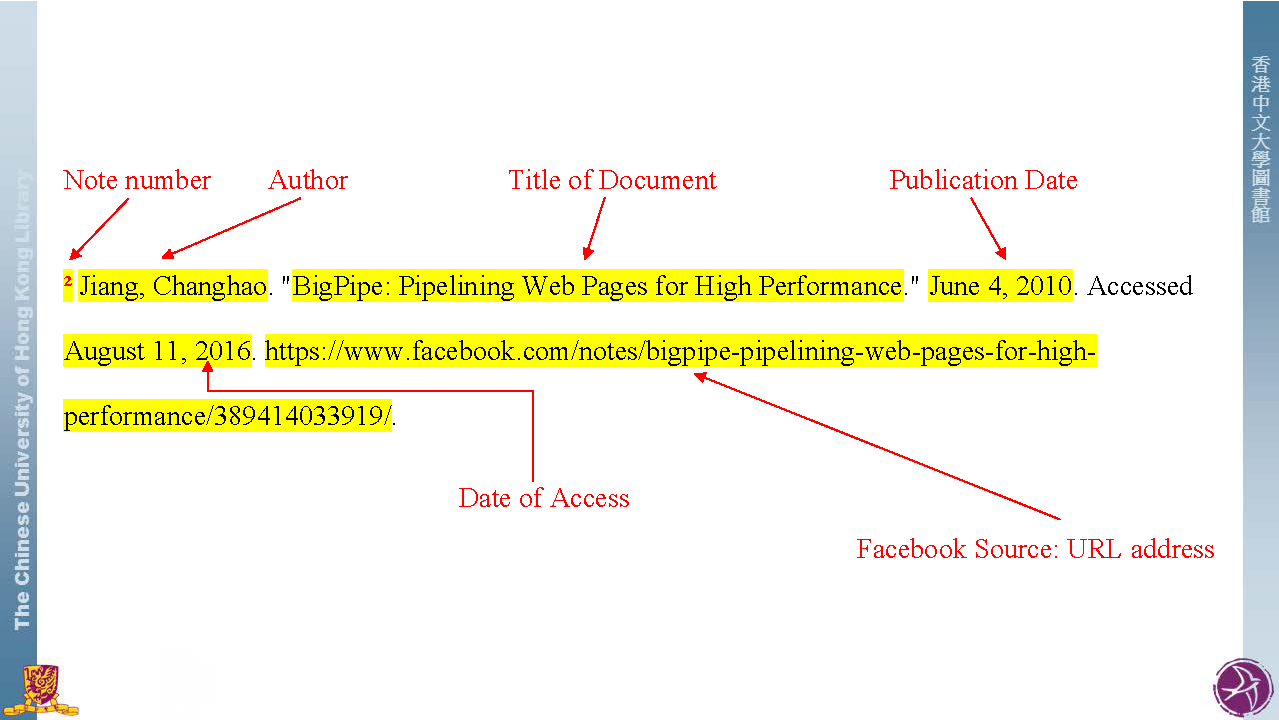
- Access Date: For dynamic content that might change frequently (e.g., a Booking.com page for a specific hotel, a live blog post, or a TripAdvisor forum), it’s highly recommended to include an access date. This indicates when you retrieved the information.
- Example (Footnote): 8. “Four Seasons Resort Bali at Sayan,” Booking.com, accessed March 10, 2024, https://lifeoutofthebox.com/four-seasons-sayan.
- Example (Bibliography): “Four Seasons Resort Bali at Sayan.” Booking.com. Accessed March 10, 2024. https://lifeoutofthebox.com/four-seasons-sayan.
- Social Media: Citing social media posts can be tricky but is necessary if they are a primary source of information (e.g., an announcement from a tourism board or a direct quote from a celebrity traveler).
- Example (Footnote): 9. Tourism Australia (@TourAustralia), “Experience the breathtaking beauty of the Sydney Opera House at sunset! #SeeAustralia,” X, February 28, 2024, https://lifeoutofthebox.com/sydney-opera-house-sunset.
- Example (Bibliography): Tourism Australia (@TourAustralia). “Experience the breathtaking beauty of the Sydney Opera House at sunset! #SeeAustralia.” X, February 28, 2024. https://lifeoutofthebox.com/sydney-opera-house-sunset.
When citing social media, focus on the platform, the author/account name, the specific content (e.g., tweet, post), and the date posted. The URL should link directly to the post if possible.
Consistency and Accuracy: The Cornerstones of Credible Travel Writing
Ultimately, the most critical aspects of citing sources are consistency and accuracy.
- Consistency: Once you choose either the Notes-Bibliography or Author-Date system, stick to it throughout your entire article or project. Apply the formatting rules uniformly. Inconsistent citations can confuse readers and detract from your professionalism.
- Accuracy: Double-check every component of your citation: author names, titles, dates, and especially URLs. A broken link frustrates readers and undermines the purpose of citation. If a URL is exceptionally long and complex, you can sometimes shorten it to the main domain if the exact page can still be easily navigated to, but linking to the precise page is always preferable.
By meticulously applying these best practices, your articles on travel, hotels, tourism, accommodation, landmarks, and lifestyle will not only inform and inspire but also stand as reliable and well-researched contributions to the vast world of online content.
Mastering how to cite a website in Chicago Style is an invaluable skill for any writer, especially those immersed in the captivating realms of travel and lifestyle. Whether you’re recounting the intricate history of Mount Fuji, comparing the finest resorts in Maui, or sharing your latest culinary discoveries in Florence, proper attribution elevates your work from mere opinion to well-supported narrative.
By diligently applying the guidelines for the Notes-Bibliography or Author-Date systems, handling missing information gracefully, and meticulously recording dynamic online content, you imbue your writing with authority and trustworthiness. Your readers, whether fellow adventurers or aspiring travelers, will appreciate the clarity and credibility you bring to your shared experiences and expert insights. Embrace the Chicago Style as your compass in the vast digital landscape, guiding you toward responsible scholarship and empowering you to craft compelling, verifiable stories that resonate and inform. Happy citing, and happy travels!