
In an age where information is constantly flowing and easily accessible, especially through digital platforms, the ability to properly cite sources is more crucial than ever. For those immersed in the vibrant worlds of travel, hotels, tourism, and lifestyle, from crafting compelling narratives about exotic destinations to reviewing the opulent amenities of hotel suites, credibility is paramount. Whether you’re a travel blogger documenting your adventures, a researcher exploring local cultures, or simply a discerning traveler planning your next escape, you’ve likely turned to platforms like YouTube for inspiration, guides, and firsthand accounts. From immersive tours of historical landmarks to detailed reviews of resorts, YouTube offers a treasure trove of multimedia content.
However, when incorporating this rich visual and audio material into your own work – be it a personal blog, an academic paper, or even a detailed itinerary – acknowledging your sources correctly is not just good practice; it’s essential for maintaining academic integrity and journalistic credibility. The Chicago Manual of Style stands as one of the most respected and widely used citation guides, particularly in the humanities, arts, and social sciences, making it a go-to for many content creators and researchers. This comprehensive guide will walk you through the specifics of citing a YouTube video using Chicago style, ensuring your travel and lifestyle content remains authoritative and trustworthy.
The Essentials of Chicago Style Citation for Multimedia
Understanding the core principles of Chicago Manual of Style is the first step towards accurate citation. While it might seem daunting at first, breaking down the components makes it far more manageable. The style offers flexibility, primarily through its two main documentation systems: Notes-Bibliography and Author-Date. For most applications within travel blogs, lifestyle articles, and general research, the Notes-Bibliography system is usually preferred, as it accommodates a wide range of source types, including multimedia, and allows for more explanatory notes.
Why Proper Citation Matters in Travel Narratives
Imagine you’re writing an article about the best budget travel tips for a trip through Southeast Asia, and you’ve drawn significant insights from a popular YouTube vlogger’s series on backpacking through Thailand. Or perhaps you’re creating a guide to luxury travel experiences in the Maldives, having meticulously reviewed dozens of video tours of overwater villas at Four Seasons resorts. Without proper citation, your readers might question the origin of your information, or worse, accuse you of plagiarism.
Proper citation builds trust with your audience. It demonstrates that you’ve done your homework, researched your topic thoroughly, and are committed to presenting accurate information. For content creators in tourism and lifestyle, this credibility translates directly into a more engaged and loyal readership. When you refer to a specific video showcasing the intricate architecture of the Sagrada Familia in Barcelona or a culinary journey through the street food of Tokyo, citing that video allows your audience to trace your sources, verify facts, and delve deeper into the subject themselves. It enriches the reader’s experience and positions you as a responsible and knowledgeable authority in your niche.
Understanding the Two Chicago Styles: Notes-Bibliography vs. Author-Date
The Chicago Manual of Style offers two distinct documentation systems, each suited for different academic and professional contexts:
- Notes-Bibliography System: This is the most common system in the humanities, including literature, history, and the arts – fields often intertwined with travel and lifestyle narratives. It utilizes numbered footnotes or endnotes in the text to refer to specific sources, with a comprehensive bibliography at the end of the document listing all cited works. Footnotes provide flexibility for additional commentary or explanations that might not fit smoothly into the main text. This system is particularly useful for multimedia sources like YouTube videos because it allows for a more detailed initial citation.
- Author-Date System: Predominantly used in the physical, natural, and social sciences, this system employs parenthetical citations within the text, usually consisting of the author’s last name and the year of publication (e.g., (Smith 2023)). A corresponding reference list, similar to a bibliography, provides full details of each source. While viable for certain types of YouTube content (especially those with clear authors and publication dates, such as academic lectures or documentaries), the Notes-Bibliography system often provides a more natural fit for the varied and sometimes less formally structured nature of online video content, where “author” and “publication date” might be less straightforward.
For the purpose of citing YouTube videos in travel and lifestyle contexts, we will primarily focus on the Notes-Bibliography system, given its prevalence in related fields and its adaptability to diverse online sources.
Citing YouTube Videos in Notes-Bibliography Style
Citing a YouTube video in Chicago style requires attention to several key pieces of information. While the specific format might vary slightly depending on whether you’re creating a footnote/endnote or a bibliography entry, the core elements remain consistent.
Components of a YouTube Video Citation
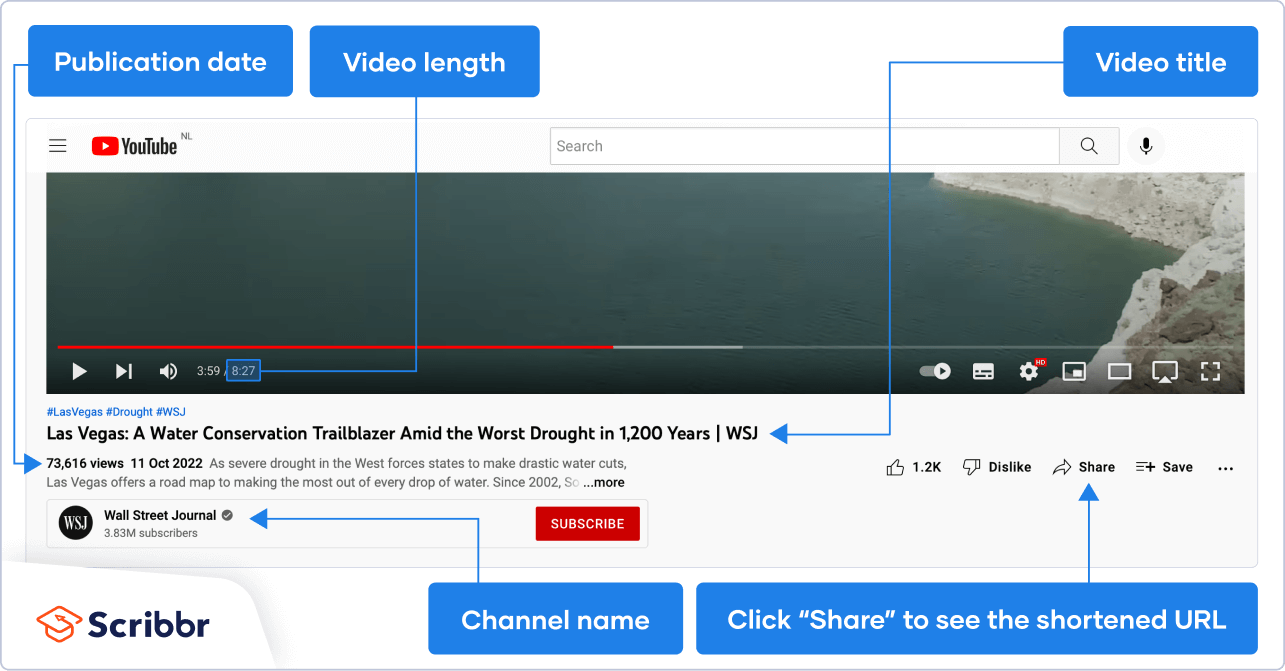
To correctly cite a YouTube video, you’ll need to gather the following information:
- Uploader/Creator: This is typically the channel name or the individual/organization responsible for uploading the video.
- Title of Video: The full title of the YouTube video, enclosed in quotation marks.
- Platform Name: ” YouTube,” to specify the hosting platform.
- Upload Date: The date the video was uploaded. If only a year is available, use that.
- Length of Video (Optional but Recommended for Specific References): While not strictly required for general citation, including the duration can be helpful, especially if you are referring to a specific segment within a longer video.
- URL: The direct link to the video.
- Access Date (Optional but Recommended for Time-Sensitive Content): The date you accessed the video, particularly useful for online content that might change or be removed.
Footnote/Endnote Format Examples
Footnotes (or endnotes) provide specific in-text citations. When referencing a YouTube video for the first time, your note should contain full details. Subsequent notes for the same source can be shortened.
General Format:
1. Uploader/Creator, "Title of Video," YouTube video, Length, Upload Date, URL.
Example 1: Referencing a Travel Guide
Let’s say you’re writing about planning a trip to New York City and found a fantastic guide to its hidden gems.
1. Honest Guide, "New York City: Things to Know Before You Go," YouTube video, 12:45, June 15, 2023, https://www.youtube.com/watch?v=xxxxxxxx.
Example 2: Citing a Hotel Review
If you’re detailing the amenities of a Grand Hyatt property and watched a video tour.
2. Travel Vlogger, "Luxury Tour: Grand Hyatt Tokyo Suites & Amenities," YouTube video, 8:20, March 10, 2024, https://www.youtube.com/watch?v=yyyyyyyy.
Example 3: Discussing a Cultural Experience
Perhaps an article on Japanese traditions, informed by a documentary-style video.
3. National Geographic, "The Ancient Art of Japanese Tea Ceremony," YouTube video, 7:30, February 1, 2023, https://www.youtube.com/watch?v=zzzzzzzz.
Remember, for subsequent references to the same video, you can use a shortened note format:
4. Honest Guide, "New York City."
5. Travel Vlogger, "Luxury Tour."
Bibliography Entry Format Examples
The bibliography, appearing at the end of your document, lists all sources in alphabetical order by the uploader/creator’s last name or channel name. The format for a bibliography entry is slightly different from a footnote, primarily in punctuation and the absence of a specific page number or timestamp.
General Format:
Uploader/Creator. "Title of Video." YouTube video, Length. Upload Date. URL.
Example 1: Travel Guide in Bibliography
Honest Guide. "New York City: Things to Know Before You Go." YouTube video, 12:45. June 15, 2023. https://www.youtube.com/watch?v=xxxxxxxx.
Example 2: Hotel Review in Bibliography
Travel Vlogger. "Luxury Tour: Grand Hyatt Tokyo Suites & Amenities." YouTube video, 8:20. March 10, 2024. https://www.youtube.com/watch?v=yyyyyyyy.
Example 3: Cultural Experience in Bibliography
National Geographic. "The Ancient Art of Japanese Tea Ceremony." YouTube video, 7:30. February 1, 2023. https://www.youtube.com/watch?v=zzzzzzzz.
It’s crucial to maintain consistency in formatting throughout your footnotes/endnotes and bibliography. Pay close attention to quotation marks, italics, and punctuation.
Specific Scenarios for Travel & Lifestyle Researchers
YouTube content isn’t always straightforward. Travel vloggers often create live streams, series, or collaborative content, which may require slight adjustments to the standard citation format. Understanding these nuances will help you navigate the complexities of modern digital media.
Citing Live Streams or Unconventional Content
YouTube is a dynamic platform, hosting everything from professionally produced travel documentaries by channels like National Geographic to impromptu live Q&A sessions from remote destinations.
-
Live Streams: If you reference a live stream that was later archived and uploaded, treat it as a regular video. However, if you are citing a live event as it happened, and it was not permanently archived or significantly edited, you might need to add “Live Stream” or “Live Broadcast” to the title or after it in the citation. Also, note the specific time of reference if pertinent.
- Example Note:
1. Adventure Traveler, "Live from Mount Fuji Base Camp: Q&A Session," YouTube live stream, 1:15:00, July 20, 2023, accessed July 20, 2023, https://www.youtube.com/watch?v=live_stream_link. - Example Bibliography:
Adventure Traveler. "Live from Mount Fuji Base Camp: Q&A Session." YouTube live stream, 1:15:00. July 20, 2023. Accessed July 20, 2023. https://www.youtube.com/watch?v=live_stream_link.
- Example Note:
-
Playlists or Series: If you’re referencing an entire playlist or a series of videos by a travel influencer, it’s generally best to cite individual videos if you’re drawing specific information from them. However, if you’re discussing the series as a whole, you can adapt the citation:
- Example Note:
2. The Nomadic Family, "Exploring Europe on a Budget: The Complete Series (Playlist)," YouTube playlist, accessed August 1, 2023, https://www.youtube.com/playlist?list=playlist_link.
- Example Note:
-
Shorts or Stories: YouTube Shorts are very short vertical videos. Treat them like any other video, but if their brevity or specific format is relevant to your discussion, you can include “Short” in the title or description.
When the Uploader is Not the Creator
Sometimes, a YouTube channel might upload content that was created by someone else, or a company might upload a video produced by an internal marketing team. This is common with official tourism boards, hotel chains like Marriott International, or news organizations.
-
Corporate or Official Channels: If a major hotel chain, say The Ritz-Carlton, uploads a promotional video, the channel name serves as the uploader.
- Example Note:
3. The Ritz-Carlton, "Experience Luxury: Our Maldives Overwater Villas," YouTube video, 3:45, April 5, 2024, https://www.youtube.com/watch?v=ritz_carlton_link.
- Example Note:
-
Re-uploaded Content: If a user re-uploads content originally produced by another entity (e.g., a clip from a Smithsonian Channel documentary), ideally, you should try to find and cite the original source. If that’s not possible or if your discussion specifically pertains to the re-uploaded version on YouTube, acknowledge both the original creator and the uploader.
- Example Note:
4. [User Name], "Rare Footage of Ancient Egypt," YouTube video, 10:15, October 20, 2022, originally produced by [Original Producer/Channel], https://www.youtube.com/watch?v=reupload_link.
- Example Note:
Always strive for clarity and precision. The goal is to provide enough information for your readers to easily locate the exact source you’re referencing.
Beyond Citation: Leveraging YouTube for Travel Research
While mastering citation is crucial for academic and professional integrity, YouTube itself offers unparalleled resources for travel and lifestyle enthusiasts, transcending mere entertainment. The platform has revolutionized how we discover, plan, and experience the world.
Discovering New Destinations and Accommodation Options
Before booking that flight or reserving a room, what’s your first stop for visual information? Often, it’s YouTube.
- Virtual Tours: Want to know what a hotel suite at Atlantis, The Palm in Dubai truly looks like? YouTube offers countless guest-filmed room tours, often more candid than official hotel photography. Planning a long-term stay and considering apartments? Videos can provide a realistic glimpse into various accommodation options, complete with reviews of local amenities.
- Destination Deep Dives: From comprehensive guides to Rome’s historical sites like the Colosseum and Trevi Fountain, to immersive vlogs exploring the vibrant markets of Seoul or the serene temples of Kyoto, YouTube is a treasure trove for exploring potential destinations. You can find videos on specific attractions, local culture, food tours, and even practical tips on navigating public transport in Hong Kong.
- Lifestyle and Niche Travel: Whether you’re interested in solo female travel, accessible travel, or finding the best eco-friendly resorts, YouTube hosts communities dedicated to every niche. Videos on budget travel can offer incredibly detailed cost breakdowns, while luxury travel channels showcase unparalleled experiences in high-end resorts and villas. These videos offer insights that text-based guides or official websites, even those from platforms like Expedia or Tripadvisor, might miss. They provide a human perspective, often highlighting the unvarnished realities or unexpected joys of a location.

Enhancing Your Own Travel Content with Credible Sources
For bloggers, journalists, or anyone sharing their travel and lifestyle experiences, YouTube offers more than just content to cite; it provides inspiration and a benchmark for quality.
- Research for Depth: When writing about the history of the Pyramids of Giza in Egypt or the engineering marvel of the Burj Khalifa, academic or documentary videos can add significant depth and accuracy to your narrative. Citing these credible sources strengthens your authority and demonstrates thorough research, moving your content beyond anecdotal experience.
- Referencing Expert Opinions: Many seasoned travelers, food critics, or cultural historians have YouTube channels. Referencing their insights can lend expert weight to your own observations. For example, if you’re discussing the best street food in Thailand, citing a renowned food vlogger’s opinion can validate your points. Similarly, urban explorers on YouTube often uncover hidden gems and unique perspectives on popular tourist attractions or landmarks like the Statue of Liberty in New York City or Victoria Peak in Hong Kong.
- Ethical Content Creation: By consistently and correctly citing your sources, you contribute to a culture of ethical content creation. This is particularly important in the often-subjective world of travel and lifestyle blogging. It acknowledges the work of others and helps readers differentiate between personal opinion, verified facts, and information gleaned from external sources. It also helps in avoiding common pitfalls such as misattribution or unintentional plagiarism. This diligence is a hallmark of responsible journalism and content curation, aligning with the principles upheld by organizations like the World Tourism Organization.
In essence, YouTube is not just a source of passive entertainment but an active research tool. When used judiciously and cited correctly using the Chicago Manual of Style, it elevates your travel and lifestyle content, transforming it from mere anecdotes into well-researched, authoritative narratives that resonate deeply with your audience.
In conclusion, the digital age, characterized by an explosion of multimedia content, has made proper citation more critical than ever. For those delving into the fascinating realms of travel, hotels, tourism, and lifestyle, YouTube offers an indispensable resource. By meticulously applying the guidelines of the Chicago Manual of Style to your YouTube video citations, you not only uphold academic and journalistic integrity but also enhance the credibility and value of your own content. This practice ensures your readers can trust your insights, explore your sources, and ultimately, embark on their own informed journeys, whether virtually or physically. Responsible citation is a cornerstone of responsible content creation, building a foundation of trust that benefits everyone in the vast, interconnected world of information.
LifeOutOfTheBox is a participant in the Amazon Services LLC Associates Program, an affiliate advertising program designed to provide a means for sites to earn advertising fees by advertising and linking to Amazon.com. Amazon, the Amazon logo, AmazonSupply, and the AmazonSupply logo are trademarks of Amazon.com, Inc. or its affiliates. As an Amazon Associate we earn affiliate commissions from qualifying purchases.