
In the dynamic world of travel, where every journey unfolds a new story and every destination offers a fresh perspective, creating compelling and informative content is paramount. Whether you’re penning a vivid travelogue, compiling an exhaustive guide to Europe‘s hidden gems, reviewing a luxurious suite at a Ritz-Carlton property, or delving into the rich history behind Machu Picchu, the authenticity and credibility of your narrative are as crucial as the experiences themselves. For professional travel writers, bloggers, and content creators aiming to elevate their work from mere anecdotes to authoritative resources, understanding proper citation is a game-changer. This is where the Chicago Manual of Style, often simply referred to as Chicago Style, becomes an invaluable tool.

While often associated with academic treatises, Chicago Style offers a robust and flexible framework perfectly suited for the diverse array of sources encountered in travel and lifestyle writing. Imagine you’re sharing fascinating historical insights about the Louvre Museum in Paris, discussing the intricate local culture of Kyoto, or providing factual details about the amenities and services of the Marina Bay Sands hotel. To lend credibility and allow your readers to explore further, attributing your information to reliable sources is not just good practice—it’s essential. This comprehensive guide will demystify Chicago Style, tailoring its principles to the unique needs of travel and lifestyle content, ensuring your stories are not only engaging but also impeccably researched and presented.
Elevating Your Travel Narratives with Academic Rigor
In the realm of travel and lifestyle content, the goal is often to inspire, inform, and entertain. However, beneath the captivating imagery and compelling prose lies a foundation of facts, figures, and historical context that enriches the reader’s understanding. From the architectural marvels of the Eiffel Tower to the culinary traditions of Thailand, our narratives frequently draw upon a multitude of external sources. Without proper attribution, even the most well-intentioned sharing of information can lead to misunderstandings, diminish credibility, or, in severe cases, constitute plagiarism.
Implementing a consistent citation style, such as Chicago, elevates your content by demonstrating professionalism and meticulous research. When you cite your sources, you’re not just avoiding plagiarism; you’re inviting your readers into a deeper engagement with your subject matter. For instance, if you’re writing a piece on the best luxury resorts in the Maldives and mention specific award-winning features or sustainability initiatives, citing the source (e.g., the resort’s official website or a reputable travel magazine) lends significant weight to your claims. Similarly, when discussing the historical significance of a landmark like the Colosseum in Rome, referencing a historical text or a scholarly article reinforces the accuracy of your narrative.
Chicago Style is particularly well-suited for travel and lifestyle writing due to its dual system: the Notes-Bibliography (NB) system and the Author-Date system. While the Author-Date system is favored in the social sciences, the Notes-Bibliography system is ideal for humanities, history, and publishing—making it a perfect fit for the narrative-driven nature of travel content. This system allows for the use of footnotes or endnotes to cite sources within the text, keeping the flow of your writing clean and uninterrupted, while a comprehensive bibliography at the end provides a full list of all referenced materials. This blend of in-text precision and comprehensive referencing ensures that your readers can both enjoy your travel stories and easily delve into the background information if their curiosity is piqued. It signals to your audience that your content is not just anecdotal but grounded in verifiable information, making your guides, reviews, and cultural insights truly authoritative.
Navigating the Core Principles of Chicago Style for Travel Content
Adopting Chicago Style effectively begins with understanding its fundamental components, particularly the Notes-Bibliography system. This system is designed for ease of reading, which is especially beneficial for travel content where engagement is key. It allows for detailed citations without cluttering the main text, ensuring your narrative remains immersive while still providing the necessary scholarly backing.
The Notes-Bibliography System: Your Ally in Travel Storytelling
The Notes-Bibliography (NB) system comprises two main elements:
- Notes (Footnotes or Endnotes): These are numerical references placed at the bottom of the page (footnotes) or at the end of the chapter/article (endnotes) that correspond to a superscript number in the text. Each note provides specific details about the source for that particular piece of information.
- Full Note: The first time you cite a source, you’ll typically provide a full note with complete publication details.
- Short Note: For subsequent citations of the same source, a shortened version (author’s last name, shortened title, and page number) is used.
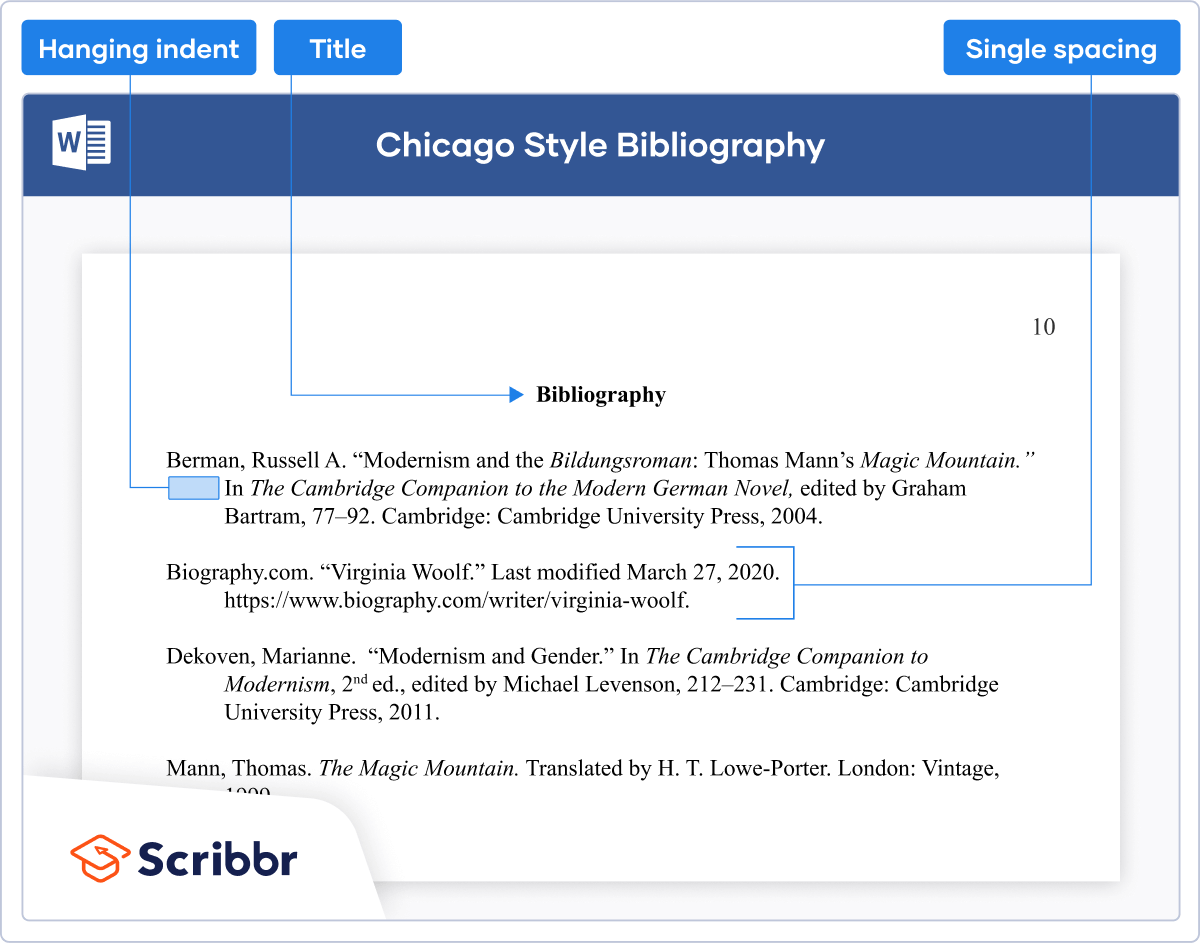
- Bibliography: This is an alphabetized list of all sources cited in your work, placed at the very end. It provides comprehensive publication information for each source, allowing readers to easily locate them. Unlike notes, bibliography entries are formatted differently, with the author’s last name first for alphabetical ordering and often more punctuation.
The beauty of the NB system for travel content is its flexibility. You can introduce a historical fact about Rome’s ancient architecture, a specific amenity feature of a Hilton Honors hotel, or a detail about local customs in Southeast Asia with a simple superscript number, providing the full reference discreetly in a note. This keeps the narrative fluid, preventing your readers from being distracted by parenthetical citations like those found in Author-Date styles.
Essential Elements for Citing Common Travel Sources
Travel content draws from a vast array of sources. Here’s how to handle the most common types using Chicago Style (17th edition guidelines):
Books (Travel Guides, History Books, Cookbooks)
Whether you’re referencing Fodor’s Essential Italy for tips on navigating Florence or a historical account of London, books are fundamental.
- Footnote Format (First Reference):
- First-name Last-name, Title of Book (Place of Publication: Publisher, Year), page number.
- Example: 1. Rick Steves, Rick Steves’ Paris (Berkeley, CA: Avalon Travel, 2023), 115.
- Footnote Format (Subsequent Reference):
- Last-name, Shortened Title, page number.
- Example: 2. Steves, Paris, 120.
- Bibliography Format:
- Last-name, First-name. Title of Book. Place of Publication: Publisher, Year.
- Example: Steves, Rick. Rick Steves’ Paris. Berkeley, CA: Avalon Travel, 2023.
Websites (Tourism Boards, Hotel Sites, Travel Blogs, Online Portals like TripAdvisor or Airbnb)
Given the digital nature of travel planning and information, websites are crucial. Always include an access date for content that may change.
- Footnote Format:
- “Title of Web Page,” Website Name, Last Modified Month Day, Year or Access Date, URL.
- Example: 1. “History of the Paris Tourism Office,” Paris Convention and Visitors Bureau, accessed January 20, 2024, https://lifeoutofthebox.com/paris-tourism-office.
- Example for a hotel page: 2. “Grand Hyatt Hotel Amenities,” Hyatt, accessed March 1, 2024, https://lifeoutofthebox.com/grand-hyatt-hotel.
- Bibliography Format:
- Website Name. “Title of Web Page.” Last Modified Month Day, Year or Access Date. URL.
- Example: Paris Convention and Visitors Bureau. “History of the Paris Tourism Office.” Accessed January 20, 2024. https://lifeoutofthebox.com/paris-tourism-office.
- Example for a hotel page: Hyatt. “Grand Hyatt Hotel Amenities.” Accessed March 1, 2024. https://lifeoutofthebox.com/grand-hyatt-hotel.
Articles (Magazines, Journals, Online Publications like National Geographic Traveler or Condé Nast Traveler)
For in-depth analyses or trend pieces.
- Footnote Format:
- First-name Last-name, “Title of Article,” Title of Periodical Volume, no. Issue (Month Year): page number, URL (if online).
- Example: 1. Jane Doe, “Exploring the Backstreets of Venice,” Travel & Leisure 55, no. 7 (July 2023): 45.
- Example Online: 2. John Smith, “The Rise of Sustainable Tourism in Japan,” Condé Nast Traveler, October 15, 2023, https://lifeoutofthebox.com/conde-nast-traveler.
- Bibliography Format:
- Last-name, First-name. “Title of Article.” Title of Periodical Volume, no. Issue (Month Year): Page range. URL (if online).
- Example: Doe, Jane. “Exploring the Backstreets of Venice.” Travel & Leisure 55, no. 7 (July 2023): 40-50.
- Example Online: Smith, John. “The Rise of Sustainable Tourism in Japan.” Condé Nast Traveler, October 15, 2023. https://lifeoutofthebox.com/conde-nast-traveler.
Interviews (Personal Communication)
Often, travel writers glean unique insights from locals, hotel managers, or tour guides.
- Footnote Format (typically sufficient, not usually in bibliography unless published):
- First-name Last-name (Occupation, Place), interview by Author First-name Last-name, Month Day, Year.
- Example: 1. Chef Antoine Dubois (Executive Chef, Le Bernardin, New York City), interview by Sarah Johnson, October 28, 2023.
Museum/Exhibition Catalogs
When discussing art, history, or specific cultural insights from an exhibition.
- Footnote Format:
- First-name Last-name (if author listed), Title of Catalog (Place of Publication: Publisher, Year), page number, plate or figure number (if applicable).
- Example: 1. Jean-Luc Martinez, A Brief History of the Louvre (Paris: Éditions du Louvre, 2020), 78.
- Bibliography Format:
- Last-name, First-name. Title of Catalog. Place of Publication: Publisher, Year.
- Example: Martinez, Jean-Luc. A Brief History of the Louvre. Paris: Éditions du Louvre, 2020.
Maps (Physical or Digital, e.g., Google Maps)
Crucial for guides on routes, geographical features like the Swiss Alps, or urban exploration.
- Footnote Format (for a published map):
- Creator (Cartographer), Title of Map, Scale (Place of Publication: Publisher, Year).
- Example: 1. National Geographic, United States Wall Map, 1:7,500,000 (Washington, DC: National Geographic Maps, 2022).
- Footnote Format (for a digital map service):
- “Title of Map Section/Route,” Google Maps, accessed Month Day, Year, URL.
- Example: 2. “Route from Tokyo to Mount Fuji,” Google Maps, accessed February 10, 2024, https://lifeoutofthebox.com/tokyo-to-mount-fuji-map-route.
- Bibliography Format (for a published map):
- Creator (Cartographer). Title of Map. Scale. Place of Publication: Publisher, Year.
- Example: National Geographic. United States Wall Map. 1:7,500,000. Washington, DC: National Geographic Maps, 2022.
- Bibliography Format (for a digital map service):
- Google Maps. “Title of Map Section/Route.” Accessed Month Day, Year. URL.
- Example: Google Maps. “Route from Tokyo to Mount Fuji.” Accessed February 10, 2024. https://lifeoutofthebox.com/tokyo-to-mount-fuji-map-route.
Photographs/Images (Requiring Attribution)
While often visual, images (especially historical ones or those not created by you) require attribution.
- Caption Format (often sufficient):
- Photograph by First-name Last-name, Title of Work (Year). Source/Location.
- Example: Photograph by Ansel Adams, Moonrise, Hernandez, New Mexico (1941). Museum of Modern Art, New York City.
- Footnote Format (if more detailed attribution is needed):
- First-name Last-name, Title of Work, Year, Medium, Collection/Source (URL if online).
- Example: 1. Dorothea Lange, Migrant Mother, 1936, gelatin silver print, Library of Congress (https://www.loc.gov/pictures/item/fsa1998021539/pp/).
- Bibliography Format:
- Last-name, First-name. Title of Work. Year. Medium. Collection/Source.
- Example: Lange, Dorothea. Migrant Mother. 1936. Gelatin silver print. Library of Congress.
Practical Tips for Seamless Citation in Your Travel Content
Integrating Chicago Style citations into your travel content might seem daunting initially, but with a few practical strategies, it can become a seamless part of your writing process, enhancing the overall quality and trustworthiness of your work.
- Consistency is Key: The most important rule in any citation style is consistency. Once you choose Chicago’s Notes-Bibliography system, stick to it throughout your article or series. This includes consistent formatting for notes and bibliography entries, punctuation, and abbreviations. This not only makes your work look polished but also makes it easier for readers to follow your sources.
- Utilize Citation Tools, But Understand the Rules First: There are many excellent digital tools available, such as Zotero, Mendeley, and EasyBib, that can help automate the citation process. You input the source details, and the tool generates the citation in your chosen style. However, these tools are not infallible. It’s crucial to first understand the core principles of Chicago Style so you can verify the accuracy of the generated citations, especially for less common source types unique to travel, like interviews or specific tourism pamphlets.
- When in Doubt, Over-Cite: If you’re unsure whether a piece of information needs a citation, it’s always safer to include one. This applies particularly to statistics, specific historical dates, direct quotes, unique cultural insights, or details about amenities from a Booking.com listing that aren’t common knowledge. Attributing information correctly protects your reputation and enhances your credibility.
- Keep a Running List of Sources: As you research destinations like Bangkok, compare accommodations, or delve into local traditions, maintain a detailed record of all your sources. This could be a simple spreadsheet, a document, or directly within a citation manager. Note down the author, title, publication details, URLs, and access dates immediately. This practice will save you immense time and effort when you compile your footnotes and bibliography, especially for longer articles or comprehensive guides on topics like budget travel or luxury experiences across Asia.
- Adaptability for Diverse Travel Topics: Chicago Style is incredibly adaptable. Whether you’re writing about the history of a landmark, reviewing a hotel, offering tips for family trips, or advising on business stays, its flexible framework allows you to cite virtually any type of information. For instance, citing government travel advisories for practical tips, scientific reports on ecological tourism, or even social media posts (with appropriate disclaimers and privacy considerations) can all be done within Chicago’s guidelines.
- Enhancing the Reader Experience: Proper citations do more than just attribute; they enhance the reader’s experience. Curious readers interested in a specific historical detail about a country like the United States, a particular hotel chain’s sustainability efforts, or the origins of a regional dish can use your bibliography to explore further. This transforms your article from a standalone piece into a gateway for deeper learning and exploration, fostering a more engaged and loyal readership. By diligently applying these practical tips, Chicago Style will become a natural extension of your professional travel writing, adding a layer of authority and trustworthiness that resonates with discerning audiences.

Beyond the Basics: Advanced Considerations for Travel Writers
As you become more comfortable with the foundational aspects of Chicago Style, you’ll encounter situations that require a more nuanced approach, particularly given the diverse and rapidly evolving nature of travel content. Delving into these advanced considerations will equip you to handle a wider array of source types and complex research scenarios, further solidifying your content’s authority.
-
Citing Multimedia (Videos, Podcasts): In today’s multimedia-rich environment, travel content often incorporates or references videos (e.g., travel vlogs, documentaries) and podcasts (e.g., travel interviews, audio guides). Chicago Style provides clear guidelines for these:
- Footnote Example (Video): 1. “Title of Video,” YouTube video, X:XX, posted by Uploader Name, Month Day, Year, URL.
- Example: 1. “How to Spend 48 Hours in Dubai,” YouTube video, 12:34, posted by The Travel Squad, July 15, 2023, https://lifeoutofthebox.com/dubai-travel-video.
- Bibliography Example (Video): Uploader Name. “Title of Video.” YouTube video, X:XX. Month Day, Year. URL.
- Example: The Travel Squad. “How to Spend 48 Hours in Dubai.” YouTube video, 12:34. July 15, 2023. https://lifeoutofthebox.com/dubai-travel-video.
- Footnote Example (Podcast): 1. “Episode Title,” Podcast Name, produced by Producer Name, Month Day, Year, audio, URL.
- Example: 1. “The Secrets of Antarctica Expedition,” Wanderlust Chronicles, produced by Globe Trotter Media, November 10, 2023, audio, https://lifeoutofthebox.com/antarctica-podcast.
- Bibliography Example (Podcast): Podcast Name. “Episode Title.” Produced by Producer Name. Month Day, Year. Audio. URL.
- Example: Wanderlust Chronicles. “The Secrets of Antarctica Expedition.” Produced by Globe Trotter Media. November 10, 2023. Audio. https://lifeoutofthebox.com/antarctica-podcast.
- Footnote Example (Video): 1. “Title of Video,” YouTube video, X:XX, posted by Uploader Name, Month Day, Year, URL.
-
Official Reports and White Papers: When discussing specific tourism trends, economic impacts of travel, or future developments in destinations like Australia or South America, you might refer to official reports from government tourism boards, NGOs, or international organizations. These should be cited similarly to books or articles, ensuring you capture the issuing organization as the “author” if no specific individual is named.
- Example: 1. World Tourism Organization, Tourism Highlights 2023 Edition (Madrid: UNWTO, 2023), 15.
-
Legal Documents (e.g., visa requirements, travel advisories): For articles offering practical advice on travel logistics, visa processes, or safety warnings (e.g., for Africa), you may need to cite official government publications or international agreements. While specific legal citation styles exist, Chicago offers a way to incorporate these into your bibliography, treating them often as government documents or reports.
- Example (Footnote for government website): 1. United States Department of State, “Travel Advisory Mexico,” accessed January 15, 2024, https://travel.state.gov/content/travel/en/traveladvisories/traveladvisories/mexico-travel-advisory.html.
-
Special Collections/Archives: For historical travel research, such as details about old hotels, ancient trade routes, or the experiences of early explorers in regions like the Mediterranean or North America, you might consult archival materials (letters, diaries, historical maps). Citing these requires specific details about the collection, repository, and unique identifier.
- Example: 1. Isabella Bird, Letter to Henrietta Bird, August 12, 1878, Folder 3, Box 1, Isabella Bird Papers, Yale University Library, New Haven, CT.
Mastering these advanced citation techniques empowers you to craft comprehensive, deeply researched travel content that stands out for its accuracy and academic integrity. By diligently applying Chicago Style, you not only provide valuable information to your audience but also build a reputable brand synonymous with trustworthy and enriching travel experiences.
LifeOutOfTheBox is a participant in the Amazon Services LLC Associates Program, an affiliate advertising program designed to provide a means for sites to earn advertising fees by advertising and linking to Amazon.com. Amazon, the Amazon logo, AmazonSupply, and the AmazonSupply logo are trademarks of Amazon.com, Inc. or its affiliates. As an Amazon Associate we earn affiliate commissions from qualifying purchases.