
Navigating the process of obtaining food assistance in Florida, often referred to as food stamps or the Supplemental Nutrition Assistance Program (SNAP), can seem daunting. However, understanding the steps involved can make this crucial support system accessible to those who need it. This guide aims to demystify the application and collection process, ensuring Floridians can access the benefits they are entitled to. While our website primarily focuses on travel, hotels, tourism, accommodation, landmarks, and lifestyle, we recognize that a stable foundation, including access to food, is essential for anyone to fully enjoy life’s adventures, whether exploring the vibrant landscapes of the Florida Keys or planning a budget-friendly family trip to Orlando.
Understanding Florida’s Food Assistance Program (SNAP)
The Florida Department of Children and Families (DCF) administers the state’s SNAP program. The program’s goal is to provide financial assistance to low-income individuals and families to purchase eligible food items. Understanding the basics of eligibility, the application process, and how benefits are received is the first step toward successfully collecting food stamps in Florida.
Eligibility Requirements
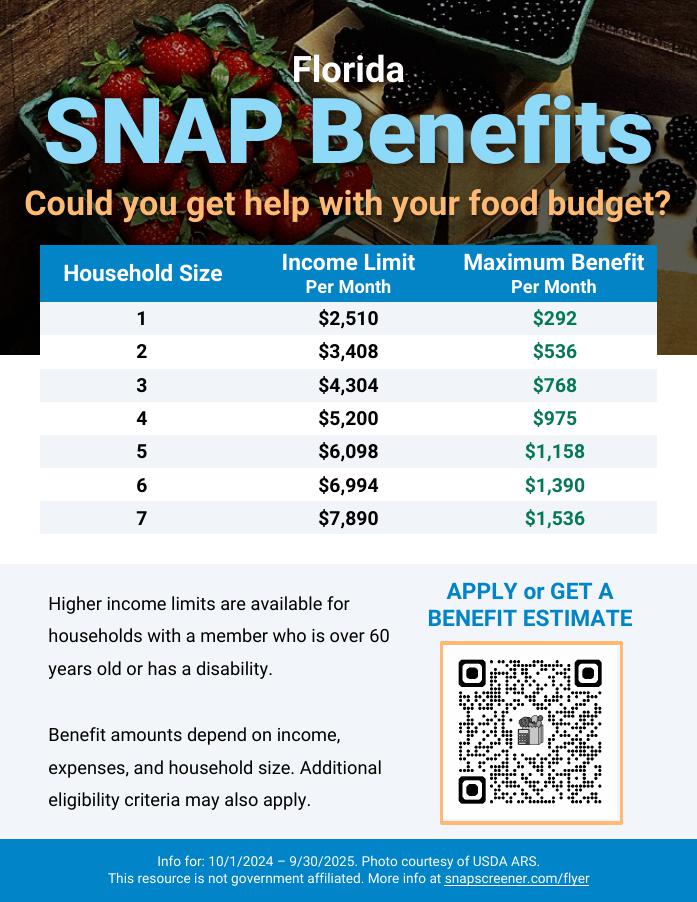
Eligibility for SNAP in Florida is determined by several factors, including household income, household size, and certain expenses. Generally, households must meet both gross and net income tests, although there are some exceptions.
Income Thresholds
The income limits are set by the federal government and are periodically updated. They vary based on the number of people in the household. For instance, a single individual will have different income limits than a family of four. It is crucial to check the most current income guidelines on the Florida DCF website to determine if your household falls within the eligible range. The program considers both earned income (from employment) and unearned income (such as unemployment benefits or retirement income).
Household Composition and Size
The number of individuals in your household is a significant factor in determining eligibility. SNAP benefits are calculated based on the needs of the entire household. This includes children, adults, and elderly or disabled individuals. Certain circumstances, like having a disabled family member, may also affect eligibility.
Allowable Expenses and Deductions
Certain household expenses can be deducted from your income, potentially making you eligible even if your initial income seems high. These deductions can include:
- Earned Income Deduction: A portion of your earned income is not counted towards your eligibility.
- Dependent Care Expenses: Costs incurred for the care of children or other dependents while you are working or seeking work can be deducted.
- Medical Expenses: For elderly or disabled household members, certain out-of-pocket medical expenses exceeding a specific amount can be deducted.
- Housing Expenses: A portion of your shelter costs, including rent or mortgage payments, utilities, and property taxes, can be deducted, with a cap for households without elderly or disabled members.
Understanding these potential deductions is vital, as they can significantly impact your eligibility. When applying, be prepared to provide documentation for all income sources and allowable expenses.
The Application Process: A Step-by-Step Guide
Applying for SNAP in Florida is primarily done online, though other options are available. The online portal is designed to be user-friendly, but it’s still beneficial to understand the steps involved beforehand.
Online Application
The most common and recommended method is to apply online through the ACCESS Florida portal. This is the official online system managed by the Florida DCF for applying for various state benefits, including SNAP, Temporary Cash Assistance (TCA), and Medicaid.
- Create an Account: You will need to create a user account on the ACCESS Florida website. This account will allow you to save your progress, track your application status, and receive important notifications.
- Complete the Application Form: The online application will ask for detailed information about your household, including:
- Personal information for all household members (names, dates of birth, Social Security numbers).
- Income information for all household members (wages, self-employment income, unemployment, etc.).
- Information about your household’s expenses (rent/mortgage, utilities, medical costs, childcare costs).
- Information about any resources you own (bank accounts, vehicles, etc.).
- Submit Supporting Documents: After completing the application, you will be prompted to upload or mail in supporting documents. This is a critical step, and missing documentation can delay or prevent your application from being processed. Common documents include:
- Proof of identity (driver’s license, state ID, passport).
- Proof of residency (utility bill, lease agreement).
- Proof of income (pay stubs, award letters, tax returns).
- Proof of expenses (rent receipts, utility bills, medical bills).
- Social Security cards for all household members.
- Interview (If Required): In some cases, an interview may be required. This is usually conducted over the phone, but in-person interviews may be scheduled if necessary. The interview is an opportunity for a caseworker to clarify information on your application and ensure you understand the program rules.
Paper Applications and In-Person Assistance
While online is preferred, paper applications are available. You can download them from the Florida DCF website, pick them up at a local service center, or request one by mail. For those who prefer or require in-person assistance, local Florida DCF service centers are available across the state. These centers can provide help with filling out applications, answering questions, and submitting documents. It’s advisable to call ahead to confirm their hours of operation and what to bring.
What Happens After You Apply?
Once your application is submitted, the Florida DCF will review it. This review process involves verifying the information you have provided.
Verification Process
Caseworkers will examine your submitted documents to confirm your income, expenses, and household composition. They may also contact employers or other agencies to verify information. If any information is unclear or missing, they will reach out to you for clarification or additional documentation. Timeliness in responding to these requests is crucial to avoid delays.
Determination of Eligibility and Benefit Amount
After the verification process is complete, your application will be approved or denied. If approved, you will be notified of your eligibility and the amount of SNAP benefits you will receive each month. The benefit amount is calculated based on your household’s net income and the maximum benefit allowance for your household size.
Notice of Decision
You will receive a formal Notice of Decision by mail, detailing the outcome of your application. This notice will explain whether you are eligible, the amount of benefits you will receive, and how long your benefits will last (the certification period). If your application is denied, the notice will explain the reasons for the denial and your rights to appeal the decision.
Collecting Your Food Stamp Benefits in Florida
Once your SNAP application is approved, you will receive your benefits electronically on a debit card. Understanding how to use this card and manage your benefits is essential for practical day-to-day use.
The Electronic Benefits Transfer (EBT) Card
In Florida, SNAP benefits are issued on an EBT card, which is often referred to as a “plastic food stamp card” or by its brand name, Access Florida card. This card works much like a debit card and is used to purchase eligible food items at authorized retailers.
Receiving Your EBT Card
Your EBT card will be mailed to your verified mailing address after your application is approved. It typically arrives within a specific timeframe after approval, so be sure to check your mail regularly. Your PIN (Personal Identification Number) may arrive separately for security reasons. It is vital to keep both your card and PIN secure.
How to Use Your EBT Card
Using your EBT card at the grocery store is straightforward:
- Check Your Balance: Before shopping, you can check your available balance by calling the customer service number on the back of your EBT card or by visiting the official EBT website for Florida.
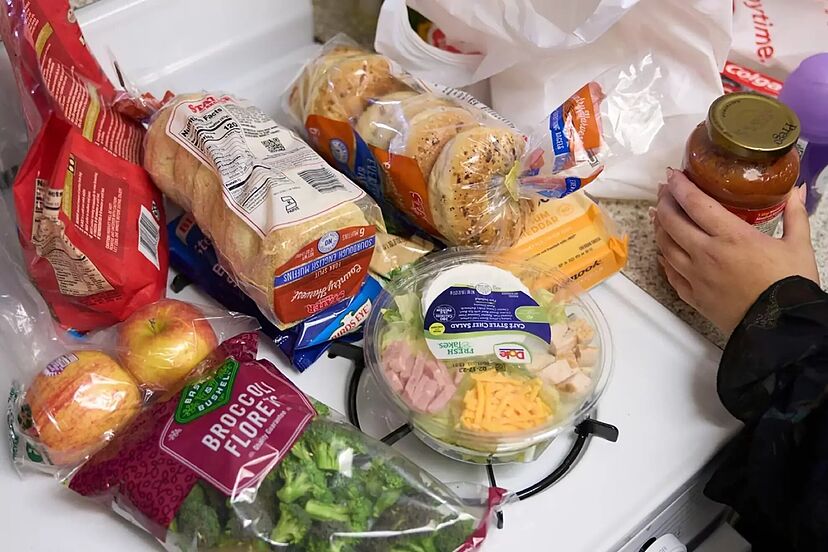
- Shopping: When you are at the grocery store, you can purchase eligible food items. Be aware that not all items are eligible for purchase with SNAP benefits. Generally, staple foods like fruits, vegetables, meat, poultry, fish, dairy products, bread, and cereals are covered. Items like prepared meals, alcoholic beverages, tobacco, and non-food items are typically not eligible.
- At the Checkout:
- When paying, inform the cashier that you are using an EBT card.
- Swipe your EBT card through the card reader.
- Enter your four-digit PIN when prompted.
- The amount of your purchase will be deducted from your EBT balance. If your EBT balance is insufficient to cover the entire purchase, you can split the payment by paying the remaining balance with another form of payment (e.g., cash, another debit or credit card).
- Authorized Retailers: EBT cards can only be used at retailers that are authorized by the U.S. Department of Agriculture (USDA) to accept SNAP benefits. Most major grocery stores, supermarkets, and some smaller convenience stores are authorized. You can usually identify these retailers by the SNAP/EBT signage at their registers. Farmers’ markets also increasingly accept EBT, providing a great way to access fresh, local produce.
Managing Your EBT Account
You can manage your EBT account online or by phone. This includes checking your balance, viewing transaction history, and reporting a lost or stolen card. It’s important to report a lost or stolen card immediately to prevent unauthorized use.
Maintaining Your Benefits and Next Steps
Once you are receiving SNAP benefits, there are responsibilities and procedures to follow to ensure you continue to receive them without interruption.
Reporting Changes and Recertification
It is crucial to report any changes in your household circumstances to the Florida DCF promptly. Failure to do so could result in a reduction or termination of your benefits, or even require you to repay benefits you were not eligible for.
What to Report
Changes that generally need to be reported include:
- Income Changes: Significant increases or decreases in household income.
- Household Size Changes: Someone moving into or out of your household, or a new baby being born.
- Address Changes: Moving to a new residence.
- Employment Status Changes: Starting or losing a job.
- Other Benefit Changes: Receiving or losing other forms of public assistance.
You should report these changes as soon as they occur. The Florida DCF will provide you with specific instructions on how and when to report changes.
Recertification Process
SNAP benefits are not permanent. You will be assigned a certification period, typically ranging from six months to a year. Before your certification period ends, you will need to recertify your eligibility to continue receiving benefits. This involves completing a recertification application and providing updated information and documentation, similar to the initial application process. You will receive a notice before your recertification is due, so pay close attention to mail from the Florida DCF.
Understanding Program Rules and Appeals
Familiarizing yourself with the rules and regulations of the SNAP program is important. This includes understanding what you can and cannot purchase with benefits, as well as your rights and responsibilities.
Program Violations
Violations of SNAP rules can have serious consequences, including disqualification from the program for a period of time, and in severe cases, criminal prosecution. Common violations include:
- Intentionally providing false information.
- Selling or trading SNAP benefits for cash or other items.
- Purchasing ineligible items with SNAP benefits.
Appeals Process
If your application is denied, your benefits are reduced, or your benefits are terminated, you have the right to appeal the decision. The Notice of Decision will provide information on how to file an appeal. Typically, you have a limited timeframe to request a fair hearing. During a fair hearing, you will have the opportunity to present your case to an impartial hearing officer. It is advisable to gather all relevant documentation and prepare thoroughly for the hearing.
By understanding these facets of the SNAP program in Florida, individuals and families can more effectively navigate the system and secure the food assistance they need. This foundational support can then allow them to focus on other aspects of life, whether it’s planning a dream vacation to Miami or simply enjoying the daily rhythm of life in the Sunshine State.