
Navigating the process of collecting unemployment benefits in Texas can seem daunting, especially during times of economic uncertainty. While the primary focus of this website revolves around the enriching experiences of travel, accommodation, and lifestyle discoveries, understanding essential life management tools, such as securing unemployment benefits, is crucial for maintaining stability. This allows individuals to continue exploring the world, whether through luxurious resorts or budget-friendly apartments, and to plan future travel adventures. This guide aims to demystify the steps involved in applying for and receiving unemployment benefits in the Lone Star State, ensuring you can access the support you need while you plan your next journey to iconic landmarks or immerse yourself in local tourism.

Understanding Unemployment Benefits in Texas
Unemployment insurance in Texas is a program administered by the Texas Workforce Commission (TWC). It provides temporary financial assistance to individuals who have lost their jobs through no fault of their own. This benefit aims to offer a safety net, enabling individuals to cover essential living expenses while they search for new employment. The duration and amount of benefits are determined by factors such as your previous earnings and the length of time you are eligible. Understanding these fundamental aspects is the first step in a successful application process.
Eligibility Requirements
To qualify for unemployment benefits in Texas, several key eligibility requirements must be met. These are designed to ensure that the benefits are distributed to those who genuinely need them and have contributed to the unemployment insurance system through their past employment.
- Work History: You must have earned sufficient wages during your “base period,” which is typically the first four of the last five completed calendar quarters before you file your claim. The TWC uses these earnings to calculate your weekly benefit amount.
- Separation from Employment: You must have lost your job through no fault of your own. This generally includes layoffs, company closures, or situations where your employer significantly altered your working conditions, making it impossible to continue employment. Quitting without good cause or being fired for misconduct may disqualify you from receiving benefits.
- Ability and Availability to Work: You must be physically able to work, available for work, and actively seeking employment. This means you are ready and willing to accept suitable job offers and are making reasonable efforts to find a new position. Your job search activities will be monitored by the TWC.
- Residency: You must be a resident of Texas or have earned wages in Texas.
Meeting these criteria forms the bedrock of your eligibility. It’s important to be truthful and accurate when providing information about your work history and the reasons for your job separation.
Types of Unemployment Benefits
While the most common form of unemployment insurance is the regular unemployment benefit, there are other programs that might be available depending on specific circumstances.
- Regular Unemployment Benefits: These are the standard benefits paid to eligible individuals who have lost their jobs. The amount and duration are calculated based on your previous earnings and the state’s regulations.
- Extended Benefits: In periods of high unemployment, Texas may offer extended benefits to provide additional weeks of support beyond the regular benefit period. Eligibility for this program is tied to specific economic indicators.
- Pandemic Unemployment Assistance (PUA): During the COVID-19 pandemic, the PUA program was established to provide benefits to individuals who were not typically eligible for regular unemployment, such as self-employed individuals, independent contractors, and gig workers. While this program has largely concluded, it’s an example of how special circumstances can lead to expanded support.
Understanding which type of benefit you might be eligible for can help you navigate the application process more effectively.
The Application Process
Applying for unemployment benefits in Texas is primarily done online. The Texas Workforce Commission (TWC) has streamlined the process to make it accessible. Being prepared with the necessary information will expedite your application.
Gathering Necessary Information
Before you begin your online application, ensure you have the following information readily available. This will prevent delays and ensure accuracy.
- Personal Identification: Your Social Security number, date of birth, and physical address.
- Employment History: For the last 18 months, you’ll need the names, addresses, and phone numbers of all employers, along with the dates you worked for each. You will also need to provide your gross earnings for each employer.
- Reason for Separation: A clear explanation of why you are no longer employed at your most recent job.
- Bank Account Information: If you wish to receive benefits via direct deposit, you’ll need your bank account and routing numbers.
Having all this information organized beforehand is key to a smooth application experience.
Filing Your Claim Online
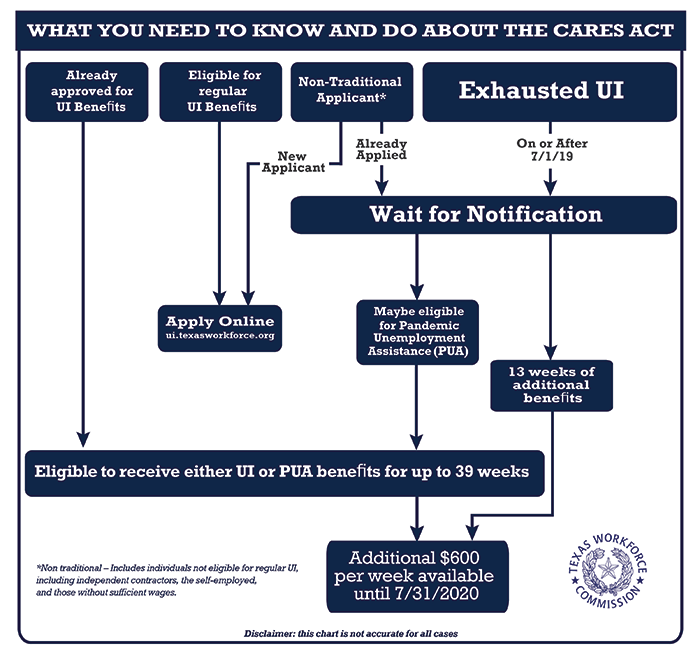
The most efficient way to file an unemployment claim in Texas is through the TWC website.
- Visit the TWC Website: Go to the official Texas Workforce Commission website.
- Navigate to Unemployment Benefits: Look for the section related to “Unemployment Benefits” or “Apply for Benefits.”
- Create an Account or Log In: If you are a new applicant, you will need to create a User ID and password. If you have applied before, you can log in to your existing account.
- Complete the Application: Follow the prompts to fill out the online application form. Be sure to answer all questions accurately and completely. You will be asked to provide the information you gathered in the previous step.
- Submit Your Application: Once you have reviewed all your answers, submit your application. You will receive a confirmation number, which you should save for your records.
After submitting your claim, the TWC will review it. You may receive additional information or requests for documentation.
Waiting Period and Determination
After filing your claim, there is typically a one-week waiting period during which you will not receive benefits. This is a standard practice in most unemployment systems. Following this, the TWC will process your claim and determine your eligibility. This determination will be sent to you, outlining whether you have been approved for benefits, your weekly benefit amount, and the duration for which you are eligible. If your claim is denied, you will receive an explanation and information on how to appeal the decision.
Maintaining Your Benefits
Receiving unemployment benefits is not a one-time event; it requires ongoing participation and adherence to specific rules. To ensure continuous support, you must actively engage with the Texas Workforce Commission and fulfill your responsibilities.
Weekly Certification
To receive unemployment payments, you must “certify” your eligibility each week. This is a crucial step that confirms you remain unemployed, able to work, and actively seeking employment.
- How to Certify: You can certify online through the TWC website or by phone. It’s important to certify for the correct week, which typically runs from Sunday to Saturday.
- Answering Questions: During the certification process, you will be asked questions about your work search activities, any earnings you may have had during the week, and your availability for work. It is vital to answer these questions truthfully. Any discrepancies can lead to delays, disqualification, or even penalties.
- Reporting Earnings: If you perform any work during a week for which you are certifying, you must report your gross earnings for that week. Failure to report earnings can result in overpayments, which you will be required to repay.
Regular and accurate weekly certification is paramount to receiving your unemployment payments without interruption.
Job Search Requirements
A fundamental requirement of receiving unemployment benefits is actively searching for suitable employment. The Texas Workforce Commission (TWC) expects you to make a diligent effort to find a new job.
- Minimum Contacts: You are generally required to make a certain number of work search contacts each week. The exact number may vary, so it’s best to check the latest requirements on the TWC website or in the information they provide.
- Documentation: It is essential to keep detailed records of your job search activities. This includes the names of employers you contacted, the dates of contact, the method of contact (phone, email, in-person), the job title you applied for, and the outcome of your application. The TWC may request this documentation at any time to verify your job search efforts.
- Types of Work: You are expected to search for work that matches your skills, experience, and previous wages. However, as time goes on, you may be expected to broaden your search to include different types of work or lower wage positions if suitable employment is not readily available.
Your commitment to actively seeking new employment is a core component of maintaining your unemployment benefits. This proactive approach also allows you to plan for future travel opportunities, perhaps a rejuvenating trip to the Texas Hill Country or a city break in Austin, once your employment situation stabilizes.

Appeals Process
If your claim for unemployment benefits is denied, or if you disagree with a decision made by the Texas Workforce Commission (TWC), you have the right to appeal.
- Understanding the Decision: Carefully review the notice of determination you receive from the TWC. It will explain the reason for the denial.
- Filing an Appeal: You must file your appeal within a specific timeframe, usually 30 days from the date of the decision. The appeal is typically filed online through the TWC portal or by mail.
- Appeals Hearing: If your appeal is accepted, you will likely have an appeals hearing, which can be conducted by phone. You will have the opportunity to present your case and provide any supporting evidence. The TWC will then make a final decision.
Understanding the appeals process is crucial if you believe an error has been made in the determination of your claim. This ensures you can advocate for yourself and secure the benefits you are entitled to. By successfully navigating the unemployment system, you can maintain financial stability, allowing you to continue enjoying various aspects of life, including planning your next vacation to a charming Texas town or a relaxing stay at a beachfront resort.