
The journey of discovery often begins long before we set foot in a new city or explore a foreign landmark. Sometimes, it begins in the quiet comfort of our own kitchen, with the tantalizing aroma of a slow-cooked meal promising an escape to distant culinary landscapes. For those who appreciate the intersection of delectable food and enriching lifestyle experiences, mastering the art of cooking a Boston butt in the oven isn’t just about preparing a meal; it’s about embarking on a flavorful adventure. This humble cut of pork, the cornerstone of legendary Southern United States barbecue, offers an unparalleled opportunity for culinary tourism right from your home or even a well-appointed accommodation during your travel adventures.
Imagine sinking your teeth into tender, smoky, melt-in-your-mouth pulled pork, a dish that evokes images of vibrant backyard gatherings in Memphis, jazz-filled evenings in New Orleans, or sun-drenched coastal celebrations in Charleston. While traditional barbecue often conjures thoughts of elaborate smokers and hours spent tending to coals, achieving that same sublime tenderness and depth of flavor is entirely possible within the controlled environment of your oven. This guide is tailored not just for the home chef but for the discerning traveler who views food as an integral part of understanding a culture, a memory to cherish, and a skill to bring back from the road. Whether you’re planning a special dinner, hosting friends, or simply craving a taste of authentic American comfort food, learning this technique transforms your kitchen into a delicious destination.
A Taste of American Culinary Heritage: The Boston Butt Explained
Before we delve into the specifics of oven cooking, understanding the star of our show, the Boston butt, is paramount. This seemingly unusual name carries with it a fascinating snippet of United States culinary history, deeply intertwined with regional farming practices and traditional butchery. For the avid explorer of local culture and indigenous foods, appreciating the origins of a dish enhances its flavor and narrative, turning a simple meal into a storytelling experience.
What Exactly is a Boston Butt?
Despite its name, the Boston butt does not come from the rear end of a pig, nor is it exclusively tied to the city of Boston. In butchery terms, it refers to the upper part of the pig’s front shoulder, encompassing parts of the neck, shoulder blade, and upper arm. It’s a notoriously tough cut due to the muscle and connective tissue it contains, but it’s precisely these elements that, when cooked low and slow, break down to create an incredibly rich, moist, and flavorful result. The “butt” moniker likely hails from colonial New England, where butchers would pack less prized cuts of pork into barrels called “butts” for storage and transport. This cut became particularly popular in Boston, eventually lending its name to the entire segment.
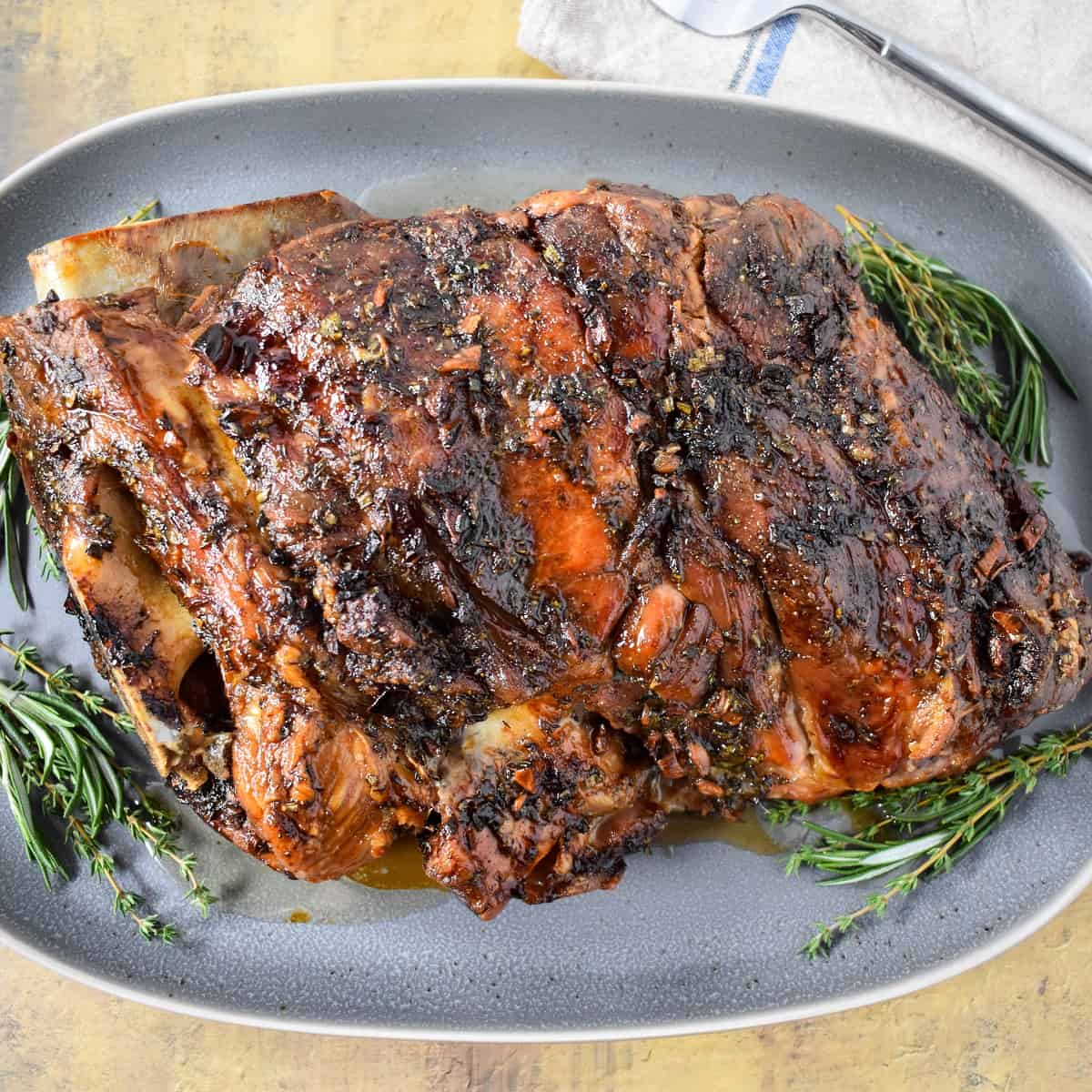
Fast forward to today, and the Boston butt is the undisputed champion for slow-cooked pulled pork, a culinary staple in the Southern United States. From the vinegar-based sauces of North Carolina to the sweeter, tomato-heavy concoctions of Kansas City and the spicy dry rubs of Texas, the preparation methods vary regionally, each reflecting a unique cultural identity. This culinary diversity is precisely what makes food a core element of tourism, allowing us to “travel” through our taste buds.
The Allure of Slow Cooking for Travelers and Homebodies Alike
The appeal of slow cooking, especially for a cut like the Boston butt, transcends mere convenience; it embodies a philosophy of patience, anticipation, and profound satisfaction. For the diligent traveler who savors the unhurried pace of exploring a new destination, or the homebody seeking a luxurious culinary escape, slow cooking mirrors the essence of a truly enriching experience. It’s a process that demands minimal active intervention once set, allowing you to focus on other pursuits, be it planning your next grand adventure, catching up on travel literature, or simply enjoying quality time with family.
Many modern hotels, resorts, and apartment rentals, particularly those catering to longer stays or a luxury travel segment, are increasingly equipped with full kitchens. This provides a fantastic opportunity to replicate cherished culinary experiences discovered during your journeys or to experiment with local ingredients. Imagine spending a day exploring the historic sites of Savannah or the vibrant music scene of Nashville, returning to your villa to the intoxicating aroma of a Boston butt that has been slowly transforming in the oven. This kind of hands-off, yet deeply rewarding, cooking method aligns perfectly with a relaxed and appreciative lifestyle, whether you’re at home or thousands of miles away.
Preparing for Your Culinary Adventure: Ingredients and Tools
Just as a seasoned traveler carefully selects their itinerary and packing essentials, preparing to cook a Boston butt requires thoughtful consideration of ingredients and the right tools. The quality of your components directly impacts the final dish, transforming a simple meal into an unforgettable feast. This section serves as your essential packing list for a successful culinary expedition.
Sourcing the Best: Ingredients for an Authentic Experience
The foundation of exceptional pulled pork starts with the meat itself. Look for a bone-in Boston butt weighing between 6-10 pounds. The bone helps distribute heat and adds flavor, though boneless varieties work too if that’s all you can find. A good quality pork butt will have a decent amount of fat marbling throughout and a visible fat cap on one side. This fat is crucial for keeping the meat moist and tender during the long cooking process.
Beyond the pork, the flavor profile is largely dictated by your rub and, optionally, a liquid element. For the rub, consider a simple yet effective blend:
- Salt & Black Pepper: The absolute essentials.
- Paprika (smoked or sweet): For color and depth. Smoked paprika adds a lovely, subtle smoky note even without a smoker.
- Brown Sugar: Helps create a beautiful crust (bark) and balances savory flavors.
- Garlic Powder & Onion Powder: Universal flavor enhancers.
- Chili Powder or Cayenne Pepper: For a touch of heat, adjust to your preference.
For liquid, options include apple cider vinegar, chicken or vegetable broth, or even apple juice. This creates a moist environment in the roasting pan, contributing to the tenderness. If you’re exploring culinary tourism in the American South, seeking out local butcher shops or farmers’ markets for your pork can be a memorable experience, connecting you directly with regional producers and their heritage. Even at home, supporting local butchers ensures a higher quality cut and expert advice.
Essential Kitchen Gear for a Perfect Roast
You don’t need a gourmet kitchen often featured in luxury travel magazines to achieve fantastic results, but a few key items will make the process smoother and more reliable. These are your foundational tools for a successful culinary journey:
- Large Roasting Pan with a Rack: Essential for allowing air circulation around the meat and keeping it out of direct contact with any rendered fat or liquid, promoting even cooking and a good crust.
- Heavy-Duty Aluminum Foil: For tightly covering the roasting pan, trapping moisture and heat, which is vital for the “low and slow” method.
- Meat Thermometer: This is non-negotiable. An accurate probe thermometer (either instant-read or leave-in) is crucial for ensuring the pork reaches the correct internal temperature for shredding (typically 200-205°F or 93-96°C) and for food safety. Guessing internal temperature is a recipe for disappointment.
- Sharp Knife: For trimming excess fat (if desired) and scoring the fat cap.
- Bear Claws or Two Forks: For effortlessly shredding the pork once it’s cooked to perfection.
- Large Cutting Board: For prepping and shredding the meat.
Many modern vacation rentals and upscale apartments offer fully equipped kitchens, making it entirely feasible to embark on this cooking project even when you’re away from home. Before booking your next accommodation, you might check the amenities list; a well-stocked kitchen can significantly enhance your travel experience, transforming it from merely dining out to truly immersing yourself in local culinary practices.
The Journey from Raw Cut to Culinary Masterpiece: Step-by-Step Oven Method
Now, let’s get to the heart of the matter – transforming a raw Boston butt into a succulent, shreddable masterpiece using just your oven. This process is less about intricate techniques and more about patience and understanding the magic of “low and slow.” Think of it as a leisurely scenic route, rather than a hurried highway drive, perfectly fitting for a relaxed lifestyle approach.
The Rub: Crafting Your Flavor Profile
A flavorful rub is the soul of pulled pork. Begin by patting your pork butt thoroughly dry with paper towels; a dry surface helps the rub adhere and contributes to a better “bark” (the delicious, caramelized crust).
In a small bowl, combine your chosen rub ingredients (e.g., 2 parts brown sugar, 2 parts smoked paprika, 1 part salt, 1 part black pepper, 0.5 part garlic powder, 0.5 part onion powder, a pinch of cayenne). Feel free to experiment based on your preferred regional flavors—a nod to the diverse barbecue styles you might encounter in the Southern United States. Some prefer a more savory, less sweet profile, while others embrace the sticky sweetness.
Liberally apply the rub all over the pork butt, pressing it gently to ensure good coverage. Don’t be shy; this is where the flavor truly penetrates. For optimal flavor development, place the rubbed pork in a large bag or wrap it tightly in plastic wrap and refrigerate for at least 8 hours, or preferably overnight. This marination step is similar to allowing time for cultural immersion during your travels—the longer you allow, the richer the experience. If time is short, even an hour at room temperature will help.
Low and Slow: The Oven’s Magic
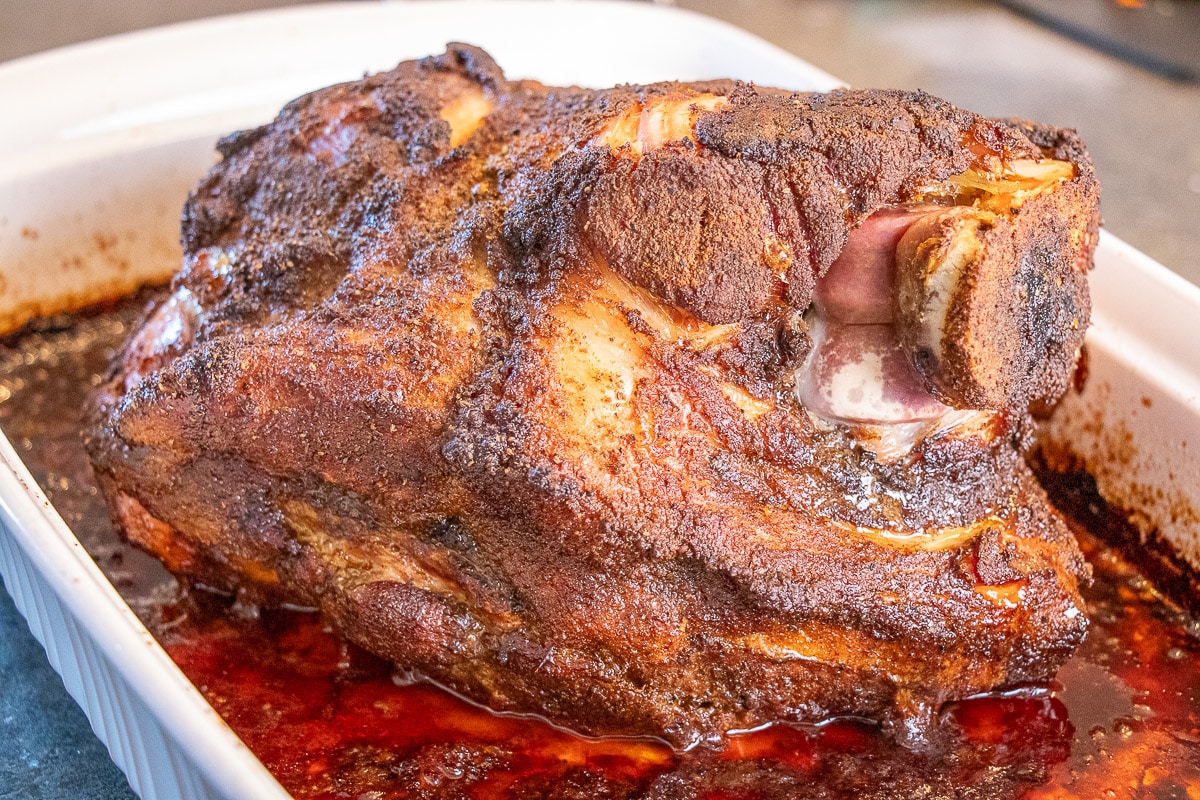
Preheat your oven to a consistent 275°F (135°C). This low temperature is key to breaking down the tough connective tissues in the pork without drying out the meat. Place the rubbed pork butt fat-cap up on a rack in your roasting pan. Pour about 1-2 cups of your chosen liquid (broth, apple cider vinegar, or water) into the bottom of the roasting pan. This liquid creates a moist environment, preventing the meat from drying out and catching any drippings for later use.
Cover the entire roasting pan tightly with heavy-duty aluminum foil. Ensure it’s sealed completely to trap all the steam and heat. This creates a mini-oven within your oven, mimicking the humid environment of a smoker.
Now, the waiting game begins. Roast for approximately 1.5 to 2 hours per pound, or until the internal temperature of the pork reaches 200-205°F (93-96°C) when measured with your meat thermometer in the thickest part of the meat, avoiding the bone. For an 8-pound Boston butt, this could mean 12 to 16 hours of cooking. Do not rush this process! The meat will typically hit a “stall” around 150-170°F (65-77°C) where its temperature plateaus for several hours. This is normal; just keep cooking. The patience required is reminiscent of a long journey to a remote, breathtaking destination – the reward is well worth the wait.
Rest and Shred: The Grand Finale
Once your Boston butt reaches the target internal temperature and a probe thermometer slides in with almost no resistance, remove it from the oven. This is another critical step often overlooked. Do not unwrap it immediately. Instead, let the pork rest, still covered, for at least 30 minutes, or up to an hour. This resting period allows the muscle fibers to relax and reabsorb juices, resulting in an incredibly moist and flavorful final product. Think of it as the decompression time after a long flight, allowing you to fully appreciate your arrival.
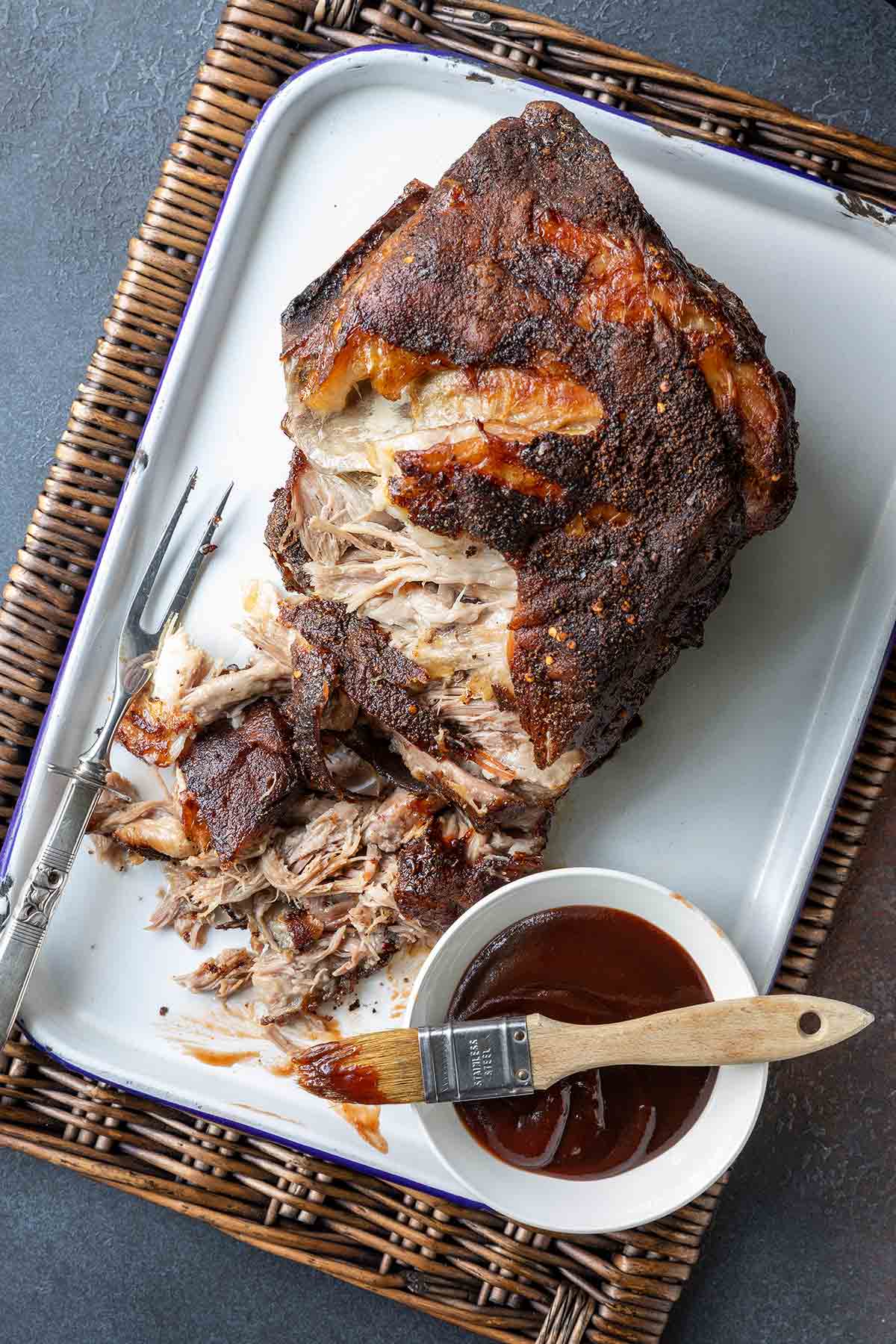
After resting, carefully unwrap the pork. The bone should pull out effortlessly. Using bear claws or two forks, begin to shred the meat. It should practically fall apart. Discard any large pieces of fat or gristle, though some rendered fat can be mixed back in for flavor and moisture. You can then mix the shredded pork with some of the pan drippings for extra moisture and flavor, or incorporate your favorite barbecue sauce. The vibrant colors and rich aromas of the finished product are a testament to the journey, transforming simple ingredients into a culinary masterpiece worthy of any grand hotel banquet.
Beyond the Plate: Pairing Your Boston Butt with Travel Memories and Lifestyle
Cooking a Boston butt is more than just following a recipe; it’s an experience that can evoke cherished travel memories and enhance your everyday lifestyle. It’s about creating an atmosphere, sharing stories, and savoring the richness of life, whether you’re physically exploring new destinations or enjoying a “staycation” at home.
Regional Pairings and Cultural Immersion
To truly celebrate the spirit of pulled pork, consider pairing it with traditional Southern cuisine sides. These pairings are not just about complementary flavors; they are an immersion into the cultural fabric of a region. Classic choices include creamy coleslaw, sweet cornbread, baked beans, macaroni and cheese, or collard greens. Each side dish tells a story, often rooted in historical agricultural practices and community gatherings.
For beverages, think about what complements rich, savory pork. Iced tea is a quintessential Southern accompaniment, while a crisp lager or a fruit-forward craft beer can cut through the richness. If you’re a fan of bourbon, a neat pour or a classic Old Fashioned can elevate the meal into a sophisticated dining experience, reminiscent of upscale dining found in Nashville or Kentucky. Thinking about these pairings allows you to extend the theme of culinary tourism beyond the main course, inviting a broader exploration of regional tastes and traditions.
The Boston Butt as a Staycation Destination
In our fast-paced world, the concept of a “staycation” has gained immense popularity, offering a chance to relax and rejuvenate without the complexities of actual travel. Preparing a Boston butt is the epitome of a culinary staycation. The long cooking time itself encourages you to slow down, spend time at home, and engage in other enjoyable activities while the oven does its work.
It transforms your home into a temporary retreat, an oasis where the aromas of delicious food replace the stress of daily life. This meal is perfect for a relaxed weekend with family, a cozy gathering with friends, or simply a treat for yourself after a busy week. It fosters a sense of comfort, hospitality, and shared enjoyment, much like the best family trips or memorable business stays where good food brings people together. It’s a deliberate choice to infuse your everyday lifestyle with the richness and pleasure typically associated with grand destinations and exotic locales. Whether you are reliving past adventures or dreaming of future ones, a perfectly cooked Boston butt offers a delicious bridge between wanderlust and the comforts of home.
Mastering the art of cooking a Boston butt in the oven is more than just adding another recipe to your repertoire. It’s an invitation to explore the rich tapestry of American culinary heritage, to embrace the rewarding patience of slow cooking, and to infuse your home and lifestyle with the joyous spirit of travel and discovery. So go ahead, choose your cut, craft your rub, and let your oven take you on a truly unforgettable flavor journey.
LifeOutOfTheBox is a participant in the Amazon Services LLC Associates Program, an affiliate advertising program designed to provide a means for sites to earn advertising fees by advertising and linking to Amazon.com. Amazon, the Amazon logo, AmazonSupply, and the AmazonSupply logo are trademarks of Amazon.com, Inc. or its affiliates. As an Amazon Associate we earn affiliate commissions from qualifying purchases.