
Imagine sinking your teeth into incredibly tender, smoky, and flavorful pulled pork, a dish that instantly transports you to the heart of the Southern US BBQ tradition. While the quintessential experience often involves a massive smoker and hours of dedication, the good news for travelers, lifestyle enthusiasts, and home cooks alike is that you don’t need a professional pitmaster’s setup to achieve remarkable results. This beloved cut, often a highlight of local cuisine and a cornerstone of culinary tourism, can be mastered right in your oven. Whether you’re staying in a well-appointed Airbnb during a long-term trip, making the most of a kitchenette in an extended-stay hotel, or simply bringing the flavors of your travels home, oven-roasting a Pork Boston Butt offers an accessible and deeply rewarding culinary adventure. It’s an opportunity to immerse yourself in a regional specialty, practice a new skill, and savor a dish that embodies comfort and heritage, all from the convenience of your own or temporary accommodation.
The Culinary Journey: Understanding the Boston Butt
Before we delve into the specifics of cooking, let’s appreciate the history and cultural significance of this remarkable cut of meat. Understanding its origins and place in the culinary landscape enhances the entire experience, transforming a simple recipe into a fascinating exploration of food tourism and local culture.
A Cut with History: From Boston to the BBQ Belt
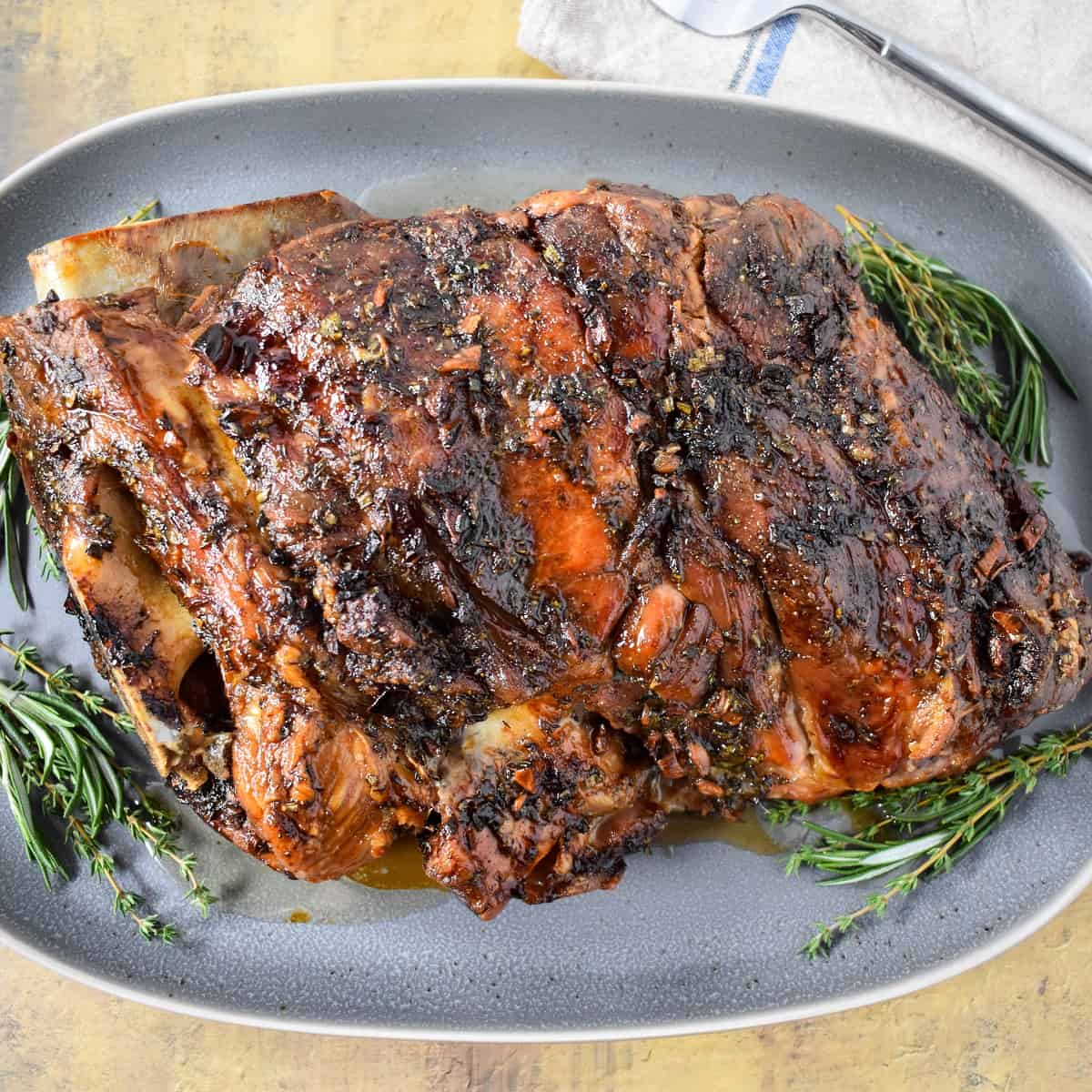
The Pork Boston Butt is, perhaps surprisingly, not from the rear end of the pig. In fact, it’s a cut from the upper part of the pig’s front shoulder, encompassing the shoulder blade bone. The “butt” designation is believed to have originated in pre-Revolutionary Boston, where pork shoulders were often packed into inexpensive wooden barrels, or “butts,” for storage and transport. This packaging method gave the cut its enduring and somewhat misleading name.
Over centuries, the Boston Butt became synonymous with the rich traditions of American BBQ, particularly in the sprawling BBQ Belt that stretches across the Southern US. From the vinegar-based sauces of North Carolina BBQ to the robust, smoky flavors of Texas BBQ, and the sweet, tangy rubs of Memphis, the slow-cooked pork shoulder is a foundational element. Travelers exploring these regions often make pilgrimages to famous BBQ joints, tasting the subtle variations and fierce loyalties surrounding this dish. Learning to cook it yourself, even in an oven, is a way to replicate those authentic experiences and connect with the heart of regional food culture, making it a truly immersive activity for any food-focused itinerary. It’s a taste of history, a slice of lifestyle, and an undeniable landmark in American cuisine.
Why Oven Roasting is Your Travel-Friendly Option
While traditional BBQ purists might advocate for wood-fired smokers, the oven offers a fantastic and highly practical alternative, especially for those on the go or living a modern, flexible lifestyle. For travelers staying in various accommodations – from an urban apartment rental to a cozy villa or even an upscale hotel suite with kitchen facilities – an oven is usually readily available. This makes oven-roasting a Pork Boston Butt an incredibly versatile method.
Firstly, it’s a budget travel hack. Eating out extensively while traveling can quickly deplete funds. Cooking a large cut like a Boston Butt provides several meals, offering incredible value and allowing you to allocate more of your budget to attractions or experiences. Secondly, it’s about convenience and control. You don’t need specialized equipment or a dedicated outdoor space. The consistent heat of an oven ensures a predictable cooking environment, making it less intimidating for beginners. Finally, it’s about experiencing local cuisine firsthand. Instead of just consuming a dish, you’re engaging with its preparation, understanding the ingredients, and developing a deeper appreciation for the food culture you’re exploring. Whether it’s recreating a delicious pulled pork sandwich inspired by your trip to Nashville or simply enjoying a hearty meal with family during a vacation, the oven method brings gourmet regional flavors directly to your plate, no matter where your travels take you.
Preparing Your Culinary Adventure: Essential Steps Before You Cook
The success of your oven-roasted pork butt hinges significantly on the preparation phase. This isn’t just about following a recipe; it’s about making informed choices that reflect both culinary wisdom and the practicalities of a travel-oriented lifestyle. Think of it as mapping out your itinerary before you embark on a grand adventure.
Sourcing the Perfect Pork Butt: A Traveler’s Guide to Local Markets
Finding the right Pork Boston Butt is the first and most crucial step. A typical whole Boston Butt weighs between 6 and 10 pounds, often with a bone-in option which many chefs prefer for added flavor. When selecting your cut, look for good marbling – streaks of fat running through the meat. This fat is essential for moisture, flavor, and tenderness as it renders during the long cooking process.
For the adventurous traveler, sourcing your pork can become an enjoyable part of your local immersion. Instead of heading to a generic supermarket, seek out a local butcher shop or a vibrant Farmers Market. These establishments often provide higher quality, locally sourced meats and offer an excellent opportunity to interact with local vendors, learn about regional produce, and experience the authentic rhythm of a destination. Imagine exploring the bustling markets of Barcelona or a quaint village market in Tuscany – while those specific markets might not feature Boston Butt, the principle of seeking out local, quality ingredients translates globally. Even in a new city, asking locals for recommendations on the best butcher or market can be a delightful way to uncover hidden gems and enhance your overall travel experience, tying into themes of local culture and responsible tourism.
Crafting Your Flavor Profile: Rubs and Marinades for Global Palates
Once you have your pork butt, it’s time to impart flavor. This is where your culinary creativity, informed by your travel experiences, can truly shine. A good rub or marinade is key to developing that delicious crust and deep, savory taste.
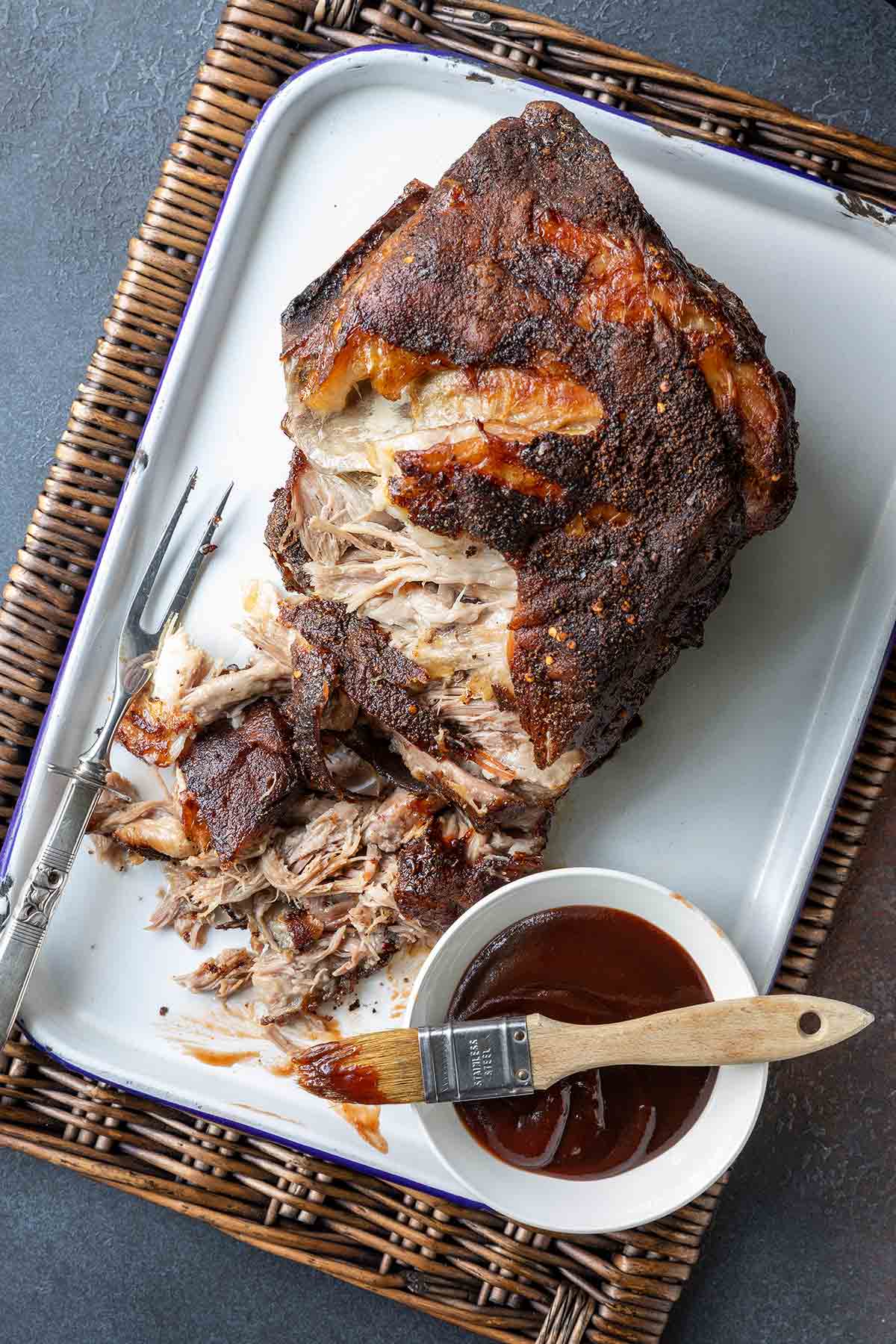
Dry Rubs: These are typically a blend of spices, salt, and sugar. Classic Southern US rubs often include paprika, garlic powder, onion powder, cayenne pepper, black pepper, and brown sugar. The sugar caramelizes during cooking, creating a beautiful bark, while the spices penetrate the meat. A famous example is the Memphis Dry Rub, known for its sweet and savory balance.
Marinades & Brines: While less common for large cuts like Boston Butt destined for slow cooking, a brine can add moisture and seasoning throughout the meat. A liquid marinade (often a mix of acids, oils, and spices) could be used for a few hours, though a deep rub is generally preferred for overnight application to allow flavors to meld.
Think about the diverse flavors you’ve encountered on your travels. Perhaps you were inspired by the smoky paprika of Hungary, the cumin and coriander notes from a trip through Morocco, or the vibrant chilies of Mexico. You can adapt traditional rubs to incorporate these global influences, creating a fusion dish that reflects your personal culinary journey. For instance, you might add smoked paprika and caraway for an Eastern European twist, or ancho chili and oregano for a Latin American flair. Apply your chosen rub liberally, covering every surface of the pork. For best results, allow the seasoned butt to rest in the refrigerator for at least 8-12 hours, or even overnight. This crucial step allows the flavors to penetrate the meat, setting the stage for an unforgettable dish and transforming a simple ingredient into a canvas for your travel-inspired palate.
The Art of Oven Roasting: A Step-by-Step Guide for the Home Cook & Traveler
Now that your pork butt is expertly seasoned and ready, it’s time to embark on the slow-roasting process. This section provides a detailed, step-by-step guide, mindful of the various kitchen setups a traveler might encounter, from a compact apartment kitchen to a spacious villa rental.
Setting the Stage: Equipment and Oven Prep in Your Temporary Kitchen
Even if you’re working in an unfamiliar kitchen, the basic equipment for oven-roasting a Pork Boston Butt is relatively minimal and often readily available in vacation rentals or well-equipped suites.
- Roasting Pan: A sturdy roasting pan, ideally with a rack, is essential. The rack keeps the meat elevated, allowing hot air to circulate evenly around it and preventing the bottom from steaming. If you don’t have a rack, you can create a makeshift one with crumpled aluminum foil balls.
- Aluminum Foil: Heavy-duty foil will be your best friend for covering the roast, trapping moisture, and creating a steamy environment for tender results.
- Meat Thermometer: This is non-negotiable for success. An oven-safe probe thermometer that stays in the meat during cooking, with an external display, is ideal. If not, an instant-read thermometer will suffice for checking periodically. Precision is key in low-and-slow cooking.
- Large Cutting Board & Forks/Claws: For the pulling stage.
Oven Preparation: Before you even think about putting the pork in, preheat your oven to the desired low temperature. Ensure your oven racks are positioned correctly to accommodate the roasting pan. If you’re using an oven in a rental, a quick check of its settings and functions can prevent surprises. Many modern ovens have convection settings, which can be useful, but for a Boston Butt, a standard “bake” or “roast” setting at a consistent low temperature is perfectly fine.
The Slow Roast Journey: Temperature, Time, and Tenderness
The mantra for Pork Boston Butt is “low and slow.” This extended cooking time at a gentle temperature is what breaks down the tough connective tissues (collagen) in the pork shoulder, transforming it into succulent, pull-apart tender meat.
- Initial Sear (Optional but Recommended): Some prefer to sear the pork butt in a hot pan on the stovetop for a few minutes per side before placing it in the oven. This creates a flavorful crust. If skipping, don’t worry, the long roast will still develop a good bark.
- Into the Oven: Place the seasoned pork butt, fat side up (if applicable), on the rack in your roasting pan. Add about 1/2 to 1 cup of liquid (water, chicken broth, apple juice, or even beer) to the bottom of the pan. This helps keep the environment moist and provides a base for drippings.
- Cover Tightly: Cover the roasting pan very tightly with heavy-duty aluminum foil. You want to create a seal to trap all that steam.
- The Roast: Cook at a low temperature, typically 275°F (135°C) to 300°F (150°C). The cooking time will vary significantly based on the size of your pork butt. A good rule of thumb is roughly 1.5 to 2 hours per pound. So, an 8-pound butt could take 12-16 hours. This is an excellent recipe for an overnight cook, letting it gently roast while you sleep.
- Monitoring Doneness: The pork is “done” for slicing around 185-195°F (85-90°C), but for pull-apart tenderness, you’re aiming for an internal temperature between 200°F (93°C) and 205°F (96°C). The meat should feel incredibly tender when probed with a thermometer, offering very little resistance.
- Uncover and Finish (Optional): Once the target internal temperature is reached, you can remove the foil for the last 30-60 minutes of cooking to allow the bark to crisp up further. If the bark is already to your liking, keep it covered.
Patience is a virtue here. Resist the urge to constantly check or open the oven, as this releases heat and moisture, extending cooking time. Trust the process, and let the low, slow heat do its magic. This approach echoes the philosophy of “slow travel” – savoring the journey, not just rushing to the destination.
The Grand Finale: Resting, Pulling, and Serving Your Masterpiece
You’re almost there! The aromas filling your kitchen are a testament to your patience and effort. The final steps are crucial for ensuring maximum flavor and the perfect texture.
- Resting: This is perhaps the most overlooked yet vital step. Once the pork butt reaches the desired internal temperature, remove it from the oven, still covered with foil, and let it rest for at least 30 minutes to an hour, or even longer. Resting allows the muscle fibers to relax and reabsorb the juices, ensuring the meat remains incredibly moist. Skipping this step can result in dry, less flavorful pulled pork.
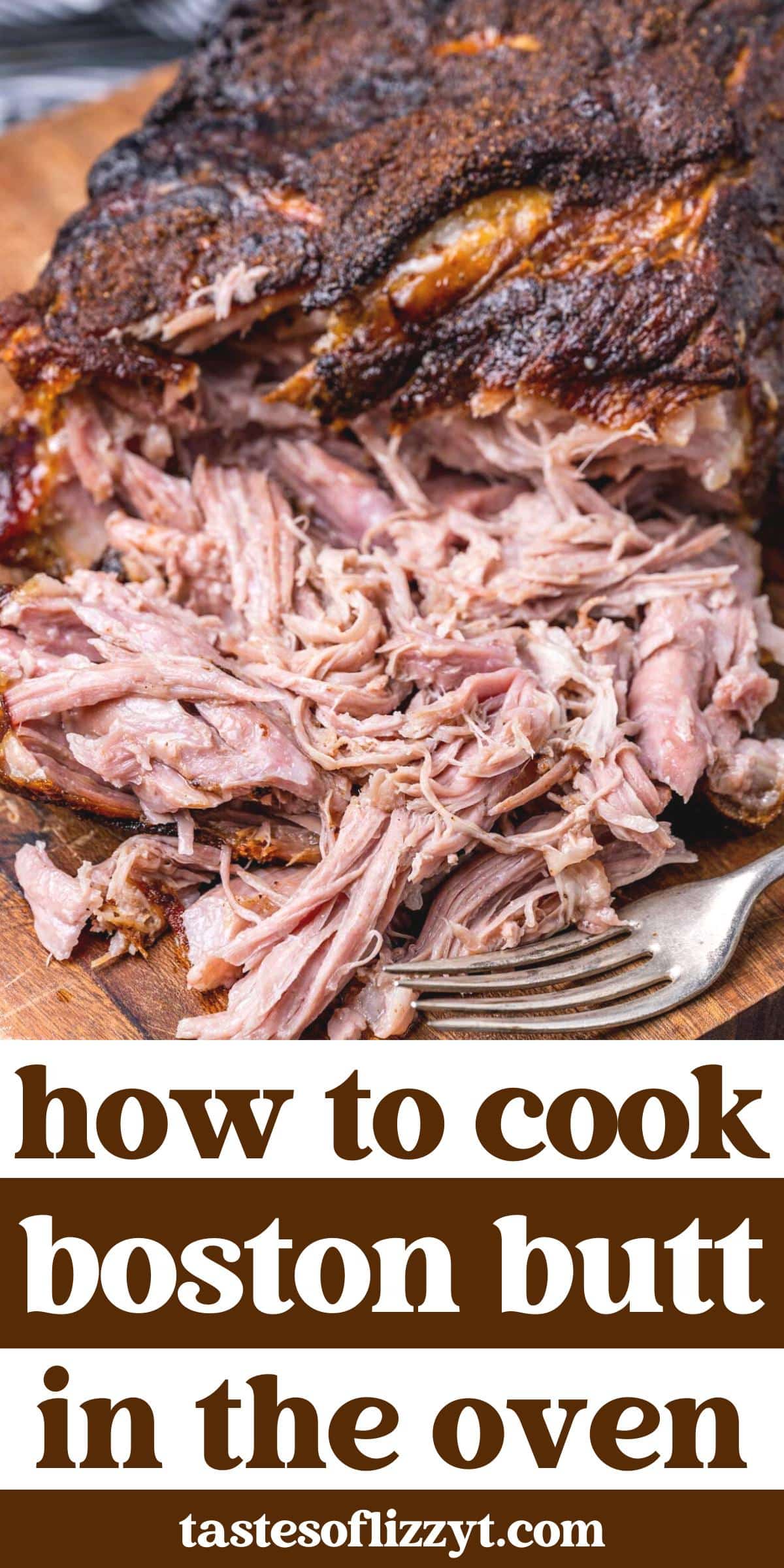
- Pulling the Pork: After resting, carefully transfer the pork butt to a large cutting board or a deep pan. The bone should pull out effortlessly. Using two large forks, meat claws, or even clean hands (once it’s cool enough to handle), begin to shred the meat. It should literally fall apart. Discard any large pieces of fat or gristle, though some of the rendered fat is essential for flavor.
- Mixing and Serving: Once pulled, transfer the pork back into the roasting pan with its accumulated juices. Stir the meat to coat it thoroughly with these flavorful drippings. This is also the stage where you can mix in a small amount of your favorite BBQ sauce if desired, though many prefer to serve sauce on the side to let the pork’s natural flavor shine. A classic Carolina Vinegar Sauce offers a tangy counterpoint to the rich pork.
Serve your delicious pulled pork on soft burger buns for classic sandwiches, or get creative. It’s fantastic in tacos, quesadillas, on top of nachos, mixed into mac and cheese, or alongside simple sides like coleslaw and cornbread. The versatility of pulled pork makes it an ideal dish for travelers looking to get multiple meals out of one cooking session or for hosting a gathering in their temporary accommodations.
Beyond the Plate: Integrating Your Boston Butt Experience into Your Lifestyle
Cooking a Pork Boston Butt in the oven is more than just a recipe; it’s a lifestyle choice, an extension of your travel experiences, and a testament to the joy of culinary exploration. This dish provides opportunities for connection, memory-making, and practical living.
Culinary Souvenirs: Recreating Travel Flavors at Home
Think of this oven-roasted pulled pork as a delicious “culinary souvenir.” Just as you might bring home a piece of art or a local craft, mastering a regional dish like this allows you to revisit your travel memories with every bite. Perhaps you first tasted authentic pulled pork on a road trip through Tennessee or during a leisurely stay in a resort that offered a local BBQ night. By recreating it in your own kitchen, you’re not just cooking; you’re reliving those moments, inspiring future trips, and deepening your connection to the places you’ve visited. This practice enriches your daily life, making the kitchen a gateway to the world. It’s a way to infuse your home with the spirit of adventure and discovery that defines travel.
Hosting & Hospitality: A Global Gathering
A large batch of pulled pork is perfect for entertaining. Whether you’re hosting friends for a casual get-together, celebrating a family milestone, or simply sharing a meal in a spacious villa with newfound travel companions, this dish fosters a sense of communal enjoyment. Food, after all, is a universal language, and a hearty, flavorful meal like pulled pork encourages conversation and shared experiences. This aspect ties directly into the themes of lifestyle and hospitality, whether you’re welcoming guests into your home or making new friends during a long-term stay abroad. It’s a versatile dish that bridges cultures, offering comfort and satisfaction to a diverse palate, echoing the global nature of travel itself.
Sustainable Travel & Home Cooking: A Budget-Friendly Choice
In an age where sustainable choices and smart budgeting are increasingly important for travelers and home dwellers alike, cooking a Pork Boston Butt ticks many boxes. This single cut of meat, when cooked and portioned correctly, can provide numerous meals throughout the week, significantly reducing your food budget. It minimizes waste by maximizing a single ingredient, aligning with a more sustainable lifestyle. For budget travelers, cooking in your accommodations is a well-known strategy for stretching funds, allowing more resources for activities, attractions, or future journeys. Furthermore, the satisfaction of creating such a delicious meal from scratch contributes to a sense of self-sufficiency and mindful living, a rewarding aspect of a well-rounded lifestyle.
In conclusion, cooking a Pork Boston Butt in the oven is far more than just a cooking task; it’s an enriching lifestyle experience that connects directly to the joys of travel, cultural exploration, and smart living. It brings the authentic flavors of the Southern US to your kitchen, wherever that may be, offering a delicious and practical way to savor the world, one tender bite at a time. So, gather your ingredients, embrace the low-and-slow journey, and prepare to embark on your own delectable culinary adventure.
LifeOutOfTheBox is a participant in the Amazon Services LLC Associates Program, an affiliate advertising program designed to provide a means for sites to earn advertising fees by advertising and linking to Amazon.com. Amazon, the Amazon logo, AmazonSupply, and the AmazonSupply logo are trademarks of Amazon.com, Inc. or its affiliates. As an Amazon Associate we earn affiliate commissions from qualifying purchases.