
Crafting a will might not be as glamorous as planning your next getaway to the Maldives or booking a luxurious suite at the Ritz-Carlton, Kyoto, but it’s a crucial step in safeguarding your future and the legacy you leave behind. While the thrill of exploring new destinations, immersing yourself in local culture, or discovering hidden attractions fills your days, ensuring your assets are distributed according to your wishes after you’re gone provides a different, yet equally important, kind of peace of mind. This guide will navigate you through the essential steps of creating a legally sound will in California, ensuring your final wishes are honored, much like how a meticulously planned itinerary ensures a smooth travel experience.
Understanding the Importance of a Will in California
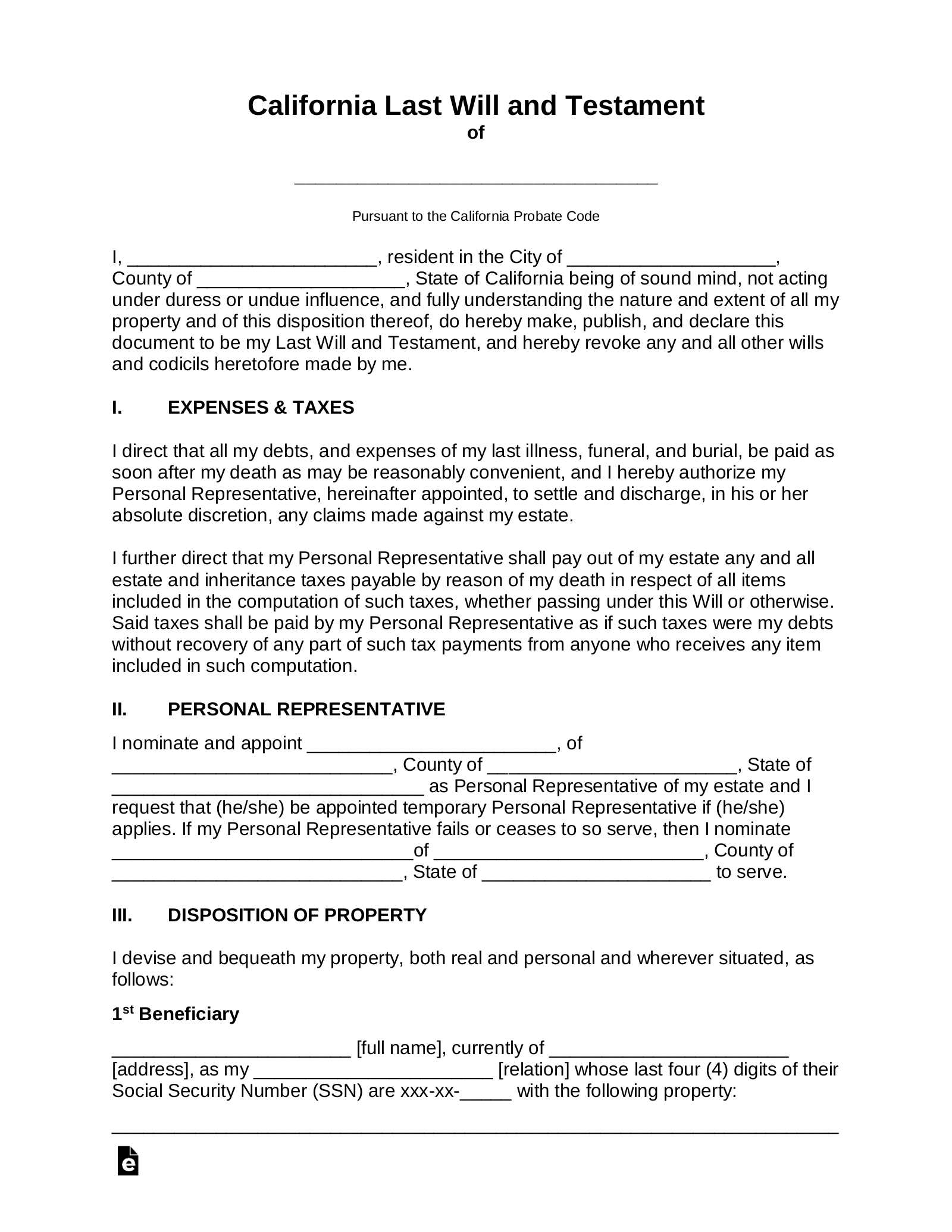
The notion of creating a will can sometimes feel somber, akin to contemplating the end of a fantastic adventure. However, its purpose is fundamentally about proactive planning and ensuring continuity for those you care about. Without a valid will in California, your estate will be subject to the state’s intestacy laws. This means the government, not you, decides how your property is divided. This can lead to unexpected outcomes, prolonged legal processes, and potential disputes among your loved ones, detracting from the cherished memories you’ve built, perhaps during memorable family trips to Disneyland or serene villas in Tuscany.
A will serves as your voice after you’re no longer able to speak. It’s your opportunity to clearly articulate your desires regarding:
- Asset Distribution: Specifying beneficiaries for your real estate, financial accounts, personal belongings, and any other assets. This could include leaving your cherished collection of vintage maps to a historical society or ensuring your favorite resort timeshare is passed to a specific family member.
- Guardianship of Minor Children: Designating who will care for your children if you and their other parent are unable to do so. This is perhaps the most critical function for parents, akin to choosing the safest and most nurturing accommodation for your little ones.
- Executor Appointment: Naming a trusted individual to manage your estate, pay debts and taxes, and distribute assets according to your will. This person acts as your personal representative, similar to how a knowledgeable tour guide leads you through the complexities of a new city like Rome.
- Charitable Contributions: Including provisions to support causes you believe in, perhaps a portion of your estate going to a wildlife conservation group you admire during your nature excursions.
Failing to create a will can leave your loved ones navigating a complex and often emotionally taxing legal process. This can cast a shadow over their memories of you, much like a disappointing hotel experience can tarnish the overall impression of a vacation.
Key Components of a California Will
To be legally valid in California, a will must meet specific requirements. Understanding these foundational elements is crucial for ensuring your document stands up to legal scrutiny.
Testamentary Capacity
The testator, the person making the will, must have the mental capacity to understand the nature of the document they are signing and its effect. This means they must be of sound mind, meaning they understand:
- That they are signing a will.
- The nature and extent of their property.
- The “natural objects of their bounty” – typically, their close family members.
This requirement ensures that the will genuinely reflects the testator’s intentions, rather than being the product of undue influence or confusion. It’s akin to ensuring that when you book a luxury travel package, you fully comprehend what you are agreeing to.
Age Requirement
In California, you must be at least 18 years old to create a legally binding will.
Writing Requirement
Generally, a will must be in writing. Oral wills are rarely permitted and only under very specific and limited circumstances, so relying on them is highly inadvisable. This written requirement ensures clarity and reduces the possibility of misunderstandings, much like a detailed guidebook provides clear instructions for navigating a foreign land.
Signature of the Testator
The will must be signed by the testator. If the testator is unable to sign, they can direct another person to sign on their behalf in their presence.
Witness Requirements
This is a critical aspect of will creation in California. A will must be signed by at least two witnesses. These witnesses must:
- Be present at the same time.
- Witness either the testator signing the will or the testator acknowledging their signature on the will.
- Understand that the instrument they are signing is the testator’s will.
- Sign the will in the testator’s presence.
Crucially, the witnesses should be “disinterested,” meaning they are not beneficiaries in the will. If a witness is also a beneficiary, the gift to that witness may be voided, unless there are sufficient other disinterested witnesses. This ensures the integrity of the witnessing process and prevents potential conflicts of interest, much like ensuring your accommodation reviews are from unbiased sources.
Steps to Create a Will in California
Creating a will involves several distinct steps, each contributing to the validity and effectiveness of your document. Think of it as a structured approach to planning a significant journey, ensuring all necessary preparations are made.
Step 1: Inventory Your Assets and Debts
Before you can decide how to distribute your property, you need to know what you own. This involves compiling a comprehensive list of all your assets, including:
- Real Estate: Your primary residence, vacation homes, and any investment properties. For example, if you own a beachfront condo in San Diego or a cabin near Lake Tahoe, ensure these are listed.
- Financial Accounts: Bank accounts (checking, savings), investment accounts, stocks, bonds, and cryptocurrency.
- Personal Property: Vehicles, jewelry, art, furniture, and any other tangible items of value. Consider cherished heirlooms, like your grandmother’s antique watch, or your extensive collection of travel books.
- Business Interests: Ownership stakes in any businesses.
- Digital Assets: Online accounts, digital photos, and intellectual property.
You should also list any outstanding debts, such as mortgages, loans, and credit card balances. This will help your executor understand the full financial picture of your estate. This meticulous inventory is similar to gathering all necessary documents and reservations before embarking on a cross-country road trip.
Step 2: Choose Your Beneficiaries and Executor
With your assets inventoried, you can now decide who will inherit them and who will manage the process.
Designating Beneficiaries
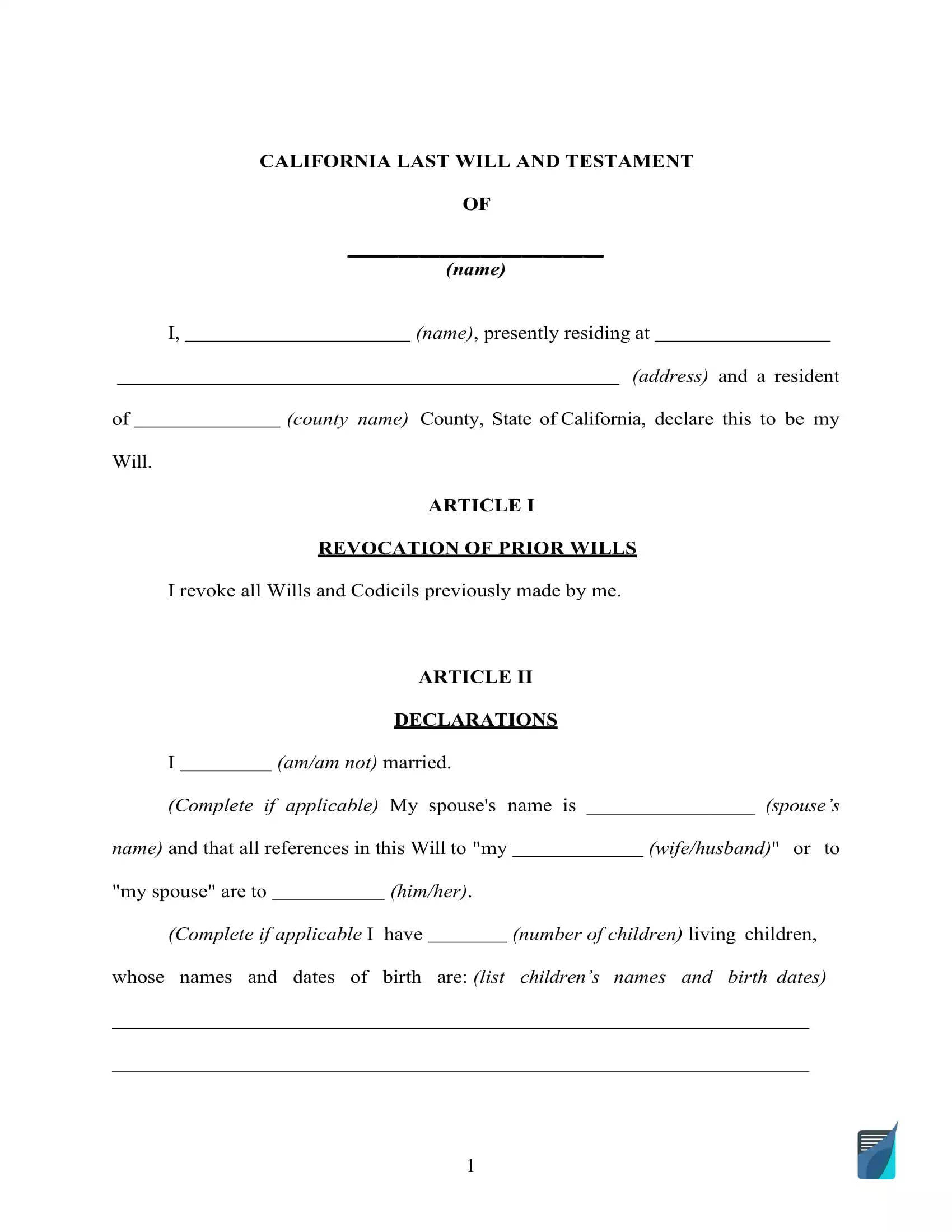
Identify the individuals, organizations, or charities you wish to receive your assets. Be specific with names and relationships. For example, instead of “my niece,” state “my niece, Sarah Johnson, daughter of my brother, John Johnson.” This clarity prevents confusion, much like having a clearly marked map prevents you from getting lost in Venice.
Consider primary beneficiaries and contingent beneficiaries. If your primary beneficiary predeceases you, the contingent beneficiary will inherit. This ensures your assets have a designated recipient.
Appointing an Executor
Your executor is a vital role. This person will be responsible for carrying out the terms of your will. Choose someone you trust implicitly, who is organized, responsible, and capable of handling financial and legal matters. Consider their age and location; an executor who is too elderly or lives too far away may face challenges. You should also name an alternate executor in case your first choice is unable or unwilling to serve. This role is comparable to selecting a highly skilled and dependable concierge at a top-tier resort.
Step 3: Decide on the Terms of Your Will
This is where you outline your specific wishes.
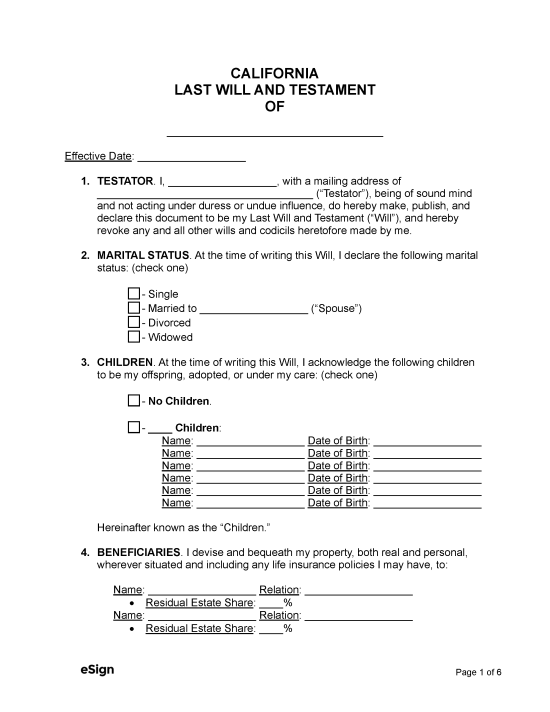
- Distribution of Assets: Clearly state how you want your assets divided. You can leave specific items to specific people or state percentages of your estate. For instance, you might leave your collection of antique furniture to your children equally, or a specific sum of money to your alma mater, Stanford University.
- Guardianship: If you have minor children, clearly name the guardian(s) you wish to appoint. This is a profound decision, similar to selecting the ideal family-friendly hotel for your children’s comfort and safety.
- Specific Gifts: You can make specific bequests, such as leaving a particular piece of jewelry to a friend or donating a sum to a beloved landmark preservation society.
- Residuary Clause: This clause specifies how any remaining assets, not specifically designated, should be distributed. It’s a catch-all to ensure nothing is left unaccounted for.
Step 4: Draft Your Will
You have several options for drafting your will in California:
1. Do-It-Yourself (DIY) Wills
You can find numerous online templates or purchase fill-in-the-blank will forms. While this can be the most budget-friendly option, it comes with significant risks. Generic templates may not account for the nuances of California law or your specific circumstances. Errors in drafting can render the will invalid or lead to unintended consequences. This is akin to trying to navigate Tokyo without any language skills or a translation app – you might get by, but it’s risky.
2. Statutory Wills
California offers a statutory will form (California Probate Code Section 6240). This is a pre-printed form with limited options that can be completed by filling in the blanks. It’s a step up from basic DIY wills but still has limitations in addressing complex estates or specific wishes. It’s like a pre-packaged tour that offers a set route with minimal customization.
3. Attorney-Drafted Wills
The most secure and recommended method is to hire an estate planning attorney licensed in California. An attorney can:
- Advise you on the best strategies for your specific situation.
- Ensure your will is legally valid and complies with all California laws.
- Help you consider potential tax implications.
- Draft a comprehensive document that accurately reflects your wishes.
- Provide advice on other estate planning tools, such as trusts.
While this option involves a higher cost, the peace of mind and legal certainty it provides are invaluable, much like booking a private villa with a personal chef for a truly bespoke luxury travel experience.
Step 5: Execute Your Will
Once your will is drafted, it must be signed and witnessed correctly to be valid in California.
- Review the Will: Carefully read the entire document to ensure it accurately reflects your intentions.
- Gather Witnesses: Arrange for two disinterested adult witnesses to be present.
- Signing Ceremony: You, the testator, will sign the will in the presence of both witnesses.
- Witness Signatures: Both witnesses will then sign the will in your presence and in the presence of each other. They will typically complete a declaration confirming they witnessed your signature and that you appeared to be of sound mind.
It’s advisable to keep your original will in a safe place, such as a fireproof safe or with your attorney. Inform your executor of its location.
Beyond the Will: Additional Estate Planning Considerations
While a will is a cornerstone of estate planning, it’s not the only tool. Depending on your assets and wishes, other instruments can complement your will, ensuring a more robust plan, much like combining different travel experiences – a relaxing resort stay followed by an adventurous trek – to create a complete vacation.
Trusts
A trust can be an effective way to manage and distribute your assets, potentially avoiding the probate process. Probate can be time-consuming and costly, and a trust can offer a more private and efficient method for transferring wealth, especially for larger estates. For instance, you might establish a trust to manage your investment properties or a collection of valuable art for future generations.
Powers of Attorney
A Durable Power of Attorney for Finances allows you to designate someone to manage your financial affairs if you become incapacitated. Similarly, a Durable Power of Attorney for Healthcare or an Advance Health Care Directive allows you to appoint someone to make medical decisions on your behalf. These documents are critical for ensuring your well-being and financial stability if you are unable to manage your affairs, akin to having a reliable travel companion who can handle unexpected situations.
Beneficiary Designations
For certain assets like life insurance policies and retirement accounts (e.g., 401(k)s, IRAs), you can name beneficiaries directly. These designations typically override your will. It’s essential to review and update these designations regularly, just as you would update your travel insurance policy before a significant trip.
Creating a will in California is a responsible act that provides clarity, protection, and peace of mind for both you and your loved ones. While the process may seem daunting, breaking it down into manageable steps, perhaps with the guidance of a legal professional, ensures your legacy is secured and your final wishes are honored, allowing your loved ones to cherish your memory without unnecessary burdens. This proactive planning allows them to focus on the positive memories, perhaps reminiscing about that unforgettable cruise to Alaska or the vibrant markets of Marrakech, rather than dealing with the complexities of an intestate estate.