
Florida, a land synonymous with sun-drenched beaches, vibrant cities, and unparalleled leisure, beckons not only travelers but also visionary entrepreneurs. From the bustling theme parks of Orlando and the sophisticated art deco allure of Miami Beach to the serene, turquoise waters of the Florida Keys, the Sunshine State offers an irresistible backdrop for both living and doing business. For those drawn to the dynamic world of travel, hospitality, and lifestyle, establishing a business here can be a strategic move. One of the most popular and advantageous legal structures for new businesses in Florida is the Limited Liability Company, or LLC. This guide delves into the specifics of forming an LLC in Florida, seamlessly weaving in how this framework can support ventures connected to the state’s thriving tourism and lifestyle sectors. Whether you’re dreaming of opening a boutique hotel, launching a unique tour operation, managing vacation rentals, or curating bespoke travel experiences, understanding the ins and outs of Florida LLC creation is your first step towards transforming that vision into a tangible reality.
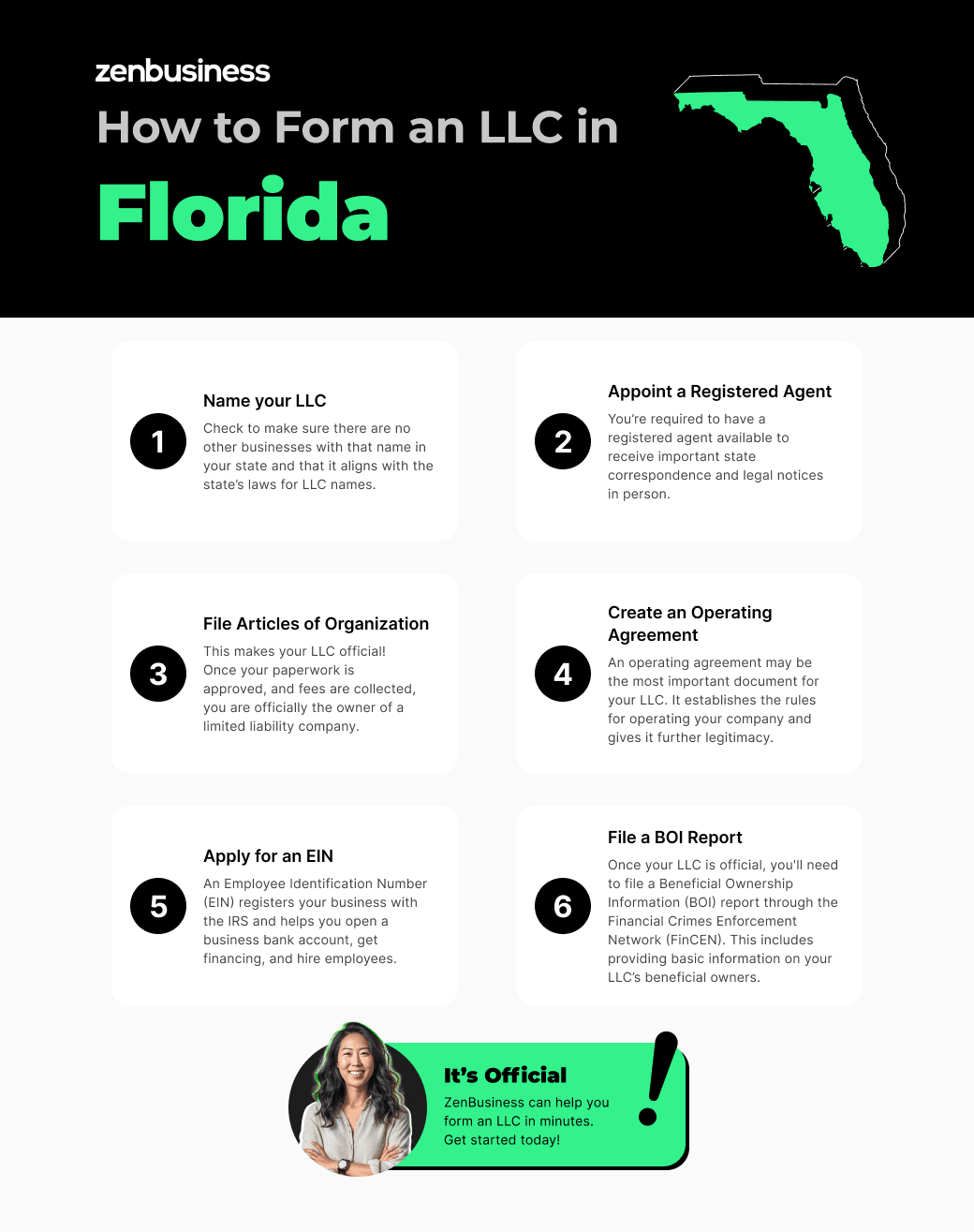
Understanding the Florida LLC Landscape: Why Florida is Prime for Your Venture
Florida’s allure extends far beyond its picturesque landscapes and world-class attractions. It’s also a powerhouse for economic activity, consistently ranking among the top states for business growth and entrepreneurship. For anyone considering a venture in tourism, accommodation, or lifestyle industries, the decision to form an LLC in Florida presents a multitude of benefits. The state boasts a business-friendly environment, characterized by no state personal income tax, a clear regulatory framework, and a vast consumer base fueled by millions of annual visitors and a steadily growing resident population.
An LLC offers a crucial layer of protection, shielding your personal assets from business liabilities and debts. This is particularly vital in the hospitality and travel sectors, where unforeseen circumstances or customer claims could otherwise pose a significant personal financial risk. Imagine operating a chain of charming bed-and-breakfasts in historic St. Augustine or managing a fleet of luxury yacht charters in Fort Lauderdale; the peace of mind that comes with limited liability allows you to focus on delivering exceptional experiences without constant worry about potential legal pitfalls impacting your personal savings or property. Furthermore, the flexibility of an LLC in terms of management structure and taxation is highly appealing. You can choose to be taxed as a sole proprietorship, partnership, or even a corporation, depending on what best suits your business model and financial objectives. This adaptability makes the Florida LLC an ideal vehicle for a diverse range of businesses, from a solo travel blogger offering personalized itineraries to a multi-partner group developing eco-tourism resorts near Everglades National Park. The state’s robust legal framework, combined with its vibrant economy driven by tourism and a high quality of life, creates an inviting ecosystem for entrepreneurs eager to tap into the lifestyle and travel market.

Step-by-Step Guide: Forming Your Florida LLC
Embarking on the journey to create your Florida LLC is a structured process that, when followed diligently, ensures your business is legally sound and ready for operation. Each step is designed to establish your company as a legitimate entity, providing the foundation for growth and success within Florida’s competitive yet rewarding landscape.
Choosing Your Business Name and Registered Agent
The first critical step in forming your Florida LLC is to select a name that is not only distinctive and memorable but also legally compliant. Your chosen name must include “Limited Liability Company,” “LLC,” or “L.L.C.” It is essential to ensure that your desired name is distinguishable from any other existing business entity in Florida. You can perform a name availability search through the Florida Department of State’s website. Consider a name that resonates with your business’s mission, especially if it ties into Florida’s unique appeal. For instance, a luxury travel agency might incorporate elements of Florida’s coastal beauty, while a boutique hotel could evoke the charm of Key West or the sophistication of South Beach. Once you’ve settled on a name, you may want to reserve it with the Florida Department of State for a small fee, ensuring it remains available while you complete other formation steps.
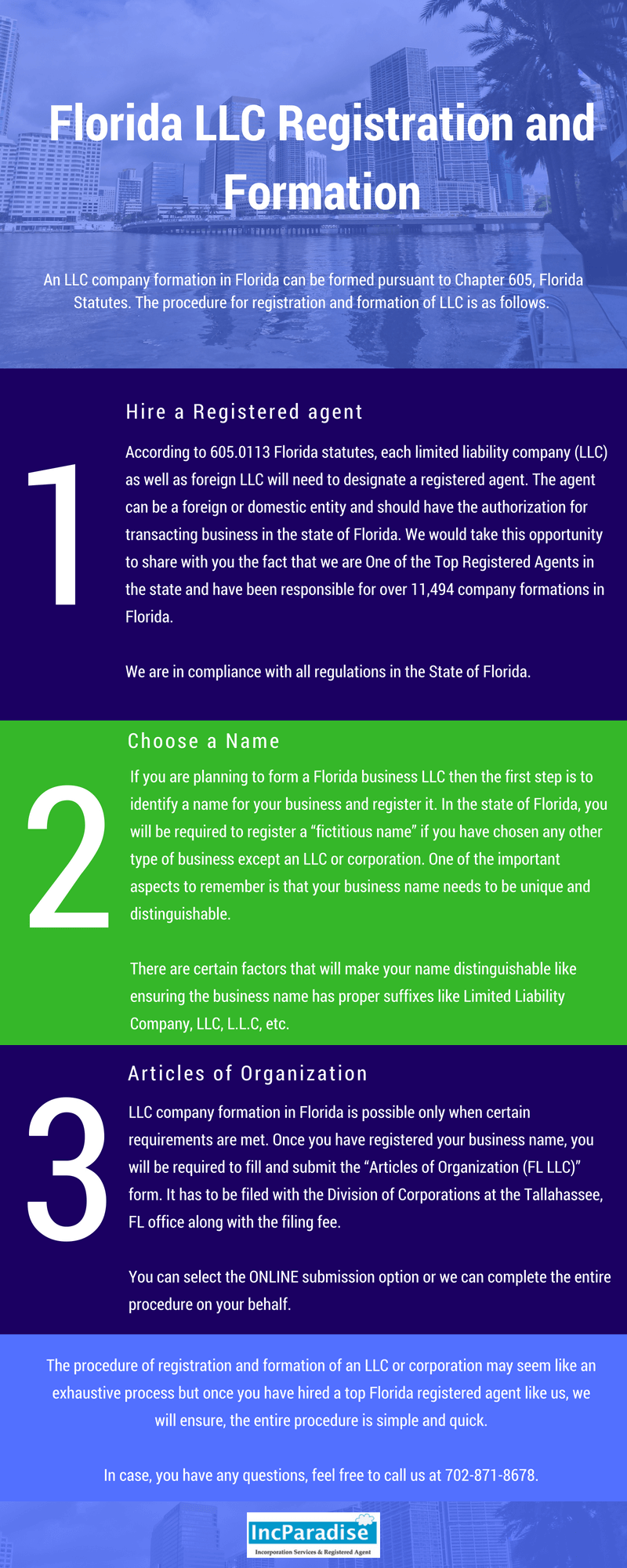
Equally important is the appointment of a Registered Agent. A Registered Agent is a designated individual or entity responsible for receiving legal and tax documents on behalf of your LLC. This agent must have a physical street address in Florida (not a P.O. Box) and be available during regular business hours. While you can act as your own Registered Agent, many entrepreneurs opt for a professional service, especially if they travel frequently, operate remotely, or simply prefer the convenience and reliability of a dedicated third party. This ensures that crucial documents are always received promptly, keeping your LLC in good standing with the state. For those setting up a business in a popular tourist destination like Naples or Clearwater Beach but not residing there full-time, a local Registered Agent can be invaluable.
Filing Your Articles of Organization with the Florida Department of State
The cornerstone of your Florida LLC formation is filing the Articles of Organization with the Florida Department of State, specifically its Division of Corporations. This official document formally creates your LLC and must include essential information such as your chosen LLC name, the name and address of your Registered Agent, and the names and addresses of the LLC’s members or managers. The filing can be completed online through the Department’s Sunbiz website, which offers a user-friendly interface. There is a state filing fee associated with the Articles of Organization, along with an optional fee if you wish to include a Registered Agent designation.
It is crucial to accurately complete this filing, as any errors could delay the approval of your LLC. Once submitted, the Florida Department of State will review your application, and upon approval, your LLC will officially be recognized as a legal entity. This is a moment of significant achievement for any entrepreneur, as it transforms your business idea from a concept into a formal operation. For those looking to establish a presence in rapidly growing tourism hubs like Tampa or the entertainment capital of Orlando, completing this step efficiently sets the stage for attracting investors, opening business bank accounts, and securing necessary operational licenses.
Crafting Your Operating Agreement: The Blueprint for Success
While not legally required by the state of Florida, an Operating Agreement is arguably the most vital document for any LLC. This internal document outlines the ownership structure, roles, responsibilities, and operational procedures of your LLC. It acts as a customized contract among the members, preventing future disputes and ensuring a smooth workflow. For single-member LLCs, it clarifies operational details and helps maintain limited liability status by distinguishing the business from the owner. For multi-member LLCs, an Operating Agreement is indispensable. It dictates how profits and losses are distributed, how decisions are made, what happens if a member leaves or new members join, and the process for dissolving the business.
Consider a partnership launching a chain of vacation rentals along Panama City Beach. Without a clear Operating Agreement, disagreements over booking platforms, maintenance responsibilities, or profit sharing could quickly derail the venture. A well-drafted agreement provides clarity on these crucial aspects, fostering harmony and ensuring that all partners are aligned on the business’s direction and daily operations. It also provides an essential framework for future planning and growth, especially as your travel or hospitality business expands its offerings or seeks new markets within Florida. Investing time in creating a comprehensive Operating Agreement with the help of legal counsel can save significant headaches and expenses down the line, allowing you to focus on delivering exceptional services, whether that’s curating unique excursions or managing luxury accommodation.
Obtaining Your EIN (Employer Identification Number)
After your Florida LLC is officially registered with the state, the next crucial step is to obtain an Employer Identification Number (EIN) from the Internal Revenue Service (IRS). An EIN is essentially your business’s social security number, a unique nine-digit identifier required for various federal tax purposes. You will need an EIN if your LLC has more than one member, if you plan to hire employees (which is highly likely for many tourism or hospitality businesses), or if you choose to have your LLC taxed as a corporation rather than a disregarded entity or partnership. Even single-member LLCs that don’t plan to hire employees often obtain an EIN to easily separate personal and business finances and to streamline banking processes.
Applying for an EIN is a straightforward process and can be completed online, by fax, or by mail directly through the IRS website. The online application is typically the fastest method, providing you with your EIN immediately upon completion. Once you have your EIN, you can proceed with opening a dedicated business bank account, which is a fundamental step for maintaining the liability protection offered by your LLC and for accurate financial record-keeping. Imagine running a thriving tour company from Sarasota focusing on the cultural attractions and natural beauty of Siesta Key; a separate business bank account linked to your EIN ensures all income from ticket sales and expenses for tour guides or transportation are clearly delineated, simplifying accounting and tax preparations.
Navigating Licenses, Permits, and Compliance
After establishing the legal structure and obtaining an EIN, the next critical phase for your Florida LLC involves securing the necessary business licenses and permits. The requirements vary significantly based on your specific industry, location, and the nature of your operations within Florida. This step is especially pertinent for businesses within the travel, tourism, and accommodation sectors, which are often subject to a myriad of state, county, and local regulations.
For example, if your LLC intends to operate vacation rentals in popular destinations like Miami Beach or Orlando, you will likely need specific permits for short-term rentals, local zoning approvals, and potentially a state lodging license. A restaurant or cafe catering to tourists will require health department permits, food service licenses, and possibly liquor licenses. Tour operators might need special permits for operating in state parks, waterways, or specific historical districts, as well as transportation licenses if they provide their own vehicles. Retail businesses selling souvenirs or local crafts will need a state seller’s permit for collecting sales tax.
Beyond these specific licenses, most Florida businesses will need a general business tax receipt (often called an occupational license) from their county and potentially their city. It’s imperative to research and understand all applicable regulations for your particular niche. Resources like the Florida Department of Business and Professional Regulation (DBPR) website, county government offices, and city halls are excellent starting points. Failing to obtain the correct licenses and permits can result in hefty fines, legal issues, or even the forced closure of your business, especially in a state that heavily regulates its vibrant hospitality sector. Ensuring full compliance from the outset protects your LLC’s reputation and allows you to operate confidently, offering seamless experiences to residents and visitors enjoying Florida’s diverse attractions, from the beaches of South Beach to the space exploration wonders of Cape Canaveral.
Beyond Formation: Sustaining Your Florida Business in the Travel Sector
Establishing your Florida LLC is a monumental first step, but the journey of entrepreneurship continues long after the Articles of Organization are filed. Sustaining and growing a business, particularly within the dynamic travel and lifestyle sectors of Florida, requires ongoing attention to financial management, strategic marketing, and an embrace of the unique Florida lifestyle.
Financial Management and Taxation for Your Florida LLC
Effective financial management is the backbone of any successful LLC in Florida. Beyond the initial formation costs and licensing fees, your LLC will incur various operational expenses, generate revenue, and have ongoing tax obligations. As a Florida LLC, you will need to file an Annual Report with the Florida Department of State between January 1st and May 1st each year to maintain your active status. Failure to do so can lead to administrative dissolution of your LLC.
From a taxation perspective, Florida does not levy a state personal income tax, which is a significant advantage. However, your LLC will still be subject to federal income taxes, which will depend on how your LLC elects to be taxed by the IRS. This could be as a disregarded entity (sole proprietorship), a partnership, an S-Corp, or a C-Corp. Businesses in the travel and hospitality sector, particularly those involved in accommodation, will also need to collect and remit sales tax (currently 6% at the state level, with additional local option taxes) on goods and taxable services, including rental of living or sleeping quarters for six months or less. Local tourist development taxes (bed taxes) are also common in popular areas like Orlando and Miami Beach, adding another layer of compliance. Careful record-keeping, possibly with accounting software, and consultation with a qualified tax professional specializing in Florida business taxes are highly recommended to ensure compliance and optimize your LLC’s financial health.
Marketing Your Florida Venture to Travelers
In a state like Florida, where tourism is a cornerstone of the economy, effective marketing is paramount for your LLC’s success. Whether you’re offering bespoke tours of Walt Disney World, managing luxury villas near Universal Studios Florida, or promoting eco-friendly adventures in the Florida Keys, reaching your target audience of travelers and locals is key. Your marketing strategy should leverage Florida’s unique appeal and align with the digital-first approach of modern travel planning.
An engaging online presence is non-negotiable. This includes a professional website showcasing your services, high-quality visuals of Florida’s attractions (from the pristine sands of Siesta Key to the historic charm of St. Augustine), and robust social media profiles. Consider utilizing search engine optimization (SEO) to rank for relevant terms like “best tours in Miami” or “boutique hotels Naples.” Collaborating with other local businesses, hotels, and travel bloggers can expand your reach. Offering unique experiences, promoting local culture, food, and activities, and collecting positive reviews are also powerful marketing tools in the tourism industry. Highlight how your LLC enhances the Florida experience, making it unforgettable for every visitor.
Embracing the Florida Lifestyle: Work-Life Balance and Business Growth
One of the unspoken benefits of creating an LLC and operating a business in Florida is the opportunity to truly embrace its renowned lifestyle. For many entrepreneurs, the motivation to start a business in the travel or hospitality sector is often intertwined with a passion for destinations, experiences, and a desirable way of life. Florida offers an exceptional environment where work and leisure can beautifully coexist. Imagine being able to conduct business meetings overlooking the Gulf of Mexico, or unwinding on a beautiful beach after a productive week.
This integration of a vibrant lifestyle into your business journey can be a powerful driver for both personal well-being and professional growth. Florida’s abundant natural beauty, diverse cultural offerings, and world-class entertainment options provide endless inspiration and networking opportunities. Entrepreneurs can draw on the state’s constant influx of tourists and new residents for fresh ideas, market trends, and a steady stream of potential customers. The strong sense of community in many Florida cities, from the innovation hubs of Tampa to the relaxed atmosphere of Key West, also offers a supportive ecosystem for business owners. By intentionally carving out time to enjoy the very experiences your LLC might be providing, you not only maintain a healthy work-life balance but also gain invaluable insights into your target market, fueling authentic growth and sustained passion for your Florida venture.
In conclusion, forming an LLC in Florida is a strategic and rewarding decision for entrepreneurs looking to thrive in the travel, hospitality, and lifestyle industries. The process, while detailed, is straightforward and offers significant advantages, including personal asset protection and operational flexibility. By diligently following the steps from choosing a name and Registered Agent to filing with the Florida Department of State, crafting an Operating Agreement, obtaining an EIN, and navigating crucial licenses, you lay a solid foundation for your business. Beyond formation, continued success hinges on astute financial management, targeted marketing that leverages Florida’s unique appeal, and an appreciation for the lifestyle that makes the state such an attractive place to live and work. With careful planning and a passion for your venture, your Florida LLC is poised to capture the imagination of travelers and locals alike, contributing to and benefiting from the Sunshine State’s enduring allure.
LifeOutOfTheBox is a participant in the Amazon Services LLC Associates Program, an affiliate advertising program designed to provide a means for sites to earn advertising fees by advertising and linking to Amazon.com. Amazon, the Amazon logo, AmazonSupply, and the AmazonSupply logo are trademarks of Amazon.com, Inc. or its affiliates. As an Amazon Associate we earn affiliate commissions from qualifying purchases.