
The New York strip steak, a prime cut celebrated for its rich marbling, tender texture, and robust flavor, is a culinary cornerstone. Whether you’re a seasoned home chef or a culinary adventurer eager to elevate your dining experience, mastering the art of cutting a New York strip steak is a fundamental skill. This guide will walk you through the essential steps, transforming a beautifully cooked steak into perfectly portioned slices ready to be savored. We’ll explore not just the mechanics of the cut but also the context of enjoying such a delicacy, weaving in elements of travel, accommodation, and lifestyle that make a meal more than just sustenance.
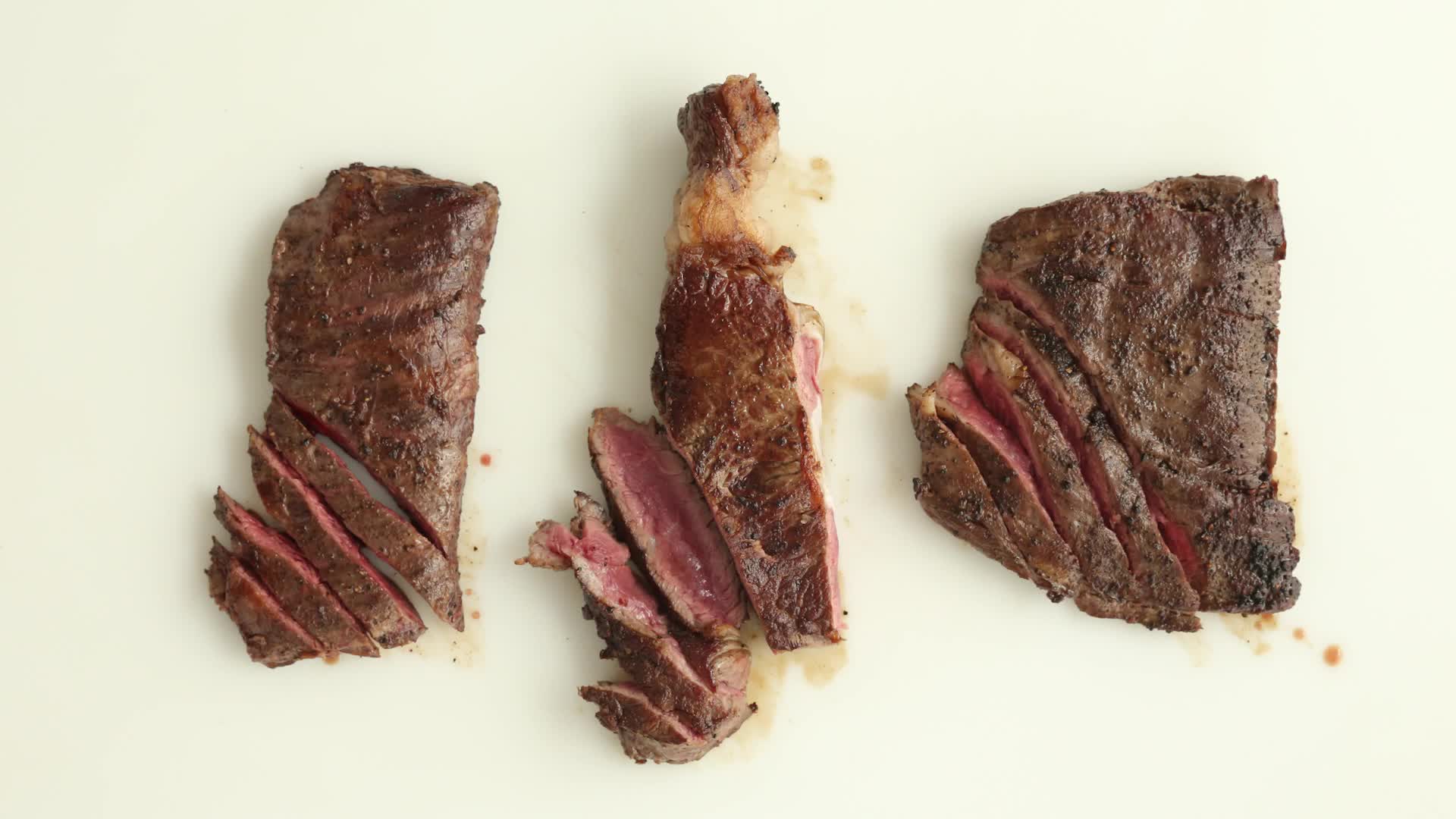
Imagine yourself after a day exploring the vibrant streets of New York City, perhaps staying at a luxurious hotel like the The Plaza or a charming boutique stay in the West Village. You’ve indulged in the city’s unparalleled culinary scene, sampled street food from Katz’s Delicatessen, and perhaps even enjoyed a fine dining experience that featured a perfectly cooked steak. Now, you’re inspired to recreate that magic at home. The New York strip, named after the very city that epitomizes urban sophistication and culinary excellence, is the perfect choice. It’s a steak that evokes the spirit of adventure, a taste of the good life that you might seek on a luxury travel excursion.
The Art of the Cut: Precision and Purpose
Cutting a steak isn’t just about dividing it into smaller pieces; it’s about respecting the meat, understanding its grain, and presenting it in a way that maximizes its inherent tenderness and flavor. A properly cut steak makes each bite more enjoyable and can even enhance the perceived quality of the dish. This meticulous approach mirrors the care taken in selecting the right accommodation for a memorable trip, or the detailed planning that goes into exploring a new destination.
Understanding the Anatomy of the New York Strip
Before you wield your knife, it’s crucial to understand the New York strip steak itself. Also known as the Kansas City strip, the top loin, or the strip loin, this cut comes from the short loin primal. It’s characterized by its relatively firm texture and a good amount of marbling – those little flecks of fat that melt during cooking, imparting incredible flavor and juiciness. A key feature is the band of fat that runs along one edge. This fat cap, when rendered properly, adds a delightful richness.
The muscle fibers within the steak run in a specific direction, known as the “grain.” Identifying the direction of the grain is paramount to achieving tender slices. Cutting against the grain (perpendicular to the muscle fibers) shortens these fibers, making the steak much easier to chew and thus, more tender. Cutting with the grain, conversely, results in tougher, chewier pieces. Think of it like pulling apart taffy; you want to pull it in the direction that yields the easiest separation. This attention to detail is akin to a seasoned traveler meticulously researching the best way to navigate public transport in a foreign city, ensuring a smooth and enjoyable journey, much like how a well-cut steak enhances a culinary experience.
Essential Tools for the Perfect Cut
To achieve the best results, you’ll need a few essential tools. The most important is a sharp knife. A good chef’s knife or a dedicated carving knife is ideal. A dull knife will crush the meat fibers, leading to a less appealing texture and squeezing out precious juices. Think of your knife as a precision instrument, much like the finely tuned cameras photographers use to capture the grandeur of natural landmarks or the intricate details of architecture.
- Sharp Chef’s Knife or Carving Knife: This is non-negotiable. A sharp blade ensures clean cuts and preserves the steak’s integrity.
- Cutting Board: A sturdy, large cutting board provides a stable surface and protects your countertops. Wood or high-quality plastic boards are excellent choices.
- Serving Platter: Once cut, you’ll want a beautiful platter to present your perfectly sliced steak, perhaps one reminiscent of the artisanal ceramics you might find in a local market during your travels to Italy.
The act of preparing and cutting a steak can be a relaxing ritual, a moment of mindfulness that’s a vital part of a balanced lifestyle. It’s about taking pride in the process, much like you’d take pride in planning a detailed itinerary for a family trip to Disneyland or ensuring every amenity is perfect in your chosen resort in Maui.
The Cutting Process: Step-by-Step Perfection
Achieving perfectly sliced New York strip steak is a straightforward process when you follow these steps. Each stage is designed to enhance the final presentation and enjoyment of this exquisite cut of meat.
1. Resting the Steak: The Crucial Prelude
After cooking your New York strip steak to your desired doneness, allowing it to rest is arguably the most critical step before cutting. This allows the juices, which have been driven to the center of the steak during the high-heat cooking process, to redistribute evenly throughout the meat. If you cut into the steak too soon, these juices will simply run out onto the cutting board, leaving you with a dry steak and a messy surface.
- Duration: For a steak of typical thickness (around 1-1.5 inches), aim for a resting period of 5-10 minutes. For thicker cuts, you might extend this to 10-15 minutes.
- Method: Transfer the steak from the heat to a clean plate or cutting board. Loosely tent it with aluminum foil. This keeps it warm without steaming it, which can soften the crust you worked hard to achieve.
This resting period is akin to the decompression time needed after a long flight to a far-flung country, allowing your body and mind to adjust. It’s a pause that ensures the subsequent experience – the enjoyment of the perfectly rested and cut steak – is as delightful as possible. It speaks to the importance of preparation and patience, qualities that serve travelers and home cooks alike, and are often highlighted in travel guides to exotic locales.
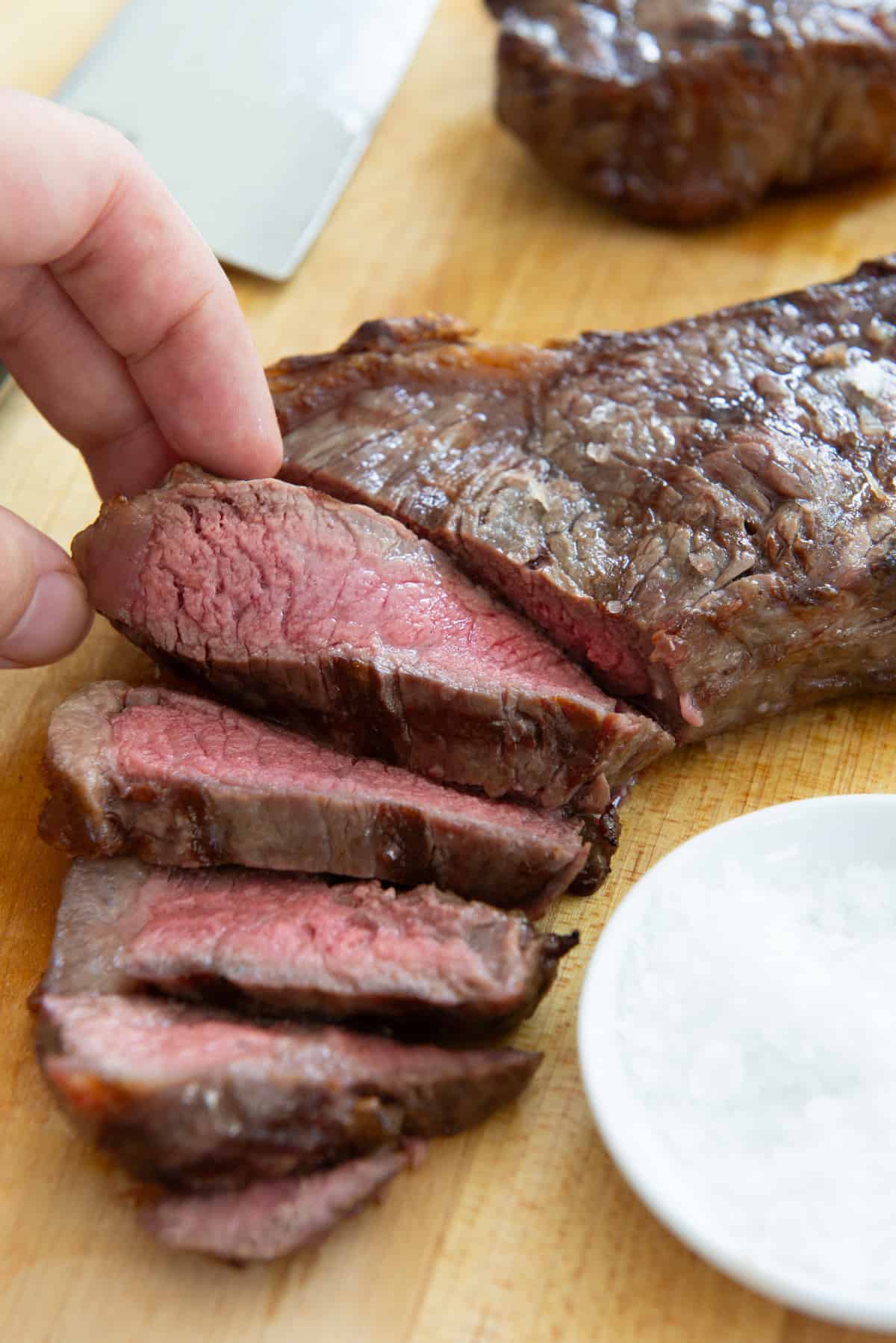
2. Identifying the Grain
Once your steak has rested, it’s time to get down to the cutting itself. The next crucial step is to orient yourself with the grain of the meat. Look closely at the surface of the steak. You will see lines – these are the muscle fibers. They will run in a particular direction. This direction is the grain.
- Visual Inspection: Turn the steak around and examine it from all angles. The grain is usually most apparent on the surface and can sometimes be seen even through the cooked crust.
- Tactile Feel: You can also gently press the steak with your fingers to feel the direction of the fibers, though visual inspection is typically sufficient.
Understanding the grain is like understanding the subtle nuances of a local dialect when traveling to Spain. It’s the key to unlocking a deeper appreciation and a more harmonious experience. If you were exploring the ancient ruins of Machu Picchu, knowing the right path to take is essential for an enriching visit.
3. The Slice: Against the Grain is Key
With the grain identified, you can now begin slicing. The most important rule here, as mentioned earlier, is to always cut against the grain. This means your knife should be moving perpendicular to the direction of the muscle fibers.
- Angle: Aim for slices that are about ¼ to ½ inch thick. The thickness can be adjusted based on personal preference and how the steak is to be served. For example, if you plan to use the steak in a stir-fry or on sandwiches, thinner slices might be preferred.
- Technique: Place your knife at one end of the steak, perpendicular to the grain, and use a smooth, sawing motion. Avoid pressing down too hard, which can compress the meat. Let the sharp knife do the work.
- Fat Cap: If your New York strip has a prominent fat cap along one edge, you have a couple of options. Some prefer to trim it before cooking, while others enjoy its rendered richness. If it’s still attached and quite thick, you might consider scoring it lightly before cooking or trimming some of it off before slicing, to make for easier eating. However, many enjoy the flavor it imparts.
The act of slicing a steak with precision can be as satisfying as navigating a complex set of directions to a hidden gem in Paris or finding the perfect apartment for a long-term stay in a new city. It requires focus, intention, and a respect for the process. The resulting neat, uniform slices are a testament to this care, mirroring the beautiful presentation of a meticulously curated meal in a fine-dining establishment, perhaps one you discovered during a food tour in Mexico City.
Serving and Enjoying Your Masterpiece
Once your New York strip steak is expertly sliced, it’s ready to be the star of your meal. The way you serve it can further enhance the dining experience, much like the choice of hotel amenities can elevate a stay.
Presentation Matters
The visual appeal of your food plays a significant role in its enjoyment. Arrange the slices of New York strip steak artfully on a warm serving platter. You can fan them out, overlap them slightly, or present them in a neat stack. Consider drizzling any accumulated resting juices over the slices to add extra moisture and flavor.
- Garnishes: A sprinkle of fresh herbs like parsley or chives can add a touch of color and freshness. A pinch of flaky sea salt or a grind of black pepper can also enhance the flavor profile.
- Accompaniments: Think about what you’ll serve alongside your steak. Classic pairings like roasted potatoes or a fresh green salad are always excellent choices. For a more elaborate meal, consider a rich demi-glace or a creamy béarnaise sauce. The ideal accompaniment can transform a good meal into a truly memorable occasion, much like the unique experiences a travel destination offers.
Pairing with Beverages
To truly complete the dining experience, consider a beverage pairing. A robust red wine, such as a Cabernet Sauvignon, Merlot, or a bold Zinfandel, is a classic and excellent choice for a New York strip steak. The tannins in these wines complement the richness of the beef. For those who prefer spirits, a good whiskey or a classic cocktail can also be a delightful match.
This thoughtful approach to dining is often a highlight of tourism, where the local food and drink are as much a draw as the famous landmarks. Whether you’re in the vineyards of Napa Valley or a cozy pub in Ireland, the right pairing elevates the entire meal, making it a story to tell, much like recounting adventures from your travels.

Lifestyle and Culinary Travel
Mastering the art of cutting a New York strip steak connects us to a broader appreciation of food and the experiences surrounding it. It’s a skill that can be honed whether you’re at home in your own kitchen or perhaps even in a rented villa during a vacation. Imagine preparing a steak after a day of exploring the vibrant markets and historic sites of Florence, or enjoying it at a secluded resort in the Caribbean.
This practice embodies elements of lifestyle choices, whether it’s the sophisticated enjoyment of a well-cooked meal that’s part of a luxury travel itinerary or the satisfying accomplishment of preparing a delicious meal on a budget travel adventure. It’s about savouring the moment, appreciating quality, and understanding the techniques that bring culinary pleasure. It’s a skill that adds a layer of richness to both your home cooking and your travel adventures, making every bite a celebration of flavor and a reminder of delightful experiences, whether they happened in your dining room or at a scenic viewpoint overlooking the Grand Canyon. By taking the time to learn and apply these simple cutting techniques, you elevate not just the steak, but the entire dining experience, bringing a touch of culinary expertise to your table, no matter where that table may be.