
While the title “How To Drain Spa?” might conjure images of a plumbing emergency or a rather mundane task, in the context of travel, luxury accommodations, and maintaining the pristine experience of a spa, it delves into a surprisingly nuanced area. Whether you’re a discerning traveler seeking to understand the upkeep of the indulgent facilities you encounter, a property owner invested in providing top-tier spa experiences, or simply someone curious about the operational aspects of a high-end retreat, mastering the art of spa drainage is crucial. It’s not just about getting rid of water; it’s about hygiene, system longevity, and preserving the tranquil ambiance that defines a luxury spa.
This guide will explore the various facets of spa drainage, from the fundamental mechanisms within a typical spa setting to the specialized considerations for different types of spa facilities and the broader implications for the travel and hospitality industry. We’ll uncover why proper drainage is more than just a functional necessity; it’s an integral component of the guest experience, contributing significantly to the overall appeal and perceived value of any destination or accommodation that boasts spa services.
Understanding the Essentials of Spa Drainage Systems
At its core, effective spa drainage is about efficient water removal. This applies to a wide range of spa features, from personal jetted tubs in a suite at the Four Seasons Resort Orlando to the expansive hydrotherapy pools found in world-class wellness centers. The systems are designed to handle significant volumes of water, often laden with oils, salts, and other bath additives. Understanding the basic components and principles is the first step to appreciating their importance.
The Mechanics of Water Removal
Most spa drainage systems rely on a combination of gravity and mechanical pumps.
- Gravity-Fed Systems: In simpler setups, like individual bathtubs, drainage often relies on gravity. A drain plug is removed, allowing water to flow down through a trap and into the building’s plumbing system. The trap is a crucial element, designed to hold a small amount of water to prevent sewer gases from entering the spa area, thus maintaining air quality and hygiene.
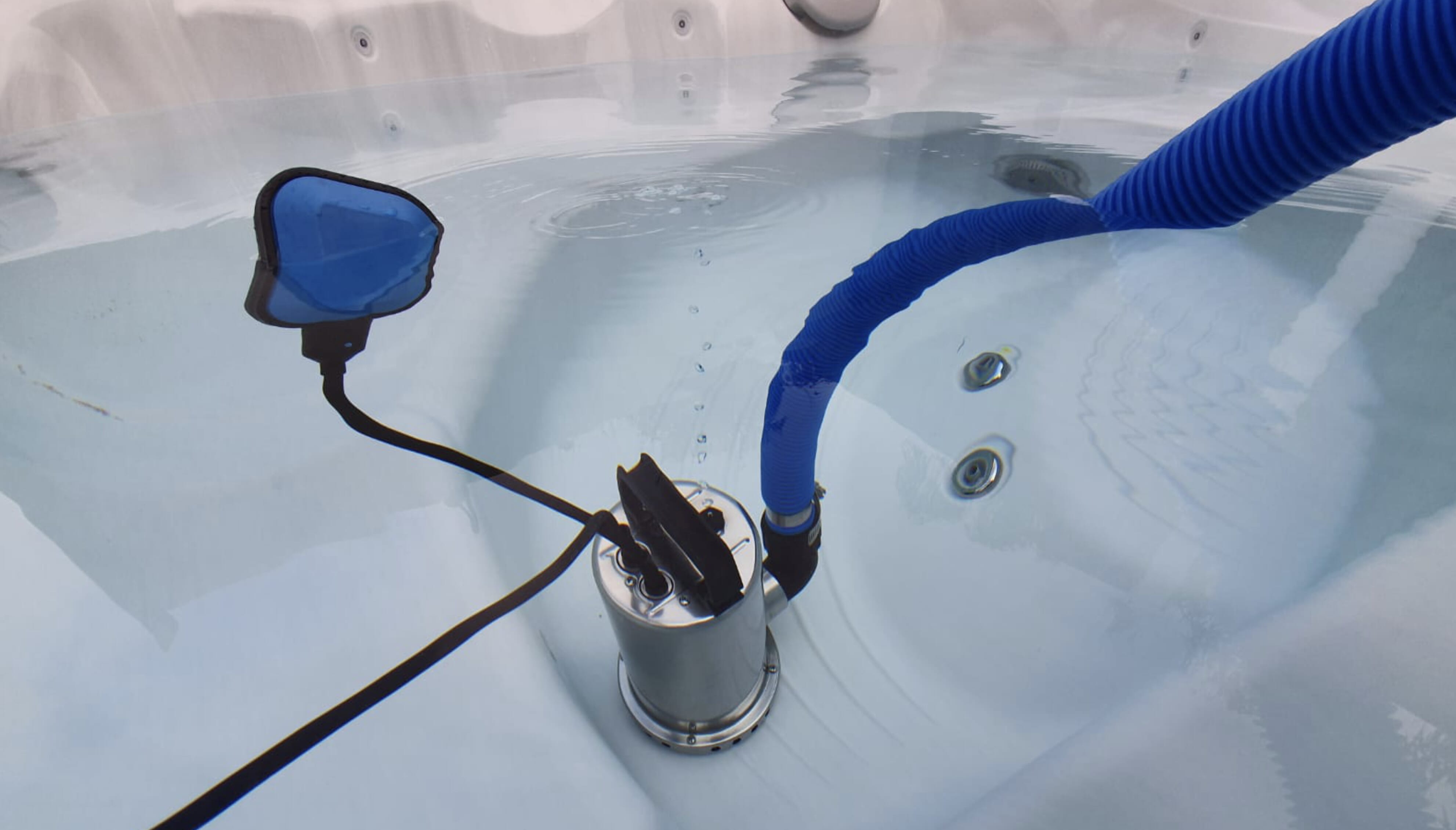
- Pump-Assisted Systems: Larger spa facilities, such as communal hot tubs, plunge pools, or specialized hydrotherapy basins, typically require more robust solutions. These often incorporate powerful pumps to move water efficiently from the basin to a drainage point or a filtration system. These pumps are essential for rapid emptying, which is necessary for regular cleaning and maintenance, especially in high-traffic areas like a resort spa in Bali.
- Filtration and Recirculation Systems: In many modern spas, water isn’t just drained and discarded. Instead, it’s continuously filtered and recirculated to maintain cleanliness and temperature. When it’s time to completely drain these systems for deep cleaning or maintenance, a specific drainage protocol is followed, often involving specific valves and pump settings to isolate and empty the relevant sections. This is common in the extensive aquatic facilities at a resort like The Ritz-Carlton, Kyoto.
Materials and Design Considerations
The materials used in spa drainage systems are chosen for their durability, resistance to corrosion, and ability to withstand a variety of water conditions.
- Pipes and Fittings: Typically, PVC (polyvinyl chloride) or ABS (acrylonitrile butadiene styrene) pipes are used for their resistance to chemicals and water. Stainless steel is often preferred for visible components like drain covers and overflow grates, especially in luxury settings, to ensure longevity and a premium aesthetic.
- Sealing and Gaskets: Proper sealing is paramount to prevent leaks. High-quality rubber or silicone gaskets are used at connection points to ensure a watertight seal, crucial for preventing water damage to the spa structure and surrounding areas, particularly important in a spa located in a historic building or a delicate natural environment like Banff National Park.
- Flow Rate and Capacity: Drainage systems are engineered to handle specific flow rates. This is determined by the volume of water to be drained, the size of the spa feature, and the required emptying time. Inadequate drainage can lead to prolonged downtime for cleaning, potential waterlogging, and an unpleasant guest experience, impacting the reputation of a hotel like The Plaza Hotel in New York City.
Draining Specific Spa Features: Practical Applications
The process of draining a spa isn’t monolithic. Different types of spa features present unique challenges and require tailored approaches. Understanding these distinctions is vital for maintenance staff and also provides travelers with a deeper appreciation for the meticulous care that goes into maintaining these tranquil havens.
Individual Jacuzzi Tubs and Soaking Pools
For the typical jacuzzi tub found in a hotel suite or a private villa, the drainage process is usually straightforward, mirroring that of a standard bathtub but with a few spa-specific considerations.

- Preparation: Ensure all jets are off and the water has cooled to a safe temperature. Remove any bath accessories, such as bath bombs or essential oils, as these can clog drains or damage filters.
- Opening the Drain: Locate the drain plug, which might be a pop-up stopper operated by a lever, a screw-in plug, or a simple lift-and-turn mechanism. Ensure it is fully open.
- Addressing Jetted Tubs: For tubs with jets, the internal plumbing can be more complex. While the main drain handles the bulk of the water, residual water may remain in the jet system. Many jetted tubs have a separate, smaller drain or vent designed to clear these lines. This often involves running the jets for a short period after the main drain is open to help push remaining water out. Some advanced systems might even have a cleaning cycle that includes water circulation through the jets and then drainage.
- Overflow Drain: Most tubs have an overflow drain located near the top rim. This is a safety feature to prevent the tub from overflowing. It also contributes to drainage, particularly as the water level drops.
- Deep Cleaning: After draining, the tub should be cleaned. This typically involves wiping down the surfaces, cleaning the jets, and ensuring the drain is free of debris. For units in luxury accommodations like a suite at Banyan Tree Phuket, meticulous cleaning is standard practice.
Communal Hot Tubs, Plunge Pools, and Hydrotherapy Baths
The drainage of larger, shared spa facilities is a more involved process, often requiring specialized equipment and adherence to strict hygiene protocols, especially in destinations popular for their wellness tourism, like Iceland with its geothermal spas.
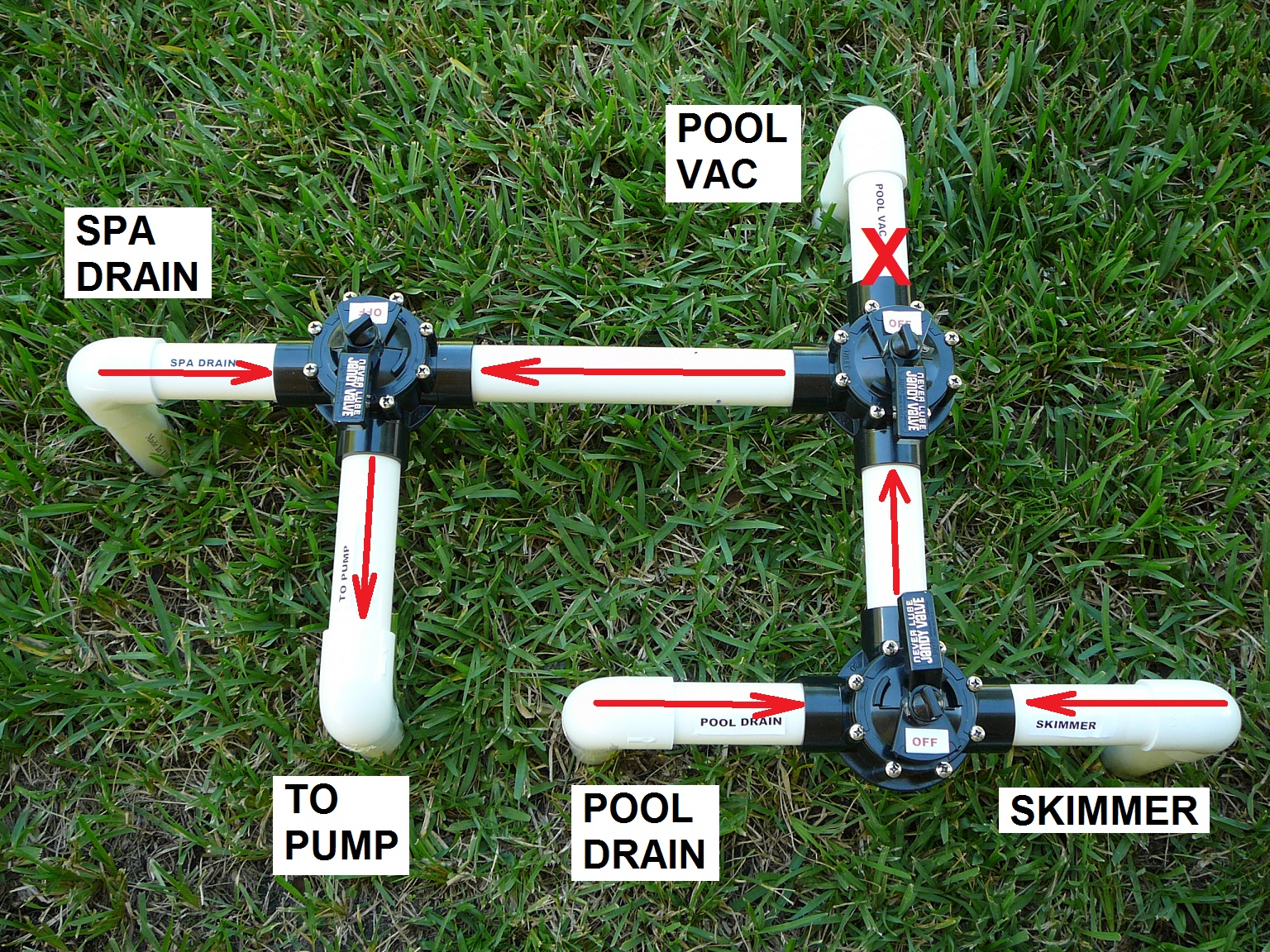
- Isolating the System: The first step is to isolate the spa feature from the main water supply and any recirculating filtration systems. This is typically done via shut-off valves.
- Draining the Water: Depending on the size and design, this might involve opening a large main drain connected to a gravity system, or more commonly, activating powerful pumps to force the water out through dedicated drainage pipes. These pipes lead to a suitable discharge point, which could be a dedicated wastewater system or a pre-approved site for water disposal, respecting local environmental regulations.
- Cleaning and Sanitization: Once emptied, these larger pools require thorough cleaning and sanitization. This often involves brushing down surfaces, scrubbing tile and grout, and then applying appropriate cleaning and disinfecting agents. The entire system, including filters and pumps, is usually flushed and cleaned.
- Refilling and Reheating: After cleaning, the pool is refilled with fresh water. The process of reheating the water to the desired temperature can take several hours, depending on the volume and the heating system’s capacity. For a resort catering to discerning guests, like The Mulia Resort & Villas Nusa Dua, maintaining consistent water temperature is paramount.
- Professional Maintenance: For commercial spas, especially those operating in a resort environment or as standalone wellness centers like Anantara Spa, this drainage and cleaning process is usually carried out by trained maintenance staff or specialized cleaning companies. They follow a schedule that might involve daily partial drainage and cleaning, with complete draining and deep cleaning performed weekly or bi-weekly, depending on usage and local health regulations.
Specialized Spa Equipment: Steam Rooms and Saunas
While not involving water drainage in the same way as a tub or pool, steam rooms and saunas also have drainage considerations to prevent moisture buildup and maintain hygiene.
- Steam Rooms: Steam rooms generate significant humidity. The floor of a steam room is typically sloped towards a drain to remove condensation and any spilled water. This drain is essential to prevent standing water, which can lead to mold and mildew growth. It’s vital that this drain is kept clear, as a blocked drain can compromise the hygiene and operational integrity of the steam room, impacting the experience for guests at a luxury hotel in Dubai.
- Saunas: Traditional Finnish saunas, which use dry heat, don’t typically involve direct water drainage. However, any water splashed onto the hot stones for steam is managed by the ventilation system and natural evaporation. The floor, often made of wood, needs to be kept dry to prevent rot and maintain a pleasant environment. Periodic deep cleaning might involve washing down the floor, with any accumulated water then managed through standard room drainage.
The Broader Impact: Hygiene, Maintenance, and Guest Experience
The seemingly simple act of draining a spa is intrinsically linked to the overall success of any hospitality establishment that offers such amenities. It impacts everything from guest satisfaction and health to operational costs and the lifespan of expensive equipment. This is a critical aspect of the lifestyle offering that many travelers seek, whether on a budget trip or a luxury escape.
Maintaining Pristine Hygiene and Health Standards
- Preventing Bacterial Growth: Stagnant water is a breeding ground for bacteria, mold, and other microorganisms. Regular and complete drainage, followed by proper cleaning and sanitization, is the most effective way to prevent the proliferation of these harmful agents. This is especially critical in public spa areas where multiple guests use the facilities.
- Water Quality: For spas that recirculate water, draining and refilling are essential parts of the water management cycle. This ensures that water treatment chemicals remain effective and that the water quality consistently meets health and safety standards. Guests expect a spa to be a sanctuary of well-being, and clean water is fundamental to that promise.
- Odor Control: Improper drainage can lead to the buildup of organic matter and bacteria, resulting in unpleasant odors that can quickly detract from the spa experience. A well-maintained drainage system ensures that the spa environment remains fresh and inviting.
Longevity of Spa Equipment and Infrastructure
- Corrosion Prevention: While spa fixtures are made from durable materials, prolonged exposure to stagnant water, especially if it contains dissolved minerals or chemicals, can accelerate corrosion and wear. Regular draining allows components to dry out, reducing this risk.
- System Efficiency: Blocked drains or inefficient drainage can put a strain on pumps and filtration systems, leading to premature wear and tear. Ensuring clear and efficient drainage channels helps these systems operate optimally, extending their lifespan and reducing maintenance costs for the property.
- Structural Integrity: Leaks from poorly maintained drainage systems can cause significant damage to the spa structure, flooring, and surrounding building elements. This can lead to costly repairs and business interruptions, affecting the guest experience at a hotel in a popular tourist city like Rome.
Enhancing the Luxury Travel Experience
- Perceived Value: For travelers seeking luxury, the state of the spa facilities is a significant indicator of the overall quality of the accommodation. A clean, well-maintained spa, evidenced by efficient and odorless drainage, contributes significantly to the perceived value and exclusivity of the experience. This is true whether the spa is a small private facility at a boutique hotel in Paris or an extensive wellness complex at a grand resort.
- Guest Satisfaction and Reviews: Positive guest reviews often highlight exceptional spa experiences. Conversely, issues related to hygiene or the functional performance of spa facilities can lead to negative feedback, impacting a property’s reputation and future bookings. The attention to detail in maintaining drainage systems directly contributes to guest satisfaction.
- Operational Efficiency: While draining and cleaning are necessary tasks, efficient systems and well-trained staff can minimize the downtime of spa facilities. This ensures that these amenities are available to guests as much as possible, maximizing the return on investment for the property and enhancing the overall lifestyle offering of the destination.
In conclusion, the “how-to drain spa” question, while appearing simple, encompasses a vital aspect of maintaining high-quality spa facilities within the travel and hospitality industry. It’s a testament to the intricate operational details that underpin luxurious and healthy travel experiences. From the individual traveler enjoying a private jetted tub to the resort manager overseeing communal hydrotherapy pools, understanding the importance and methodology of spa drainage reveals a deeper appreciation for the dedication to guest well-being and operational excellence.