
While the allure of Texas often conjures images of sprawling ranches, vibrant music scenes in Austin, and the culinary delights of Houston, there’s a robust business landscape that underpins these attractions. For entrepreneurs looking to tap into the Lone Star State’s economic dynamism, understanding how to establish a Limited Liability Company (LLC) is a crucial first step. This guide will walk you through the essential stages of forming an LLC in Texas, ensuring your venture is set up for success, whether you’re offering luxury travel experiences in the Hill Country or managing unique accommodations near Galveston.
Understanding the Texas LLC: A Foundation for Business Growth
An LLC, or Limited Liability Company, is a popular business structure that offers a blend of liability protection for its owners and pass-through taxation. This means that the business itself is not taxed separately from its owners. Instead, profits and losses are passed through to the owners and reported on their personal income tax returns. This structure is particularly attractive for small businesses and startups, allowing them to operate with the flexibility of a partnership or sole proprietorship while enjoying the legal shield of a corporation. In Texas, the process is overseen by the Texas Secretary of State.
Why Choose an LLC in Texas?
The decision to form an LLC in Texas is often driven by several key advantages:
- Limited Liability Protection: This is the cornerstone benefit. By forming an LLC, you create a legal distinction between your personal assets and your business debts and liabilities. If your business incurs debt or faces a lawsuit, your personal assets, such as your home, car, or personal savings, are generally protected from creditors or legal claims. This is a significant advantage over sole proprietorships or general partnerships where personal assets are at risk.
- Pass-Through Taxation: As mentioned, LLCs typically benefit from pass-through taxation. This avoids the “double taxation” that can occur with C-corporations, where profits are taxed at the corporate level and again when distributed to shareholders. This can lead to a simpler and more efficient tax structure for business owners.
- Flexibility in Management and Operations: Texas LLCs offer considerable flexibility in how they are managed. They can be member-managed, where all owners participate in the day-to-day operations, or manager-managed, where one or more designated managers (who may or may not be members) handle the responsibilities. This flexibility allows you to tailor the management structure to your specific business needs, whether you are coordinating group tours to the Alamo or managing a portfolio of boutique hotels.
- Credibility and Professionalism: Operating as an LLC can lend an air of professionalism and legitimacy to your business. It signals to customers, suppliers, and potential investors that you are serious about your venture and have taken steps to establish a formal business entity. This can be particularly beneficial in competitive sectors like tourism and hospitality, where trust and reliability are paramount.
- Ease of Formation and Maintenance: Compared to corporations, forming and maintaining an LLC in Texas is generally less complex and bureaucratic. While there are still legal requirements to meet, the ongoing administrative burdens are typically lighter.
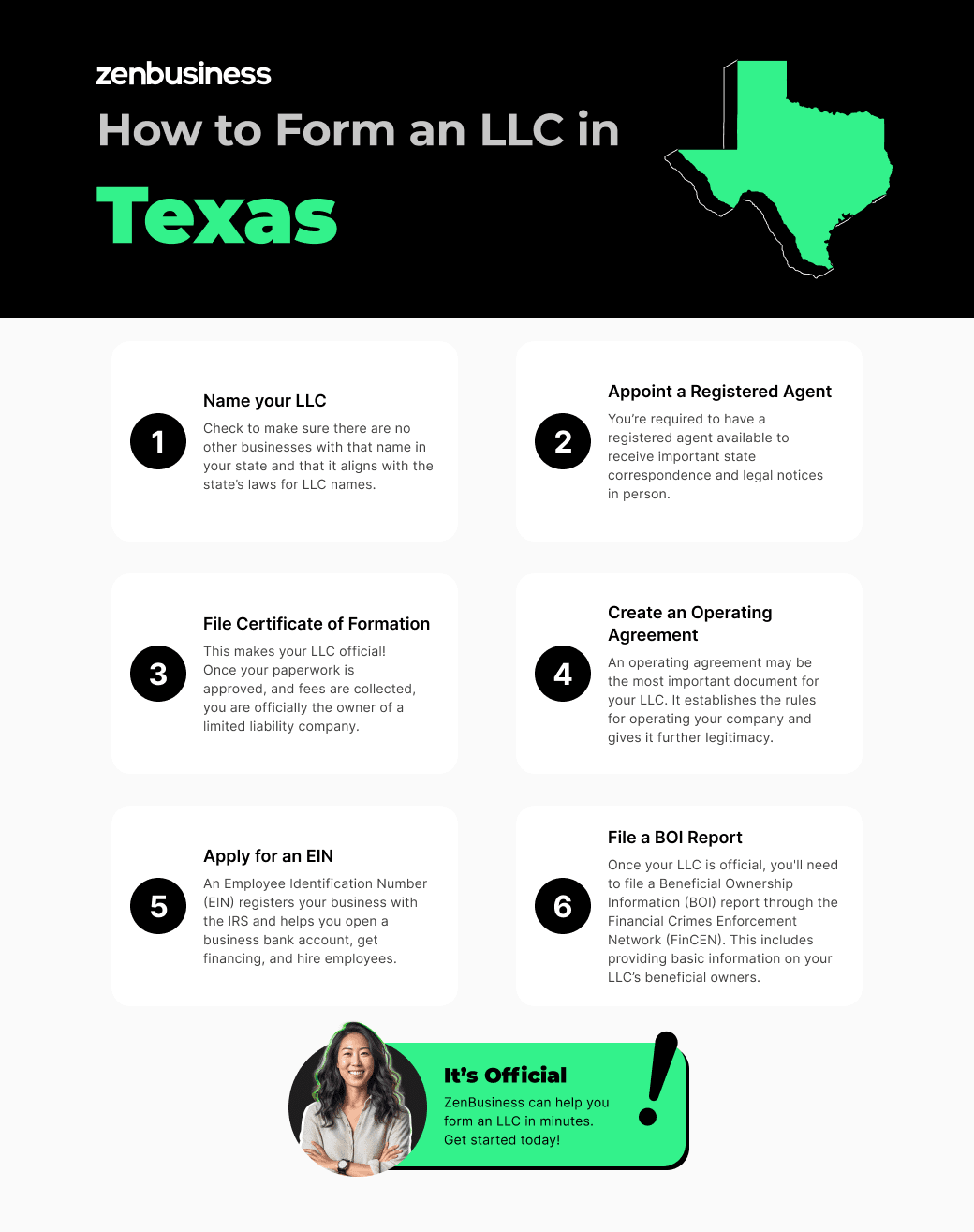
The Essential Steps to Establishing Your Texas LLC
Forming an LLC in Texas involves a series of deliberate steps. It’s a process that requires attention to detail to ensure compliance with state regulations.
Step 1: Choose a Business Name and Ensure Availability
Your LLC’s name is its identity. It’s crucial to select a name that is not only memorable and relevant to your business but also legally available for use in Texas. The Texas Secretary of State requires that your LLC name be distinguishable from other registered business entities in the state.
- Naming Conventions: Your chosen name must include a designator that indicates it is an LLC. Common options include “Limited Liability Company,” “LLC,” or “L.L.C.” You cannot use words like “Corporation,” “Inc.,” or “Limited Partnership” in your LLC name.
- Name Search: Before you commit to a name, it’s highly recommended to conduct a business name search on the Texas Secretary of State’s website. This will allow you to verify if your desired name is already in use. You can also reserve a name for a limited period if you are not ready to file your formation documents immediately.
- Domain Name and Social Media: Beyond state requirements, consider the availability of a corresponding domain name for your website and social media handles. In the digital age, this is an integral part of your brand identity, especially for businesses catering to travelers seeking unique experiences, perhaps a charming bed and breakfast near the San Antonio Riverwalk or an adventurous expedition through Big Bend National Park.
Step 2: Designate a Registered Agent
Every LLC in Texas must have a registered agent. This is a person or business entity that agrees to accept legal documents (like service of process in a lawsuit) on behalf of your LLC. The registered agent must have a physical street address in Texas (not a P.O. Box) and be available during normal business hours to receive these important notices.

- Who Can Be a Registered Agent?
- An individual resident of Texas.
- A business entity authorized to do business in Texas.
- Choosing Wisely: You can serve as your own registered agent if you meet the requirements and have a suitable address. However, many businesses opt for a professional registered agent service. This ensures that legal documents are always received promptly, especially if you are frequently traveling for your business, perhaps scouting new destinations in Mexico or Canada, or if your primary operations are digital. It also provides an additional layer of privacy, as your personal address won’t be publicly listed as the registered agent’s address.
Step 3: File the Certificate of Formation
This is the official document that creates your LLC in Texas. The Certificate of Formation (often referred to as Articles of Organization in other states) is filed with the Texas Secretary of State.
- Key Information Required: The Certificate of Formation typically requires the following information:
- The name of your LLC.
- The name and Texas street address of your registered agent.
- The principal office address of your LLC.
- The management structure of your LLC (member-managed or manager-managed).
- The name and address of each organizer (the person filing the document).
- Filing Process: You can typically file the Certificate of Formation online through the Texas Secretary of State’s website, by mail, or in person. There is a filing fee associated with this process. It is crucial to ensure all information is accurate and complete to avoid delays.
Step 4: Create an LLC Operating Agreement
While not a mandatory filing with the state of Texas, an Operating Agreement is a vital internal document for your LLC. It outlines the ownership, operating procedures, and member responsibilities of your company. Think of it as the internal rulebook for your LLC.
- Purpose and Importance: An Operating Agreement is crucial for:
- Defining Ownership Percentages: Clearly states each member’s ownership stake in the LLC.
- Outlining Member Responsibilities: Details the roles and duties of each member or manager.
- Establishing Profit and Loss Distribution: Specifies how profits and losses will be allocated among members.
- Detailing Decision-Making Processes: Explains how major business decisions will be made.
- Governing Member Admission and Withdrawal: Sets out procedures for adding new members or what happens when a member leaves the company.
- Dissolution Procedures: Outlines how the LLC will be dissolved if necessary.
- Legal Protection: Having a well-drafted Operating Agreement can help prevent disputes among members and reinforces the separation between the LLC and its owners, further strengthening the limited liability protection. This is especially important as your business grows, perhaps expanding its offerings from budget travel packages to luxury villa rentals in Plano.
Ongoing Compliance and Business Management
Once your LLC is established, there are ongoing responsibilities to maintain its good standing and ensure continued compliance.
Maintaining Compliance with State Requirements
- Texas Franchise Tax: Most LLCs in Texas are subject to the annual franchise tax. However, many small businesses, especially those with revenue below a certain threshold, may be exempt. It’s essential to check the current exemption requirements with the Texas Comptroller of Public Accounts.
- Annual Reports: Unlike some other states, Texas does not require LLCs to file annual reports. However, you must file a franchise tax report if you owe franchise tax.
- Business Licenses and Permits: Depending on the nature of your business and its location within Texas, you may need to obtain various federal, state, and local licenses and permits. For instance, if your LLC operates hotels or offers guided tours in Dallas, you’ll need to investigate specific hospitality or tourism-related permits. If you’re focusing on online travel booking for international destinations like Italy or France, your licensing needs might differ.

Setting Up Your Business Finances
- Obtain an Employer Identification Number (EIN): If your LLC has more than one member or plans to hire employees, you will need to obtain an EIN from the Internal Revenue Service (IRS). Even if not strictly required, an EIN is useful for opening a business bank account and establishing your business credit.
- Open a Dedicated Business Bank Account: It is crucial to keep your business finances separate from your personal finances. This means opening a dedicated business bank account for your LLC. Using a separate account is fundamental to maintaining the integrity of your limited liability protection. Commingling funds can blur the lines between personal and business assets, potentially jeopardizing your liability shield. This is a best practice, whether you’re managing bookings for a resort in the Texas Hill Country or offering adventure tours in Colorado.
- Record Keeping: Maintain accurate and organized financial records, including income, expenses, invoices, and receipts. This is essential for tax purposes, for tracking your business’s financial health, and for demonstrating compliance if ever audited.
By diligently following these steps and understanding your ongoing responsibilities, you can successfully establish an LLC in Texas and lay a strong legal and financial foundation for your entrepreneurial endeavors. Whether your business focuses on the rich history of San Antonio, the vibrant culture of New Orleans, or the natural beauty of the Grand Canyon, a properly formed LLC in Texas provides the structure and protection needed to thrive.