
Embarking on a new chapter in the Golden State is a dream for many, drawn by its vibrant culture, diverse landscapes, and unparalleled opportunities. Whether you’re seeking to embrace the laid-back coastal lifestyle, dive into the bustling innovation hubs, or find serenity amidst majestic national parks, establishing residency in California is your gateway to making this dream a reality. More than just changing your address, it signifies a commitment to integrating into the fabric of one of the most dynamic states in the United States. This comprehensive guide delves into the essential steps, practical considerations, and unique lifestyle advantages of becoming a bona fide California resident, ensuring a smooth transition into your new life.
The Allure of the Golden State: Why Establish California Residency?
California is not merely a geographic location; it’s a global icon of innovation, natural splendor, and a myriad of lifestyles. From the tech giants of Silicon Valley to the sun-drenched beaches of Southern California, and from the towering redwoods of the north to the arid beauty of its deserts, the state offers an incredible spectrum of experiences. For those considering a long-term stay or a permanent move, establishing residency unlocks a host of benefits, including in-state tuition rates for public universities, access to comprehensive state services, and the full ability to participate in its civic life. Beyond the administrative advantages, becoming a resident means truly immersing yourself in a culture that values diversity, wellness, and an adventurous spirit.
A Lifestyle Unmatched: Beyond the Beach
The lifestyle in California is often synonymous with sunshine, surf, and celebrity. While the iconic beaches of Malibu, Santa Monica, and Laguna Beach certainly contribute to its allure, the state offers far more than just coastal charm. Los Angeles presents a sprawling metropolis of entertainment, art, and culinary innovation, from the glitz of Hollywood to the vibrant food scene of Koreatown. San Francisco captivates with its Victorian architecture, world-class dining, and panoramic views from landmarks like the Golden Gate Bridge and Alcatraz Island. Further south, San Diego offers a more relaxed pace, famed for its craft breweries, historic Old Town, and the sprawling Balboa Park.
For families, the state boasts attractions like Disneyland Resort and numerous family-friendly museums and parks. Adventure seekers can indulge in luxury travel experiences like wine tasting tours in Napa Valley or exploring the dramatic landscapes of Death Valley National Park. Budget travelers will find a plethora of free activities, from hiking coastal trails to exploring diverse neighborhoods. This rich tapestry of environments and activities caters to every preference, making California an ideal destination for both temporary visits and long-term commitments.
Diverse Landscapes and Experiences: From Deserts to Mountains
California’s geographical diversity is truly astounding, offering an unmatched variety of natural attractions and outdoor activities. The majestic peaks of the Sierra Nevada mountain range are home to iconic Yosemite National Park, a UNESCO World Heritage site renowned for its granite cliffs, giant sequoia groves, and breathtaking waterfalls. Nearby, Lake Tahoe offers year-round recreation, from world-class skiing in winter to boating and hiking in summer.
Along its extensive Pacific Ocean coastline, you’ll discover dramatic cliffs, serene coves, and vibrant marine life. Inland, the vast deserts, including the Mojave and Colorado Deserts, provide unique ecosystems and stunning stargazing opportunities. To the north, the ancient giants of Redwood National and State Parks offer an awe-inspiring experience among the tallest trees on Earth. This incredible natural bounty ensures that there’s always a new adventure waiting just a short drive away, making your residency not just a legal status, but a passport to endless exploration.
Foundational Steps: Demonstrating Intent to Reside
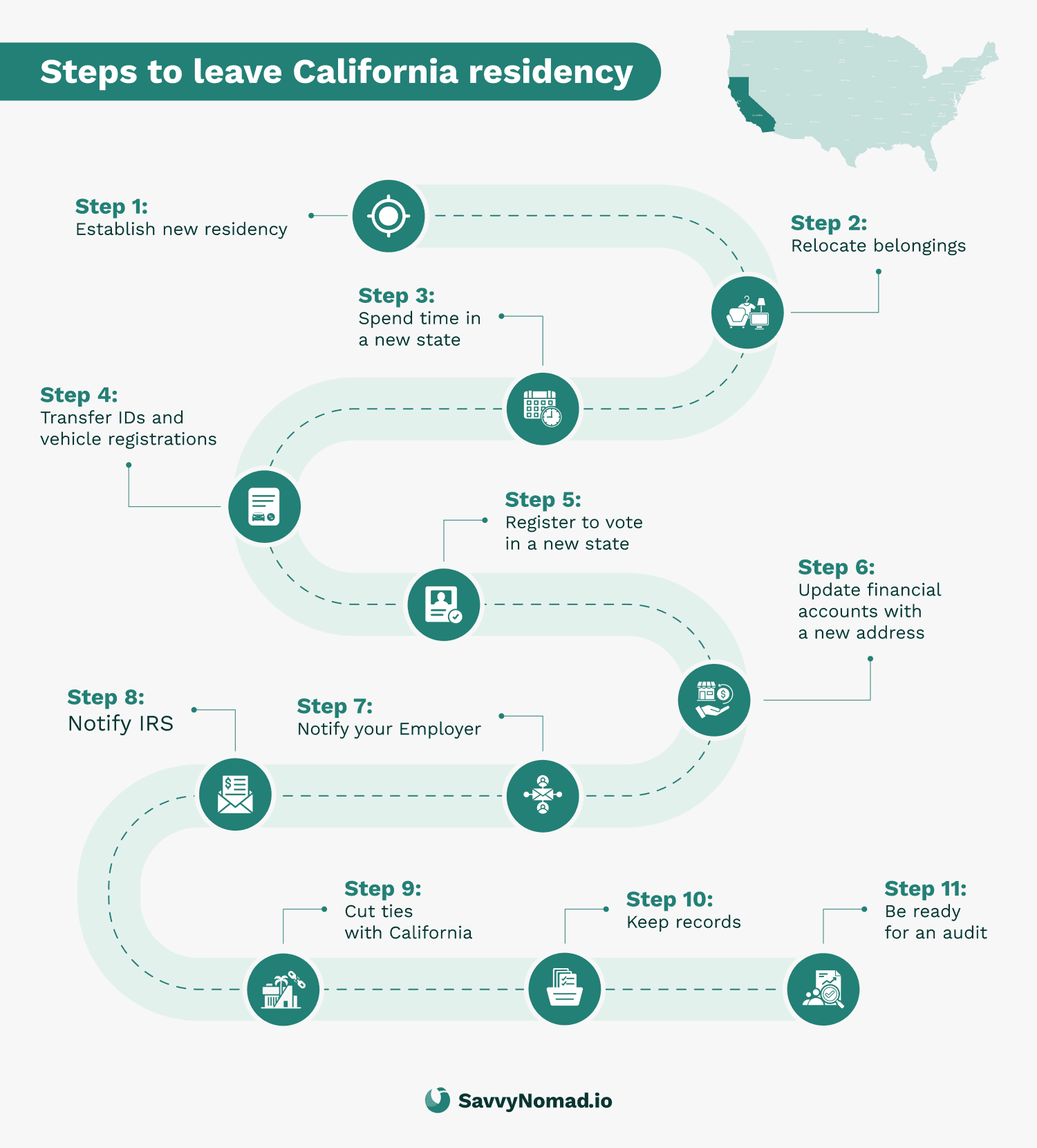
Establishing residency in California is primarily about demonstrating your clear intent to make the state your permanent home. There’s no single checklist that definitively grants residency; instead, it’s a combination of actions and documentation that collectively prove your commitment. The general rule of thumb for many purposes, such as in-state tuition or tax residency, is to be physically present in the state for more than six months and one day (183 days), coupled with overt actions that indicate your domicile. Key actions revolve around integrating your personal, financial, and civic life within the state.
Securing Your California Address: Accommodation Essentials
One of the most crucial steps in establishing residency is securing a permanent address in California. This move from temporary accommodation to a long-term housing solution signifies a major commitment.
Renting an Apartment or Home: For many, renting is the first step. This involves signing a lease agreement, which serves as strong evidence of your intent to reside. When searching for rentals, consider various neighborhoods and cities based on your lifestyle, budget, and proximity to work or schools. Platforms like Zillow, Apartments.com, and local real estate agencies are excellent resources. Be prepared for a competitive rental market, especially in major urban centers like San Francisco, Los Angeles, and San Diego.
Purchasing Property: Buying a home or condominium further solidifies your residency claim. This is a significant investment that unequivocally demonstrates your long-term intent. Engaging with a local real estate agent who understands the California market is advisable.
Temporary Accommodation during the Move: Before securing a permanent residence, you might need temporary housing. Extended-stay hotels such as Residence Inn by Marriott, Embassy Suites, Marriott Executive Apartments, or Hyatt House offer apartment-style suites with kitchenettes, which are ideal for transitional periods. Alternatively, short-term rentals through platforms like Airbnb or Vrbo can provide flexibility while you search for your ideal long-term accommodation. Look for reviews and compare amenities, especially if traveling with family or pets, to ensure a comfortable stay.
Once you have an address, set up utility services (electricity, gas, water, internet) in your name. These bills provide recurring proof of your physical presence and financial responsibility in the state.
Making It Official: Vehicle Registration and Driver’s License
Updating your vehicle and driving credentials is a critical step that carries significant weight in establishing residency.
California Driver’s License: One of the strongest indicators of residency is obtaining a California driver’s license. You generally have 10 days after establishing residency to apply for a new license. This involves providing proof of identity, residency documents (such as utility bills or lease agreements), and passing a written test and possibly a driving test. The Department of Motor Vehicles (DMV) website is your primary resource for specific requirements and scheduling appointments.
Vehicle Registration: If you move to California with an out-of-state vehicle, you must register it with the California DMV within 20 days of establishing residency. This often involves a smog inspection, paying registration fees, and potentially other documentation. It’s crucial to complete this promptly to avoid penalties and ensure your vehicle is legally compliant within the state.
Financial Footprint: Banking and Employment
Demonstrating financial ties to California is another cornerstone of proving residency.
Opening Bank Accounts: Open new bank accounts with a California institution, or transfer your existing accounts to a local branch. Using a California address for all your financial statements and credit card bills further reinforces your intent to reside.
Employment: Securing employment in California and receiving a paycheck with state tax deductions is compelling evidence. If you’re self-employed, establishing your business operations and physical address within the state will serve the same purpose. Having your employer’s address and tax filings reflecting your California residency is key.
Deepening Your Roots: Integrating into California Life
Beyond the initial administrative tasks, truly establishing residency involves integrating yourself into the local community and taking advantage of the state’s resources. This signifies a deeper commitment and further solidifies your status as a bona fide Californian.
Civic Participation and Public Services
Active participation in civic life and utilizing state services can provide additional proof of residency.
Voter Registration: Registering to vote in California is a straightforward process and a powerful declaration of your intent to be a permanent resident. You can register online, by mail, or in person at the DMV or other government agencies.
Healthcare and Professional Licenses: Transferring your medical records to a California doctor, dentist, or other healthcare providers demonstrates your long-term plans. If you hold a professional license, transferring it to California (if applicable) is another strong indicator of residency. Engaging with local services, like joining a library, participating in community programs, or even getting a pet license, all contribute to your documented presence.
Educational Opportunities and Family Considerations
For individuals and families alike, educational ties are significant markers of residency.
In-State Tuition: One of the most sought-after benefits of California residency is eligibility for in-state tuition rates at public institutions like the University of California (UC) and California State University (CSU) systems. These savings can be substantial. To qualify, students generally must prove physical presence and intent to reside for more than one year and one day prior to the residency determination date for the term they wish to enroll. This requires careful planning and documentation of all the steps outlined in this guide. Renowned private institutions like Stanford University also offer exceptional educational experiences, although their tuition structures differ.
Enrolling Children in School: If you have children, enrolling them in a California public school district is a clear demonstration of family residency. School enrollment records, along with your property or lease agreement, are strong indicators for the state.
Navigating California’s Tax Landscape
Understanding and complying with California’s tax laws is a critical aspect of establishing residency. California has one of the highest state income tax rates in the United States.
Filing State Taxes: Once you’ve established residency, you will be required to file California state income taxes. This is a definitive action that the state considers when determining your residency status. Ensure that you consult with a tax professional experienced in California tax laws to understand your obligations and ensure proper filing. The California Franchise Tax Board (FTB) provides resources and guidelines on residency and tax obligations. Your tax filings should reflect your new status and your full income earned while a resident.
Practical Tips for a Seamless Transition
Moving to a new state and establishing residency can be a complex process, but with careful planning, it can be an exciting and rewarding journey.
Temporary Stays and Long-Term Planning
Before making the full leap, consider a short-term reconnaissance trip. Explore different cities and neighborhoods that align with your lifestyle and preferences. You can utilize short-term vacation rentals or boutique hotels to get a feel for the local culture and amenities. Websites dedicated to travel and accommodation reviews can help you compare options and book stays that suit your needs.
Once you decide on a location, think about the logistics of your move. Hiring professional movers, understanding shipping costs, and planning your route if driving across the country are all crucial elements. For longer stays during the transition period, explore options like corporate housing or fully furnished apartments, often available through specialized accommodation providers. These solutions offer more space and amenities than traditional hotels, ideal for families or individuals needing a home-away-from-home.
Embracing California’s Culture and Community
Beyond the administrative requirements, truly making California your home involves immersing yourself in its unique culture. Explore local farmers’ markets, attend community events, discover hidden gems in your new neighborhood, and try the diverse array of cuisines. Whether you’re into fine dining, food trucks, or exploring local breweries, California offers an unparalleled food scene.
Join local clubs or volunteer organizations based on your interests. This is an excellent way to meet new people, build a support network, and become an active member of your community. Engaging with local culture and activities, from visiting famous places and architectural landmarks to exploring nature trails, will enrich your experience and solidify your connection to the Golden State.
Establishing residency in California is a journey that requires diligence and intentional action. By systematically addressing each of these steps, you’ll not only meet the legal requirements but also fully embrace the vibrant lifestyle and abundant opportunities that await you in this remarkable state. Welcome to California!