
Florida, often lauded as the Sunshine State, is a beacon for travelers, investors, and those seeking a vibrant lifestyle. From the pristine beaches of Miami to the theme park wonders of Orlando, and the cultural vibrancy of Tampa, its appeal is undeniable. This allure extends beyond tourism, drawing countless individuals to invest in properties, ranging from luxury resorts and boutique hotels to vacation rentals and long-term residential accommodations. For property owners and those managing accommodation services in this bustling state, understanding the legal intricacies of landlord-tenant relationships, particularly the process of eviction, is paramount. While the dream of owning a slice of Florida paradise is enticing, the reality sometimes involves navigating complex situations with tenants or guests who overstay their welcome or violate lease agreements.
The dynamic landscape of Florida real estate means that both seasoned investors and first-time property owners must be well-versed in their rights and responsibilities. Whether you own a charming villa in Naples, a high-rise apartment in Fort Lauderdale, or a vacation home in Kissimmee catering to tourists, the potential for needing to evict someone is a pertinent concern. This guide delves into the essential steps and legal framework governing evictions in Florida, framed within the context of property ownership as a lifestyle choice and a significant part of the state’s robust accommodation and tourism sectors. We aim to demystify the process, ensuring property owners can protect their investments while adhering to the letter of the law.
Understanding Florida’s Eviction Landscape
Florida’s legal framework for landlord-tenant relations is primarily governed by Florida Statutes, specifically Chapter 83, Part II, known as the Florida Residential Landlord and Tenant Act. This act outlines the rights and responsibilities of both landlords and tenants, providing a structured process for resolving disputes, including evictions. The state’s status as a top travel destination significantly impacts this landscape, as property owners often cater to a diverse range of renters, from long-term residents to short-term vacationers. Understanding the nuances between these rental types is crucial before initiating any eviction proceedings.
Key Players and Legal Frameworks
In any eviction scenario, the primary players are the landlord (or property owner/manager) and the tenant (or occupant). A landlord is typically an individual or entity that owns the property and leases it to another party. A tenant, on the other hand, is the person who occupies the property under a lease agreement, whether written or oral. The core legal framework stems from the Florida Statutes, which dictates everything from lease requirements and maintenance responsibilities to the precise steps required for a lawful eviction. This ensures that evictions are not arbitrary but follow a fair and transparent judicial process.
For instance, the law explicitly prohibits “self-help” evictions, meaning a landlord cannot forcibly remove a tenant, change locks, shut off utilities, or engage in any action designed to make the premises uninhabitable to compel a tenant to leave. Such actions are illegal and can lead to severe penalties for the landlord, including financial damages awarded to the tenant. The process must always go through the courts, underscoring the importance of understanding and meticulously following legal procedures. This protective aspect of the law is designed to prevent abuses and maintain peace, which is vital in a state heavily reliant on its hospitality and accommodation reputation.
Differentiating Tenant Types and Their Implications
The nature of the tenancy significantly influences the eviction process. Florida broadly recognizes two main categories that are relevant here: traditional residential tenants and guests in short-term accommodations.
Traditional Residential Tenants
These are individuals or families who typically occupy a property for an extended period, often under a written lease agreement for six months, a year, or longer. This category includes renters of apartments, houses, condominiums, and even long-term stays in serviced apartments or villas that fall under the landlord-tenant act. For these tenants, the full protections of the Florida Residential Landlord and Tenant Act apply, requiring formal notice periods, court filings, and judicial orders for eviction. Common reasons for eviction in this category include:
- Non-payment of Rent: The most frequent cause, where a tenant fails to pay rent on time.
- Lease Violations: Breaches of specific terms in the lease agreement, such as unauthorized pets, excessive noise, or property damage.
- Holding Over: When a tenant remains in the property after their lease term has expired and the landlord has not agreed to a renewal or new tenancy.
Short-Term Vacation Renters or Guests
Florida’s booming tourism industry means many properties operate as short-term vacation rentals (e.g., Airbnb, VRBO properties, or dedicated vacation rental homes in popular destinations like Key West or near Walt Disney World Resort). While issues with these occupants can arise, they are generally considered “transient occupants” or “guests” rather than full-fledged tenants under the Florida Residential Landlord and Tenant Act if their stay is for a short, specified period (typically less than 30 days) and they have other permanent residences. Evicting a problematic short-term guest often falls under different legal mechanisms, such as common law trespass or ejectment actions, rather than the formal landlord-tenant eviction process. Hotel guests, for example, can be removed more quickly by law enforcement for disruptive behavior or failure to pay, without needing a court-ordered eviction.
However, the line can blur. If a “vacation renter” extends their stay significantly, establishes residency, or if the initial agreement lacked clear terms defining them as transient, they might inadvertently gain tenant rights. This is why clear, robust rental agreements are crucial for all property types, especially in destinations like Orlando and Miami where both long-term and short-term rentals are prevalent. Property owners must correctly identify the nature of their relationship with the occupant to choose the appropriate legal path.
The Step-by-Step Eviction Process in Florida
Evicting a traditional residential tenant in Florida is a precise legal procedure that must be followed without deviation. Missing a step or making an error can lead to delays, additional costs, or even the dismissal of the case, requiring the landlord to start over. This multi-stage process is designed to ensure due process for the tenant while allowing landlords to regain possession of their property when warranted.
Initiating the Process: Notice Requirements
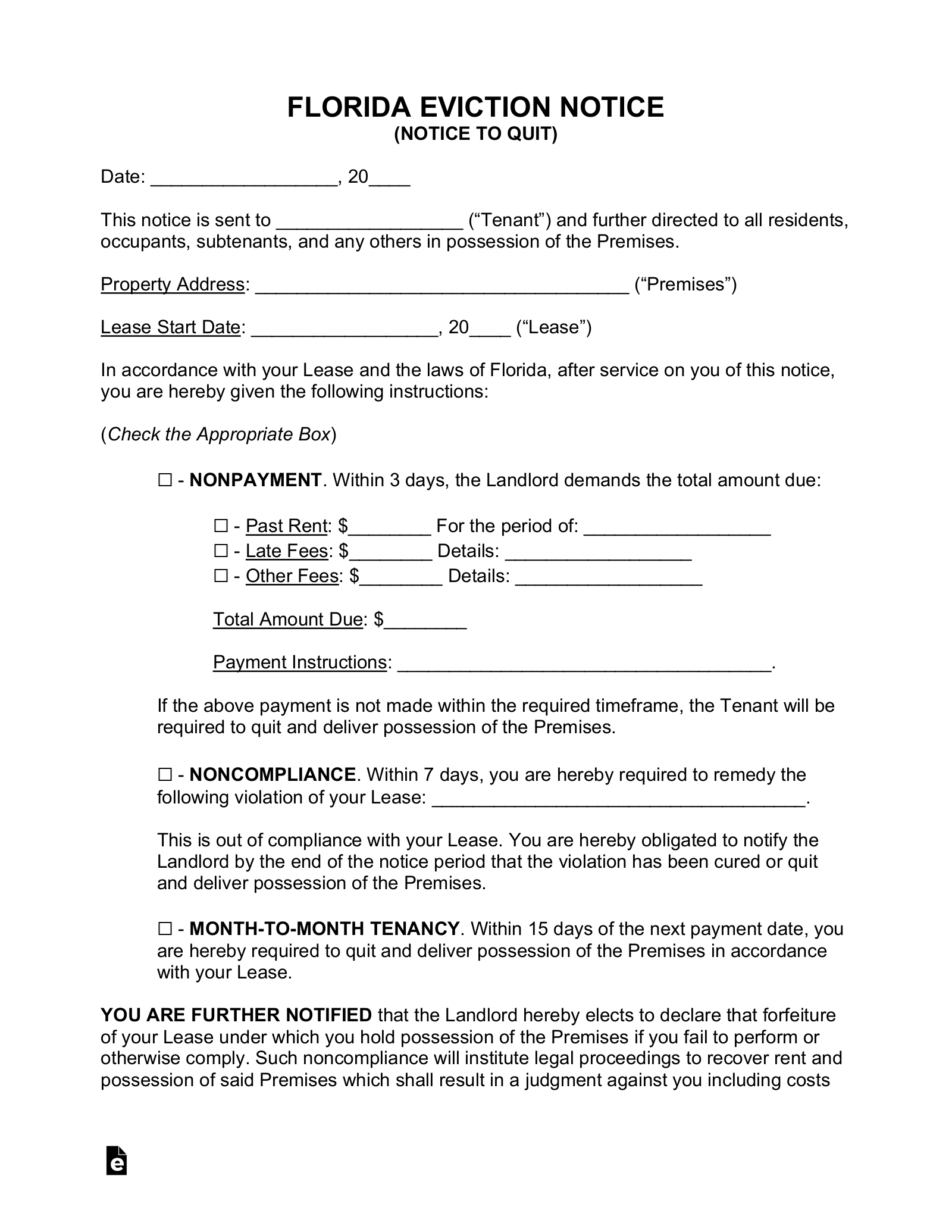
The first and most critical step in an eviction is serving the tenant with a proper notice. This notice officially informs the tenant of the violation and provides them with an opportunity to remedy the situation or vacate the premises. The type of notice depends on the reason for eviction:
-
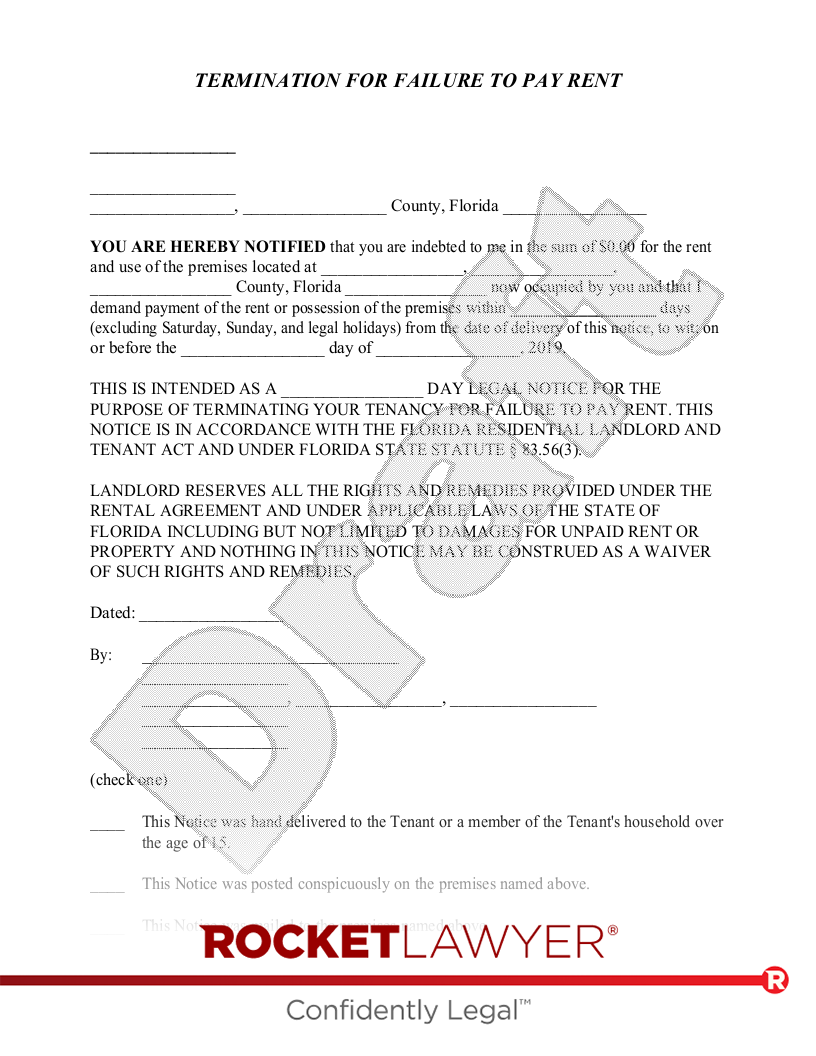
3-Day Notice to Pay Rent or Quit: This is used for non-payment of rent. The notice must demand payment of the overdue rent and state that if the rent is not paid within three business days (excluding weekends and legal holidays), the landlord will terminate the rental agreement and pursue eviction. It must be delivered by mail, hand delivery, or conspicuously posted on the property. This is a common starting point for many landlords, especially those managing properties near tourist hotspots where rental income is vital.
-
7-Day Notice to Cure or Quit: This notice is used for lease violations other than non-payment of rent that are “curable” (meaning the tenant can fix the problem). Examples include unauthorized pets, excessive noise, or property damage. The notice must specify the violation and state that the tenant has seven days to remedy it or face eviction. If the tenant cures the violation within seven days, the tenancy continues.
-
7-Day Notice of Termination (Uncurable Violation): This is used for serious lease violations that are “uncurable,” meaning the tenant cannot fix the problem or the landlord is unwilling to give them the opportunity to do so. Examples include repeated identical violations, intentional destruction of property, or engaging in criminal activity on the premises. This notice simply terminates the tenancy in seven days, with no option for the tenant to cure the violation.
Proper service of these notices is paramount. Without it, a court will likely dismiss the eviction case. Landlords often document the service, perhaps through a photo of the posted notice or a sworn statement from the person who hand-delivered it.
Filing the Lawsuit: Summons and Complaint
If the tenant fails to comply with the notice (e.g., doesn’t pay rent, doesn’t cure the violation, or doesn’t vacate), the landlord can then proceed to file an eviction lawsuit in the appropriate Florida County Court. This involves two main documents:
- Complaint for Eviction: This formal legal document outlines the landlord’s case, stating the basis for eviction (e.g., non-payment of rent, lease violation), attaching copies of the lease agreement and the notice served to the tenant, and requesting that the court restore possession of the property to the landlord.
- Summons: This is an official court document ordering the tenant to respond to the complaint within a specific timeframe, typically five business days from the date of service.
These documents must be filed with the Clerk of Court in the county where the property is located (e.g., Miami-Dade County, Orange County, or Broward County). After filing, a sheriff or a certified private process server must legally “serve” the summons and complaint to the tenant. This ensures the tenant is officially notified of the lawsuit and has an opportunity to respond.
Court Proceedings and Judgment
Once served, the tenant has five business days to respond to the complaint by filing an answer with the court. Their answer might admit or deny the landlord’s claims, raise affirmative defenses, or deposit the disputed rent into the court registry (for non-payment cases).

- Tenant’s Response: If the tenant fails to respond within five days, the landlord can file a motion for a default judgment, which often leads to the court issuing a judgment for eviction without a hearing.
- Contested Case: If the tenant responds, the case becomes contested, and the court will schedule a hearing. During this hearing, both parties present their arguments, evidence, and witnesses. A judge will then make a ruling based on the evidence presented and the applicable law.
- Mediation: In some counties or for certain types of disputes, the court may encourage or require mediation to help landlords and tenants reach a mutually agreeable resolution before a formal hearing. This can be a quicker and less confrontational alternative, especially for property owners keen to minimize disruption to their rental operations.
If the judge rules in favor of the landlord, a “Final Judgment for Possession” will be issued. This legally grants the landlord the right to regain possession of their property.
The Final Stage: Writ of Possession
The Final Judgment for Possession is not the end of the process; it’s the prerequisite for the final step. If the tenant still has not vacated the property after the judgment, the landlord must apply to the Clerk of Court for a “Writ of Possession.”
- Issuance of Writ: Once issued, the Writ of Possession is delivered to the county sheriff’s office where the property is located.
- Sheriff’s Role: The sheriff will then post a 24-hour notice on the tenant’s door. This notice informs the tenant that they have 24 hours to vacate the premises.
- Execution of Eviction: If the tenant remains after the 24-hour period, the sheriff will physically return to the property and facilitate the removal of the tenant and their belongings, if necessary. It is crucial for the landlord to be present with a locksmith at this time to change the locks and secure the property.
It is only at this stage, with the sheriff present, that a landlord can lawfully remove a tenant’s belongings and change the locks. Any attempt to do so before a Writ of Possession is executed is illegal and constitutes a self-help eviction. The entire process, from serving notice to the execution of the writ, can take anywhere from a few weeks to several months, depending on court schedules, tenant responses, and any unforeseen legal challenges.
Common Pitfalls and Best Practices for Property Owners
Navigating the eviction process in Florida can be fraught with potential missteps that can prolong the ordeal and increase costs. Property owners, whether they are managing a single family home in Gainesville or a portfolio of vacation condos in Sarasota, must be aware of common pitfalls and adopt best practices to protect their investments and ensure legal compliance.
Avoiding Self-Help Evictions
As highlighted earlier, the most significant pitfall for landlords is attempting a “self-help” eviction. Florida law explicitly prohibits landlords from taking matters into their own hands to force a tenant out. This includes:
- Changing locks or adding new locks.
- Removing a tenant’s personal property from the unit.
- Shutting off utilities (water, electricity, gas, etc.).
- Removing doors or windows.
- Using threats, intimidation, or physical force.
Engaging in any of these actions can result in severe legal consequences for the landlord, including potential civil lawsuits from the tenant for damages, attorney’s fees, and even punitive damages. This can turn a straightforward eviction into a costly and lengthy legal battle for the landlord. The only lawful way to remove a tenant who refuses to leave is through the formal judicial eviction process, culminating in a Writ of Possession executed by the sheriff.
The Importance of a Solid Lease Agreement
A well-drafted and comprehensive lease agreement is the bedrock of a healthy landlord-tenant relationship and a landlord’s best defense in any dispute. For property owners in Florida’s diverse accommodation market, a robust lease is not just a formality; it’s a critical asset. Key elements of a solid lease should include:
- Clear Identification of Parties and Property: Full names of all tenants and landlord, and precise property address.
- Term of Tenancy: Start and end dates, and whether it’s a fixed-term or month-to-month agreement.
- Rent Details: Exact rent amount, due date, acceptable payment methods, late fees, and grace periods.
- Security Deposit and Other Fees: Amount, conditions for refund, and compliance with Florida’s security deposit laws.
- Tenant Responsibilities: Rules regarding property maintenance, noise, use of common areas, guests, and pets.
- Landlord’s Rights and Responsibilities: Entry rights, maintenance obligations.
- Default and Termination Clauses: Clear outline of what constitutes a lease violation and the process for termination and eviction.
- Governing Law: Stating that the agreement is subject to Florida law.
For vacation rentals, a strong rental agreement that clearly defines the stay as transient and not a tenancy under the Florida Residential Landlord and Tenant Act is equally crucial. This helps prevent short-term guests from inadvertently gaining tenant rights. Regularly reviewing and updating lease agreements to reflect current Florida Statutes and best practices is also a wise strategy for property owners in places like Tallahassee or St. Petersburg.
Seeking Legal Counsel
While this guide provides a general overview, eviction law can be complex, and each case has unique facts. For this reason, seeking legal counsel from an experienced Florida attorney specializing in landlord-tenant law is often the best practice. An attorney can:
- Ensure Compliance: Verify that all notices are properly drafted and served according to Florida Statutes.
- Represent in Court: Navigate the court system, represent the landlord during hearings, and handle any unexpected legal challenges.
- Advise on Strategy: Offer tailored advice based on the specific circumstances of the case, potentially exploring alternatives to eviction.
- Draft Legal Documents: Prepare the complaint, summons, and other necessary court filings accurately.
For property owners, especially those managing multiple units or luxury accommodations, the cost of legal representation is often outweighed by the time saved, the avoidance of legal errors, and the assurance of a lawful and efficient eviction process. This allows property owners to focus on the broader aspects of their lifestyle investments, whether it’s optimizing hotel bookings or enhancing guest experiences.
Preventing Eviction Scenarios in Tourist-Centric Properties
In a state like Florida, where tourism and property investment intertwine, preventing eviction scenarios is as important as knowing how to handle them. Proactive measures can significantly reduce the likelihood of issues arising, thereby safeguarding the property owner’s investment and reputation, particularly for those whose lifestyle involves managing accommodation.
Thorough Tenant Screening
For long-term residential rentals, comprehensive tenant screening is the first line of defense against problematic tenants. While not always possible for short-term vacation rentals, for properties intended for longer stays, diligent screening processes should include:
- Credit Checks: To assess financial responsibility and payment history.
- Background Checks: To identify any criminal history that could pose a risk to the property or community.
- Rental History Verification: Contacting previous landlords to inquire about payment timeliness, property care, and adherence to lease terms.
- Income Verification: Ensuring the prospective tenant has a stable and sufficient income to cover rent.
- Reference Checks: Beyond landlords, personal or professional references can provide additional insights.
Investing time and resources into thorough screening can prevent future headaches and potentially costly eviction proceedings. Property owners in popular rental markets like Miami Beach or Orlando understand that a good tenant is a valuable asset, contributing to a stable and profitable lifestyle investment.
Clear Communication and Property Management
Effective communication and robust property management practices are crucial for all types of rentals. For properties catering to both long-term residents and a steady stream of tourists, this means:
- Well-Defined Expectations: Clearly communicating rules, responsibilities, and expectations from the outset, both in the lease agreement and through direct interactions. This includes pet policies, noise regulations, maintenance procedures, and guest rules.
- Prompt Issue Resolution: Addressing tenant concerns and maintenance requests promptly demonstrates professionalism and can prevent minor issues from escalating into major disputes.
- Regular Property Inspections: Periodic inspections (with proper notice to tenants) can help identify potential problems early, such as unauthorized occupants or unreported damage, before they become eviction-worthy violations.
- Professional Property Management: For owners who cannot be hands-on, especially those with properties in Florida but residing elsewhere, hiring a reputable property management company is invaluable. These companies handle everything from tenant screening and rent collection to maintenance, lease enforcement, and, if necessary, initiating eviction proceedings in compliance with Florida law. This allows property owners to enjoy the benefits of their investment without the daily operational burdens.
- Dedicated Systems for Vacation Rentals: For short-term vacation rentals, robust booking platforms, clear check-in/check-out procedures, and responsive guest services are essential. Guest agreements should explicitly state house rules, consequences for violations, and the transient nature of the stay to protect the owner and ensure a smooth experience for all.
In conclusion, property ownership in Florida, whether for personal enjoyment or as an investment in the booming accommodation sector, comes with responsibilities. Understanding and adhering to the legal framework for evictions is not merely a compliance issue; it’s a fundamental aspect of protecting one’s lifestyle, investment, and peace of mind. By following proper procedures, landlords can navigate challenging situations effectively and lawfully, ensuring the continued success of their Florida properties.
LifeOutOfTheBox is a participant in the Amazon Services LLC Associates Program, an affiliate advertising program designed to provide a means for sites to earn advertising fees by advertising and linking to Amazon.com. Amazon, the Amazon logo, AmazonSupply, and the AmazonSupply logo are trademarks of Amazon.com, Inc. or its affiliates. As an Amazon Associate we earn affiliate commissions from qualifying purchases.