
Embarking on the path of divorce is undeniably one of life’s most significant transitions, a journey marked by complex emotions, legal intricacies, and profound shifts in personal lifestyle. While the topic of marital dissolution might seem a world away from the vibrant stories of travel, luxurious hotels, and captivating tourism that often grace these pages, it is, at its core, an initiation into a new way of living. For those in California contemplating or navigating this challenging period, understanding the legal framework is paramount. This comprehensive guide aims to demystify the process of filing for divorce in the Golden State, offering clarity and a sense of direction as you chart a new course for your future. Just as planning a trip requires meticulous attention to detail regarding accommodation and itinerary, so too does initiating a divorce demand careful preparation and informed decision-making.
Divorce in California is officially known as a “Dissolution of Marriage.” It’s a legal procedure that terminates a marriage, dividing assets and debts, determining child custody and support, and potentially spousal support. This process, while often emotionally taxing, can also be viewed as a critical step toward a new chapter, offering the opportunity to redefine your independence, explore new personal destinations, and craft a lifestyle that truly resonates with your evolving identity.
Understanding the Landscape: Navigating California’s Divorce Laws
Before you embark on the legal journey of divorce, it’s crucial to understand the foundational principles that govern marital dissolution in California. The state’s approach is designed to be as equitable and streamlined as possible, emphasizing fairness over fault.
Establishing Your Residency and Jurisdiction
One of the first hurdles in filing for divorce in California is meeting the state’s residency requirements. To file, either you or your spouse must have lived in California for at least six months and in the county where you plan to file for at least three months immediately preceding the filing of your petition. For instance, if you reside in Los Angeles County and meet the three-month requirement there, you would file your petition with the Los Angeles County Superior Court. This might seem like a minor detail, but it’s a critical prerequisite, much like needing a valid passport to cross international borders.
The vast expanse of California means that courts in different counties, such as San Francisco County, San Diego County, or even Orange County, will handle cases based on these residency rules. Understanding your local jurisdiction is essential. Sometimes, individuals may even consider temporary accommodation in a different county to establish residency if they have recently relocated within the state and wish to file in a specific jurisdiction. This logistical aspect, though often overlooked, can impact the ease and convenience of court appearances and legal proceedings.
No-Fault State and Simplified Dissolution
California is a “no-fault” divorce state. This means that to dissolve a marriage, you don’t need to prove that one spouse was responsible for the breakdown of the marriage due to infidelity, abuse, or other specific grievances. The only grounds required are “irreconcilable differences” that have led to the irremediable breakdown of the marriage. This simplified approach removes the need for contentious blame-laying, often leading to a less adversarial process.
Furthermore, California offers a “Summary Dissolution” for couples who meet specific criteria, such as having been married for less than five years, having no children, limited assets and debts, and both agreeing to the divorce. This expedited process is akin to a quick, no-frills trip, allowing couples to reach their new individual lifestyle more swiftly and with fewer legal complexities. However, for most couples, the standard dissolution process, which we will detail, is the pathway forward.
The Initial Steps: From Petition to Service
Once you’ve established your eligibility, the practical steps of initiating the divorce process begin. This phase involves preparing and submitting official documents, much like securing visas and tickets for a meticulously planned adventure.
The Petition for Dissolution (FL-100)
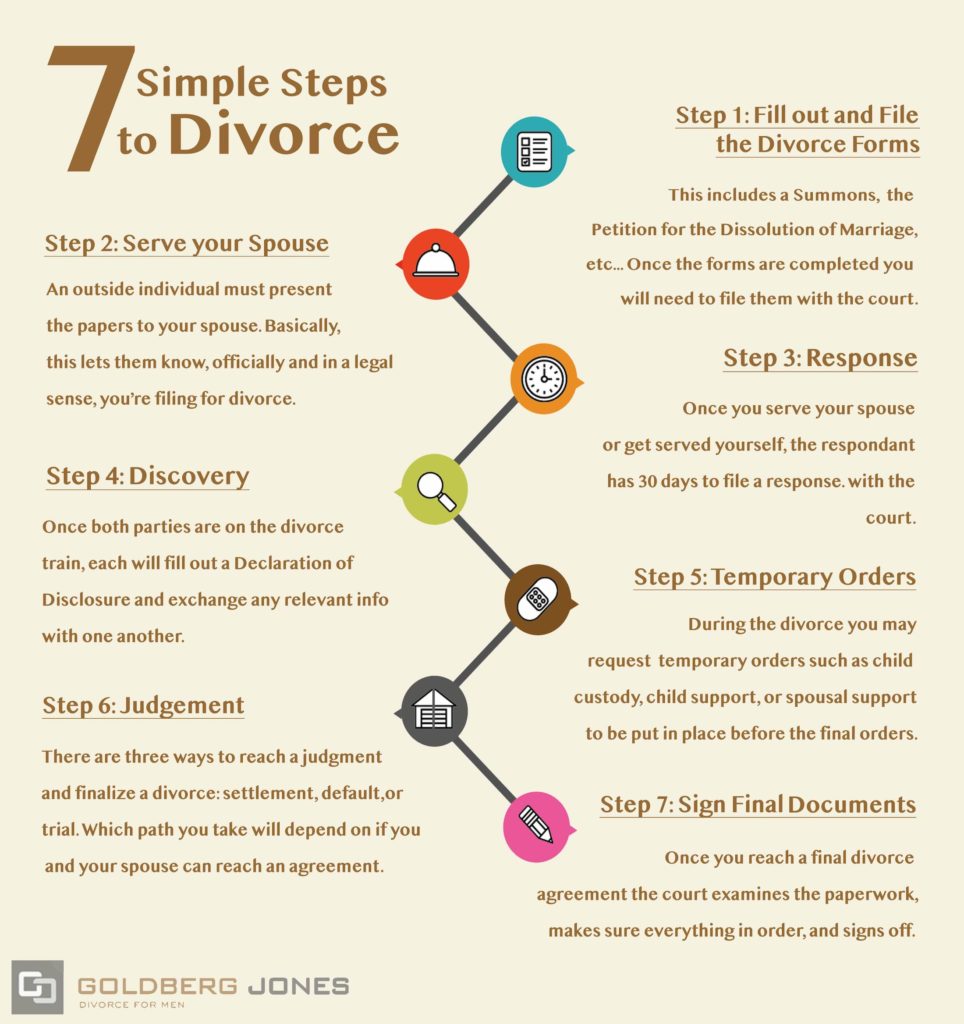
The first formal step is to file a “Petition for Dissolution of Marriage” (Form FL-100) with the appropriate Superior Court. This document officially informs the court that you intend to end your marriage. The petition will ask for basic information about you, your spouse, the marriage, and your children (if any). Crucially, it also outlines what you are requesting from the court regarding child custody and visitation, child support, spousal support, and the division of community property and debts.
Along with the Petition, you will typically need to file a “Summons” (Form FL-110), which officially notifies your spouse of the divorce action and imposes certain temporary restraining orders (ATROs) on both parties to prevent asset dissipation. Financial disclosures are also a cornerstone of this process. You’ll need to complete and exchange preliminary declarations of disclosure, detailing all assets and debts. This transparent financial accounting is critical, as it forms the basis for equitable division and support calculations, directly impacting your future financial lifestyle and potential new accommodation arrangements. For many, this is where the reality of financial restructuring begins to hit home, influencing everything from future travel plans to daily living expenses.
Service of Process: Ensuring a Smooth Journey
After filing your Petition and Summons, the next crucial step is “service of process.” This legal term means formally delivering the divorce papers to your spouse. This cannot be done by you directly; instead, a third party—either a professional process server, a sheriff, or anyone over 18 who is not involved in the case—must hand-deliver the documents. The server then completes a “Proof of Service” form (FL-115) and files it with the court, confirming that your spouse has been officially notified.
Proper service is non-negotiable and ensures that your spouse has due process, an essential component of the legal system. If your spouse resides in a different city, perhaps in Sacramento while you are in San Francisco County, the process server might need to travel to ensure delivery. In some cases, if a spouse cannot be found, the court may allow alternative methods of service, such as by publication, though this is rare. This step, while procedural, is fundamental to moving your case forward, much like ensuring all your travel documents are in order before a major trip.
Responding to the Petition
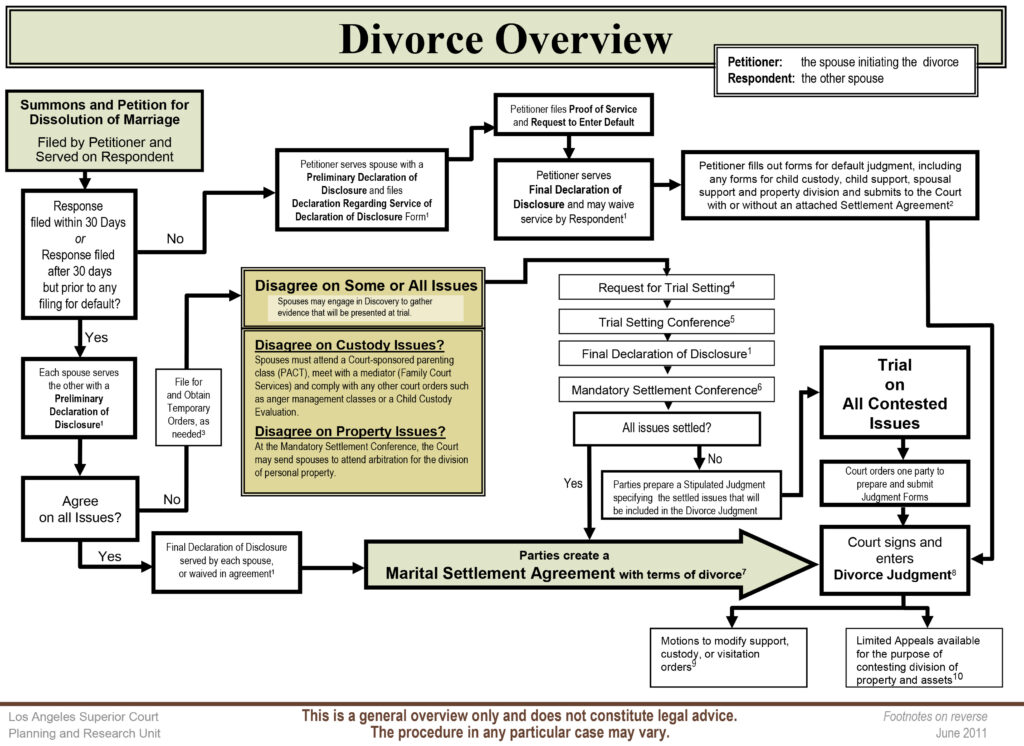
Once served, your spouse has 30 days to file a “Response” (Form FL-120) with the court. In their Response, they can agree or disagree with the requests made in your Petition and present their own proposals regarding property division, support, and child custody. If your spouse does not file a Response within 30 days, you can request a “default,” which means the court can proceed with the divorce based solely on your Petition, assuming all your requests are valid and reasonable.
An uncontested divorce, where both parties agree on all terms, is often the most straightforward and least expensive path, allowing for a quicker transition to independent lifestyle adjustments. However, if there are disagreements, the case becomes “contested,” necessitating further negotiation, mediation, or potentially court intervention.
Navigating the Complexities: Children, Support, and Property
The core of most divorce cases revolves around resolving issues related to children, financial support, and the division of marital assets and debts. These are the areas that most profoundly impact your post-divorce lifestyle and future financial stability.
Child Custody and Visitation: Crafting a New Family Blueprint
For parents, child custody and visitation are often the most emotionally charged and crucial aspects of a divorce. California law prioritizes the “best interests of the child.” Courts aim to ensure children have frequent and continuing contact with both parents, provided it is safe and healthy. Custody can be legal (who makes decisions about the child’s upbringing) and physical (where the child lives). Options range from sole custody to various forms of joint custody.
Co-parenting often involves creating detailed parenting plans that address school, holidays, vacations, and daily routines. This can significantly impact new family lifestyle choices, affecting decisions about accommodation proximity, family trips, and even future relocation. For instance, a move to Santa Barbara might require careful consideration of its impact on the co-parenting schedule if the other parent resides in Ventura County. Parents might explore hotels or rental apartments for transitions or to facilitate travel for the children. The court may require parents to attend mediation to develop a custody agreement, a process aimed at finding common ground for the sake of the children.
Spousal Support (Alimony): Financial Adjustments for a New Lifestyle
Spousal support, often called alimony, is financial assistance paid by one spouse to the other after a divorce. The purpose is to help the receiving spouse maintain a similar standard of living to that enjoyed during the marriage, at least temporarily, while they become self-sufficient. California courts consider numerous factors when determining spousal support, including the length of the marriage, the earning capacity of each spouse, their health and age, and the standard of living established during the marriage.
Spousal support directly impacts the financial lifestyle of both parties. For the recipient, it may enable them to secure new accommodation, pursue further education, or adjust to a single-income household. For the payor, it necessitates a recalibration of their own budget. The duration of support can vary; for marriages under 10 years, support generally lasts for half the length of the marriage. For longer marriages, the court retains jurisdiction indefinitely. Understanding these implications is crucial for planning your post-divorce financial future, whether you envision budget travel or aspire to maintain a certain level of luxury travel.
Property and Debt Division: Unpacking Your Shared History
California is a community property state. This means that, with very few exceptions, all assets and debts acquired by either spouse during the marriage are considered “community property” and are subject to a 50/50 division between the parties. Separate property, acquired before marriage or by gift/inheritance, is not divided. This includes everything from the family home and retirement accounts to vehicles, credit card debts, and mortgages.
Dividing assets and debts can be complex, especially with significant holdings in various forms like real estate in Palm Springs, investments, or businesses. For example, if you own a vineyard in Napa Valley or a vacation home on the Mendocino Coast, the valuation and division of these unique assets will require expert appraisal and careful negotiation. The division of the marital home often requires one spouse to buy out the other, or the property is sold, necessitating new accommodation for both parties. This process fundamentally redefines each individual’s financial foundation, setting the stage for their future economic autonomy and capacity to pursue new experiences.
Resolution and Finalization: Towards a New Horizon
The journey through divorce culminates in a final judgment, bringing legal closure and allowing both parties to embrace their new lifestyle.
Discovery and Temporary Orders: Setting the Stage
After the initial filings, the “discovery” phase begins, where both parties exchange detailed financial information. This typically includes bank statements, tax returns, pay stubs, and property deeds. Full transparency is legally required to ensure an equitable division of assets and debts. During this period, either spouse can request “temporary orders” from the court for immediate needs, such as interim child custody arrangements, temporary child support, or spousal support, or exclusive use of the family home. These orders act as crucial lifelines, providing stability during the often lengthy divorce proceedings and helping to manage immediate accommodation and financial requirements.
Mediation and Settlement: Seeking Amicable Solutions
The vast majority of divorce cases in California are resolved through settlement rather than a full trial. Mediation is a highly encouraged process where a neutral third party (the mediator) helps both spouses communicate and negotiate to reach mutually agreeable terms. This can save considerable time, money, and emotional strain. Attorneys often play a crucial role in negotiating the settlement agreement, ensuring their client’s rights and interests are protected. Engaging in mediation might mean traveling to a neutral location or participating in sessions virtually, much like attending a business stay remotely.
Trial and Judgment: When Agreement Eludes
If spouses cannot reach a settlement through negotiation or mediation, the case may proceed to trial. A trial is a formal court hearing where a judge hears evidence and arguments from both sides and makes final decisions on all unresolved issues. Trials are often lengthy, expensive, and emotionally exhausting, which is why they are typically a last resort. Attending court sessions can involve numerous trips to the courthouse, perhaps in Riverside County or San Bernardino County, impacting daily routines and potentially requiring temporary accommodation if travel distances are significant.

The Six-Month Rule and Final Judgment
Even after all issues are settled or decided by a judge, California law mandates a six-month waiting period from the date the Petition for Dissolution was served (or the date of filing, if the respondent defaulted) before the marriage can be officially terminated. This period allows time for reflection, final adjustments, and the resolution of any lingering matters. Once the six months have passed and all final documents are filed, the court issues a “Judgment for Dissolution of Marriage,” officially ending the legal union.
This period can be a unique opportunity for personal growth and planning. Many individuals use this time to explore new hobbies, connect with friends, or even embark on personal travel experiences, perhaps a solo journey along the Pacific Coast Highway to Big Sur, or a serene escape to Lake Tahoe or Yosemite National Park, using accommodation as a temporary base for healing and introspection.
The journey through divorce in California is undoubtedly demanding, but it is also a path towards a new beginning. While the legal process can be intricate, understanding each step provides a roadmap for navigating this significant lifestyle change. Engaging qualified legal counsel is paramount to ensure your rights are protected and the process is handled efficiently. As you conclude this chapter, remember that California, with its diverse landscapes and vibrant cities like Hollywood, Beverly Hills, and Malibu, offers endless opportunities for new adventures, whether you find solace near the Santa Monica Pier, reflect upon the history of Alcatraz Island, gaze at the majestic Golden Gate Bridge, immerse yourself in culture at The Getty Center, or find inspiration at Griffith Observatory. This is not merely an end, but an invitation to redefine your narrative, embrace a new lifestyle, and discover the exciting possibilities that lie “out of the box.”
LifeOutOfTheBox is a participant in the Amazon Services LLC Associates Program, an affiliate advertising program designed to provide a means for sites to earn advertising fees by advertising and linking to Amazon.com. Amazon, the Amazon logo, AmazonSupply, and the AmazonSupply logo are trademarks of Amazon.com, Inc. or its affiliates. As an Amazon Associate we earn affiliate commissions from qualifying purchases.