
Navigating the complexities of divorce in California can feel like embarking on an unfamiliar journey, requiring careful preparation and a clear understanding of the path ahead. Much like planning an intricate itinerary for a significant lifestyle transition, understanding the legal landscape of dissolving a marriage in the Golden State is crucial. This guide is designed to illuminate the process, offering a comprehensive overview for those contemplating or initiating divorce proceedings in California, ensuring you’re well-equipped for this significant life change. Whether you envision a fresh start in a new accommodation or a redefined personal lifestyle, the legal steps begin here.
Embarking on the Legal Journey: Understanding California’s Divorce Process
Divorce, officially known as “dissolution of marriage” in California, is a no-fault state. This means that you do not need to prove marital misconduct (like adultery or abandonment) to obtain a divorce. The only ground required is “irreconcilable differences” that have led to the irremediable breakdown of the marriage. This simplified approach aims to reduce conflict and streamline the legal process, allowing individuals to focus on practical matters such as asset division, child custody, and support. However, while the grounds for divorce are straightforward, the process itself involves several distinct stages, each with its own requirements and timelines. Understanding these stages is the first step in successfully navigating this legal transition.
The legal journey to divorce in California begins with meeting specific residency requirements. To file for divorce, at least one spouse must have lived in California for a minimum of six months and in the county where the petition is filed for at least three months immediately preceding the filing of the petition. For instance, if you plan to file in Los Angeles County, you must have resided there for at least three months, in addition to the statewide six-month requirement. These requirements ensure that the California Superior Court has jurisdiction over your case. Should you or your spouse not meet these criteria, you might consider filing for a legal separation first, which has no residency requirements, and then amending it to a dissolution of marriage once the residency requirements are met. This initial step is fundamental, setting the geographical parameters for your legal process and ensuring your case can proceed within the state’s legal framework.
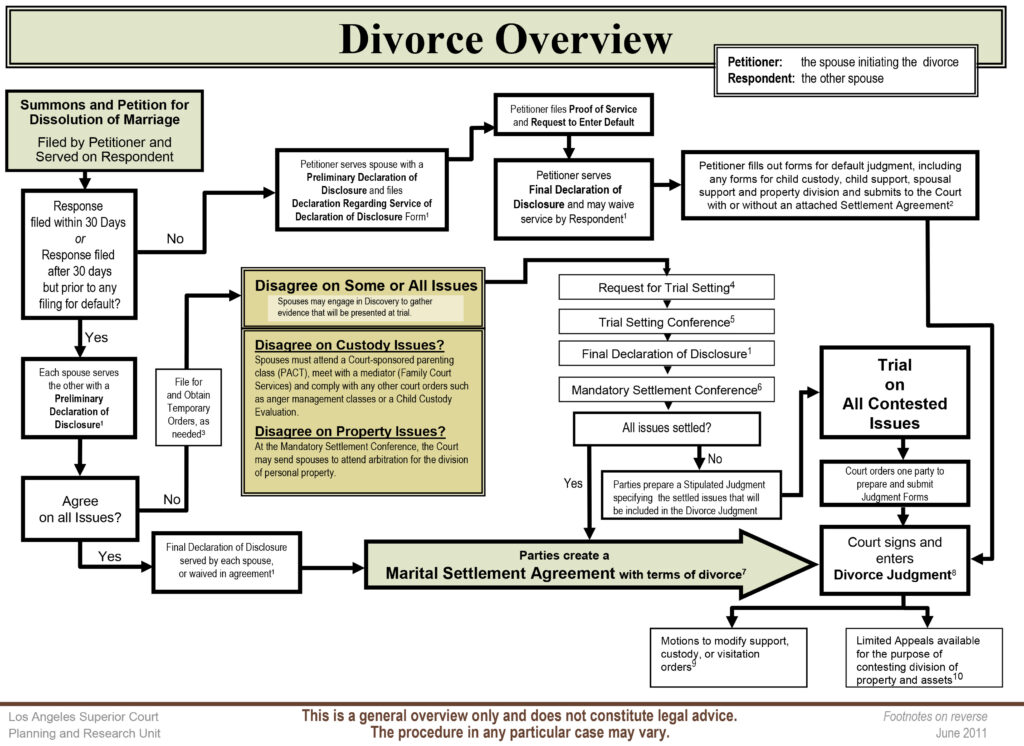
Once residency requirements are met, the filing process officially begins. This initial phase involves critical paperwork and careful consideration of how you wish to initiate the divorce. California law categorizes divorce petitions based on whether the spouses agree on all terms (uncontested) or if there are disputes that need to be resolved (contested). While an uncontested divorce is generally quicker and less expensive, it requires a high degree of cooperation and agreement from both parties. A contested divorce, conversely, may involve negotiations, mediation, and potentially litigation to resolve disagreements. The choice of how to proceed will significantly influence the trajectory of your legal journey, much like choosing between a relaxed resort stay or an adventurous, guided expedition.
The Initial Steps: Preparing for a New Chapter
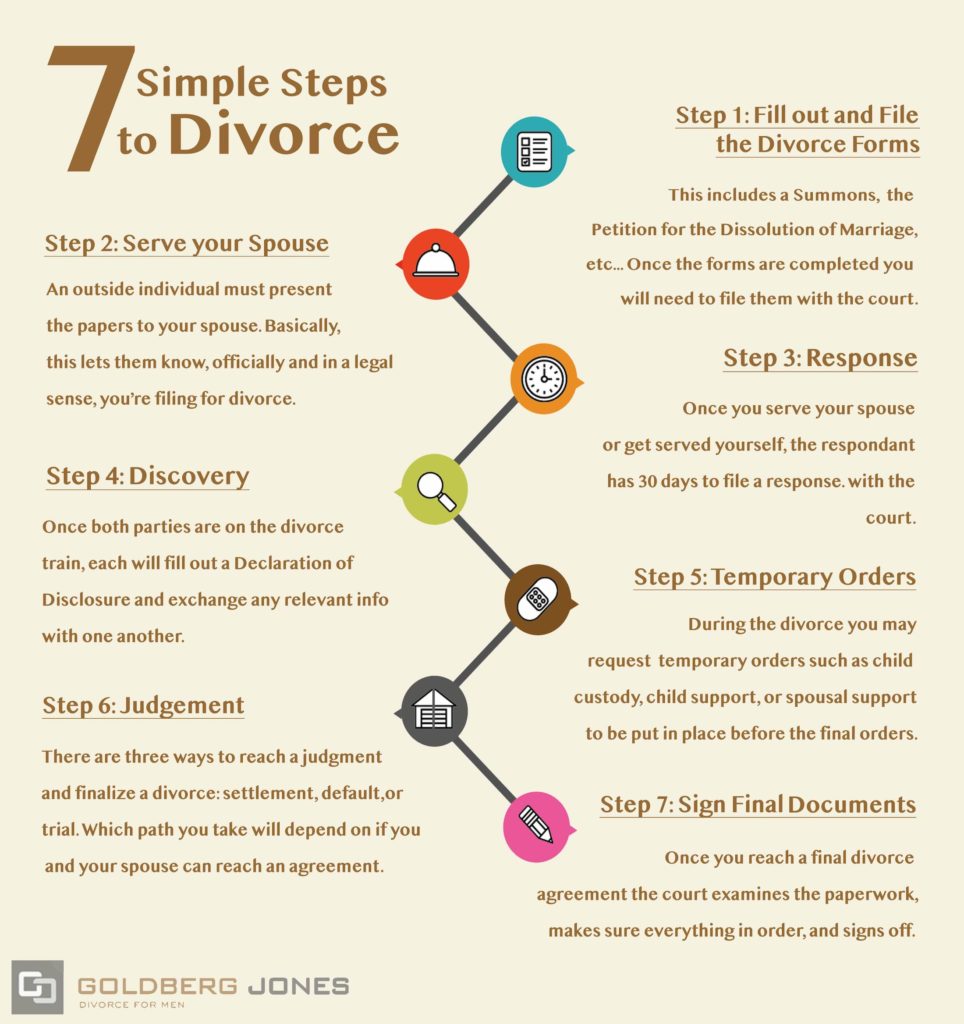
The commencement of divorce proceedings starts with the preparation and filing of specific legal documents. The primary document is the Petition—Form FL-100, which formally asks the court to dissolve your marriage. This petition identifies the parties, states the grounds for divorce (irreconcilable differences), and outlines initial requests regarding property division, spousal support, child custody, and child support, if applicable. It’s crucial to accurately complete this form, as it sets the foundation for your case. Following the Petition, you’ll also need to complete the Summons—Form FL-110, which officially notifies your spouse of the divorce action and includes important restraining orders that prevent either spouse from making significant financial decisions without the other’s consent.
Once these initial documents are filed with the Superior Court in the appropriate county, they must be “served” on your spouse. Service of process ensures your spouse receives legal notice of the divorce petition and has an opportunity to respond. Service cannot be performed by you; it must be done by a third party, such as a sheriff, a professional process server, or any adult not involved in the case. After being served, your spouse has 30 days to file a Response—Form FL-120 with the court. If they do not respond within this timeframe, you may be able to proceed with a “default” divorce. The date of service is also significant because it marks the official “date of separation,” which is critical for determining community property and debts. This entire process, from filing to service, can feel daunting, but it is a necessary procedural hurdle, much like securing your passport and visas before international travel.
Residency Requirements and Filing the Petition
As previously mentioned, meeting California’s residency requirements is paramount. You or your spouse must have lived in the state for six months and in the specific county for three months. This distinction between state and county residency is important. For instance, if one spouse meets the six-month state residency in California but lives in San Francisco while the other lives in San Diego, the petition can be filed in either San Francisco County or San Diego County, provided the filing spouse meets the three-month county residency requirement. This flexibility allows for strategic choices, especially if one county offers more convenient access to legal resources or the court.
The actual filing of the Petition (Form FL-100) and Summons (Form FL-110) involves submitting the original documents, along with several copies, to the clerk of the Superior Court in the relevant county. There is a filing fee associated with this, which can be substantial, though fee waivers are available for those who qualify based on income. Once the documents are filed, the clerk will “endorse” the copies, stamping them with the “Filed” date, which is crucial for record-keeping and calculating deadlines. It’s advisable to keep at least one endorsed copy for your records. Some counties, like Orange County and Santa Clara County, may offer online filing systems, allowing for greater convenience in submitting initial documents. This administrative step effectively marks the official start of your dissolution proceedings, transforming your intent into a legal reality and setting the stage for the next phases of your journey.
Financial Considerations and Lifestyle Adjustments
A divorce profoundly impacts one’s financial landscape and necessitates significant lifestyle adjustments. In California, a community property state, all assets and debts acquired during the marriage are generally considered community property and are subject to an equal 50/50 division. This principle applies irrespective of whose name is on the title or who earned the income. Separate property, defined as assets owned before the marriage, acquired after separation, or received as a gift or inheritance, is not subject to division. Navigating this division requires meticulous disclosure and often complex valuations, impacting everything from your current accommodation to your future capacity for travel and tourism. Understanding these financial intricacies is paramount to securing your economic future post-divorce.
Beyond asset division, divorce often involves decisions about spousal support (alimony) and child support. Spousal support is intended to help a lower-earning spouse maintain a similar standard of living as enjoyed during the marriage, for a period determined by the court. Child support, on the other hand, is a statutory obligation designed to ensure both parents contribute to the financial well-being of their children. These financial arrangements are central to establishing a stable post-divorce lifestyle for both parties and their children. The court uses specific guidelines and factors to determine appropriate support amounts, emphasizing fairness and the best interests of the children. This comprehensive assessment of finances and future needs becomes a pivotal point, reshaping individual and family budgets for years to come, and directly influencing choices regarding everything from new housing options to future educational or career paths.
Dividing Assets and Debts: Securing Your Future
The division of community property and debts is often one of the most contentious aspects of a California divorce. Assets can include real estate (such as the family home or investment properties in places like Pasadena or Sacramento), bank accounts, retirement funds (401ks, IRAs, pensions), stocks, businesses, vehicles, and even personal property like artwork or jewelry. Debts can range from mortgages and car loans to credit card balances and student loans. Both spouses are required to make full and accurate financial disclosures, listing all assets and debts, their values, and whether they are community or separate property. This transparency is crucial for the court to ensure an equitable division.
Valuing certain assets, particularly businesses or complex investment portfolios, often requires the expertise of forensic accountants or appraisers. For instance, determining the value of a small business in Beverly Hills or a stake in a Hollywood production company can be incredibly intricate. The “date of separation” is key here, as it generally defines the end of the community property estate. Assets acquired after this date are typically considered separate property. Similarly, debts incurred after separation are usually the responsibility of the spouse who incurred them. While the goal is a 50/50 split of community property, the method of achieving this can vary. Spouses may agree to sell assets and divide the proceeds, or one spouse may “buy out” the other’s interest in a particular asset, such as the family home, potentially requiring a new mortgage or refinancing of their existing accommodation. This meticulous financial accounting is crucial for securing a stable financial future and planning for new life experiences.
Spousal and Child Support: Ensuring Stability
Spousal support, often referred to as alimony, can be ordered either temporarily during the divorce proceedings (temporary spousal support) or permanently (long-term spousal support). Temporary support is often calculated using a formula, aiming to maintain the status quo during the legal process. Long-term spousal support, however, is determined based on a comprehensive list of factors outlined in California Family Code Section 4320. These factors include the duration of the marriage, the earning capacity of each spouse, the marital standard of living, the needs of each spouse, and the extent to which one spouse contributed to the other’s education or career. For marriages lasting less than 10 years, support is generally ordered for half the length of the marriage. For marriages of 10 years or more, the court typically retains jurisdiction indefinitely, meaning support can be modified or terminated based on changed circumstances.
Child support in California is calculated using a statewide guideline formula, primarily driven by the parents’ incomes, the amount of time each parent spends with the children (custody schedule), and tax deductions. The formula aims to ensure that children receive financial support commensurate with their parents’ combined income, reflecting their right to be supported by both parents. The Family Law Facilitator in each county’s Superior Court office can assist with child support calculations and paperwork, offering valuable, free guidance. Child support orders are typically modifiable if there is a significant change in circumstances, such as a substantial change in income for either parent or a shift in the custody schedule. Both spousal and child support are fundamental to ensuring financial stability and a positive lifestyle for all involved parties post-divorce, much like budgeting for essential elements of a long-term stay or an extended family trip.
Reaching Agreements: Mediation and Settlement
While the court system provides the framework for divorce, many couples in California choose to resolve their issues outside of traditional litigation through methods like mediation or collaborative law. These alternative dispute resolution processes are often preferred because they can be less adversarial, more cost-effective, and allow couples greater control over the outcome of their divorce. Instead of a judge imposing decisions, spouses work together, often with the help of a neutral third party, to craft mutually agreeable solutions for property division, support, and child custody. This cooperative approach can mitigate the emotional toll of divorce, fostering a more amicable transition into separate lives, akin to consulting a travel guide to find the most harmonious route for your journey.
Reaching a comprehensive settlement is the ultimate goal in many divorces, especially those that begin with disagreements. A Marital Settlement Agreement (MSA) is a legally binding contract that outlines all terms of the divorce, including the division of assets and debts, spousal support, child custody, and child support. Once signed by both parties and submitted to the court, the MSA becomes part of the final divorce judgment. This document is crucial as it dictates the future financial and parental relationship between the spouses. Developing an MSA requires careful consideration of current needs and future implications, establishing a clear roadmap for life post-divorce.
The Role of Mediation: A Collaborative Path
Mediation is a voluntary process where a neutral third party, the mediator, helps divorcing spouses communicate and negotiate a settlement. The mediator does not make decisions for the couple but facilitates discussion, identifies common ground, and helps explore various solutions. This approach is particularly effective in California due to its no-fault divorce laws, which encourage cooperation rather than blame. Mediators can be attorneys, therapists, or other professionals trained in dispute resolution. They create a safe and structured environment for spouses to discuss sensitive issues, from the division of a vacation villa to future travel plans with children.
Benefits of mediation include privacy, cost-effectiveness, and the preservation of a more amicable co-parenting relationship, which is vital for children’s well-being. Unlike litigation, mediation is confidential, and the discussions held during sessions cannot be used against either party in court, should the mediation fail. It also allows for creative solutions tailored to the unique circumstances of the family, often resulting in more durable agreements than those imposed by a court. For couples who can communicate constructively, mediation offers a respectful and efficient way to transition to separate lives, helping them navigate a complex path with greater control and dignity. Many family law courts in California offer free or low-cost mediation services, especially for child custody disputes, highlighting the state’s emphasis on collaborative resolution.
Crafting Your Marital Settlement Agreement
The Marital Settlement Agreement (MSA) is the culmination of negotiations, whether achieved through direct discussions, mediation, or collaborative law. This comprehensive document details every aspect of the divorce settlement, ensuring clarity and enforceability. It addresses the characterization and division of all community and separate property assets and debts, specifying how bank accounts, real estate, retirement funds, and other valuables will be split. For example, it will detail who retains the family home in San Jose, or how an investment property in Palm Springs will be handled. The MSA also includes provisions for spousal support, outlining the amount, duration, and conditions for termination or modification.
Crucially, if there are minor children, the MSA will incorporate a parenting plan that covers legal and physical custody arrangements, visitation schedules, holiday allocations, and provisions for child support. This plan often specifies how future decisions regarding the children’s education, healthcare, and religious upbringing will be made, acting as a guide for co-parenting. A well-drafted MSA leaves no stone unturned, anticipating potential future disputes and providing mechanisms for resolution. Both spouses should review the MSA thoroughly, ideally with independent legal counsel, before signing it. Once signed and approved by the court, it becomes a legally binding court order, providing a solid foundation for each spouse to embark on their new, independent lifestyle.
Finalizing Your Divorce: A New Beginning
The final stage of the divorce process in California is the entry of judgment, which officially restores both parties to the status of single persons. Even if all agreements have been reached and paperwork submitted, California imposes a mandatory six-month waiting period from the date the Summons and Petition are served on the respondent before the divorce can become final. This waiting period is a statutory requirement and cannot be waived, regardless of how quickly a settlement is reached. It provides a cooling-off period, offering spouses time to reconsider their decision or finalize all necessary arrangements. Once this period concludes and all legal requirements are met, the court will issue a Judgment of Dissolution, marking the official end of the marriage and the beginning of a new chapter.
This final judgment is not merely a formality; it is the legal document that formalizes all agreements made during the divorce process. It legally divides assets and debts, establishes support orders, and sets forth child custody arrangements. Without this final order, even if you have a signed Marital Settlement Agreement, the terms are not officially enforceable by the court. The entry of judgment allows both individuals to move forward with their lives, making independent decisions regarding their finances, living situations, and personal pursuits, much like returning from an extensive tour and settling back into a revised daily routine.
Court Approval and Judgment Entry
To finalize your divorce, even in an uncontested case, the court must review and approve your Marital Settlement Agreement (MSA) or, if no agreement was reached, make its own orders after a trial. If you have an MSA, it is submitted to the judge, who will review it to ensure it complies with California law, particularly regarding child support and custody, which must always be in the “best interest of the child.” If everything is in order, the judge will sign the Judgment of Dissolution—Form FL-180, incorporating the terms of your MSA. This judgment is then filed with the court clerk.
The official “date of termination of marital status” will be specified in the judgment. This date marks when you are legally single again and free to remarry. It’s often the earliest date possible after the six-month waiting period from service of process. Once the judgment is entered, you should obtain certified copies for your records, as these are essential for various post-divorce actions, such as changing beneficiaries on accounts, updating titles to property, or applying for new identification documents. This final judicial stamp provides closure and the legal authority to fully embrace your independent future.

Embracing Your Post-Divorce Lifestyle
With the divorce finalized, a new phase of life truly begins. This period offers a unique opportunity for personal growth, reevaluation, and the pursuit of new passions and experiences. Many individuals find themselves redefining their lifestyle, exploring new hobbies, career paths, or even making significant changes to their living situations. Perhaps you’ll consider a move to a new city, or discover a newfound freedom to embark on solo travel adventures. This might involve securing new accommodation, whether it’s a cozy apartment, a new home, or even exploring options for long-term stays in different destinations.
The journey through divorce, while challenging, can ultimately lead to a stronger sense of self and purpose. It’s a chance to build a life that is authentically yours, free from past constraints. Consider how this new chapter allows you to focus on self-care, cultivate new friendships, or strengthen existing bonds. Embracing your post-divorce lifestyle means actively shaping your future, whether that involves embarking on new tourism experiences, exploring local culture, or simply enjoying the serenity of a revitalized personal space. Just as careful planning goes into a perfect trip, thoughtful consideration of your post-divorce goals will pave the way for a fulfilling and enriching new beginning.