
Texas, the Lone Star State, is a destination that captivates with its vast landscapes, vibrant cities, and a unique blend of cultures. From the bustling streets of Houston and Dallas to the live music scene in Austin and the historic charm of San Antonio, it offers an array of experiences for travelers and residents alike. Whether you’re planning an extended stay at a luxurious resort in the Hill Country or considering making one of its charming towns your permanent home, understanding the foundational aspects of life here is essential. Beyond exploring local attractions or finding the perfect boutique hotel, a crucial element of long-term stability and well-being involves understanding the support systems available, particularly for those who may face health challenges.
While our usual guides might focus on the best accommodations or navigating local [tourism](https://lifeoutofthebox.com/tourism hotspots, ensuring a secure and informed lifestyle within Texas extends to knowing how to access vital social programs. For individuals residing in Texas whose ability to work is significantly impaired by a medical condition, filing for disability benefits can be a complex but necessary process. This comprehensive guide, while a departure from typical travel itineraries, is designed to demystify how to file for disability in Texas, providing clarity for anyone seeking to navigate this important aspect of life in the Lone Star State. It’s about ensuring peace of mind and access to essential support, contributing to a truly holistic understanding of Texas as a place to live and thrive.
Understanding Disability Benefits in Texas
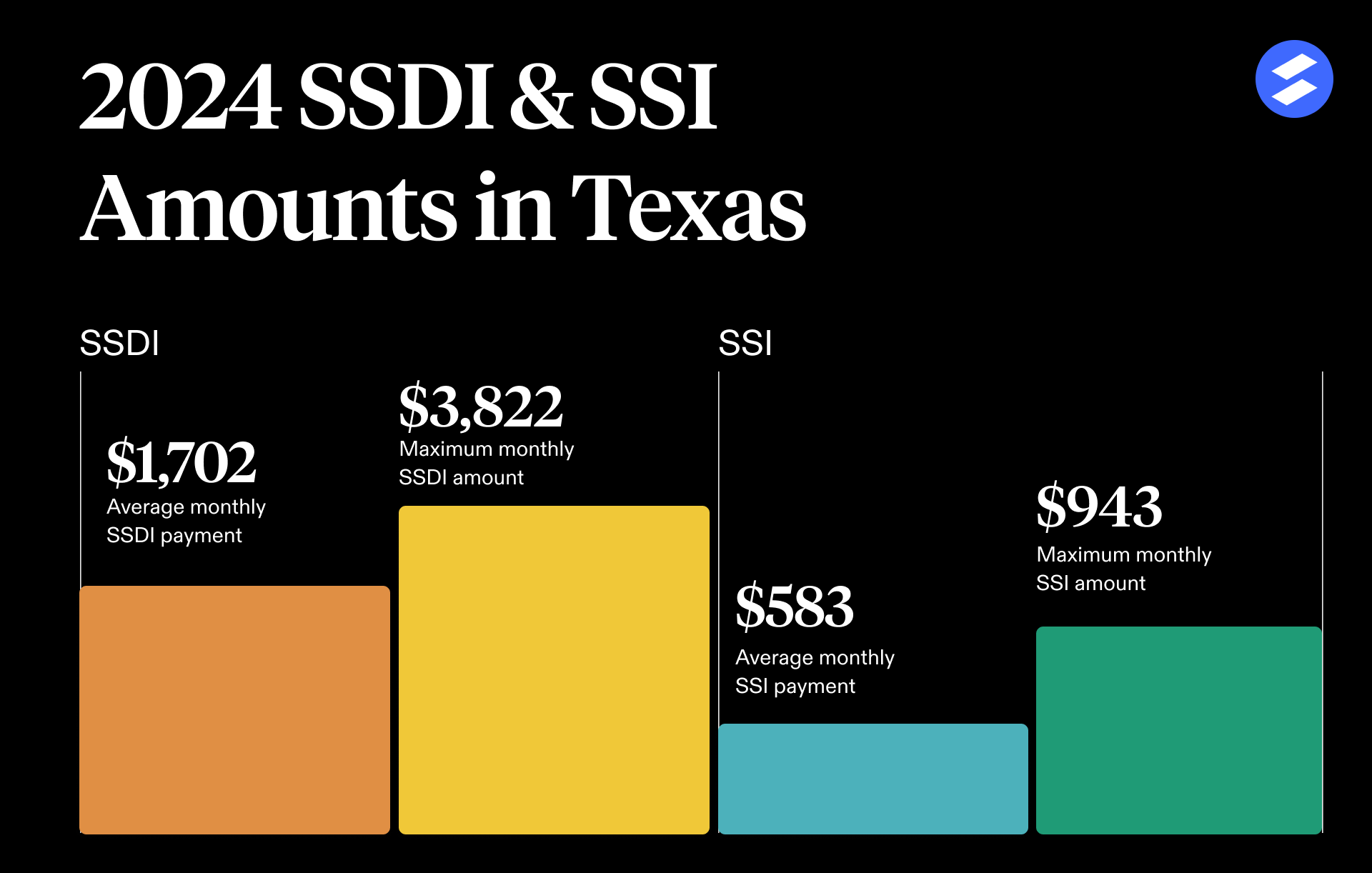
Navigating the landscape of disability benefits in Texas primarily involves applying for federal programs administered by the Social Security Administration (SSA). It’s crucial to distinguish between the two main types of benefits: Social Security Disability Insurance (SSDI) and Supplemental Security Income (SSI). While both are federal programs providing financial assistance to individuals with disabilities, their eligibility requirements and funding sources differ significantly. Understanding these distinctions is the first step in determining which program might be appropriate for your situation.
Social Security Disability Insurance (SSDI) vs. Supplemental Security Income (SSI)
Social Security Disability Insurance (SSDI) is designed for individuals who have worked and paid Social Security taxes for a sufficient number of years. It operates much like an insurance policy; you’ve paid into the system through your payroll taxes, and now you’re eligible to draw benefits if you become disabled. To qualify for SSDI, you must have accumulated a certain number of “work credits,” which are earned based on your income over your working life. The amount of your monthly benefit is determined by your average lifetime earnings. SSDI benefits often come with eligibility for Medicare after a waiting period, offering crucial health coverage. For many long-term residents of Texas who have contributed consistently to the workforce, SSDI is the primary avenue for disability support.
Supplemental Security Income (SSI), on the other hand, is a needs-based program for individuals who are disabled, blind, or aged (65 or older), and have limited income and resources. Unlike SSDI, eligibility for SSI does not depend on your work history or payment of Social Security taxes. Instead, it’s funded by general tax revenues. This program is often a lifeline for individuals, including children, who have not had significant employment or who come from low-income households. Recipients of SSI in Texas are typically automatically eligible for Medicaid, providing essential healthcare coverage. For someone considering a permanent move to Texas without an extensive work history, or for those whose circumstances have changed significantly, SSI offers a foundational safety net.
Meeting the SSA’s Definition of Disability
Regardless of whether you apply for SSDI or SSI, you must meet the Social Security Administration’s strict definition of disability. The SSA considers you disabled if:
- You cannot do work that you did before.
- The SSA decides that you cannot adjust to other work because of your medical condition(s).
- Your disability has lasted or is expected to last for at least one year or to result in death.
It’s important to note that the SSA does not award benefits for partial or short-term disability. The evaluation process is thorough and focuses on your inability to engage in “substantial gainful activity” (SGA) due to your medical condition. For those new to Texas or navigating life in a new environment, understanding this rigorous definition is critical to preparing a successful application.

The Application Process: Your Path to Benefits
The application process for disability benefits in Texas can be lengthy and intricate, requiring careful attention to detail and thorough documentation. It’s a journey that can take many months, sometimes even years, underscoring the importance of preparing meticulously from the outset. Many residents, whether settled in metropolitan areas like Fort Worth or smaller communities, find themselves navigating this federal bureaucracy.
Gathering Comprehensive Documentation
The cornerstone of any successful disability claim is robust medical evidence. Before you even begin filling out forms, focus on compiling all relevant medical records. This includes:
- Medical History: Dates of treatment, names of doctors, clinics, and hospitals.
- Diagnoses: Official diagnoses from qualified medical professionals.
- Treatment Records: Details of medications, therapies, surgeries, and other treatments received.
- Test Results: X-rays, MRIs, CT scans, blood tests, psychological evaluations, and other diagnostic reports.
- Doctor’s Notes: Detailed notes from your treating physicians explaining your symptoms, limitations, prognosis, and how your condition impacts your ability to perform work-related activities.
In addition to medical records, you’ll need personal information such as your Social Security number, birth certificate, proof of U.S. citizenship or lawful alien status, marriage certificates (if applicable), and detailed information about your work history (job titles, dates, duties, and earnings) for SSDI claims. For SSI claims, documentation of all income and assets is essential. Keeping all this information organized will streamline the application and evaluation process, which is handled by the Disability Determination Services (DDS) for Texas.

Submitting Your Application and Initial Review
You can apply for disability benefits online through the Social Security Administration website, by phone, or in person at your local SSA office. In Texas, these offices are located in various cities, serving communities across the state. Once your application is submitted, it will be sent to the Texas Disability Determination Services (DDS). The DDS is a state agency, funded by the federal government, responsible for making the initial medical disability decision for the SSA.
A disability examiner at the DDS will review your application and medical evidence. They may contact your doctors for additional information, or in some cases, schedule a consultative examination (CE) with an independent doctor to gather more objective medical evidence. This is a critical stage, as the DDS examiner’s decision hinges on whether your medical condition meets the SSA’s definition of disability and whether you can perform any type of substantial work. It’s a comprehensive process that reflects the federal government’s commitment to ensuring benefits are provided to those who genuinely qualify.
What Happens Next? The Waiting Game
After the DDS makes its decision, you will receive a letter informing you of the outcome. Unfortunately, a significant number of initial applications are denied, often due to insufficient medical evidence or administrative errors. This doesn’t mean your claim is hopeless; it simply means you may need to pursue an appeal. The period of waiting for a decision can be particularly stressful, especially for those whose lives have been disrupted by illness or injury. For residents across Texas, from the Gulf Coast to the Panhandle, understanding that denial is a common initial outcome can help manage expectations and prepare for the next steps.
Navigating Denials and the Appeals Process
Receiving a denial can be disheartening, but it’s important to remember that many successful claims are ultimately approved at the appeal stages. The appeals process is a structured sequence of reviews, each offering an opportunity to present new evidence or clarify existing information. For residents of Texas determined to secure their benefits, understanding this process is paramount.
Levels of Appeal
There are four levels of appeal within the Social Security Administration system:
-
Reconsideration: This is the first step in the appeals process. If your initial application is denied, you have 60 days from the date you receive the denial letter to request reconsideration. A new disability examiner, who was not involved in the initial decision, will review all the evidence in your file, including any new medical information you provide. The Texas DDS will again handle this review. While the reconsideration stage has a low approval rate, it’s a mandatory step before proceeding to a hearing.
-
Hearing by an Administrative Law Judge (ALJ): If your request for reconsideration is denied, the next step is to request a hearing before an Administrative Law Judge (ALJ). This is often the most critical stage of the appeals process and where many applicants find success. You have 60 days to request an ALJ hearing. These hearings are held in person, typically at an SSA hearing office in Texas, or via video conference. At the hearing, you and your representative (if you have one) can present your case directly to the ALJ, offer testimony, cross-examine vocational or medical experts, and submit new evidence. The ALJ is an impartial judge who will make a fresh decision on your claim. Many find this direct interaction to be a more equitable way to present the nuances of their disability.
-
Appeals Council Review: If the ALJ denies your claim, you can request a review by the Appeals Council. The Appeals Council reviews decisions made by ALJs to ensure they are consistent with SSA regulations. They may deny your request for review, remand your case back to an ALJ for further action, or issue a decision themselves. The Appeals Council typically looks for legal errors or abuses of discretion in the ALJ’s decision rather than re-evaluating the medical evidence from scratch.
-
Federal Court Review: The final stage of appeal is to file a lawsuit in a Federal District Court. This is a complex legal process and typically requires the assistance of an attorney experienced in federal litigation. It’s a testament to the comprehensive legal avenues available for individuals in Texas seeking rightful benefits, emphasizing the importance of legal expertise at this advanced stage.
Seeking Professional Guidance and Resources in Texas
Given the complexity and often lengthy nature of the disability application and appeals process, many applicants in Texas find invaluable assistance in seeking professional guidance. Whether you’re a long-time resident or contemplating an extended stay, understanding where to turn for help can significantly improve your chances of approval.
Working with a Disability Attorney or Advocate
A qualified disability attorney or non-attorney advocate can be an indispensable asset, particularly from the reconsideration stage onwards, but ideally from the very beginning of your application. They are intimately familiar with Social Security Administration rules and regulations, understand what constitutes compelling medical evidence, and know how to present your case effectively.
Their services typically include:
- Gathering Evidence: Helping you obtain crucial medical records and vocational reports.
- Completing Forms: Ensuring all forms are filled out accurately and completely, avoiding common mistakes that lead to denial.
- Communicating with the SSA: Handling all correspondence and inquiries with the SSA and DDS.
- Representing You at Hearings: Preparing you for an ALJ hearing, presenting your testimony, and arguing your case.
- Navigating Appeals: Guiding you through each level of appeal, up to and including Federal District Court if necessary.
Disability attorneys and advocates generally work on a contingency basis, meaning they only get paid if you win your case. Their fees are capped by law and are typically paid directly from your past-due benefits (back pay). This arrangement makes legal representation accessible to most applicants, offering peace of mind to those who are already facing financial strain. Local legal aid societies and bar associations in Texas, particularly in major cities like El Paso or Corpus Christi, can also provide referrals or direct assistance.
Additional Resources and Support Organizations
Beyond legal representation, various organizations and state agencies in Texas offer support and resources for individuals with disabilities. These can include:
- Texas Health and Human Services Commission (HHSC): The HHSC provides a wealth of services for Texans with disabilities, including information on Medicaid, community programs, and assistance with daily living. While not directly involved in the SSA disability determination, they offer complementary support crucial for overall well-being.
- Disability Rights Texas: This non-profit organization is dedicated to protecting and advocating for the rights of Texans with disabilities. They offer legal services, advocacy, and information to help individuals understand their rights and access necessary services.
- Local Support Groups: Many communities across Texas have support groups for individuals with specific medical conditions or disabilities. These groups can provide emotional support, practical advice, and a network of shared experiences, which can be invaluable during the stressful disability application process. Searching for local groups in areas like Plano or Lubbock can yield important local connections.
Sustaining Your Lifestyle in Texas with Disability Benefits
For individuals considering a long-term future in Texas, whether drawn by its cultural vibrancy, economic opportunities, or simply the sunny climate, understanding how to secure disability benefits is a key component of a stable lifestyle. While our website often highlights the best hotels, travel destinations, and luxury experiences, we recognize that a truly fulfilling life in any locale hinges on security and access to essential services. Successfully navigating the disability application process means securing a financial foundation that allows you to engage with the unique culture, enjoy the natural beauty, and participate in the community that makes Texas such a desirable place to call home. It ensures that regardless of health challenges, you can continue to experience the rich life that Texas offers, making it a truly inclusive destination for all its residents.