
Navigating periods of joblessness can be challenging, but understanding your rights and the resources available can significantly ease the burden. In Texas, unemployment benefits are administered by the Texas Workforce Commission (TWC), providing temporary financial assistance to eligible individuals who are out of work through no fault of their own. This comprehensive guide will walk you through the entire process, from understanding eligibility to successfully filing and managing your claim, ensuring you have the knowledge to secure the support you need during this transitional phase.
Understanding Unemployment Benefits in Texas
Before delving into the application process, it’s crucial to grasp the fundamental aspects of unemployment insurance in Texas, including what these benefits entail and the role of the Texas Workforce Commission.
What Are Unemployment Benefits?
Unemployment benefits, often referred to as unemployment insurance (UI), are temporary payments made to workers who have lost their jobs through no fault of their own. These benefits serve as a safety net, offering partial wage replacement to help individuals cover essential living expenses while they actively search for new employment. The program is funded by taxes paid by employers, not by deductions from employees’ paychecks. The duration and amount of benefits vary based on an individual’s past earnings and the economic conditions within the state and the United States as a whole. While not a permanent solution, UI benefits provide critical relief, allowing claimants to focus on their job search rather than immediate financial distress. The goal is to bridge the financial gap, providing stability until re-employment is achieved.
Who is the Texas Workforce Commission (TWC)?
The Texas Workforce Commission (TWC) is the state agency responsible for overseeing and implementing workforce development programs and services in Texas. This includes administering the state’s unemployment insurance program, providing job placement services, and offering training and development opportunities to both job seekers and employers. The TWC is the primary point of contact for anyone wishing to apply for unemployment benefits in Texas. Their mandate is to promote and support a well-trained, productive workforce, ensuring the economic prosperity of the state. They handle everything from processing applications and determining eligibility to managing benefit payments and addressing appeals. Understanding the TWC’s role is fundamental to successfully navigating the unemployment system. Their website is an invaluable resource, offering detailed information, online application portals, and access to various support services designed to help Texans return to work.
Eligibility Requirements for Unemployment in Texas
Determining whether you qualify for unemployment benefits is the first critical step. The Texas Workforce Commission (TWC) has specific criteria that must be met, encompassing your work history, reason for separation, and current ability and availability to work.
General Eligibility Criteria
To be eligible for unemployment benefits in Texas, you must meet several key requirements:
- Monetary Eligibility: The TWC assesses your wages earned during a “base period.” This period is typically the first four of the last five completed calendar quarters before you file your claim. You must have earned sufficient wages during this base period to establish a claim. Specific wage requirements are detailed on the TWC website, but generally, you need to have earned at least a certain amount in one or more quarters and a total across the entire base period. These requirements ensure that only individuals with a recent work history contribute to the system before drawing from it.
- Unemployed Through No Fault of Your Own: This is a cornerstone of unemployment insurance. You must have lost your job due to reasons beyond your control. This includes layoffs, company closures, or a reduction in force. If you quit your job voluntarily, you generally won’t be eligible unless you had “good cause connected with the work.” “Good cause” is narrowly defined and could include unsafe working conditions, harassment, or a significant change in job duties or pay without notice. If you were fired, you might be eligible unless the termination was due to “misconduct connected with the work.” Misconduct typically refers to deliberate violations of company policy, negligence, or insubordination, not simply poor performance.
- Able and Available for Work: To receive benefits, you must be physically and mentally able to work and immediately available for new employment. This means you are not too ill or injured to work, and you are ready to accept suitable work if offered. You cannot be on vacation, in jail, or otherwise unavailable. This criterion also implies that you are not pursuing full-time education unless it’s an approved training program through the TWC that allows you to remain available for work.
- Actively Seeking Work: While receiving benefits, you are generally required to actively search for new employment each week. The TWC specifies the number of work search activities you must complete and document. These activities can include applying for jobs, attending job fairs, interviewing, or participating in approved re-employment services. Failure to meet these work search requirements can lead to disqualification from benefits.

Specific Scenarios and Disqualifications
Certain situations can affect your eligibility or lead to disqualification from unemployment benefits:
- Quitting Your Job: As mentioned, voluntarily leaving your job generally disqualifies you unless you can prove “good cause connected with the work.” Examples of good cause might include a significant reduction in pay, unsafe working conditions that your employer refused to rectify, or a transfer to a location requiring an unreasonable commute that was not agreed upon during hiring. The burden of proof for good cause rests with the claimant.
- Fired for Misconduct: If you were fired for “misconduct connected with the work,” you might be disqualified. Misconduct is distinct from simply not performing well. It usually involves a deliberate violation of company policy, insubordination, theft, or other serious offenses. An employer who contests your claim will provide details to the TWC, which will then investigate.
- Refusing Suitable Work: If you are offered a job that the TWC deems “suitable” – considering factors like your previous training, experience, prior earnings, and the local job market conditions – and you refuse it, you could be disqualified from receiving further benefits.
- Receiving Other Income: Certain types of income can reduce or eliminate your unemployment benefits. This includes severance pay, pension payments, or workers’ compensation benefits. It’s crucial to report all forms of income to the TWC when you certify for benefits each week.
- Self-Employment: If you begin self-employment while receiving benefits, it could affect your eligibility. The TWC will assess whether your self-employment constitutes full-time work and whether you are still genuinely available for other employment.
- Interstate Claims: If you worked in Texas but now reside in another state (e.g., Oklahoma or Louisiana), or vice-versa, you might need to file an interstate claim. The rules for these can be more complex, but the TWC can guide you through the process, usually by coordinating with the unemployment agency in the other state.
It’s important to be honest and provide accurate information at all stages of the application and claims process. Any misrepresentation or fraudulent claim can result in severe penalties, including disqualification, repayment of benefits, and legal action.
The Step-by-Step Application Process
Filing for unemployment in Texas involves several crucial steps, from gathering necessary documentation to submitting your application and understanding what happens afterward. Accuracy and timeliness are key to a smooth process.
Gathering Essential Information
Before you begin your application, collect all relevant documents and information. Having these readily available will streamline the process and prevent delays.
- Social Security Number (SSN): Your nine-digit SSN is essential for identity verification and linking your earnings history.
- Driver’s License or State ID: For identity verification.
- Mailing Address and Phone Number: Ensure your contact information is current and accurate, as the Texas Workforce Commission (TWC) will use these to communicate with you.
- Employment History for the Last 18 Months: You’ll need detailed information for all employers during this period, including:
- Company names, addresses, and phone numbers.
- Dates of employment (start and end dates for each job).
- Wages earned (approximate gross wages) and how you were paid (hourly, weekly, salary).
- Reason for separation from each employer. Be prepared to articulate precisely why you left or were separated from your last job, as this is a critical factor in determining eligibility.
- Alien Registration Number and Expiration Date: If you are not a U.S. citizen.
- SF-8 or SF-50 (for federal employees): If you were a federal employee.
- DD-214 (for military personnel): If you served in the military in the last 18 months.
- Bank Account Information: For direct deposit of benefits (routing and account number). This is the fastest and most secure way to receive your payments.
- Union Information: If you are a member of a union.
Having all this information at hand will make completing the application much faster and reduce the likelihood of errors that could delay your claim.
Submitting Your Application
The Texas Workforce Commission offers two primary methods for filing your unemployment claim: online or by phone.
-
Online Application (Recommended): The fastest and most efficient way to file is through the TWC’s secure online portal, Unemployment Benefits Services (UBS).
- Visit the official Texas Workforce Commission website.
- Look for the “Apply for Benefits” or “Unemployment Benefits Services” section.
- You will need to create an account if you don’t already have one. This typically involves setting up a username and password.
- Follow the prompts to complete the application form, entering all the information you gathered earlier. Be meticulous and answer every question accurately.
- Once submitted, you will receive a confirmation number. Keep this number for your records, as it’s crucial for tracking your claim.
- The online system is available 24/7, though processing usually occurs during business hours.
-
Phone Application: If you prefer to apply by phone or need assistance, you can call the TWC’s Tele-Center.
- Locate the Tele-Center phone number on the official TWC website.
- Be aware that call volumes can be high, especially during peak times, so you might experience long wait times.
- Have all your gathered information ready before you call, as the representative will ask you a series of questions to complete your application.
- The Tele-Center hours are generally Monday through Friday, during standard business hours.
After submitting your initial claim, you will receive important documents by mail or through your online portal, including information about your claim status, potential benefit amount, and instructions for requesting weekly payments. It’s vital to read all correspondence carefully.
What Happens After You Apply?
Once your application is submitted, a multi-stage process begins:
- Initial Review and Employer Notification: The Texas Workforce Commission (TWC) will review your application for completeness and notify your former employer(s) that you’ve filed a claim. Employers have the right to respond and provide their reason for your separation, which is a critical part of the fact-finding process.
- Fact-Finding Interview (If Necessary): If there’s a discrepancy between your account and your employer’s, or if the reason for separation is complex (e.g., voluntary quit or termination for misconduct), a TWC representative may contact you for a fact-finding interview. This interview is usually conducted by phone. It’s essential to participate and provide accurate, detailed information.
- Determination of Eligibility: Based on all the gathered information, including your application, employer responses, and any interviews, the TWC will make a decision regarding your eligibility. You will receive a “Notice of Monetary Determination” which indicates whether you meet the wage requirements, and a “Notice of Decision” which addresses your separation issue.
- Waiting Week: Texas law mandates a “waiting week.” This means that the first week you are eligible for benefits and meet all requirements will be an unpaid week. You won’t receive payment for this week, but you must still request payment for it to fulfill the requirement. This week does not have to be the first week you are unemployed, but rather the first week for which you would otherwise be eligible for benefits.
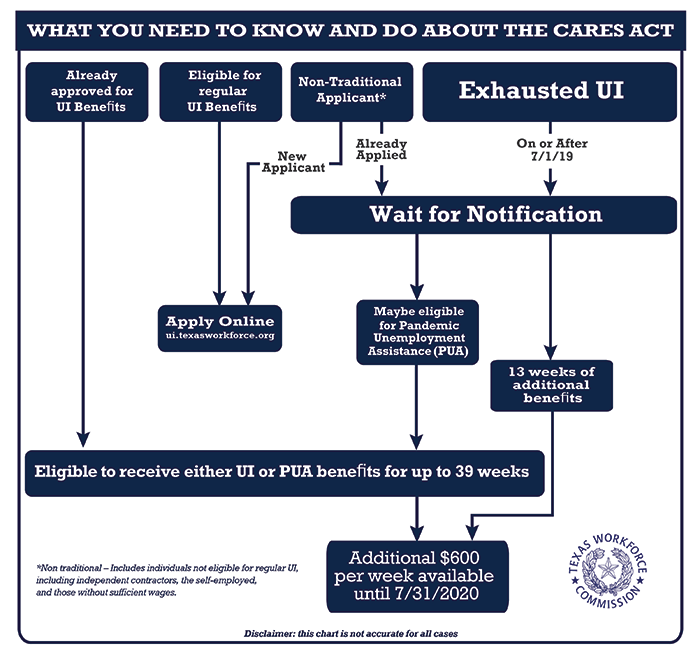
- Benefit Amount and Duration: Your weekly benefit amount is calculated based on a percentage of your average weekly wages during your base period, up to a maximum amount set by Texas law. The maximum duration for which you can receive benefits is typically 26 weeks, though this can be extended during periods of high unemployment through federal programs.
- Requesting Weekly Payments (Certifying): To continue receiving benefits after your initial claim is approved, you must request payment every week. This is typically done online through the UBS system or by phone. During this weekly request (often called “certifying” or “claiming your week”), you will report any earnings you had, confirm your availability for work, and document your work search activities. Failure to request payment each week will result in no benefits for that week.
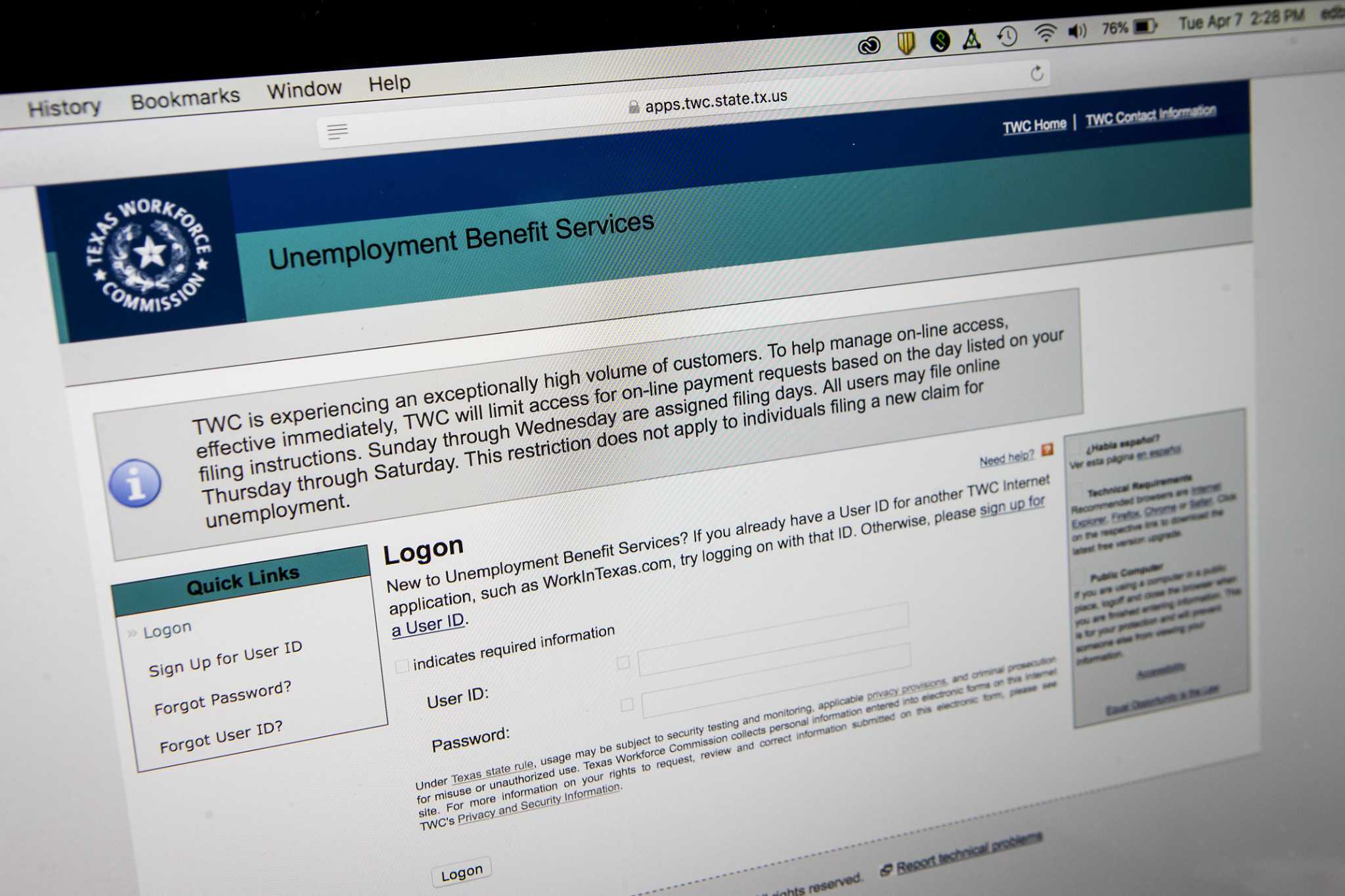
Monitoring your claim status regularly through the TWC online portal is highly recommended. Always keep records of all communications with the TWC and any job search activities you undertake.
Maintaining Your Claim and Receiving Benefits
Once your unemployment claim is approved, your responsibilities don’t end. To continue receiving benefits, you must adhere to ongoing requirements, including actively searching for work and accurately reporting any income.
Weekly Work Search Requirements
A cornerstone of receiving unemployment benefits in Texas is the active work search requirement. The Texas Workforce Commission (TWC) mandates that claimants actively look for work each week they claim benefits.
- Number of Activities: You are generally required to complete at least three work search activities each week. These activities must be verifiable and focused on securing new employment.
- Types of Acceptable Activities: Acceptable activities include:
- Contacting employers directly about job openings (in person, by phone, or email).
- Submitting résumés or applications for suitable jobs.
- Interviewing for jobs.
- Registering and maintaining a current résumé on WorkInTexas.com, the state’s official job board.
- Participating in job fairs or workshops.
- Networking with contacts in your field.
- Completing an approved re-employment service activity at a Workforce Solutions office (e.g., skill assessment, career counseling).
- Documentation: You must keep a detailed log of your work search activities, including the date of the activity, the employer’s name, their contact information, the type of job you applied for, and the outcome. While you might not be required to submit this log weekly, the TWC can request it at any time, and failure to provide it could result in denial of benefits.
- Exemptions: In certain circumstances, such as participating in TWC-approved training programs, you might be exempt from the work search requirement. If you believe you qualify for an exemption, you must contact the TWC.
Consistency and accuracy in documenting your work search are paramount. This demonstrates your commitment to returning to employment and fulfilling the conditions of your claim.
Reporting Earnings and Other Income
Transparency about your income is vital when claiming unemployment benefits. Any wages earned or other payments received during a benefit week must be accurately reported to the Texas Workforce Commission.
- Gross Earnings: Report your gross earnings (before taxes and deductions) for the week in which you performed the work, not necessarily the week you were paid.
- Impact on Benefits: The TWC has a formula to determine how your earnings will affect your weekly benefit amount. Typically, a portion of your earnings is disregarded, and the rest is deducted from your benefit. If your earnings exceed a certain threshold, you might not receive any benefits for that week.
- Other Income: You must also report other forms of income, such as:
- Severance Pay: Money paid by your employer after termination.
- Vacation/Holiday Pay: Payments for unused vacation or holiday time.
- Pension or Retirement Pay: Regular payments from a pension or retirement fund.
- Workers’ Compensation Benefits: Payments for a work-related injury or illness.
- Self-Employment Earnings: Any income generated from self-employment, even if minimal.
- Importance of Accuracy: Deliberately failing to report earnings or providing false information constitutes fraud, which carries severe penalties, including disqualification from future benefits, repayment of overpaid benefits with interest, and criminal prosecution. It’s always best to err on the side of caution and report any income you receive.
The Appeals Process
If your unemployment claim is denied or if you disagree with any decision made by the Texas Workforce Commission (TWC), you have the right to appeal.
-
First-Level Appeal (Appeal Tribunal):
- You must file your appeal within a strict deadline, typically 14 calendar days from the date the decision was mailed to you. The deadline is clearly stated on the decision notice.
- The appeal must be in writing and can usually be filed online, by mail, or fax. Clearly state that you are appealing the decision and briefly explain why you disagree.
- An impartial Appeal Tribunal (hearing officer) will schedule a hearing, usually by telephone. Both you and your former employer will have the opportunity to present your case, offer testimony, and submit evidence.
- It’s crucial to prepare for this hearing: gather all relevant documents, organize your thoughts, and be ready to answer questions.
- The Appeal Tribunal will issue a written decision after the hearing.
-
Second-Level Appeal (Commission Appeal):
- If you disagree with the Appeal Tribunal’s decision, you have another 14 calendar days to file a second-level appeal to the Commissioners of the Texas Workforce Commission.
- This review is typically based on the evidence presented at the Appeal Tribunal hearing. The Commissioners will review the record to determine if the previous decision was fair and in accordance with the law. They generally do not conduct new hearings or accept new evidence unless specifically requested.
-
Judicial Review:
- If you are still dissatisfied after the Commission Appeal, you may have the option to pursue judicial review in a Texas district court. This is the highest level of appeal within the state system and often requires legal representation.
Throughout the appeals process, continue to request weekly payments and conduct work searches. If your appeal is successful, you could receive benefits retroactively for the weeks you were eligible.
Key Resources and Important Considerations
Successfully navigating unemployment benefits in Texas extends beyond filing and weekly claims. It also involves understanding the consequences of fraud, knowing where to find help, and being aware of tax implications.
Avoiding Fraud and Misrepresentation
The Texas Workforce Commission (TWC) takes unemployment fraud very seriously. It is imperative to be completely honest and accurate in all your interactions with the agency.
- What Constitutes Fraud?
- Falsifying Information: Providing incorrect information on your application, such as reason for separation or past employers.
- Failing to Report Earnings: Not reporting wages earned from part-time work, temporary jobs, or self-employment while claiming benefits.
- Refusing Suitable Work and Not Reporting It: If you are offered a suitable job and decline it without good cause, and do not report this to the TWC.
- Working While Claiming Full Benefits: Receiving full unemployment benefits while simultaneously working and not reporting those earnings.
- Misrepresenting Availability: Claiming to be able and available for work when you are not (e.g., you are too ill, incarcerated, or on vacation).
- Consequences of Fraud: The penalties for unemployment fraud in Texas are severe and can include:
- Disqualification from Benefits: Losing eligibility for current and future benefits.
- Repayment of Overpaid Benefits: You will be required to repay any benefits received fraudulently, often with penalties and interest.
- Criminal Prosecution: Fraud can lead to criminal charges, fines, and even jail time.
- Identity Theft: Using someone else’s identity to claim benefits is also a serious crime.
It is always better to clarify any uncertainties with the TWC directly rather than guessing or intentionally withholding information. When in doubt, report it.
Contacting TWC for Assistance
While the Texas Workforce Commission (TWC) website is a vast resource, you may need personalized assistance.
- Online Portal (Unemployment Benefits Services – UBS): Your primary resource for checking claim status, requesting payments, and sending secure messages to the TWC.
- Tele-Center: For questions that cannot be answered online or for phone applications. The phone number is typically found on the TWC website. Be prepared for potential wait times.
- Workforce Solutions Offices: Located across Texas (e.g., in major cities like Houston, Dallas, Austin, San Antonio, and El Paso), these local centers offer job search assistance, workshops, and sometimes in-person help with unemployment claims. They are valuable for finding local job openings and resources specific to your area.
- FAQs and Guides: The TWC website provides extensive FAQs, user guides, and videos to help claimants understand the process.
When contacting the TWC, have your Social Security Number and claim information readily available. Be patient and polite, as representatives are there to help you navigate a complex system.
Tax Implications of Unemployment Benefits
It’s a common misconception that unemployment benefits are not taxable. This is not true at the federal level, and potentially at the state level if states were to implement their own income taxes.
- Federal Income Tax: Unemployment benefits are considered taxable income by the Internal Revenue Service (IRS) at the federal level. You will receive a Form 1099-G from the Texas Workforce Commission (TWC) each year, detailing the total amount of unemployment benefits you received. This form must be included when you file your federal income tax return.
- Withholding Options: You have the option to elect to have federal income tax withheld from your weekly unemployment payments. This can help prevent a large tax bill at the end of the year. If you don’t elect withholding, you should consider making estimated tax payments to the IRS yourself.
- State Income Tax: Texas does not have a state income tax, so your unemployment benefits will not be subject to state-level income tax within Texas. However, if you move to a state that does have income tax while receiving Texas benefits, you would need to check that state’s tax laws.
It is advisable to consult a tax professional or the IRS website for specific guidance on how unemployment benefits will affect your overall tax situation. Proper planning can help avoid unexpected tax liabilities.
Losing a job can be a daunting experience, but understanding how to file for and manage unemployment benefits in Texas empowers you to navigate this period with greater confidence. By following the steps outlined in this guide, staying informed about your responsibilities, and utilizing the resources provided by the Texas Workforce Commission, you can secure the temporary financial support you need while focusing on your search for new and fulfilling employment. Remember, honesty, diligence, and proactive engagement with the TWC are your best allies in this process.