
Florida, often known as the Sunshine State, is a magnet for travelers and residents alike, offering everything from pristine beaches to world-class theme parks. Beyond its allure as a premier travel destination, Florida offers significant benefits for those who choose to make it their permanent home, notably the Homestead Exemption. This tax relief program can substantially reduce the property tax burden for eligible homeowners, making the dream of living in paradise more attainable and sustainable. Whether you’re considering a move to vibrant Miami, family-friendly Orlando, or the cultural hub of St. Petersburg, understanding and leveraging the Homestead Exemption is crucial for optimizing your Florida lifestyle. This comprehensive guide will walk you through everything you need to know about filing for this valuable exemption, ensuring you can fully enjoy the benefits of calling Florida home.
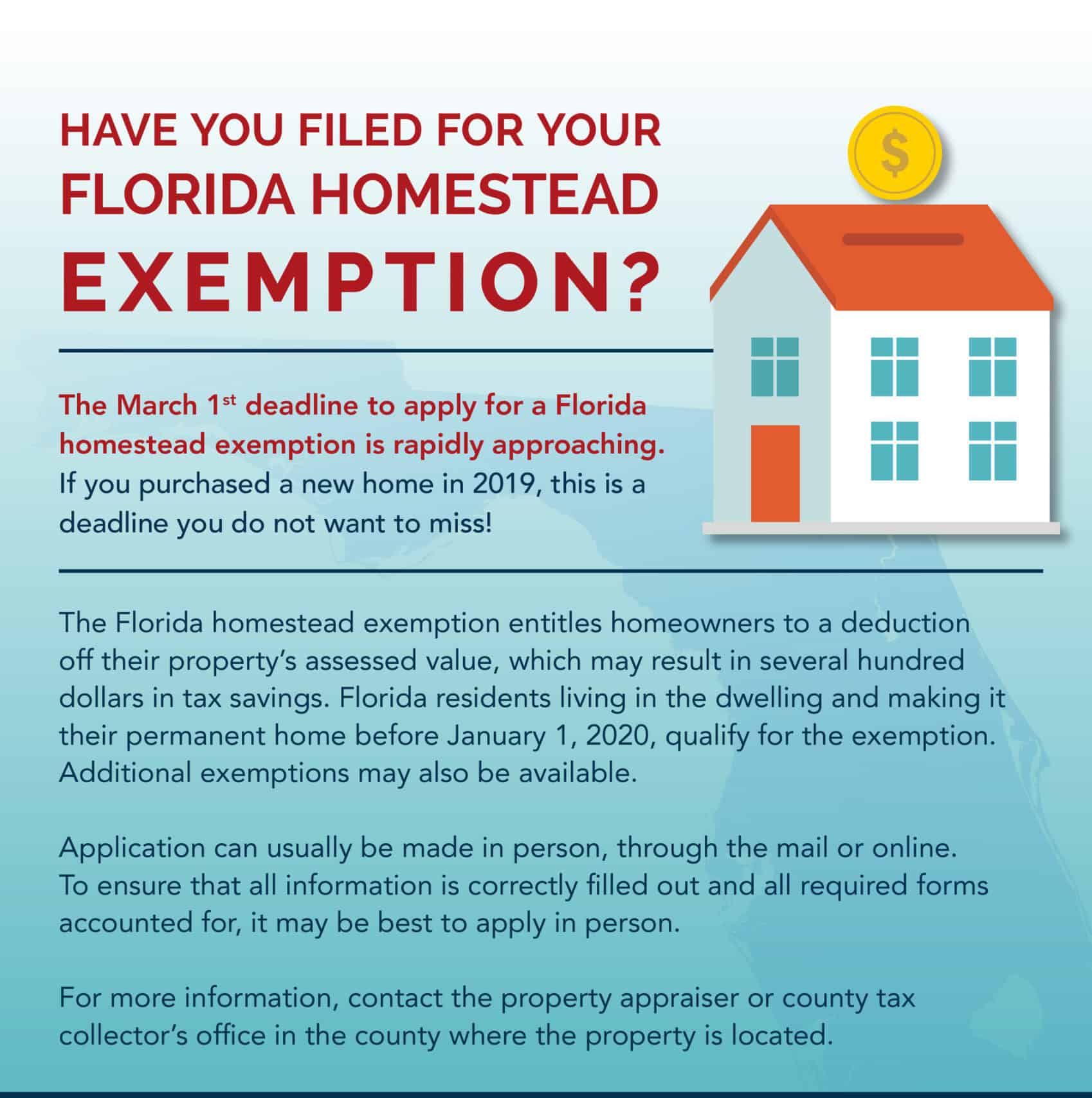
Understanding the Florida Homestead Exemption
For many, the appeal of Florida extends beyond its vacation spots; it’s about a lifestyle defined by sunshine, diverse communities, and a robust economy. Making the transition from visitor to resident often involves navigating new financial landscapes, and property taxes are a significant component of homeownership. This is where the Florida Homestead Exemption comes into play, offering a substantial relief that can impact your long-term financial planning and enjoyment of your new surroundings.
What is Homestead Exemption?
In essence, the Florida Homestead Exemption is a property tax exemption that reduces the taxable value of your primary residence by up to $50,000. It’s not a complete exemption from property taxes, but rather a reduction in the assessed value upon which those taxes are calculated. For example, if your home is assessed at $300,000, and you qualify for the full $50,000 exemption, your property taxes will be calculated as if your home were worth $250,000. This can lead to significant annual savings, freeing up funds that could be used for exploring Florida’s many attractions, enjoying local cuisine, or even investing in home improvements.
The exemption is enshrined in the Florida Constitution, underscoring its importance to the state’s residents. It’s designed to protect homeowners by making their primary residence more affordable and stable against rising property values. Furthermore, the Homestead Exemption also includes the “Save Our Homes” (SOH) amendment, which caps annual increases in the assessed value of homesteaded properties at 3% or the Consumer Price Index, whichever is lower. This protection is invaluable, especially in popular real estate markets like Tampa or Fort Lauderdale, where property values can otherwise skyrocket. For those planning a long-term stay in Florida, this protection offers peace of mind and financial predictability, allowing you to focus on enjoying the vibrant lifestyle that the state offers.
Key Benefits for Florida Residents
The benefits of securing your Homestead Exemption go far beyond just a reduction in your property tax bill. It’s a fundamental aspect of establishing your residency and enjoying the full privileges of being a Florida homeowner.
Firstly, the most direct benefit is the financial savings. Depending on your property value and local millage rates, the $50,000 exemption can translate into hundreds or even thousands of dollars in annual savings. These savings can significantly impact your budget, potentially allowing you to indulge in more of Florida’s luxurious offerings, such as a stay at a premium resort in Naples or frequent visits to Walt Disney World in Orlando.
Secondly, the “Save Our Homes” amendment provides crucial stability. In a state known for its dynamic real estate market, particularly in high-demand areas like Sarasota or Key West, the cap on assessment increases prevents your property taxes from dramatically escalating year after year. This protection is especially valuable for retirees or those on fixed incomes, ensuring their housing costs remain manageable over time.
Thirdly, there’s the portability benefit. If you sell your homesteaded property in Florida and purchase a new one within the state, you may be able to transfer a portion or all of your “Save Our Homes” benefits to your new residence. This makes moving within Florida more financially appealing, as you don’t necessarily lose the accumulated tax savings you’ve built up over the years. This flexibility supports the diverse lifestyle choices Florida residents enjoy, whether they’re moving from the bustling city life of Jacksonville to the serene beaches of Panama City Beach.
Lastly, the homestead exemption provides certain creditor protection. In many cases, your homesteaded property is protected from forced sale to satisfy most types of debts, offering a layer of financial security that is paramount for homeowners. This protection helps safeguard your primary residence, a critical asset, against unforeseen financial challenges, ensuring you can maintain your Florida accommodation and lifestyle without undue stress.
Eligibility Requirements and Documentation
Applying for the Florida Homestead Exemption requires meeting specific criteria and providing the correct documentation. It’s not a one-size-fits-all process, and each county property appraiser’s office will require proof that your property is indeed your permanent home. Understanding these requirements beforehand will streamline your application process and avoid unnecessary delays, allowing you to quickly settle into your new Florida routine.
Who Qualifies for Homestead Exemption?
To qualify for the Florida Homestead Exemption, you must meet several key conditions:
- Ownership: You must own the property as of January 1st of the year for which you are applying. This means your name must be on the deed or other ownership document. This applies whether you own a single-family home, a condo overlooking the Gulf of Mexico, or a townhouse in a master-planned community.
- Residency: The property must be your permanent legal residence (your domicile) as of January 1st of the application year. This is the most crucial requirement. It means you intend to return to this property whenever you’re away, and it’s where you typically live, eat, sleep, and maintain your personal affairs. This excludes vacation homes, second residences, or rental properties, which are often popular among visitors seeking temporary accommodation in Florida but do not qualify for this exemption.
- No Other Homestead Exemption: You or your spouse cannot claim a homestead exemption on any other property, either in Florida or in any other state or country. The Homestead Exemption is exclusively for your one primary residence.
Proof of residency is paramount and typically involves demonstrating your intent to make Florida your permanent home. This is where your actions and documented affiliations become vital. For instance, obtaining a Florida driver’s license, registering to vote in Florida, and filing for a Florida vehicle tag are strong indicators of your intent to reside permanently in the state. If you spend significant time traveling or have homes in other states, proving your Florida property as your primary domicile becomes even more critical.
Essential Documents for Your Application
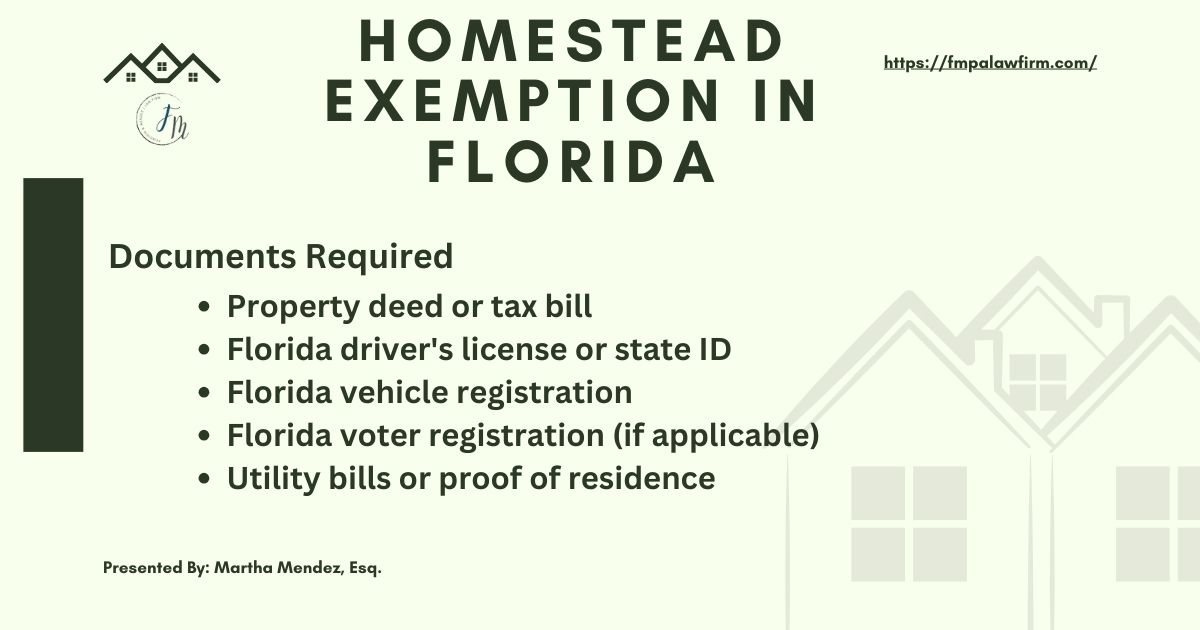
When you visit your local county property appraiser’s office to file your Homestead Exemption, you’ll need to bring a collection of documents that verify your ownership and residency. The specific requirements can vary slightly from county to county, so it’s always wise to check your local property appraiser’s website (e.g., Miami-Dade County Property Appraiser, Orange County Property Appraiser) or call ahead. However, generally, you should prepare the following:
- Proof of Ownership: A copy of your recorded deed or other ownership documents for the property. This confirms your legal interest in the homesteaded property.
- Florida Driver’s License or ID Card: This is perhaps the most critical piece of evidence for establishing your Florida residency.
- Florida Vehicle Registration: Proof that your vehicles are registered in Florida.
- Florida Voter Registration Card: If you are a registered voter, this shows your intent to participate in Florida elections and civic life.
- Social Security Number: For all applicants and your spouse, even if your spouse is not applying or living on the property.
- Declaration of Domicile: Some individuals, particularly those who have previously claimed residency in another state, may be asked to file a formal Declaration of Domicile with the Clerk of the Circuit Court.
- Other Supporting Documents: This might include utility bills, bank statements, employment verification, or federal income tax returns showing your Florida address. These help to further solidify your claim of permanent residency.
For married couples, both spouses typically need to provide their information, even if only one name is on the deed, as the exemption applies to the household. Gathering these documents in advance will ensure a smooth and efficient application process, allowing you to quickly move past the paperwork and enjoy your new Florida lifestyle.
The Application Process: Step-by-Step Guide
Once you’ve confirmed your eligibility and gathered all necessary documentation, the actual application process for the Florida Homestead Exemption is relatively straightforward. The key is to be timely and thorough, ensuring your application is submitted correctly and before the critical deadlines.
Submitting Your Application
The application process generally involves these steps:
- Locate Your County Property Appraiser’s Office: Each of Florida’s 67 counties has its own Property Appraiser’s Office responsible for processing homestead exemption applications. You’ll need to find the office for the county where your property is located, whether that’s Palm Beach County, Hillsborough County, or elsewhere. Many offices now offer online application portals, which can be a convenient option for those who prefer to complete the process digitally.
- Obtain the Application Form: You can typically download the application form from your county property appraiser’s website or pick one up in person. The form is usually titled “Application for Homestead Exemption” or similar.
- Complete the Form Accurately: Fill out all sections of the application form completely and accurately. Pay close attention to questions about your residency, ownership, and social security numbers. Any omissions or inaccuracies could delay your application.
- Attach Required Documents: Ensure you have copies of all the essential documents mentioned in the previous section. While some counties allow you to submit documents electronically, others may require physical copies. It’s often a good practice to bring both originals and copies if you are applying in person.
- Submit the Application: You can typically submit your application in person, by mail, or online, depending on your county’s procedures. Submitting in person allows you to ask questions and have a staff member review your documents for completeness, which can be very helpful. If you mail it, consider using certified mail for proof of delivery.
- Confirmation and Follow-Up: After submission, you should receive a confirmation or acknowledgment from the Property Appraiser’s Office. It’s wise to keep a copy of your submitted application and all documents for your records. If you don’t hear back within a reasonable timeframe (e.g., a few weeks), don’t hesitate to follow up with their office to check on the status of your application.
Important Dates and Deadlines
Timing is critical when applying for the Florida Homestead Exemption. Missing a deadline can mean waiting another entire year to receive the tax benefit, potentially costing you significant savings.
- Application Period: The application period for the Homestead Exemption begins on January 1st and runs through March 1st of the year for which you are applying. For instance, if you purchase and occupy your home as your primary residence on or before December 31st, 2023, you would apply for the 2024 Homestead Exemption between January 1st, 2024, and March 1st, 2024.
- January 1st Occupancy: You must own and occupy the property as your permanent residence on January 1st of the year for which you are claiming the exemption. This is a hard and fast rule. If you close on your home on January 2nd, you won’t be eligible for the exemption for that year; you’ll have to wait until the next year’s application period.
- March 1st Deadline: The absolute deadline to file your initial application is March 1st. There are very limited exceptions for late filing, and these usually require demonstrating extraordinary circumstances. It is strongly advised to complete your application well before this date to avoid any last-minute issues.
It’s a common practice for new homeowners to file their homestead exemption as soon as the application period opens in January. This ensures that their application is processed promptly and they can begin enjoying the tax savings without delay. By being diligent with these dates, you can seamlessly integrate this crucial financial benefit into your permanent Florida accommodation planning.
Beyond the Application: Maintaining Your Exemption
Filing your initial Homestead Exemption is a significant step, but it’s not always a one-time event. While the exemption often renews automatically each year once approved, there are situations and additional considerations that residents should be aware of to ensure they continue to receive their rightful benefits. This ongoing awareness is part of smart Florida living, allowing you to maximize your financial advantages while enjoying all the state has to offer, from the natural beauty of the Everglades to the historic charm of St. Augustine.
Special Considerations and Additional Exemptions
Beyond the standard Homestead Exemption, Florida offers several additional exemptions that can provide further property tax relief for specific groups of residents. It’s worth exploring these to see if you qualify:
- Senior Exemptions: Many counties offer additional exemptions for seniors who meet specific age and income requirements. For example, some counties provide an extra exemption for homeowners aged 65 or older with limited income. The exact criteria vary by county, so checking with your local property appraiser’s office is essential. These exemptions can be particularly beneficial for retirees who have chosen Florida for its pleasant climate and favorable tax environment, making their long-term stay even more comfortable.
- Disabled Veteran Exemption: Florida offers significant property tax exemptions for veterans with service-connected disabilities. The amount of the exemption varies based on the percentage of disability, and in some cases, a 100% disabled veteran may qualify for a full exemption from property taxes.
- Widow/Widower Exemption: A $500 exemption is available for widows and widowers.
- Blind Person Exemption: A $500 exemption is available for legally blind residents.
- First Responder Exemption: Certain first responders who are totally and permanently disabled as a result of an injury sustained in the line of duty may be eligible for a full property tax exemption.
Each of these additional exemptions has its own specific criteria and requires separate applications and supporting documentation. It’s crucial to proactively inquire with your county property appraiser’s office if you believe you might qualify for any of these, as they can significantly enhance your property tax savings and improve your overall financial well-being in Florida.
You also need to be aware of circumstances that could affect your exemption:
- Changes in Residency: If your property ceases to be your primary residence (e.g., you move out, rent it out, or claim residency elsewhere), you are legally obligated to notify the Property Appraiser’s Office. Failure to do so can result in back taxes, penalties, and interest.
- Changes in Ownership: If there’s a change in the deed (e.g., adding or removing an owner, transferring to a trust), you may need to reapply for the exemption or update your records.
- Marriage/Divorce: These life events can impact how the homestead exemption is applied, particularly regarding joint ownership or establishing a new primary residence.
Most property appraisers send out an annual “Homestead Exemption Renewal” notice or postcard. Even if your exemption renews automatically, it’s vital to review this notice to ensure all information is correct and to confirm that your exemption is indeed renewing.

The Homestead Exemption and Your Florida Lifestyle
Living in Florida is an experience rich with possibilities. From the bustling cultural scene of Miami, with its vibrant art deco hotels and international flair, to the tranquil beaches of Anna Maria Island, or the academic atmosphere of Gainesville, there’s a locale to suit every preference. The Homestead Exemption plays a subtle yet profound role in making this lifestyle more accessible and sustainable for permanent residents.
By reducing your property tax burden, the exemption frees up financial resources that can be directed towards enjoying the very experiences that make Florida such a desirable place to live. Imagine the extra funds you could put towards:
- Exploring Destinations: Frequent day trips to Kennedy Space Center, weekend getaways to Key West, or discovering hidden gems along the Emerald Coast.
- Indulging in Local Tourism: Experiencing Florida’s diverse food scene, attending local festivals, or taking advantage of outdoor activities like kayaking in the Everglades or golfing on championship courses.
- Enhancing Your Accommodation: Reinvesting savings into your home, perhaps by adding a pool, upgrading your kitchen, or creating a beautiful Florida-friendly garden, making your primary residence even more enjoyable.
- Lifestyle Choices: Opting for a luxury travel experience once a year, building a stronger financial safety net, or simply enjoying the peace of mind that comes with lower housing costs.
The Homestead Exemption is more than just a tax break; it’s a foundational benefit that supports the long-term residency and financial well-being of homeowners in Florida. By understanding its nuances, diligently applying, and staying informed about its maintenance, you can fully embrace the dream of a sun-soaked Florida lifestyle, knowing your accommodation costs are managed efficiently. It’s an essential step in transitioning from a visitor enjoying the state’s many attractions to a true resident, thriving in its vibrant communities and enjoying its unique blend of leisure and opportunity.
LifeOutOfTheBox is a participant in the Amazon Services LLC Associates Program, an affiliate advertising program designed to provide a means for sites to earn advertising fees by advertising and linking to Amazon.com. Amazon, the Amazon logo, AmazonSupply, and the AmazonSupply logo are trademarks of Amazon.com, Inc. or its affiliates. As an Amazon Associate we earn affiliate commissions from qualifying purchases.