
For the modern traveler, entrepreneurship often goes hand-in-hand with the pursuit of wanderlust. Whether you’re dreaming of launching a luxury travel blog, managing a portfolio of short-term rental properties, or offering bespoke tour services, establishing a solid legal foundation for your venture is paramount. And for those drawn to the dynamic spirit and sprawling landscapes of the Lone Star State, forming a Limited Liability Company (LLC) in Texas offers a strategic pathway to both protect your assets and formalize your travel-inspired business.
Texas is not just a destination for cowboys and barbecue; it’s a rapidly growing economic hub, offering a business-friendly environment that appeals to a diverse range of entrepreneurs, including those in the travel and lifestyle sectors. From the vibrant live music scene of Austin to the historic Riverwalk in San Antonio, the bustling international trade of Houston, and the cosmopolitan flair of Dallas, the state offers myriad opportunities for travel-focused businesses to thrive. An LLC provides a structure that separates your personal finances from your business liabilities, offers potential tax advantages, and lends credibility to your brand, whether you’re operating from a Texas ranch or managing your enterprise remotely from a beachside villa in Bali. This comprehensive guide will walk you through the essential steps to forming your Texas LLC, tailored for the travel enthusiast and the lifestyle entrepreneur.
Why Form an LLC for Your Travel Ventures in Texas?
Establishing an LLC in Texas can be a game-changer for individuals looking to merge their passion for travel with sound business practices. It’s more than just a legal formality; it’s a strategic move that offers a suite of benefits designed to protect your personal assets, enhance your business’s credibility, and provide operational flexibility—all crucial elements for those navigating the often unpredictable world of travel and tourism. Whether you’re managing a luxury glamping site in Big Bend National Park or running an online platform for travel experiences in South Padre Island, an LLC can provide the robust framework you need.
Benefits for Digital Nomads and Remote Workers
For the digital nomad whose office is anywhere with a Wi-Fi connection, or the remote worker who leverages their freedom to explore new destinations, an LLC offers unparalleled advantages. The primary benefit is limited liability protection, which means your personal assets—like your home, car, and savings—are shielded from business debts and lawsuits. If your travel photography business faces a client dispute or your tour guiding service in Marfa encounters an unforeseen issue, your personal finances remain separate and protected. Beyond protection, forming an LLC in Texas can enhance your professional credibility. When dealing with hotels for partnership opportunities, suppliers for adventure gear, or even advertisers for your travel blog, presenting as a legally established entity like “Texas Trails Adventure Tours LLC” or “Lone Star Lodging Solutions LLC” conveys a level of professionalism and seriousness that sole proprietorships often lack. This credibility can open doors to better deals, larger contracts, and more significant collaborations within the travel industry. Additionally, Texas offers a business-friendly environment with no state corporate or individual income tax, which can translate into potential tax advantages for your LLC, depending on how you elect for it to be taxed (e.g., as a pass-through entity like a sole proprietorship or partnership, or as an S-corp or C-corp). This can mean more capital to reinvest in your business or more funds for your next travel adventure.
Streamlining Vacation Rental Businesses
The landscape of vacation rentals, from charming Airbnb properties in Fredericksburg‘s wine country to luxurious villas near Lake Travis, is booming. If you’re a property owner or manager in Texas, an LLC is virtually indispensable. By placing your vacation rental properties under an LLC, you create a legal barrier between your personal assets and potential liabilities associated with the properties. Imagine a guest slipping and falling, or a dispute arising from property damage; without an LLC, your personal wealth could be at risk. With an LLC, the business entity itself, rather than you personally, is typically responsible for these debts and obligations. This protection is vital for anyone engaging in property management, ensuring that one problematic rental doesn’t jeopardize your entire financial future. Furthermore, an LLC simplifies the process of managing multiple properties. You can establish a single entity, perhaps “Texas Hospitality Group LLC,” to own and operate all your rental properties, streamlining accounting, contracts, and banking. This centralized management system makes it easier to track income and expenses, file taxes, and even secure financing for future property acquisitions, allowing you to scale your accommodation business effectively across diverse Texas destinations.
Professionalizing Your Travel Blog or Consultancy
In an increasingly crowded digital space, standing out as a travel blogger, influencer, or consultant requires more than just captivating content; it demands a professional identity. Forming an LLC for your travel blog, like “Wanderlust Chronicles LLC,” or your travel consultancy service, such as “Global Journeys Consulting LLC,” can significantly enhance your brand image and foster trust with your audience and potential partners. When you approach brands for sponsored content, collaborate with tourism boards, or offer expert advice to clients planning their dream trips, operating as an LLC signals legitimacy and commitment. This formal structure also makes it easier to separate business finances from personal expenses, a critical step for tax purposes and financial planning. As your blog or consultancy grows, an LLC makes it simpler to attract larger partnerships and negotiate more favorable terms. Big brands and established tourism entities prefer to work with registered businesses, as it simplifies contractual agreements, invoicing, and compliance. Moreover, if you ever decide to bring on partners or investors, the LLC structure provides a clear legal framework for ownership, profit distribution, and decision-making, ensuring that your venture can evolve smoothly as your travel aspirations expand.
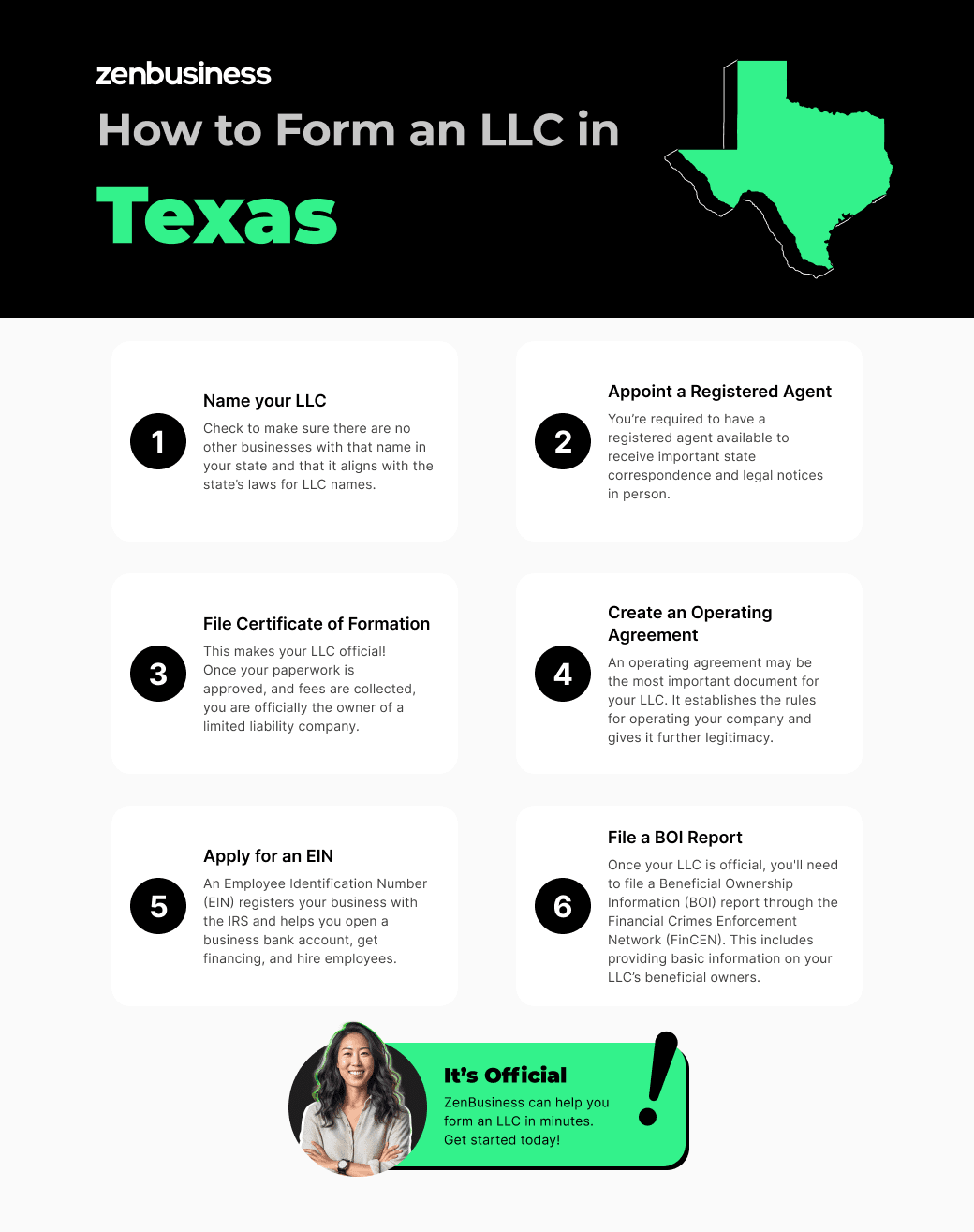
Key Steps to Forming Your Texas LLC: A Traveler’s Guide to Business Setup
Navigating the legalities of business formation can seem daunting, especially when your mind is often focused on your next flight or exotic destination. However, the process of forming an LLC in Texas is surprisingly straightforward, designed to be accessible for entrepreneurs, including those in the travel and lifestyle sectors. Understanding each step ensures a smooth journey from idea to legally recognized entity, allowing you to focus on crafting unforgettable travel experiences or curating the perfect hotel review.
Choosing a Unique Name (and Checking Availability)
The first and arguably most creative step in forming your Texas LLC is selecting a name. Your business name is your brand’s identity, especially in the travel industry where evocative and memorable names can capture the imagination. Think about names that reflect your niche – perhaps “Hill Country Hideaways LLC” for a boutique accommodation business, or “Gulf Coast Adventures LLC” for a water sports outfitter near Galveston.
The legal requirements for an LLC name in Texas are:
- It must include “Limited Liability Company,” “Limited Company,” or an abbreviation such as “LLC” or “LC.”
- It must be distinguishable from other existing business names on file with the Texas Secretary of State.
To check if your chosen name is available, you’ll need to perform a search on the Texas Secretary of State’s website. This crucial step prevents you from filing with a name that’s already taken, saving you time and potential refiling fees. While you’re at it, it’s also wise to check if the corresponding domain name and social media handles are available, especially for travel businesses that rely heavily on an online presence. Reserving your name with the state (for a small fee) can temporarily protect it while you complete the other formation steps, giving you peace of mind as you plan your next trip.
Appointing a Registered Agent in Texas
Every LLC in Texas is required to have a Registered Agent. This is a designated individual or entity responsible for receiving official legal and tax documents on behalf of your LLC. Think of them as your business’s official point of contact with the state. The Registered Agent must have a physical street address in Texas (not a P.O. Box) and be available during normal business hours to accept service of process.
For travel entrepreneurs, especially digital nomads or those who frequently travel outside of Texas, appointing a reliable Registered Agent is incredibly important. If you’re constantly on the move, from a Parisian cafe to a Tokyo skyscraper, you won’t always be available to receive crucial legal notices. A professional Registered Agent service can ensure you never miss an important document, regardless of your location. They will receive the mail, digitize it, and forward it to you electronically, allowing you to stay compliant and informed from anywhere in the world. While you can appoint yourself if you reside in Texas and have a stable physical address, many choose a professional service for the convenience, privacy, and reliability it offers, allowing them to truly embrace the “life out of the box” philosophy without business worries.
Filing Your Certificate of Formation
This is the core legal step that officially brings your LLC into existence. You must file a Certificate of Formation with the Texas Secretary of State. This document formally registers your LLC and contains essential information about your business.
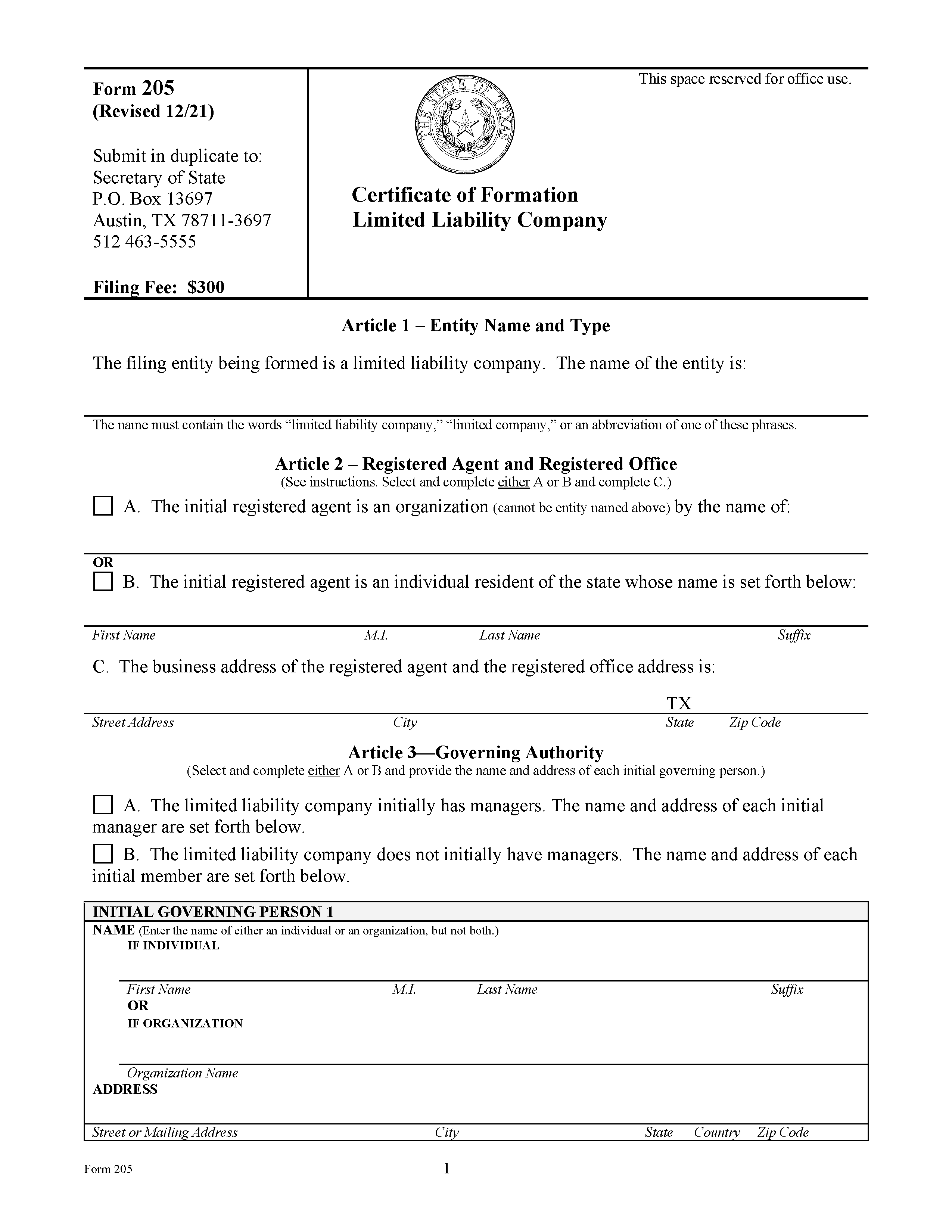
The Certificate of Formation typically requires the following details:
- The name of your LLC: The unique name you selected and verified.
- The name and address of your Registered Agent: The individual or service you appointed.
- The purpose of your LLC: While Texas allows for a broad statement like “any lawful purpose,” you can specify if your business has a particular travel or lifestyle focus, such as “to provide travel consultancy services and operate vacation rentals.”
- The names and addresses of the organizers: The individuals filing the document (who may or may not be the owners/members).
- Duration: Often perpetual, meaning the LLC exists indefinitely unless dissolved.
You can file this document online through the Texas Secretary of State’s SOSDirect system, by mail, or in person. Filing online is generally the fastest method, with processing times often taking just a few business days. Once approved, you’ll receive a filed copy of your Certificate of Formation, which is your official proof that your LLC has been legally formed in Texas. This document is essential for opening business bank accounts, obtaining permits, and demonstrating your business’s legal standing to partners, investors, or even tour operators you might collaborate with on your travels.
Crafting an Operating Agreement
While the Certificate of Formation registers your LLC with the state, the Operating Agreement is the internal document that dictates how your LLC will be run. In Texas, an Operating Agreement is not legally required to be filed with the state, but it is highly recommended – considered by many to be the most critical document for any LLC, especially for multi-member travel businesses.
This legally binding document outlines:
- Ownership percentages and capital contributions: How much each member has invested.
- Member roles and responsibilities: Who does what in “Explorer Expeditions LLC.”
- Profit and loss distribution: How earnings and losses are allocated among members.
- Voting rights: How decisions are made, particularly important for travel agencies coordinating complex trips.
- Procedures for adding or removing members: Essential for dynamic teams.
- Dissolution procedures: How the LLC would be wound up if the members decide to part ways or cease operations.
For a multi-member LLC focused on travel, such as “Austin Food Tours LLC” or “Dallas Art Walks LLC,” a well-drafted Operating Agreement prevents disputes and provides clarity. It acts as a roadmap, ensuring all members are on the same page regarding the business’s operations, financial management, and future direction. Even for a single-member LLC, an Operating Agreement is valuable as it demonstrates to banks, potential investors, and the IRS that your business is a separate legal entity, reinforcing the limited liability protection. It serves as your business’s constitution, allowing you to manage your Texas travel venture with confidence, no matter where your journeys take you.
Obtaining an EIN
An Employer Identification Number (EIN), also known as a Federal Tax Identification Number, is like a social security number for your business. Issued by the IRS, it is essential for almost all LLCs, regardless of whether you plan to hire employees.
You will need an EIN if your Texas LLC:
- Has more than one member (i.e., you have business partners).
- Plans to hire employees (e.g., local guides for your Texas excursions or staff for your hotel review website).
- Elects to be taxed as a corporation (S-corp or C-corp).
- Needs to open a business bank account.
Even if you are a single-member LLC and don’t plan to hire employees, most banks will require an EIN to open a business checking account. Separating your business finances from your personal finances is a cornerstone of maintaining your LLC’s limited liability protection. You can apply for an EIN online directly through the IRS website, and it’s a quick and free process. Having an EIN is a crucial step towards operating your travel business legitimately, allowing you to manage finances, pay taxes, and grow your enterprise with the structure and professionalism it deserves, whether you’re based in Texas or exploring the wonders of Patagonia.
Beyond Formation: Maintaining Your Texas LLC While Exploring the World
Forming your LLC is a significant accomplishment, but it’s just the beginning of your entrepreneurial journey. For the travel and lifestyle enthusiast, maintaining compliance while on the go is crucial. A well-managed LLC allows you the freedom to explore new destinations and pursue your passions without constantly worrying about legal or administrative issues back home. Understanding ongoing requirements and strategic considerations for your Texas LLC will ensure it remains a robust foundation for your global adventures.
Annual Reporting and Compliance
Unlike many other states that require annual reports for LLCs, Texas does not generally mandate an annual report for LLCs. This can be a welcome relief for busy travel entrepreneurs. However, this doesn’t mean your Texas LLC is entirely free from ongoing state obligations. All Texas businesses, including LLCs, are subject to the Texas Franchise Tax. Even if your LLC falls below the revenue threshold for paying the tax, you’ll still likely need to file an annual “No Tax Due Report” or the full Franchise Tax report, depending on your revenue. This report is filed with the Texas Comptroller of Public Accounts.
Staying compliant while traveling requires a proactive approach. Ensure your Registered Agent’s information is always up-to-date and that you have a system for receiving and reviewing important documents electronically, whether you’re in a bustling Bangkok market or a serene Swiss chalet. Mark your calendar for the Franchise Tax due date (typically May 15th) and consider using accounting software or a professional service to help manage your financial records. Neglecting these seemingly minor compliance details can lead to penalties, loss of good standing, or even administrative dissolution of your LLC, which could severely disrupt your travel-focused business operations.
Tax Considerations for Travel Entrepreneurs
Navigating taxes as a travel entrepreneur with a Texas LLC involves understanding both state and federal obligations. As mentioned, Texas doesn’t have an individual income tax, and the primary state business tax is the Franchise Tax. However, at the federal level, your LLC will typically be taxed as a “pass-through” entity by default. This means the LLC’s profits and losses are passed through to the owners’ personal tax returns and reported on Schedule C (if single-member) or Schedule K-1 (if multi-member). This avoids the “double taxation” common with C-corporations.
However, an LLC offers flexibility in how it’s taxed. You can elect for your LLC to be taxed as an S-corporation or a C-corporation. An S-corp election can be particularly attractive for travel bloggers, consultants, or property managers who earn a substantial income, as it can potentially reduce self-employment taxes (Social Security and Medicare). This is because only the owner’s “reasonable salary” is subject to these taxes, not the entire profit of the business. Consulting with a qualified tax professional is highly recommended to determine the best tax election for your specific travel business and income level, especially when considering the complexities of international travel and potential foreign income. Understanding these considerations ensures you maximize your financial efficiency, leaving more funds for your next grand tour or resort stay.

Adapting Your Business as You Travel
The beauty of a well-structured LLC, particularly in a business-friendly state like Texas, is its inherent flexibility. Your travel business is likely dynamic, evolving as you discover new destinations, refine your niche, or identify emerging trends in the tourism and hospitality industry. An LLC structure can easily accommodate these changes. If you initially set up “Texas Adventure Tours LLC” focusing on local Texas excursions but later decide to pivot to international travel planning, your LLC can continue operating under the same umbrella. There’s no need to form a new entity; you simply adapt your services and marketing efforts.
The Operating Agreement, which you’ve already crafted, serves as a living document that can be amended to reflect changes in ownership, operational strategies, or even new business ventures you might pursue from a remote location. For instance, if you decide to expand your travel blog into offering premium online courses on travel photography, your existing LLC can seamlessly manage this new revenue stream. This adaptability empowers you to iterate, innovate, and expand your travel and lifestyle enterprises without constant legal hurdles. By establishing a solid Texas LLC, you’re not just creating a business; you’re building a versatile platform that supports your journey as an entrepreneur, giving you the freedom to explore both the world and the vast possibilities of your business.
In conclusion, forming an LLC in Texas is a strategic and empowering step for any travel or lifestyle entrepreneur. It provides critical asset protection, enhances credibility, offers potential tax benefits, and grants the operational flexibility needed to thrive in a globalized world. By meticulously following these steps, from naming your venture and appointing a Registered Agent to filing your Certificate of Formation, drafting an Operating Agreement, and obtaining an EIN, you lay a secure foundation. And by staying mindful of ongoing compliance and tax considerations, you can ensure your Texas LLC remains a stable and supportive entity, enabling you to pursue your passions, explore new horizons, and truly live “life out of the box” with confidence and peace of mind.