
The allure of the open road, the promise of a stable career, and the unique lifestyle of constant travel beckon many to consider a Commercial Driver’s License (CDL). In the vast expanse of Texas, a state synonymous with wide-open spaces and a thriving economy, obtaining a CDL opens doors to an essential and rewarding profession. This isn’t just about driving; it’s about embarking on a journey that combines the thrill of travel with a crucial contribution to the nation’s commerce and lifestyle. For those who dream of a career that breaks free from the confines of an office, offering new horizons and a dynamic work environment, a Texas CDL is your passport.
This comprehensive guide will navigate you through every step of securing your CDL in the Lone Star State, from understanding the initial requirements to mastering the intricate exams. We’ll explore the lifestyle advantages, the career opportunities, and how this unique path intertwines with themes of travel, accommodation, and a distinct professional journey.
The Call of the Open Road: Why a CDL in Texas?
Embarking on a career as a commercial driver in Texas isn’t merely a job; it’s a lifestyle choice that offers unparalleled freedom, significant career opportunities, and a chance to experience the expansive beauty and diverse landscapes of the United States. For many, it’s the ultimate form of professional travel, where the journey itself is the workplace.
A Career with Unparalleled Freedom and Opportunity
The demand for qualified commercial drivers, particularly in a logistical hub like Texas, remains consistently high. This translates into excellent earning potential and robust job security, making a CDL a sound investment in your future. Unlike many traditional careers, commercial driving offers a diverse range of roles. You could be a long-haul driver, crisscrossing the continent and seeing destinations like New York City to Los Angeles, or a local driver, specializing in daily routes within vibrant metropolitan areas such as Houston or Dallas.
This profession inherently embodies the spirit of travel. Every day brings a new destination, a new challenge, and new scenery. Imagine watching the sunrise over the vast plains of West Texas, navigating the bustling streets of San Antonio, or experiencing the unique charm of Austin’s outskirts. It’s a career that constantly takes you to new places, fostering a unique sense of exploration and independence. The lifestyle appeals to those who seek autonomy, enjoy solitude, and thrive on the rhythm of the road, offering a refreshing departure from the conventional 9-to-5 office routine.
Texas: A Strategic Hub for the Trucking Industry
Texas holds a pivotal position in the American trucking industry, thanks to its strategic geographical location and extensive infrastructure. As a border state with Mexico and a central link between the eastern and western United States, it serves as a critical nexus for trade and distribution. The state boasts an impressive network of major highways and interstates, including I-10, I-35, and I-45, which are vital arteries for commerce flowing through North America.
This robust infrastructure supports a thriving economy where trucking is indispensable. Major commercial centers such as Fort Worth, El Paso, and Corpus Christi rely heavily on the transportation of goods, from agricultural products to manufactured goods and petroleum. For aspiring CDL holders, this means an abundance of opportunities right within the state, whether you’re interested in regional hauling, cross-border logistics, or specialized freight. The economic impact of trucking in Texas is immense, making it an ideal place to establish and grow a career in commercial driving.
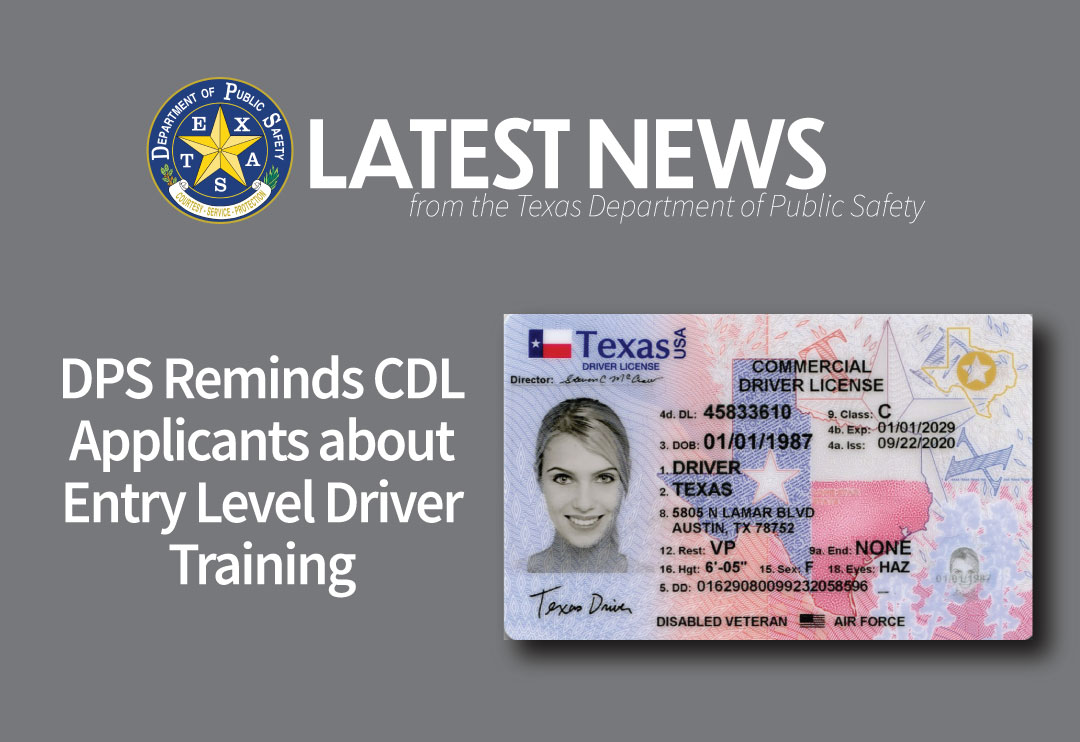
Navigating the Requirements: Your CDL Journey Begins
Before you can hit the road with a commercial vehicle, there are fundamental requirements and steps to fulfill. Understanding these prerequisites is the first critical phase in your journey to becoming a licensed CDL driver in Texas.
Eligibility and Pre-requisites for a Texas CDL
To qualify for a CDL in Texas, you must meet several key criteria set by the Texas Department of Public Safety (DPS).
- Age Requirements: You must be at least 18 years old to drive commercial vehicles intrastate (within Texas). For interstate driving (across state lines), the federal minimum age requirement is 21 years old. This is an important distinction if your career aspirations involve long-haul travel across the country.
- Texas Residency: You must be a legal resident of Texas and provide proof of residency. This ensures that you are properly documented within the state’s licensing system.
- Valid Non-Commercial License: A valid, non-commercial Texas driver’s license is a prerequisite. Your driving record must also be in good standing, free from serious violations that could disqualify you.
- Medical Certification: Commercial drivers are required to undergo a physical examination by a certified medical examiner listed on the National Registry of Certified Medical Examiners. This ensures you meet the health standards set by the Department of Transportation (DOT) and are medically fit to operate a commercial vehicle safely. Upon passing, you’ll receive a DOT medical card.
- Background Checks: Expect comprehensive background checks, including drug and alcohol screenings, to ensure compliance with federal safety regulations. A clean driving record and a clear background are paramount for safety and public trust in the commercial driving industry.
Understanding CDL Classes and Endorsements
The type of commercial vehicle you intend to operate will dictate the specific CDL class you need. Additionally, special qualifications, known as endorsements, may be required for certain types of cargo or passenger transport.
- Class A CDL: This is the most comprehensive CDL and is required to operate any combination of vehicles with a Gross Combination Weight Rating (GCWR) of 26,001 pounds or more, provided the Gross Vehicle Weight Rating (GVWR) of the vehicle being towed is more than 10,000 pounds. This includes tractor-trailers, often seen crisscrossing the nation, carrying everything from consumer goods to industrial equipment. If your vision involves long-haul travel and transporting diverse freight, a Class A CDL is your primary target.
- Class B CDL: This license allows you to operate a single vehicle with a GVWR of 26,001 pounds or more, or a vehicle towing another vehicle that weighs no more than 10,000 pounds. Examples include straight trucks, city buses, dump trucks, and larger delivery trucks. This class is ideal for those interested in local or regional routes, public transport, or specific construction-related roles.
- Class C CDL: This is for vehicles that do not meet the criteria for Class A or Class B but are designed to transport 16 or more passengers (including the driver), or carry hazardous materials as defined by federal regulations. This class is less common for freight transport but crucial for specialized passenger services or hazardous materials delivery within defined routes.
Common Endorsements:
- H (Hazardous Materials): Required for transporting placarded hazardous materials. This endorsement involves additional knowledge tests and a federal background check.
- N (Tanker): Necessary for transporting liquids or liquefied gases in a tank vehicle.
- T (Doubles/Triples): Allows you to pull double or triple trailers (not permitted in all states).
- P (Passenger): Required for driving vehicles designed to transport passengers (e.g., buses).
- S (School Bus): A specialized passenger endorsement with additional requirements, including a specific knowledge test and a criminal background check.
Each endorsement signifies a specific type of specialized travel or hauling, broadening your career options and potentially increasing your earning potential within the trucking industry.
The Path to Licensure: From Classroom to Commercial Driving
The journey to obtaining your CDL involves rigorous training and thorough testing designed to ensure you possess the knowledge and skills necessary to operate large commercial vehicles safely and efficiently. This phase combines academic learning with extensive practical experience, preparing you for the realities of the road.
CDL Training Programs in Texas
Enrolling in a reputable CDL training program is highly recommended and, for many, a necessary step to successfully pass the licensing exams and confidently enter the trucking profession. These programs provide structured learning environments that cover both theoretical knowledge and hands-on driving skills.
Texas offers a variety of training options, including private CDL schools and community college programs. When choosing a school, consider factors such as:
- Reputation and Accreditation: Look for schools with a strong track record of success and industry recognition.
- Comprehensive Curriculum: Ensure the program covers all aspects of CDL training, including classroom instruction on rules and regulations, vehicle mechanics, safety protocols, and extensive practical driving experience.
- Hands-on Training: The quality of practical training is paramount. Look for schools that offer ample behind-the-wheel time, including practice on various road conditions – from city streets to highways and rural routes across Texas. This real-world exposure prepares you for diverse driving scenarios and helps you become proficient in maneuvering large vehicles.
- Job Placement Assistance: Many schools offer job placement services, connecting graduates with trucking companies actively seeking new drivers. This can be invaluable for jump-starting your career.
- Program Duration and Cost: Programs typically range from a few weeks to several months. Research the costs involved and inquire about potential financing options, scholarships, or employer-sponsored training programs.
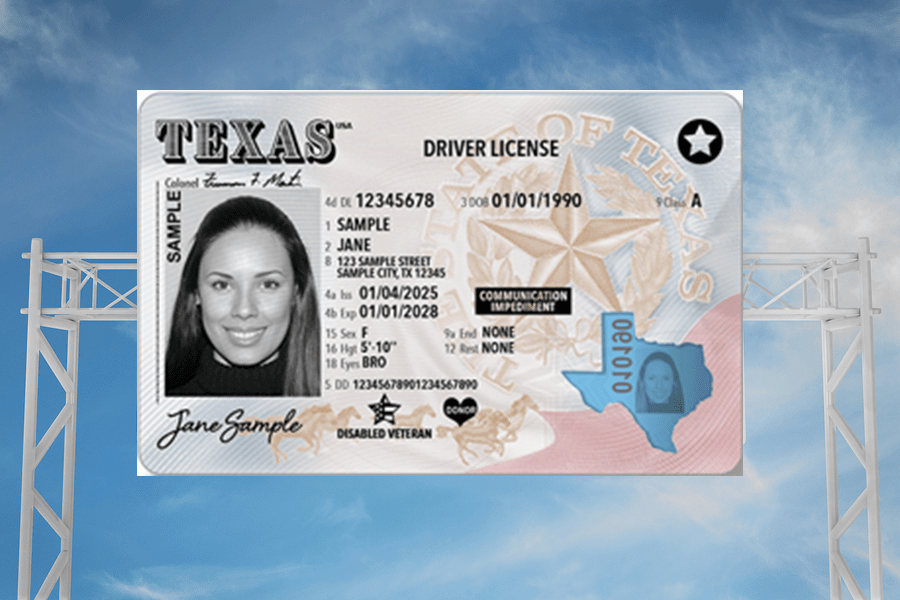
Mastering the CDL Exams
Once training is complete, the final hurdle is passing the series of CDL exams administered by the Texas Department of Public Safety. These tests are designed to evaluate both your theoretical understanding and your practical driving abilities.
Knowledge Tests:
These written exams assess your understanding of federal and state regulations, vehicle operation, and safety principles.
- General Knowledge Test: Covers basic CDL rules, safe driving practices, and vehicle systems.
- Air Brakes Test: Essential for understanding the complex air brake systems used in commercial vehicles.
- Combination Vehicles Test: Required for Class A applicants, focusing on the unique challenges of operating tractor-trailers.
- Endorsement-Specific Tests: If you’re seeking endorsements like HazMat, Tanker, or Passenger, you’ll need to pass additional knowledge tests specific to those areas.
- Study Resources: The official Texas CDL Handbook is your primary resource for preparing for these tests. It contains all the information you’ll need to know.
Skills Tests (Road Test):
The practical skills test is the culmination of your training and is divided into three parts:
- Vehicle Inspection (Pre-trip Inspection): You’ll be required to demonstrate your ability to inspect your vehicle thoroughly, identifying potential mechanical issues before beginning a trip. This includes checking lights, tires, brakes, fluid levels, and other crucial components.
- Basic Vehicle Control Skills Test: This segment assesses your ability to maneuver the commercial vehicle in controlled settings. Tasks often include backing exercises (straight line, offset, alley dock) and parking, demonstrating precision and spatial awareness.
- On-Road Driving Test: This is the practical driving portion, conducted on actual public roads. An examiner will evaluate your ability to drive safely and proficiently in various conditions. This includes starting, stopping, turning, changing lanes, merging onto highways, maintaining proper speed and following distance, and demonstrating awareness of traffic laws and your surroundings. You might navigate through the dynamic traffic of downtown Austin, the sprawling industrial zones of Houston, or the open highways of rural Texas, showcasing your ability to adapt to different environments.

Passing these exams requires not only extensive study and practice but also composure and confidence. Many find that the hands-on experience gained in a CDL training program is invaluable for succeeding in the skills tests.
Life on the Road: Beyond the License
Earning your CDL is just the beginning. The true adventure unfolds as you embrace the unique lifestyle of a commercial driver, a profession that merges travel, strategic accommodation, and a commitment to well-being. It’s a job that shapes your entire way of living, offering experiences unlike any other.
The Trucking Lifestyle: Travel, Accommodation, and Well-being
The essence of the trucking lifestyle is continuous travel. Every trip is an opportunity to see new places, witness breathtaking landscapes, and become intimately familiar with the diverse regions of the country. From the arid beauty of West Texas to the lush green hills of the East, commercial drivers are privileged to have a front-row seat to America’s scenery.
Accommodation: For many long-haul drivers, the sleeper cab of their truck becomes a “mobile home.” These modern cabs are often equipped with beds, small refrigerators, and even entertainment systems, providing a comfortable, albeit compact, living space. Truck stops evolve beyond mere fuel stations; they become vital communities on the road, offering essential amenities such as showers, laundry facilities, food options, and sometimes even medical clinics or barber shops. These stops serve as social hubs where drivers can connect, share stories, and find camaraderie.
While the truck is often home, there are times when a traditional hotel stay is necessary or preferred. During mandated rest periods, when visiting family, or in the event of mechanical breakdowns, drivers might seek out hotels in cities like San Antonio or Corpus Christi. Many hotel chains located near major interstates cater to commercial drivers, offering truck parking and amenities conducive to a restful stay. Extended-stay hotels can be particularly attractive for longer breaks or training sessions.
Maintaining Well-being: The transient nature of the job necessitates a conscious effort towards health and wellness. Access to healthy food options, regular exercise, and adequate rest are crucial. Many drivers incorporate portable cooking equipment, plan routes to include stops with fitness facilities, or utilize apps to find healthy dining options on the road. The mental fortitude required for long stretches of driving also highlights the importance of staying connected with family and friends and pursuing hobbies during downtime.
Maximizing Your CDL: Further Opportunities and Growth
A CDL is a foundational credential that can lead to a diverse and evolving career path. The trucking industry offers numerous avenues for growth, specialization, and even entrepreneurship.
- Specialized Hauling: With experience and additional endorsements, you can move into specialized hauling, such as transporting oversized loads, hazardous materials, or liquid bulk. These roles often come with higher pay due to the increased skill and responsibility involved, and they can take you on even more unique “travel” missions.
- Owner-Operator: For those with an entrepreneurial spirit, becoming an owner-operator allows you to run your own business, choosing your routes, setting your schedules, and managing your own truck. This offers the ultimate freedom and control over your travel and professional lifestyle, albeit with greater responsibility.
- Career Progression: The skills gained as a commercial driver are transferable and highly valued. Many drivers transition into roles such as dispatchers, training instructors for new CDL students, safety managers, or fleet managers. These positions often offer a more stable, home-based lifestyle while leveraging invaluable on-the-road experience.
- Continuous Learning: The industry is constantly evolving with new technologies, regulations, and equipment. A commitment to continuous learning, through workshops, advanced training, or staying informed on industry news, ensures a long and successful career.
In essence, a CDL is not just a license; it’s a gateway to a dynamic career that offers freedom, financial stability, and a unique perspective on the world through continuous travel.
In conclusion, obtaining a CDL in Texas is a significant step towards a fulfilling career that blends professional responsibility with a distinctive travel-oriented lifestyle. From meeting the initial eligibility criteria and undergoing rigorous training to mastering the knowledge and skills tests, each stage prepares you for the challenges and rewards of the open road. The vast infrastructure of Texas and its pivotal role in national commerce make it an ideal starting point for aspiring drivers.
Beyond the technicalities of the license, a CDL opens up a world of opportunities for those who appreciate the independence of continuous travel, the camaraderie of the trucking community, and the satisfaction of contributing to the nation’s economic pulse. It’s a career path that embodies a unique lifestyle, offering both the freedom to explore and the satisfaction of a vital profession. For individuals seeking a meaningful journey that takes them beyond the ordinary, a Texas CDL truly provides a life out of the box.
LifeOutOfTheBox is a participant in the Amazon Services LLC Associates Program, an affiliate advertising program designed to provide a means for sites to earn advertising fees by advertising and linking to Amazon.com. Amazon, the Amazon logo, AmazonSupply, and the AmazonSupply logo are trademarks of Amazon.com, Inc. or its affiliates. As an Amazon Associate we earn affiliate commissions from qualifying purchases.