
For anyone embarking on a new chapter in the Centennial State, whether it’s for an extended stay, a new career, or simply to embrace the unparalleled Colorado lifestyle, securing a Colorado Driver’s License is often an essential step. This document isn’t just a permit to drive; it’s a primary form of identification, crucial for everything from booking accommodation at a charming resort in Vail or a stylish apartment in Denver, to enjoying local tourism activities and accessing various services. Navigating the process can seem daunting, but with the right information and preparation, it can be a smooth transition, opening up endless possibilities for exploration and integration into Colorado’s vibrant culture and breathtaking destinations.
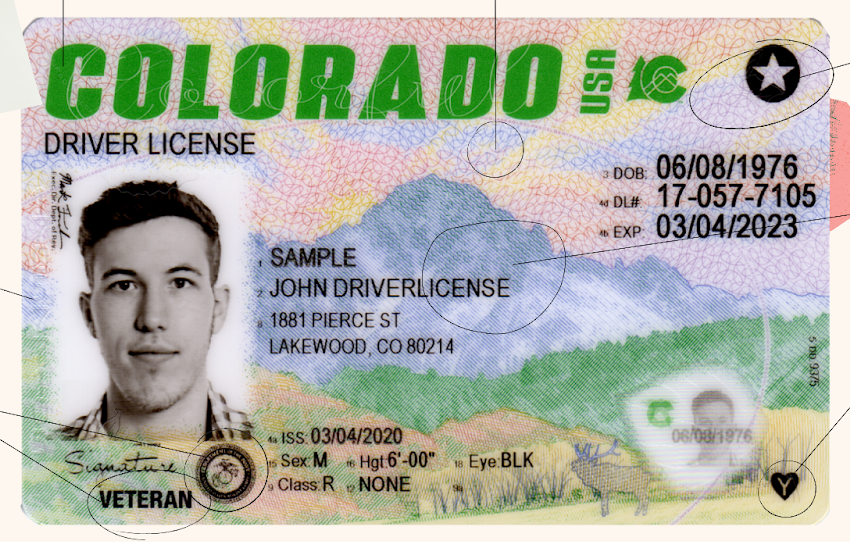
This comprehensive guide will walk you through everything you need to know, from understanding who needs a Colorado license to the intricate details of documentation and testing. Whether you’re moving from another U.S. state or arriving from an international location, we’ll help clarify the requirements, streamline your preparation, and ensure you’re ready to hit the road and experience all that Colorado has to offer, from the majestic peaks of Rocky Mountain National Park to the historic streets of Boulder and the bustling cityscape of Colorado Springs.
Who Needs a Colorado Driver’s License? Understanding Residency and Visitor Status
The first crucial step is determining if you actually need a Colorado Driver’s License. This largely hinges on your residency status. While visitors and tourists often do not need a Colorado license for short stays, new residents are generally required to obtain one within a specific timeframe. Understanding this distinction is vital to avoid any complications during your stay or relocation.
Establishing Colorado Residency
Colorado law defines a resident for licensing purposes quite broadly. Generally, if you move to Colorado with the intent to make it your permanent home, you are considered a resident. This intent can be demonstrated by various actions, such as renting or owning a home, registering to vote, accepting employment in the state, or enrolling children in Colorado schools. Once you establish residency, you typically have 30 days to obtain a Colorado Driver’s License.
Proof of residency is a critical part of the application process. You’ll need to provide documents that clearly show your name and current Colorado address. Acceptable documents often include utility bills (electricity, gas, water), a lease agreement or mortgage statement for your accommodation, a bank statement from a Colorado institution, or official mail from a government agency. For those settling into a long-term apartment or exploring the extended stay options at a hotel, these documents are usually readily available.
International Visitors: IDP vs. Colorado License
For international travelers visiting Colorado for tourism or short-term trips, an International Driving Permit (IDP) or a valid driver’s license from their home country is often sufficient. An IDP acts as a translation of your foreign driver’s license and must always be carried along with your original license. This allows visitors to rent cars and navigate Colorado’s landmarks and attractions with ease, from Pikes Peak to Mesa Verde National Park.
However, if your stay extends beyond a typical tourist visit, or if you become a resident (as defined above), you will be required to obtain a Colorado Driver’s License. This applies to individuals on certain types of U.S. Visas who intend to reside in the state for an extended period, such as those working or studying. The rules for non-citizens can be more complex, often requiring additional documentation to prove lawful presence, which we will delve into further.
Essential Requirements and Documentation for Your Application
Once you’ve determined that you need a Colorado Driver’s License, the most critical step is gathering the correct documents. The Colorado Division of Motor Vehicles (DMV) adheres to strict guidelines for verifying identity and residency. Failure to bring the proper paperwork can result in significant delays, requiring multiple trips to the DMV office. It’s advisable to review the official Colorado DMV website for the most up-to-date list of acceptable documents before your visit.
Proof of Identity and Lawful Presence
Every applicant must provide proof of their identity and, if not a U.S. citizen, proof of lawful presence in the United States. This is a cornerstone of the application process, ensuring that licenses are issued to eligible individuals.
For U.S. Citizens:
- A valid U.S. Passport or Passport Card.
- Your original Certified U.S. Birth Certificate (not a photocopy) along with a valid photo ID.
- A Certificate of Naturalization.
For Non-Citizens:
- A valid Foreign Passport accompanied by a valid U.S. Visa and your I-94 (Arrival/Departure Record).
- A Permanent Resident Card (Green Card).
- An Employment Authorization Document (EAD) or other valid USCIS documents indicating your legal status.
It’s crucial that all documents are original and unexpired. For visitors considering a longer stay, perhaps enjoying the amenities of a luxury hotel like the St. Regis Aspen Resort or a Four Seasons Hotel Denver, understanding these requirements early can prevent future headaches.
Demonstrating Social Security Number and Residency
Beyond identity and lawful presence, applicants must also verify their Social Security Number (SSN) and Colorado residency.
Proof of Social Security Number:
- Your original Social Security Card.
- A W-2 form or a recent pay stub that clearly displays your full SSN.
- Certain tax forms (e.g., 1099).
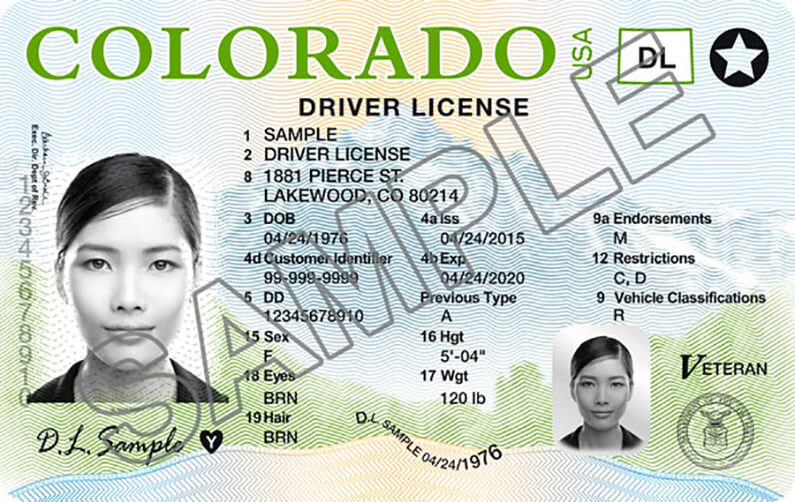
For those who have recently moved to Colorado and may not yet have local employment or a physical Social Security Card on hand, exploring acceptable alternatives beforehand is highly recommended. The DMV may also accept a letter from the Social Security Administration stating non-eligibility for an SSN, which is sometimes the case for temporary visitors who do not have work authorization.
Proof of Colorado Residency:
As mentioned earlier, you will need two separate documents proving your current Colorado residential address. These cannot be from the same source. Examples include:
- A current utility bill (electricity, gas, water, internet) with your name and address.
- A lease agreement or mortgage statement.
- A bank statement or credit card statement (dated within 60 days).
- A valid Colorado vehicle registration.
- A piece of official government mail (e.g., from the IRS, state agencies).
Having these documents meticulously organized before your visit to the DMV will significantly expedite your application process.
The Application Process: Your Step-by-Step Guide
With all your documents in hand, you’re ready to tackle the application process at the Colorado Division of Motor Vehicles (DMV). This typically involves a few key stages: scheduling an appointment, completing paperwork, undergoing necessary screenings, and passing the required tests.
Preparing for Your Tests
Most first-time Colorado applicants, including those transferring an out-of-country license, will need to pass both a written knowledge test and a driving skills test. Applicants transferring a valid, unexpired driver’s license from another U.S. state typically only need to complete the vision screening and present their documents.
The Written Knowledge Test: This exam assesses your understanding of Colorado traffic laws, road signs, and safe driving practices. The best way to prepare is to thoroughly study the Colorado Driver Handbook. This handbook is available online on the Colorado DMV website and covers everything you need to know. Many practice tests are also available online to help you familiarize yourself with the format and types of questions. For those new to driving in the United States, understanding these local nuances is crucial for safety and successful integration into the state’s driving lifestyle.
The Driving Skills Test (Road Test): This practical test evaluates your ability to safely operate a vehicle and demonstrate common maneuvers. You’ll need to provide a properly registered and insured vehicle for the test, and a licensed driver must accompany you to the DMV. The test typically covers skills such as turns, lane changes, parking, maintaining proper speed, and obeying traffic signals. Practice is key. Spending time driving on various roads, perhaps even simulating routes around busy areas like Union Station Denver or near the Garden of the Gods in Colorado Springs, can significantly boost your confidence.
Fees and Final Steps
The Colorado DMV charges various fees associated with obtaining a driver’s license. These typically include an application fee, fees for the written and driving tests (if required), and the license issuance fee. It’s wise to check the current fee schedule on the DMV website before your appointment. Payment methods usually include cash, check, or credit/debit card.
Once you pass all required tests and submit your documentation, you will typically have your photo taken. You’ll then be issued a temporary paper driver’s license, which is valid immediately. Your permanent plastic license will be mailed to your Colorado address within a few weeks. Until you receive the permanent card, the temporary license combined with another form of photo ID (like your Foreign Passport or U.S. Passport) should suffice for most identification purposes.
Special Considerations for New Drivers and Transfers
The Colorado DMV has specific programs and considerations for different applicant groups, especially young drivers and those moving from other U.S. states.
Graduated Driver Licensing (GDL) for Minors
For new drivers under the age of 18, Colorado implements a Graduated Driver Licensing (GDL) program. This program is designed to gradually introduce young drivers to driving privileges, with restrictions that lessen over time as they gain experience. It typically involves:
- Permit Phase: Requires supervised driving and a minimum number of behind-the-wheel hours.
- Provisional License Phase: Allows unsupervised driving with certain restrictions, such as limits on passengers and nighttime driving.
- Full License: Issued after meeting all GDL requirements and reaching a certain age.
Parents or guardians play a crucial role in this process, often needing to provide consent and certify driving practice hours. Many young people in Colorado opt for driver education courses to help them prepare for the tests and learn safe driving habits, vital for navigating the diverse terrains, from the urban sprawl of Denver to the winding mountain roads near Aspen or Breckenridge.

Transferring an Out-of-State License
If you are moving to Colorado from another U.S. state and hold a valid, unexpired driver’s license, the process is generally simpler. You will typically be exempt from the written knowledge and driving skills tests. However, you will still need to provide all the required documentation for identity, lawful presence, Social Security Number, and Colorado residency.
Be prepared to surrender your out-of-state license when you apply for your Colorado Driver’s License. This ensures that you only hold one valid state driver’s license at a time. The process is designed to be straightforward for these transfers, reflecting the interstate agreements that acknowledge driving privileges across states.
Obtaining a Colorado Driver’s License is more than just a bureaucratic task; it’s a gateway to fully experiencing the freedom and adventure that Colorado offers. From exploring iconic landmarks like Red Rocks Amphitheatre or driving the scenic Mount Evans Scenic Byway, to enjoying local tourism and embracing the outdoor lifestyle in ski towns like Keystone, Telluride, or Steamboat Springs, having a valid license is indispensable. By carefully following these steps, gathering your documents, and preparing for the necessary tests, you can navigate the DMV process with confidence and quickly get to enjoying the majestic beauty and dynamic culture of the Centennial State.
LifeOutOfTheBox is a participant in the Amazon Services LLC Associates Program, an affiliate advertising program designed to provide a means for sites to earn advertising fees by advertising and linking to Amazon.com. Amazon, the Amazon logo, AmazonSupply, and the AmazonSupply logo are trademarks of Amazon.com, Inc. or its affiliates. As an Amazon Associate we earn affiliate commissions from qualifying purchases.