
The thought of moving to a new state can be exhilarating, especially when that state is Colorado. With its stunning natural beauty, vibrant cities, and endless opportunities for outdoor adventure, the Centennial State beckons many seeking a fresh start. However, amidst the excitement of planning your relocation, finding the perfect accommodation in Denver, Boulder, or Colorado Springs, and dreaming of exploring the majestic Rocky Mountains, a crucial administrative task often comes to the forefront: obtaining a new driver’s license. For those moving from out-of-state, securing a Colorado driver’s license is not just a matter of convenience; it’s a necessary step towards fully integrating into your new Colorado lifestyle.
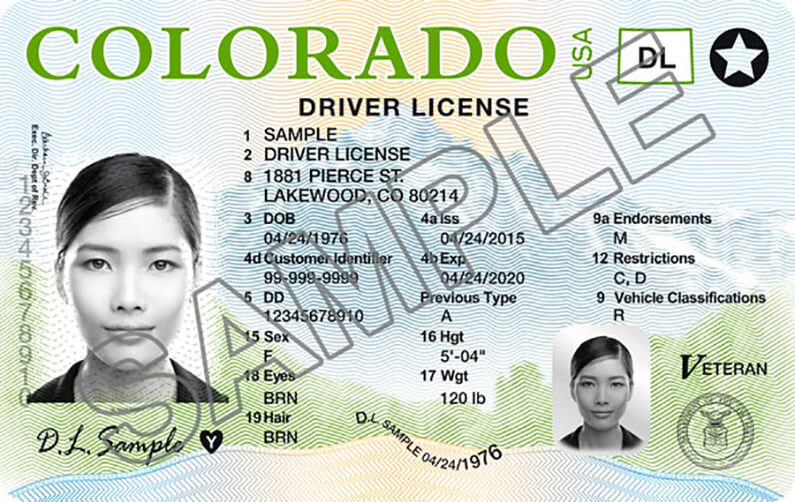
This comprehensive guide is designed to walk you through every step of the process, ensuring a smooth transition as you settle into your new home. We’ll cover everything from the initial allure of Colorado and essential relocation tips to the precise requirements and procedures for swapping your out-of-state license for a Colorado one. Whether you’re moving for work, seeking a change of scenery, or embarking on a grand adventure, this article will equip you with the knowledge needed to navigate the administrative hurdles with ease, allowing you more time to enjoy the incredible travel and tourism opportunities that await.
Embarking on Your Colorado Adventure: More Than Just a License
Moving to Colorado is about more than just changing your address; it’s about embracing a new chapter filled with discovery, adventure, and a distinct mountain lifestyle. Before diving into the specifics of driver’s licenses, it’s worth appreciating why so many are drawn to this incredible state and considering some initial steps to make your relocation as seamless as possible.
The Allure of the Centennial State
Colorado’s appeal is multifaceted, drawing individuals and families from all walks of life. The state boasts an impressive array of landmarks and natural wonders, from the towering peaks of the Rocky Mountain National Park to the otherworldly rock formations of Garden of the Gods near Colorado Springs. Cities like Denver offer a vibrant urban experience with a thriving arts scene, diverse culinary options, and major league sports, all set against a breathtaking mountain backdrop. For those seeking a quieter, more academic vibe, Boulder blends intellectual pursuits with unparalleled access to hiking and biking trails. Further afield, historic towns like Durango and resort destinations like Vail and Aspen offer world-class skiing and unique cultural experiences.
The lifestyle in Colorado is intrinsically linked to the outdoors, with residents often prioritizing healthy living, outdoor recreation, and community engagement. Whether you’re an avid hiker, a ski enthusiast, a craft beer connoisseur, or simply someone who appreciates stunning vistas, Colorado offers an environment where these passions can flourish. This rich tapestry of experiences makes Colorado not just a place to live, but a destination to truly experience and explore.
Initial Steps to Settling In
Relocating from out-of-state involves more than just packing boxes and driving across state lines. To ensure a smooth transition, consider these crucial initial steps, many of which tie into your eventual driver’s license application:
First, securing temporary or permanent accommodation is paramount. Websites like Airbnb or Vrbo are excellent resources for short-term stays, allowing you time to explore different neighborhoods before committing to a long-term lease or purchase. If you prefer more traditional hotels, chains like Marriott and Hilton offer suites and extended-stay options that can make your initial weeks more comfortable. For those planning a longer stay or seeking a more immersive experience, exploring local apartment complexes or even houses for rent through real estate agencies is advisable. Finding a place to live not only provides a home base but also generates essential documents for proving your new Colorado residency, such as a lease agreement or utility bills.
Next, familiarize yourself with your new local area. Research local amenities, schools, and transportation options. While public transport is available in major cities like Denver, having a vehicle is often essential for truly experiencing all that Colorado has to offer, especially for accessing remote hiking trails, ski resorts, or even just exploring the different regions from Fort Collins to Telluride. Finally, start the process of establishing proof of residency. This might include setting up utility accounts in your name, registering to vote, or even opening a local bank account. These actions not only help you settle in but also provide the necessary documentation for your driver’s license application.
Navigating the Driver’s License Application Process
Once you’ve settled into your new Colorado home, the next critical step is to obtain your Colorado driver’s license. This process is managed by the Colorado Department of Motor Vehicles (DMV), known locally as the Division of Motor Vehicles (DMV). Understanding the specific requirements and steps involved will significantly streamline your experience.
Essential Documents and Requirements
The Colorado DMV requires specific documentation to verify your identity, residency, and legal presence in the United States. To avoid multiple trips, it’s crucial to gather all necessary papers before visiting a DMV office. While the exact requirements can sometimes vary, the following categories generally apply:
-
Proof of Identity and Legal Presence: This is perhaps the most critical category. You will need to provide one or more documents to prove who you are and that you are lawfully present in the U.S.
- U.S. Citizens: A valid, unexpired U.S. passport or passport card is typically the easiest option. Alternatively, an original or certified birth certificate (with a raised seal) combined with a valid photo ID (like your out-of-state driver’s license) can work. You might also use a Certificate of Naturalization or Certificate of Citizenship.
- Non-U.S. Citizens: Depending on your status, you may need to present documents such as a Permanent Resident Card (Green Card), Employment Authorization Document (EAD), or an unexpired foreign passport with a valid U.S. visa and I-94 record. It is vital to ensure these documents are current and accurately reflect your legal status.
-
Proof of Social Security Number (SSN): The DMV requires proof of your SSN. This can typically be shown with your Social Security card, a W-2 form, a SSA-1099 form, or a non-SSA 1099 form. The document must display your full name and SSN. If you do not have an SSN, you may need to provide an affidavit stating this, or present an Individual Taxpayer Identification Number (ITIN) if applicable.
-
Proof of Colorado Residency: This is where your efforts in settling in truly pay off. You will need to provide two acceptable documents showing your current physical address in Colorado. These documents must be less than one year old and display your name and physical Colorado address (PO boxes are generally not accepted for this purpose). Examples include:
- A utility bill (gas, electric, water, trash, internet, landline phone bill).
- A bank statement (dated within the last 90 days).
- A valid Colorado hunting or fishing license.
- A current lease agreement or mortgage statement.
- A pay stub with your Colorado address.
- Vehicle registration.
- A property tax bill or statement.
- An insurance policy (homeowner’s or renter’s).
-
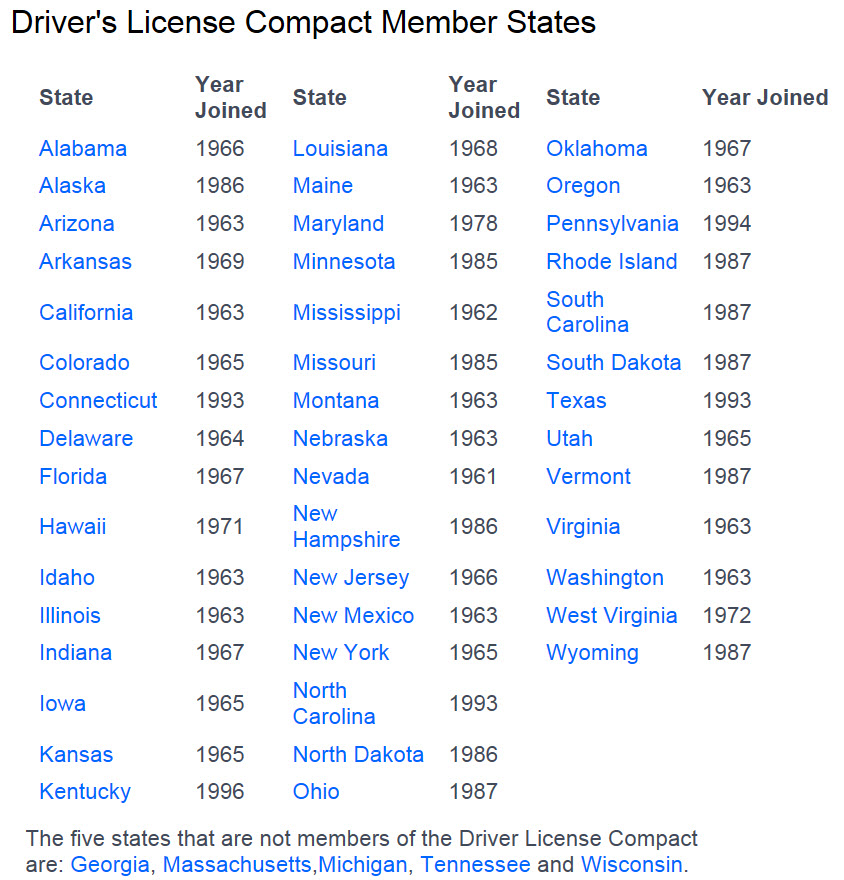
Your Out-of-State Driver’s License: You will need to surrender your valid out-of-state driver’s license or instruction permit when applying for your Colorado license. Ensure it is not expired, suspended, or revoked.
It is highly recommended to visit the official Colorado DMV website (DMV.Colorado.gov) or call them directly before your visit. Their website often has a “Document Checklist” tool that can help you confirm the exact documents required based on your specific situation. Gathering these documents meticulously will save you considerable time and potential frustration.
The Application Steps: From Paperwork to Permit
With your documents in hand, you’re ready to navigate the application process itself. The steps are relatively straightforward but require attention to detail:
-
Schedule an Appointment (Highly Recommended): While some DMV offices accept walk-ins, wait times can be extensive. Most Colorado DMV locations offer online appointment scheduling. Booking an appointment significantly reduces your wait time and ensures you are seen promptly.
-
Visit a Colorado DMV Office: Arrive at your chosen DMV office with all your required documents. You will typically be given a number or directed to a specific counter.
-
Complete the Application Form: You will be asked to fill out an application form for a Colorado driver’s license. This form will request personal information, your previous license details, and confirmation of your Colorado residency.
-
Present Documents and Pay Fees: Hand over your compiled documents to the DMV representative. They will review them for accuracy and completeness. Be prepared to pay the applicable fees for the driver’s license, which can vary but are generally around $28 for a standard license. Payment methods typically include cash, check, debit cards, and major credit cards.
-
Vision Screening: All applicants are required to pass a vision screening test. This is a simple test to ensure your eyesight meets the minimum requirements for safe driving. If you wear glasses or contact lenses, bring them.
-
Knowledge Test (Written Exam): If your out-of-state driver’s license has been expired for more than one year, or if you are upgrading a permit to a full license for the first time, you will likely need to pass a written knowledge test. This test covers Colorado traffic laws, road signs, and safe driving practices. Study the Colorado Driver Handbook beforehand, which is available online. Most out-of-state transfers with a currently valid license are exempt from this test, but it’s good to be prepared.
-
Driving Skills Test (Road Test): Similar to the knowledge test, if your out-of-state license is expired beyond a certain period (e.g., one year), or if you are a first-time driver, you may need to take a driving skills test. However, if you are transferring a valid, unexpired out-of-state driver’s license, you are typically exempt from the road test. Always confirm this with the DMV as rules can change.
-
Photograph and Fingerprints: Your photo will be taken for your new license, and your fingerprints may be scanned.
-
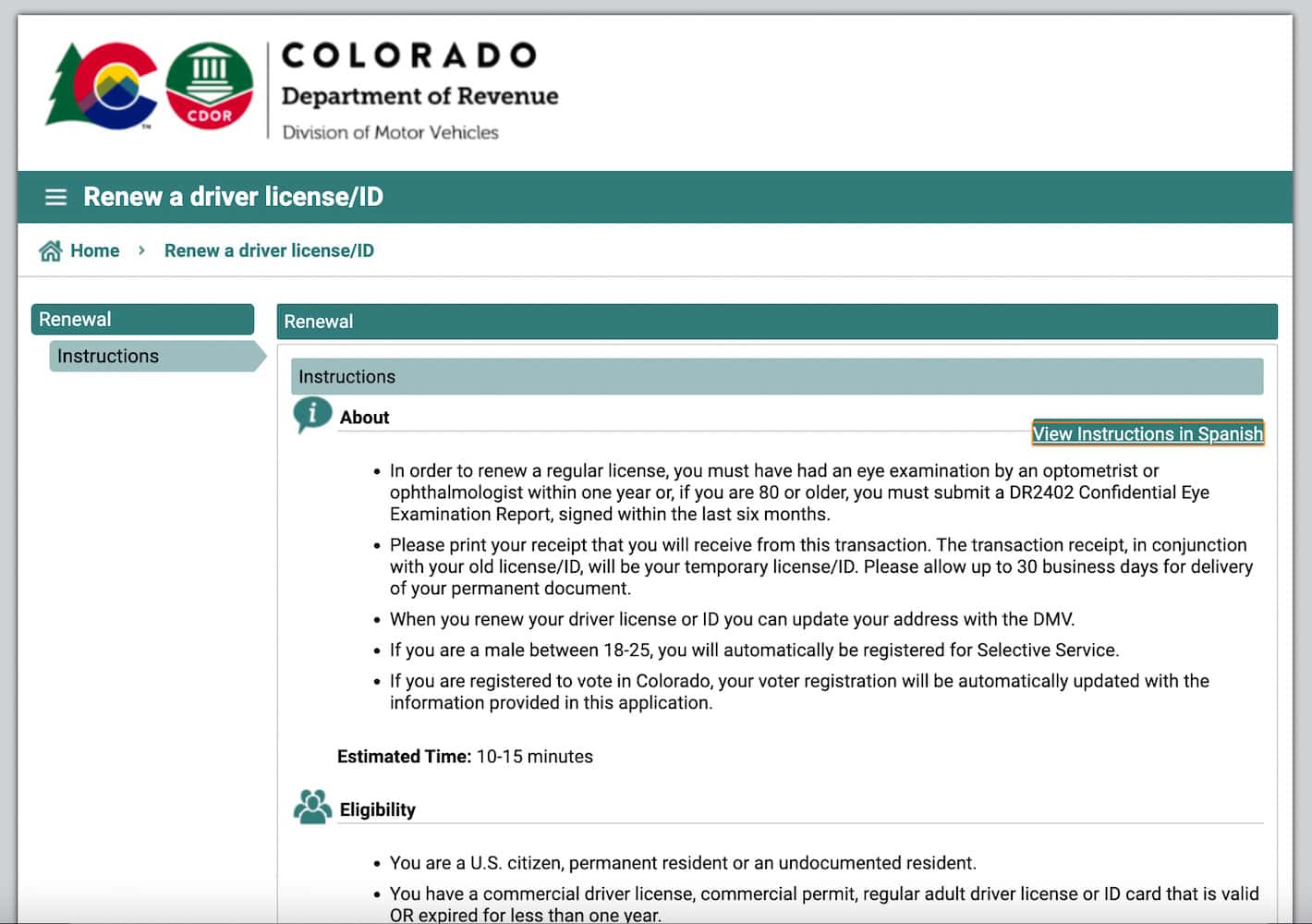
Receive Temporary License: Upon successful completion of all steps, you will be issued a temporary paper license, valid until your permanent plastic license arrives in the mail, usually within a few weeks. Your out-of-state license will be surrendered at this point.
Congratulations! You’ve successfully navigated the process. With your temporary license in hand, you are now legally recognized as a Colorado driver.
Beyond the License: Thriving in Your New Colorado Life
Securing your Colorado driver’s license is a significant milestone in your relocation journey, but it’s just the beginning. The real adventure starts now, as you begin to explore and embrace everything the Centennial State has to offer. With the freedom of a local license, your opportunities for travel and discovery expand exponentially.
Exploring Colorado’s Wonders
Colorado is a playground for outdoor enthusiasts and culture seekers alike. Having a valid Colorado driver’s license means you can freely drive to some of the state’s most iconic landmarks and hidden gems.
- National Parks: Beyond Rocky Mountain National Park, consider road trips to Great Sand Dunes National Park and Preserve, home to North America’s tallest dunes, or Mesa Verde National Park, where you can explore ancient Pueblo cliff dwellings. These destinations offer unique insights into Colorado’s diverse landscapes and rich history.
- Scenic Drives: Take advantage of the breathtaking scenic byways, such as the Peak to Peak Scenic Byway that offers stunning views of the Front Range, or the San Juan Skyway through the majestic San Juan Mountains in southwestern Colorado, connecting picturesque towns like Ouray, Silverton, and Telluride.
- Cultural Hotspots: Denver offers numerous attractions including the Denver Art Museum, the historic Union Station, and the famous Red Rocks Amphitheatre – a world-renowned concert venue carved into stunning rock formations. Colorado Springs boasts Pikes Peak, a “fourteener” (a peak over 14,000 feet) accessible by car or cog railway.
- Ski Resorts: During winter months, Colorado transforms into a skiing and snowboarding paradise. Beyond Vail and Aspen, explore other premier resorts like Breckenridge, Winter Park, or Steamboat Springs, each offering distinct charm and slopes.
Embrace the outdoor lifestyle by hiking, biking, climbing, or simply enjoying the abundant sunshine that Colorado is famous for. Your driver’s license is your ticket to experiencing these incredible attractions and forging unforgettable memories.
Making Colorado Home
Beyond the exciting tourism opportunities, integrating into your new Colorado community is key to feeling truly at home. Engage with local culture by exploring farmers’ markets, attending community events, and trying the local cuisine – from green chile to craft beers. Many communities offer a robust selection of activities, from vibrant street festivals in Denver to outdoor adventure festivals in mountain towns.
Consider joining local clubs or groups that align with your interests, whether it’s a hiking club, a book group, or a volunteer organization. This is an excellent way to meet new people and build a support network in your new environment. Colorado residents are generally friendly and welcoming, and embracing the state’s active, community-oriented spirit will quickly make you feel like a local.
Finding the right accommodation that suits your lifestyle and budget is also critical for long-term comfort. Whether you prefer the bustling energy of urban living, the quaint charm of a small town, or the secluded tranquility of a mountain retreat, Colorado offers diverse options. Websites and local real estate agents can help you navigate the rental and purchase markets, ensuring you find a place that truly feels like home.
Moving to Colorado from out-of-state is an exciting journey, and obtaining your driver’s license is an essential step on that path. By meticulously preparing your documents, understanding the DMV process, and embracing the adventurous spirit of the state, you’ll soon be enjoying all the freedom and opportunities that your new Colorado lifestyle has to offer. Welcome to the Centennial State – your adventure awaits!