
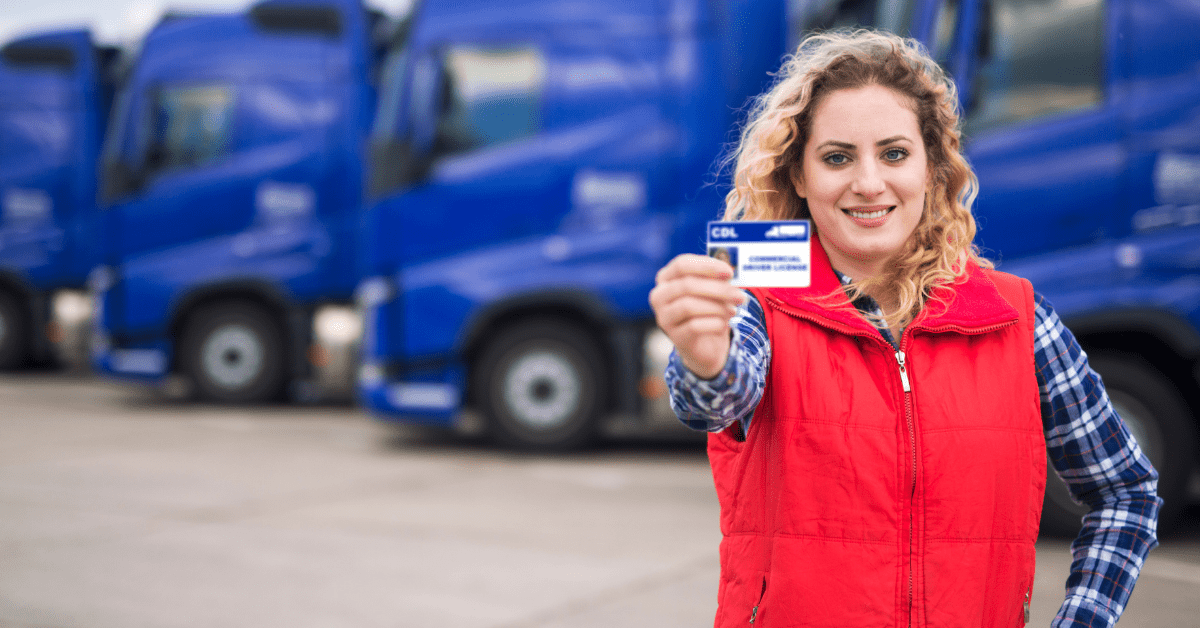
Embarking on a career that offers independence, travel, and a vital role in the economy can be an incredibly rewarding journey. For many, that path leads to obtaining a Commercial Driver’s License (CDL). In the vibrant and ever-growing state of Florida, a CDL is not just a license; it’s a passport to diverse career opportunities, economic stability, and the chance to explore the expansive landscapes of the United States from a unique vantage point. Whether you dream of hauling goods across state lines, transporting passengers to popular tourist destinations, or supporting local businesses with essential deliveries, securing your CDL in Florida is your first crucial step. This comprehensive guide will walk you through everything you need to know, from eligibility and application to training and career prospects, ensuring you’re well-equipped to navigate the road ahead.
Unlocking New Horizons: Why a CDL in Florida is a Smart Move
The decision to pursue a CDL in Florida is a strategic one, aligning personal career aspirations with the immense opportunities available in the Sunshine State. Florida’s unique geographical position as a gateway to the Caribbean and Latin America, coupled with its booming population and thriving tourism sector, makes it a pivotal hub for logistics and transportation. This creates a consistently high demand for qualified commercial drivers, promising a stable and often lucrative career path.
The Allure of the Sunshine State for Professional Drivers
Florida’s economy is a dynamic blend of tourism, agriculture, manufacturing, and international trade, all heavily reliant on efficient transportation networks. Commercial drivers are the backbone of this ecosystem, ensuring that everything from fresh produce grown in the state’s agricultural heartlands reaches dinner tables, to the countless goods stocking the shelves of stores in bustling cities like Miami, Orlando, Tampa, and Jacksonville. Moreover, the continuous flow of millions of tourists each year means a constant need for passenger transport, from tour buses to airport shuttles, linking major attractions and resorts across the state. This sustained demand translates into competitive salaries, comprehensive benefits, and a wide array of job opportunities that cater to various preferences, whether it’s long-haul adventures or local routes allowing for more time at home.
Beyond the economic advantages, a CDL offers a unique lifestyle. Imagine driving along scenic coastal highways, traversing the lush Everglades, or witnessing breathtaking sunsets over the Gulf of Mexico – all as part of your daily work. The freedom of the open road, the responsibility of delivering essential goods, and the sense of contribution to a thriving state economy are aspects of the job that many professional drivers cherish. For those who love to travel, a CDL doesn’t just enable you to see Florida; it opens up the entire United States for exploration, one delivery at a time. The stability of a CDL career also brings significant improvements to personal lifestyle, offering the financial security to invest in comfortable accommodation, enjoy Florida’s numerous attractions, and generally enhance one’s quality of life in this desirable state.
Laying the Foundation: Eligibility and Pre-requisites for Your Florida CDL
Before you can even think about getting behind the wheel of a commercial vehicle, there are fundamental requirements you must meet. These prerequisites are in place to ensure that all commercial drivers operating on Florida’s roads are competent, responsible, and medically fit to handle the demands of the job. Understanding these foundational steps is critical to a smooth application process.
General Requirements for Aspiring CDL Holders
To qualify for a CDL in Florida, you must satisfy several key criteria. First and foremost, you must be at least 18 years old to drive commercial vehicles within Florida (intrastate) and at least 21 years old to drive commercial vehicles across state lines (interstate) or to transport hazardous materials. You must also be a legal resident of Florida and possess a valid, non-commercial Florida driver’s license. English proficiency is also a requirement, as you will need to understand traffic signs, communicate with law enforcement, and complete vehicle inspection reports.
Your driving record is another crucial component. The state thoroughly reviews your history to ensure you don’t have disqualifying offenses. Serious traffic violations, such as driving under the influence (DUI), leaving the scene of an accident, or excessive speeding, can lead to disqualification for a certain period. It’s advisable to check your driving record with the Florida Department of Highway Safety and Motor Vehicles (DHSMV) before beginning the CDL process to identify any potential hurdles. A clean driving record not only speeds up your application but also makes you a more attractive candidate to potential employers in the trucking and transportation industries.
Medical Certification: Your Health on the Road
Operating a commercial vehicle is a demanding job that requires a high level of physical and mental fitness. To ensure the safety of all road users, the Federal Motor Carrier Safety Administration (FMCSA) mandates that all commercial drivers obtain and maintain a valid medical certification. This involves passing a Department of Transportation (DOT) physical examination, conducted by a certified medical examiner listed on the National Registry of Certified Medical Examiners.
During the DOT physical, the examiner will evaluate various aspects of your health, including your vision, hearing, blood pressure, cardiovascular health, and neurological function. They will also review your medical history for conditions such as diabetes, sleep apnea, or any other health issues that could impair your ability to safely operate a commercial vehicle. If you wear glasses or contact lenses, or require hearing aids, these can be accommodated, but the examiner must confirm that your corrected vision and hearing meet the required standards. Upon successful completion of the physical, you will receive a Medical Examiner’s Certificate, which typically needs to be renewed every two years. It is imperative to carry this certificate with you whenever you are operating a commercial motor vehicle, as it proves your continued eligibility to drive professionally. Staying healthy is not just a regulatory requirement; it’s an investment in your career longevity and overall lifestyle, ensuring you can comfortably handle the rigors of long hours and varying driving conditions.
The Journey Begins: Navigating the Florida CDL Application Process
Once you’ve confirmed your eligibility, the real journey toward earning your CDL in Florida begins. This process involves a series of steps, from obtaining a Commercial Learner’s Permit (CLP) to passing comprehensive skills tests. Each stage is designed to assess your knowledge, aptitude, and practical driving abilities, preparing you for the responsibilities of a professional driver.
Obtaining Your Commercial Learner’s Permit (CLP)
The first official step is to apply for a Commercial Learner’s Permit (CLP). This permit allows you to practice driving a commercial motor vehicle on public roads, but only when accompanied by a CDL holder, who must be present in the passenger seat. To apply for a CLP, you’ll need to visit a local Florida Department of Highway Safety and Motor Vehicles (DHSMV) office. Bring all necessary documentation, including your valid Florida driver’s license, proof of identity, residency, and your current DOT Medical Examiner’s Certificate.
You will then need to pass a series of written knowledge tests. The mandatory tests include General Knowledge, Air Brakes, and Combination Vehicles (if you plan to drive a Class A vehicle). Depending on the type of commercial vehicle you intend to operate and any endorsements you wish to obtain, you may need to take additional tests, such as those for Passenger or Tanker endorsements. Studying the Florida Commercial Driver’s License Manual is essential for these exams, as it contains all the information you’ll be tested on. After passing these tests and paying the required fees, your CLP will be issued. It’s important to note that you must hold your CLP for a minimum of 14 days before you are eligible to take the CDL skills test, providing ample time for practical training.
Practical Training and Skills Testing
With your CLP in hand, the next critical phase is practical training. While self-study and practice with a qualified CDL holder are possible, enrolling in a reputable CDL training school in Florida is highly recommended. These schools offer structured programs that provide comprehensive classroom instruction and hands-on driving experience, preparing you thoroughly for the demanding skills test. They also often assist with job placement, connecting graduates with various transportation companies across Florida.
The CDL skills test is comprised of three parts:
- Vehicle Inspection Test: You must demonstrate your ability to perform a thorough pre-trip inspection of the commercial vehicle, identifying critical safety components and explaining what you are checking and why.
- Basic Controls Test: This segment assesses your ability to perform various maneuvers in a controlled environment, such as straight-line backing, offset backing, and parallel parking. Precision and control are key here.
- Road Test: This is the ultimate practical examination, where you drive the commercial vehicle on public roads, accompanied by an examiner. You will be evaluated on your ability to safely operate the vehicle in various traffic conditions, including shifting gears, turning, changing lanes, observing traffic laws, and managing speed.
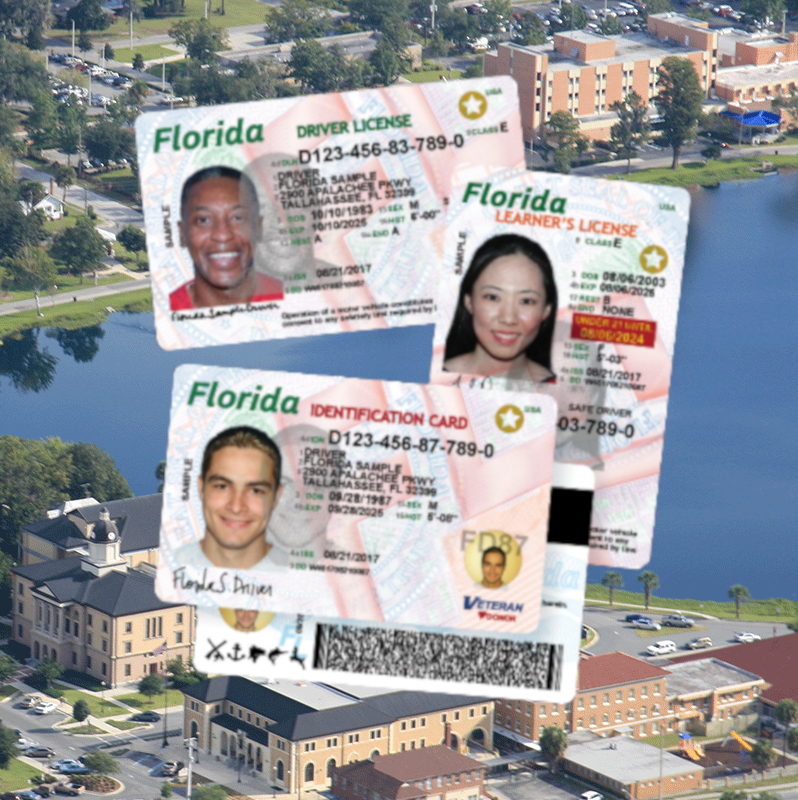
The skills test must be taken in the class of commercial vehicle for which you are applying (e.g., a Class A test must be taken in a Class A vehicle). Upon successfully passing all three parts of the skills test, you can return to the Florida Department of Highway Safety and Motor Vehicles (DHSMV) office to have your full Commercial Driver’s License issued. This moment marks a significant achievement and the official start of your career as a commercial driver.
Specializing Your Career: CDL Classes, Endorsements, and Restrictions
A Commercial Driver’s License is not a one-size-fits-all credential. It comes in different classes and can be augmented with various endorsements, allowing you to specialize your skills and expand your career opportunities. Conversely, certain conditions or limitations may result in restrictions on your license. Understanding these nuances is vital for tailoring your CDL to your specific career goals in Florida‘s diverse transportation landscape.
Understanding CDL Classes (A, B, and C)
The type of commercial vehicle you are authorized to drive depends on the class of your CDL:
- Class A CDL: This is the highest class of CDL and is required to operate any combination of vehicles with a Gross Combination Weight Rating (GCWR) of 26,001 pounds or more, provided the Gross Vehicle Weight Rating (GVWR) of the vehicle being towed is in excess of 10,000 pounds. This includes tractor-trailers, truck and trailer combinations, and flatbeds. A Class A CDL offers the broadest range of job opportunities, particularly in long-haul trucking, which often involves interstate travel and supporting Florida’s supply chain to and from other states.
- Class B CDL: This license allows you to operate a single vehicle with a GVWR of 26,001 pounds or more, or to tow a vehicle not exceeding 10,000 pounds GVWR. Common vehicles requiring a Class B CDL include straight trucks, large buses (city buses, tour buses), dump trucks, and garbage trucks. These roles often involve local or regional routes, supporting urban development and public services in cities like Tallahassee or Miami.
- Class C CDL: This is for smaller commercial vehicles that do not meet the criteria for Class A or B, but are designed to transport 16 or more passengers (including the driver), or carry hazardous materials as defined by federal regulations. Vehicles like small buses, passenger vans, and vehicles transporting placards amounts of hazardous materials fall under this class. Class C drivers often play a crucial role in local tourism, school transportation, and specialized deliveries within Florida’s communities.
Choosing the right class depends entirely on your career aspirations and the type of vehicle you wish to operate. Many drivers opt for a Class A CDL for maximum flexibility.
Boosting Your Opportunities with Endorsements
Endorsements are special authorizations added to a CDL that allow you to operate specific types of commercial vehicles or carry certain kinds of cargo. Acquiring endorsements significantly broadens your job prospects and can lead to higher earning potential. Each endorsement requires passing an additional knowledge test, and some may also involve a skills test or background check:
- Hazardous Materials (H) Endorsement: Required to transport hazardous materials, denoted by placards. This involves a federal background check and an additional written test.
- Tanker (N) Endorsement: Necessary for driving tank vehicles designed to transport liquid or gaseous materials.
- Passenger (P) Endorsement: Required to drive a vehicle designed to transport 16 or more passengers, including the driver (e.g., buses, coaches). This also requires a skills test in a passenger vehicle.
- School Bus (S) Endorsement: A specialized version of the P endorsement, required for operating a school bus. It involves additional knowledge and skills tests, plus a background check.
- Doubles/Triples (T) Endorsement: Required for pulling double or triple trailers (available only for Class A CDL holders).
Strategically choosing endorsements can allow you to tap into niche markets, such as fuel delivery, public transportation in Orlando, or specialized cargo transport across the United States, making you a more valuable asset to potential employers.
Common Restrictions and How to Address Them
Just as endorsements expand your capabilities, restrictions limit what you can drive. These are typically applied if you take your skills test in a vehicle that does not have certain equipment or features, or if a medical condition requires it. Common restrictions include:
- “L” Restriction (No Air Brakes): If you take your skills test in a vehicle not equipped with air brakes, your CDL will have an “L” restriction, meaning you cannot operate a commercial vehicle with air brakes. To remove this, you must retake the skills test in a vehicle equipped with full air brakes.
- “E” Restriction (No Manual Transmission): If you take your skills test in a vehicle with an automatic transmission, you will receive an “E” restriction, preventing you from operating commercial vehicles with a manual transmission. To lift this, you’ll need to retest in a manual transmission vehicle.
- “O” Restriction (No Tractor-Trailer): This restricts Class A CDL holders from operating a tractor-trailer if the test was taken in a non-tractor-trailer combination vehicle.
- “Z” Restriction (No Full Air Brake): Similar to the “L” restriction, applied if the test vehicle has air over hydraulic brakes.
Understanding these restrictions upfront allows you to plan your training and testing to avoid them if they don’t align with your career goals. Most professional drivers aim for a CDL with as few restrictions as possible to maximize their employment opportunities within Florida and beyond.
Beyond the License: A CDL Holder’s Lifestyle in Florida
Obtaining a CDL is more than just passing a series of tests; it’s an investment in a new way of life. For those choosing to drive professionally in Florida, the license opens doors to not only diverse career opportunities but also a lifestyle marked by financial stability, independence, and a unique perspective on one of the nation’s most dynamic states.
Diverse Career Paths and Economic Stability
The demand for CDL holders in Florida spans a wide spectrum of industries. You might find yourself in long-haul trucking, transporting goods across the United States, enjoying the freedom of the open road and visiting different cities and landmarks. Alternatively, local delivery roles offer consistent schedules, allowing you to return home daily and become an expert on the intricate roadways of cities like Jacksonville or Tampa. Specialized transport, such as hauling oversized loads, liquid chemicals, or even luxury vehicles, provides unique challenges and often higher pay. For those passionate about people, passenger transport in a tour bus or shuttle connecting Orlando’s theme parks offers a social and service-oriented career.
The economic stability offered by a CDL is a significant draw. With competitive salaries, comprehensive benefits packages (health insurance, retirement plans), and opportunities for overtime, CDL holders in Florida can achieve a comfortable living. This financial security directly impacts lifestyle choices, enabling individuals and families to secure better accommodation, whether it’s renting a modern apartment in Tallahassee or purchasing a home in a charming Florida suburb. The steady income provides the means to enjoy Florida’s lifestyle, from weekend trips to its famous beaches to exploring its vibrant cultural scenes and culinary offerings.

Exploring Florida and Beyond from the Driver’s Seat
One of the most appealing aspects of a CDL career, particularly in a state as diverse as Florida, is the constant travel and exposure to new sights. As a commercial driver, you become intimately familiar with the state’s geography, from the bustling port cities of Miami to the serene beauty of the Panhandle. You’ll witness the changing landscapes, from the citrus groves of Central Florida to the pristine coastlines, gaining a unique perspective that few others experience.
This constant movement also means contributing directly to Florida’s thriving tourism industry. Every restaurant, hotel, and attraction relies on the efficient delivery of goods that you, as a CDL holder, provide. You’re an integral part of the infrastructure that keeps the state vibrant and welcoming for visitors and residents alike. The sense of independence that comes with being on the road, managing your route, and meeting delivery deadlines fosters a strong sense of responsibility and self-reliance. For many, this freedom from a desk job and the chance to continually see new places, even within their daily routes, is a major lifestyle enhancement. A CDL in Florida truly equips you not just with a job, but with a fulfilling career that integrates travel, economic stability, and a deep connection to the lifeblood of the Sunshine State.
LifeOutOfTheBox is a participant in the Amazon Services LLC Associates Program, an affiliate advertising program designed to provide a means for sites to earn advertising fees by advertising and linking to Amazon.com. Amazon, the Amazon logo, AmazonSupply, and the AmazonSupply logo are trademarks of Amazon.com, Inc. or its affiliates. As an Amazon Associate we earn affiliate commissions from qualifying purchases.